As the unstructured, sun-drenched days of summer give way to the disciplined routines of the academic year, families often experience a brief period of satisfaction before a collective sense of wanderlust settles in. The return to school schedules brings structured calendars and fresh slates, yet the desire to explore new horizons quickly resurfaces. With autumn breaks appearing on school calendars worldwide, travel planners and family holiday specialists note a distinct shift in consumer behavior. Rather than booking traditional peak-summer beach resorts or overcrowded holiday hotspots, contemporary parents are increasingly seeking out shoulder-season destinations that offer a balance of cultural enrichment, outdoor adventure, and manageable crowds. Industry experts emphasize that autumn provides an ideal window for family travel, characterized by milder weather, lower tourist density, and enhanced value across global markets. To meet this rising demand, travel curators have hand-selected a diverse roster of unexpected fall break destinations tailored to accommodate families with children of all ages, from preschoolers to high school seniors.
The shifting dynamics of modern family travel indicate a growing preference for experiential learning and sustainable pacing over rushed sightseeing. Tourism boards across North America, Europe, South America, and North Africa have reported steady increases in autumn arrivals, driven by travelers looking to bypass the intense heat and prohibitive pricing of July and August. Analysts suggest that shoulder-season travel not only reduces the economic burden on households but also minimizes the environmental impact on sensitive ecosystems and historic urban centers. By dispersing tourist traffic into the autumn months, destinations can support local economies year-round while offering visitors a more authentic, immersive experience. The following curated locations illustrate how diverse global regions cater to multi-generational families seeking educational and recreational value during the autumn academic break.

Québec City, Québec: A European Aesthetic Close to Home
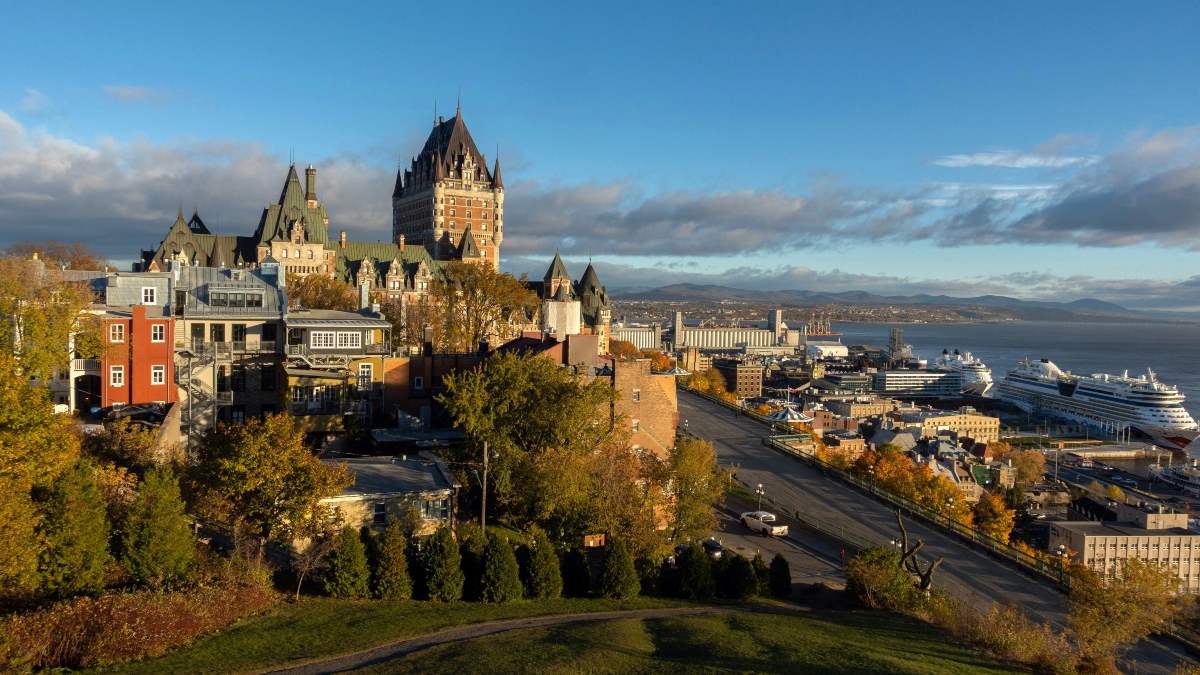
For families residing in North America who yearn for the historic architecture and distinct ambiance of Europe without the friction of long-haul transatlantic flights, Québec City serves as an optimal autumn destination. Perched above the St. Lawrence River, the city’s upper and lower towns are dominated by the imposing silhouette of the Fairmont Le Château Frontenac, a late 19th-century architectural landmark that has defined the skyline for generations. In the early autumn months, the surrounding landscape bursts into a vibrant palette of amber, crimson, and gold, providing a dramatic backdrop for the historic stone ramparts of Old Québec, a designated UNESCO World Heritage site.
Visitors can immerse themselves in local culture by strolling the cobblestone pathways of the Petit Champlain quarter, listening to the melodic lilt of spoken French, and observing local artists display their works along the Rue du Trésor. Culinary explorations offer an introduction to Québécois specialties, most notably poutine, a regional comfort food featuring French fries, cheese curds, and rich gravy. Beyond the immediate urban core, autumn presents prime opportunities for regional excursions. Located just outside the city limits, Montmorency Falls plunges from a cliff measuring 83 meters—outstripping Niagara Falls in height—and features suspension bridges and cable cars for panoramic viewing. Further afield, Jacques-Cartier National Park offers extensive trail networks for hiking and mountain biking amid dense autumn foliage. Additionally, early autumn marks the peak of the whale-watching season along the St. Lawrence estuary, with commercial excursions operating through October to observe various cetacean species migrating toward warmer waters.
Florence, Italy: Experiencing the Renaissance Without the Summer Crowds
During the peak summer months, Florence frequently struggles under the weight of intense Mediterranean heat waves and overwhelming tourist congestion, transforming a culturally rich Renaissance epicenter into a challenging environment for family exploration. However, as October arrives, both ambient temperatures and visitor volumes experience a marked decline, allowing families to appreciate the city’s artistic treasures at a sustainable pace. The historic center, walkable and dense with architectural masterworks, offers an educational journey through Western art history that aligns seamlessly with school curricula.
Families can allocate several days to exploring foundational cultural institutions, including the landmark Florence Cathedral (Duomo), the Basilica di Santa Croce, the Galleria dell’Accademia—home to Michelangelo’s original marble sculpture of David—and the historic Palazzo Vecchio. Beyond marquee museums, the autumn season encourages a slower, more localized engagement with Tuscan culture. Visitors often participate in traditional Florentine aperitivo hours in bustling piazze, enroll in family-friendly culinary workshops to master authentic pasta-making techniques, or simply meander through artisan workshops along the Arno River. Travel analysts note that visiting Florence in the shoulder season significantly reduces wait times at major attractions, lowering stress levels for parents and enhancing the overall educational value for children.
Santa Fe, New Mexico: Southwestern Heritage and Autumn Aspens
Set against the rugged backdrop of the Sangre de Cristo Mountains, Santa Fe offers a distinct blend of Native American, Spanish, and Anglo cultural influences that sets it apart from traditional autumn leaf-peeping destinations. As the capital of New Mexico, the city is renowned for its distinctive Pueblo Revival architecture, characterized by flat-roofed adobe structures and earthy color palettes. The surrounding high-desert landscape undergoes a dramatic transformation in October, when groves of native aspen trees turn brilliant shades of gold, contrasting sharply with the deep blue skies of the southern Rocky Mountains.
Nature enthusiasts and families interested in geology and history will find ample exploration opportunities within a short driving distance from the city center. Key regional sites include Kasha-Katuwe Tent Rocks National Monument, featuring cone-shaped volcanic rock formations created by past volcanic eruptions, and Bandelier National Monument, which preserves the homes and petroglyphs of ancestral Puebloans carved into soft volcanic tuff. Cultural itineraries frequently incorporate the Georgia O’Keeffe Museum in downtown Santa Fe, followed by a day trip north to her historic home and studio in Abiquiu. Culinary experiences reflect the region’s agricultural heritage, highlighting local green and red chiles across a variety of traditional dishes. Furthermore, families visiting during the first full week of October can coordinate their trip with the world-renowned Albuquerque International Balloon Fiesta, located approximately 60 miles south, where hundreds of hot air balloons launch simultaneously against the desert dawn.

Buenos Aires, Argentina: Embracing the Southern Hemisphere Spring
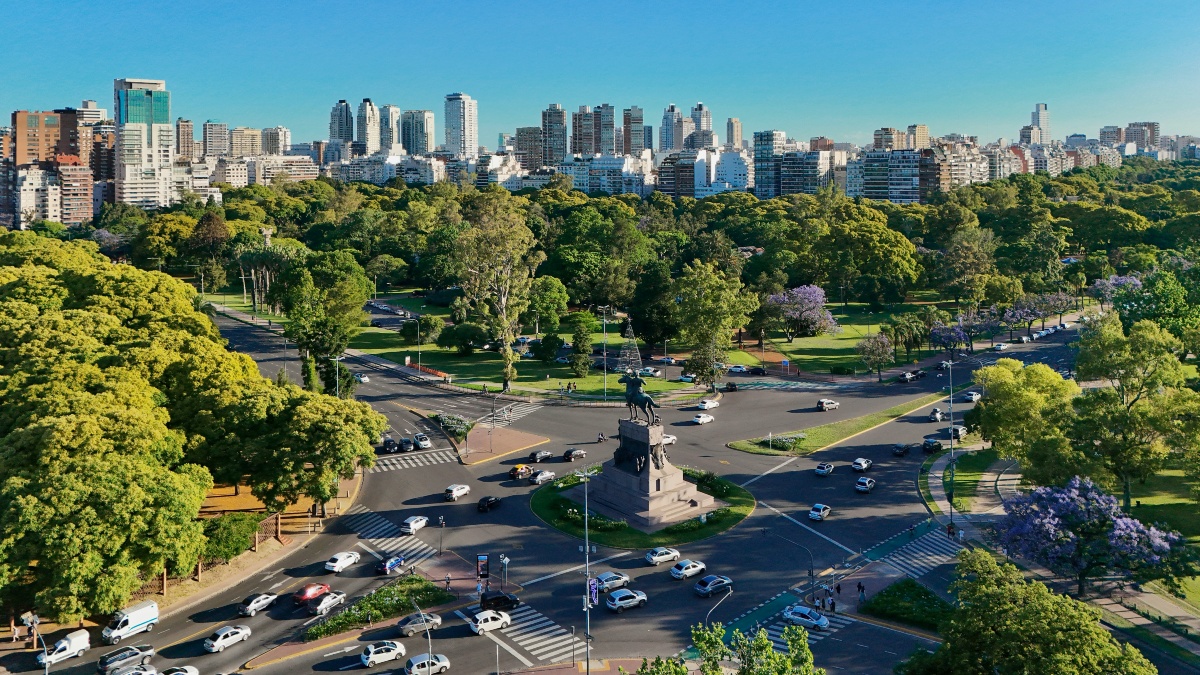
While North America and Europe transition into the cooler months of autumn, the Southern Hemisphere awakens to spring, making Buenos Aires an inviting destination for families seeking mild weather and vibrant urban culture. Argentina’s capital is celebrated for its distinct neighborhoods, or barrios, ranging from the brightly painted corrugated iron houses of La Boca to the modern waterfront developments of Puerto Madero. The city’s urban parks and tree-lined avenues undergo a botanical transformation in September and October, most notably marked by the explosive purple blooms of thousands of jacaranda trees throughout the metropolitan area.
Buenos Aires boasts a robust cultural infrastructure that appeals to diverse family interests, encompassing world-class museums, traditional tango performances, and a sophisticated culinary landscape. Guided food tours introduce travelers to regional staples such as artisanal empanadas, traditional beef asado prepared over open coals, and the culturally significant herbal beverage known as mate. For sports enthusiasts, the city offers tours of legendary soccer venues, including Estadio Monumental—home to River Plate and the largest stadium in South America—as well as Boca Juniors’ historic La Bombonera. Travel planners often recommend pairing a multi-day urban stay in Buenos Aires with a retreat to a traditional rural estancia, or ranch. These countryside properties allow families to experience rural Argentine heritage through horseback riding, traditional folk music, and open-air barbecues.
Slovenia: Compact Alpine Charm in Central Europe
For families seeking a diverse European vacation without the logistical complexities of navigating a massive country, Slovenia offers a remarkably compact geographic footprint roughly comparable in size to the U.S. state of New Jersey. Despite its small scale, the nation encompasses a striking variety of landscapes, ranging from Mediterranean coastal towns to jagged alpine peaks that often receive their first dusting of autumn snow by mid-season. This geographic diversity allows travelers to experience multiple distinct ecosystems within a single week-long itinerary.

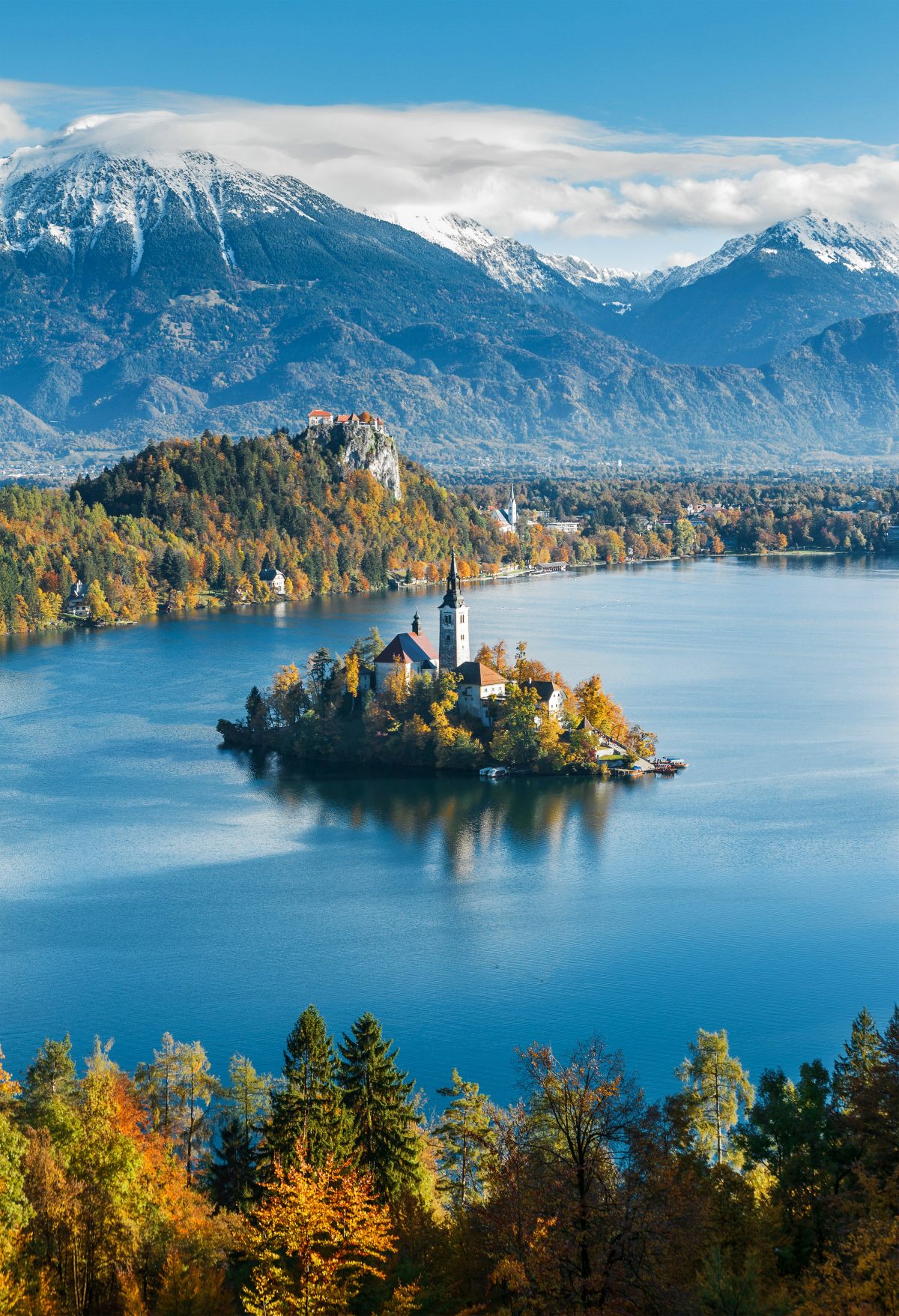
Urban explorations can begin in the capital city of Ljubljana, characterized by its pedestrianized historic center, green spaces, and distinct bridges designed by architect Jože Plečnik, or extend to the Venetian-influenced coastal city of Piran. Outdoor adventurers can hike through the Julian Alps or engage in whitewater rafting along the Soca River, celebrated for its striking turquoise waters, with the official paddling season running through the end of October. Geological wonders such as Vintgar Gorge and the subterranean networks of the Skocjan and Postojna caves—the latter featuring an underground electric train and vast concert caverns—provide educational experiences for school-aged children. Perhaps the most iconic regional landmark is Lake Bled, where a medieval castle clings to a cliff above crystal-clear glacial waters, and traditional pletna boats ferry visitors to a historic pilgrimage church situated on a small island at the center of the lake.
California’s Central Coast: Pacific Vistas and Harvest Festivals
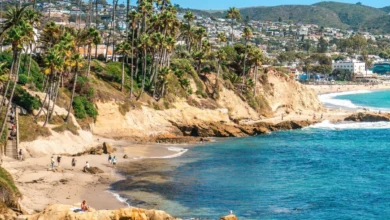
Stretching between the urban boundaries of San Francisco and Los Angeles, California’s Central Coast encompasses a diverse array of coastal communities, agricultural valleys, and protected wilderness areas across counties such as Santa Barbara, San Luis Obispo, Monterey, and Santa Cruz. Often referred to as "America’s Riviera," Santa Barbara serves as an ideal home base for exploring the region, offering a blend of Spanish Colonial Revival architecture, upscale beach culture, and mild autumn weather that frequently bypasses the dense summer fog known locally as "June Gloom."
The autumn season along the Central Coast coincides with agricultural harvest periods, bringing a succession of local food festivals celebrating regional products ranging from fresh seafood to locally grown avocados and wines. Outdoor recreational opportunities are extensive, including kayaking along the coastline, cycling beachfront paths, and observing marine wildlife from historic piers like Stearns Wharf. Inland day trips offer access to the tasting rooms of the Santa Ynez Valley, the hiking trails of the Los Padres National Forest, the Danish-themed architecture of Solvang, and the artistic enclave of Ojai. Tourism officials note that autumn provides optimal conditions for surfing along the Pacific coastline, as consistent swells arrive alongside diminished crowds at regional beaches.
Morocco: An Accessible Gateway to North African Culture
For families looking to venture beyond conventional Western itineraries while maintaining manageable travel logistics, Morocco presents an accessible introduction to North African history, architecture, and geography. Most international itineraries commence in Marrakech, where travelers can navigate the labyrinthine alleys of the historic medina, explore the botanical displays and cobalt-blue structures of the Jardin Majorelle, or observe traditional performers and artisans in the sprawling public square of Jemaa el-Fnaa. Culinary education plays a significant role in the visitor experience, with many families participating in specialized cooking classes focused on traditional tagines, spices, and mint tea preparation.
A primary highlight of a Moroccan family vacation is an overland expedition into the Sahara Desert. Industry specialists recommend treating the desert journey as a dedicated multi-leg component of the trip rather than a brief excursion, given the travel distances involved. Once arrived, travelers can experience overnight stays in traditional desert camps beneath clear night skies, participate in camel treks across towering sand dunes, and engage in sandboarding or off-road excursions. For itineraries with additional time, day trips from Marrakech to the Atlantic coastal town of Essaouira offer a contrast in climate and culture. Essaouira features a UNESCO-listed whitewashed medina, a working fishing harbor famous for its tree-climbing goats found in the surrounding argan groves, and established windsurfing infrastructure that attracts water sports enthusiasts from around the globe.
The Finger Lakes, New York: Scenic Waterways and Foliage
Situated within driving distance of major urban centers along the U.S. Eastern Seaboard, the Finger Lakes region of upstate New York offers a quintessential American autumn escape centered around eleven glacially carved, finger-like lakes. The region is nationally recognized for its vibrant autumn foliage, which reaches peak brilliance between late September and mid-October, transforming the surrounding rolling hills into a tapestry of orange, red, and gold. Ithaca, located at the southern tip of Cayuga Lake, functions as a central hub for regional exploration.
The geography of the Finger Lakes lends itself to outdoor recreation, featuring numerous state parks, deep gorges, and cascading waterfalls. Notable natural attractions include Taughannock Falls State Park, where a single plunge waterfall drops 215 feet—surpassing Niagara Falls in vertical height—and the Cayuga Nature Center, which features educational exhibits and a multi-story treehouse overlooking the lake basin. Agricultural and culinary tourism forms a vital component of the local economy, with families able to sample regional produce at the Ithaca Farmers Market or explore the Cayuga Lake Wine Trail. Recreational options on the water include boating, kayaking, and paddleboarding, providing a balanced itinerary of active outdoor pursuits and scenic relaxation.
The Azores: Volcanic Landscapes in the Atlantic
Positioned roughly two and a half hours by air west of mainland Portugal, the volcanic archipelago of the Azores offers a dramatic natural landscape often described as the "Hawaii of the Atlantic." For a concise autumn break, travel experts recommend focusing the itinerary on the largest and most accessible island in the chain: São Miguel, frequently referred to as the "Green Island." The island’s topography is defined by massive volcanic calderas, twin crater lakes, and steep coastlines covered in dense subtropical vegetation.
São Miguel provides a diverse array of adventure tourism opportunities, including hiking and mountain biking around the emerald and sapphire crater lakes of Sete Cidades, exploring black-sand volcanic beaches, and taking surfing lessons at established coastal schools. The island’s underlying geothermal activity supplies natural hot springs where families can bathe amid botanical gardens. In the capital city of Ponta Delgada, architecture reflects a distinct black-and-white aesthetic created by whitewashed buildings trimmed with dark local basalt stone. The culinary sector highlights fresh Atlantic seafood, regional artisanal cheeses, and cozido das furnas, a traditional meat and vegetable stew cooked slowly underground using geothermal volcanic heat. Concluding itineraries on São Miguel often involve educational visits to historical pineapple plantations or family-run tea estates, which represent the only commercial tea production facilities in Europe.