Cyprus Beyond the Beach: An Emerging Destination for Mediterranean Hiking and Geotourism

While Cyprus has long maintained a global reputation as a quintessential Mediterranean sun-and-sand destination, recent shifts in travel patterns have highlighted the island’s potential as a year-round hub for adventure tourism. The Republic of Cyprus, which saw tourist arrivals reach approximately 3.8 million in 2023—a significant recovery toward pre-pandemic levels—is increasingly diversifying its appeal beyond coastal resorts. By leveraging its unique geological formations, the Troodos mountain range, and a network of protected national parks, the country is positioning itself as a premier destination for hikers, nature enthusiasts, and those interested in the island’s profound archaeological heritage.
The Geography of a Diverse Hiking Landscape
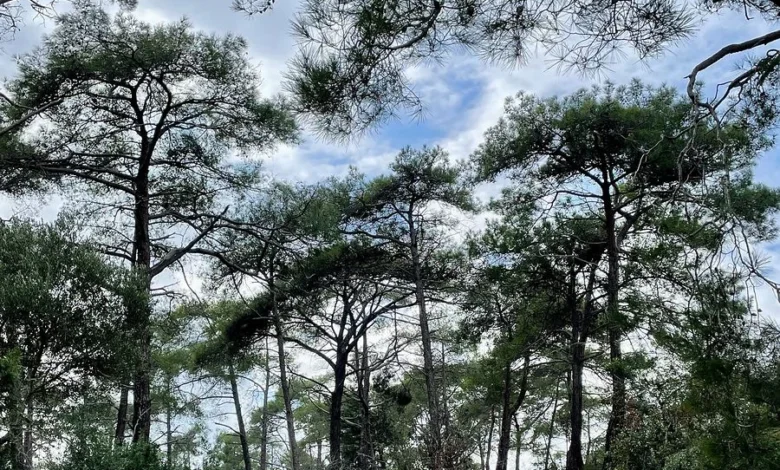
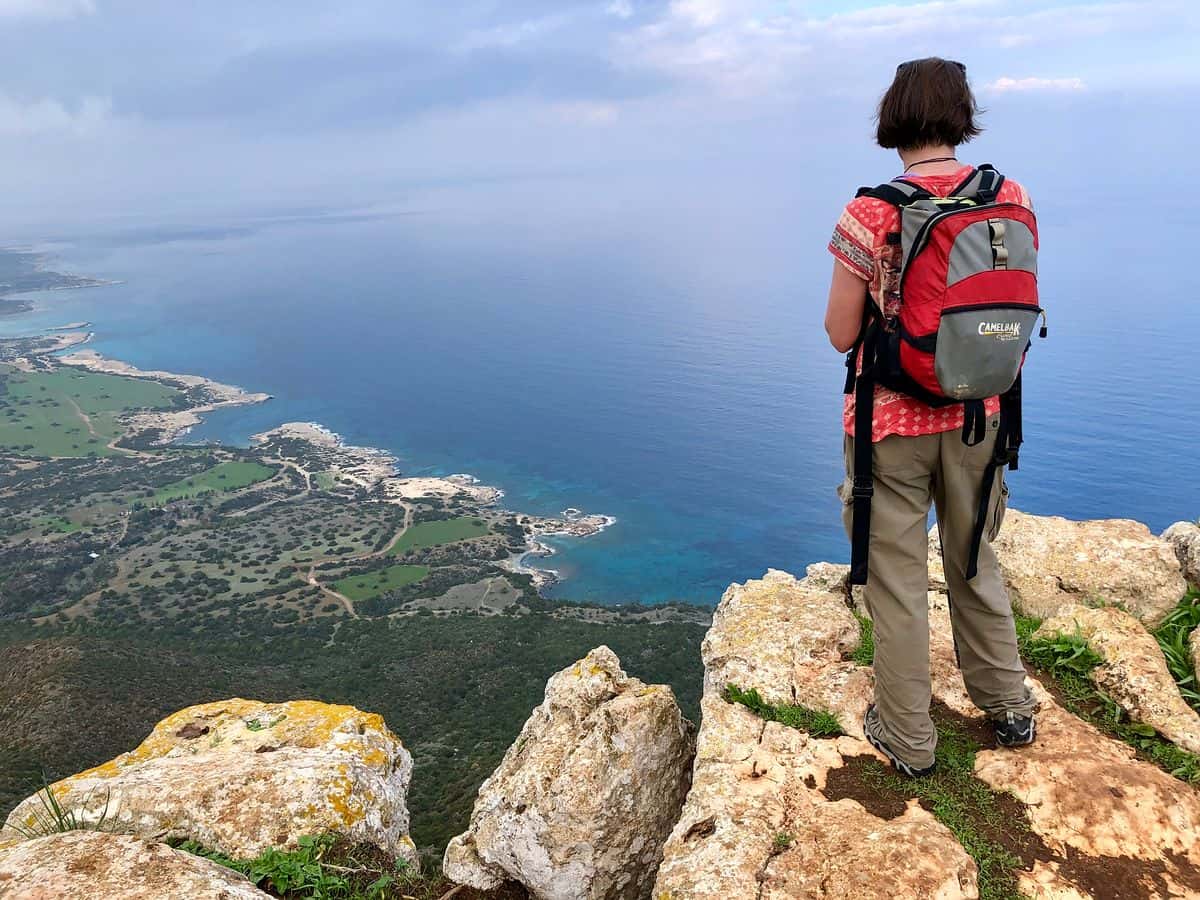
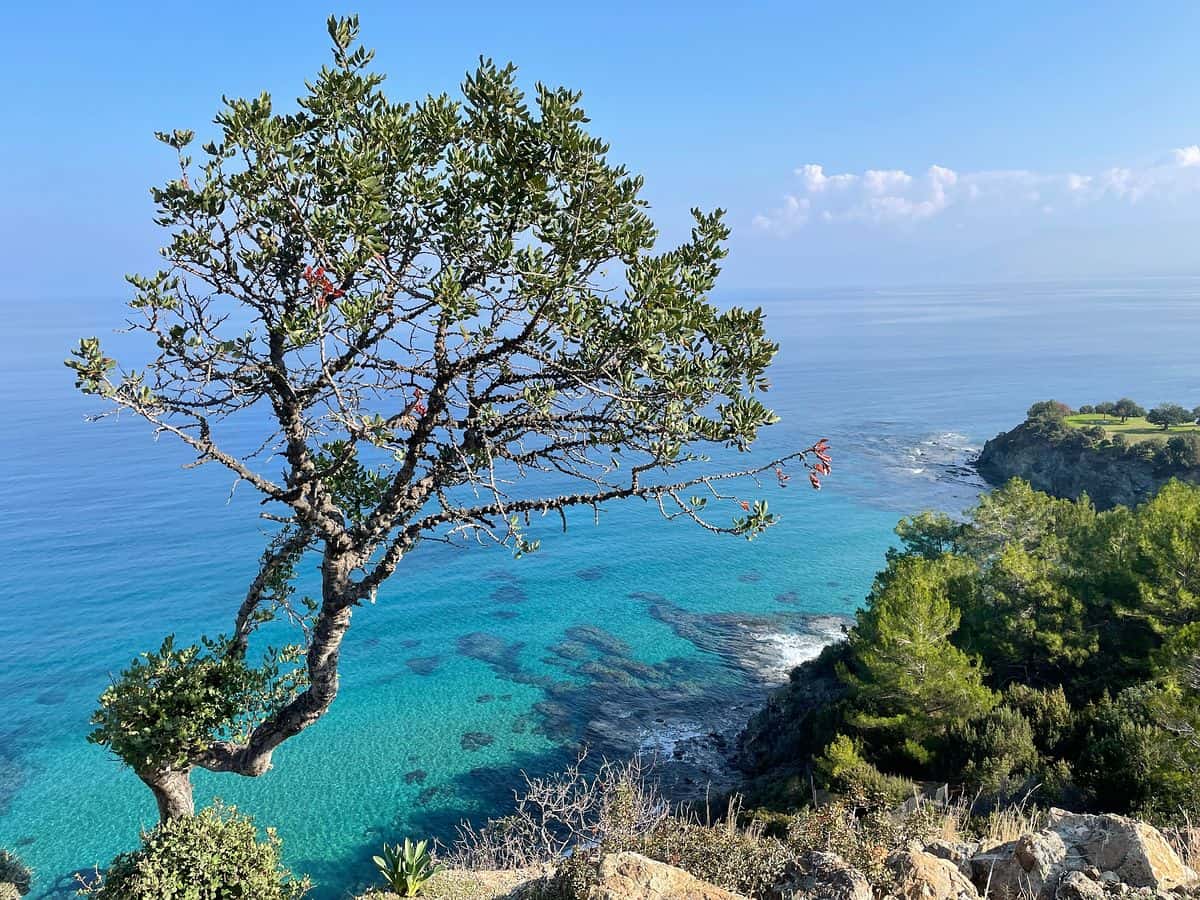
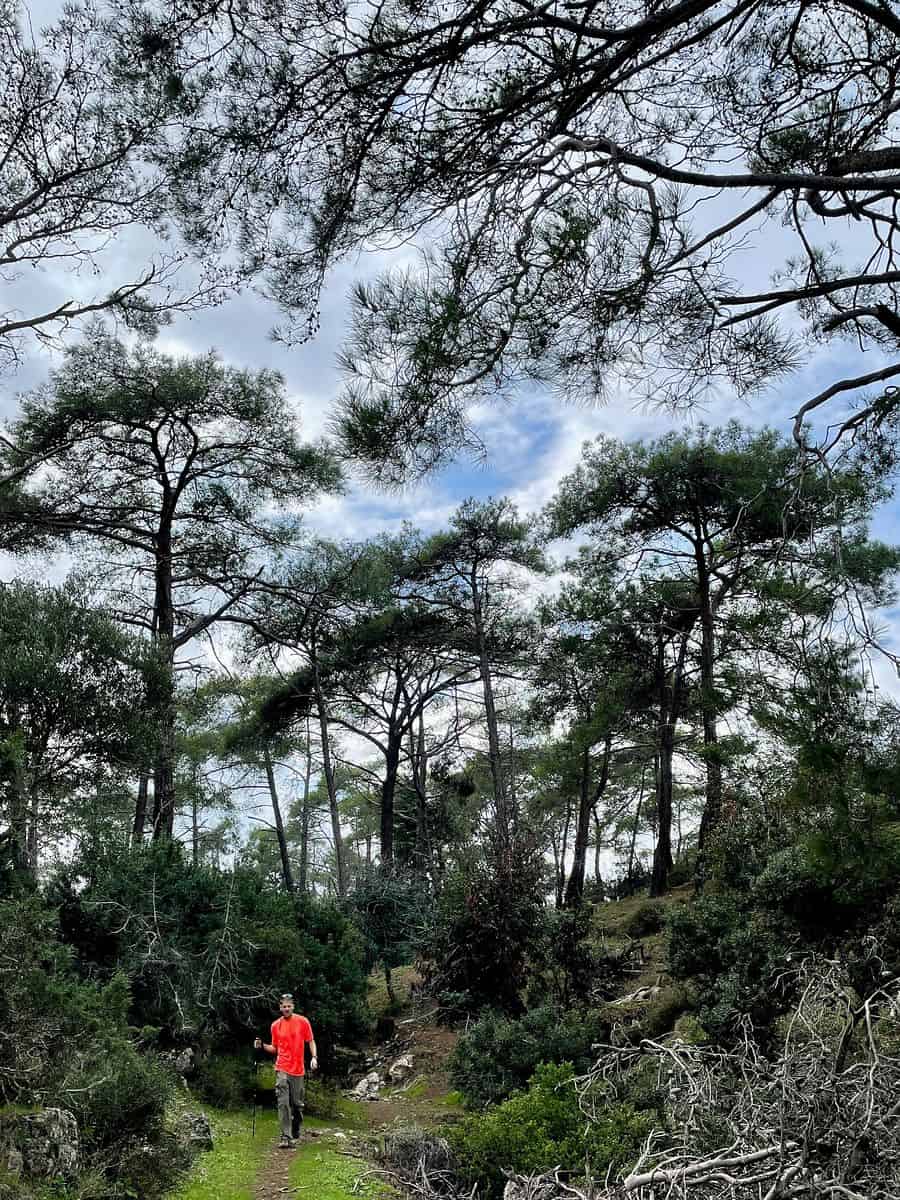
The island’s topography offers a striking contrast to the typical flat coastal plains associated with Mediterranean tourism. The central Troodos Massif, which rises to 1,952 meters (6,404 feet) at Mount Olympus, provides a rugged, high-altitude environment that supports skiing in the winter months and dense, aromatic pine forests throughout the year. This interior highland contrasts sharply with the Akamas Peninsula in the northwest, where the coastline is defined by limestone cliffs, deep sea caves, and endemic flora.
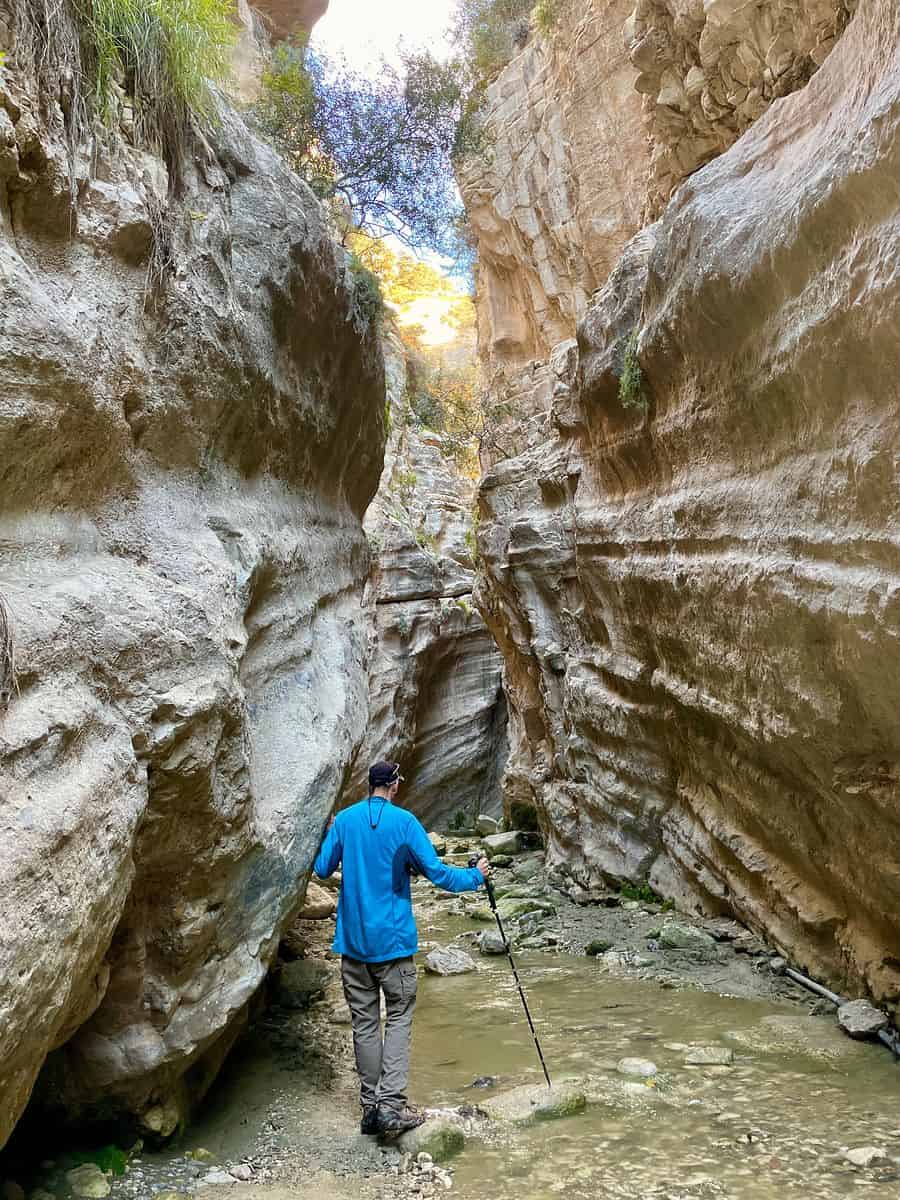
From a geological perspective, the island is a site of significant scientific interest. Formed by the uplift of the Troodos ophiolite—a piece of the Earth’s oceanic crust exposed through plate tectonics—the island serves as a living laboratory for geologists. Trails such as the Avakas Gorge provide clear evidence of this unique formation, as the deep, narrow limestone canyon serves as a testament to the erosive power of water acting upon a seabed that was pushed upward millions of years ago.
Key Hiking Corridors and Trail Infrastructure
For those seeking to navigate the island on foot, the Department of Forests under the Ministry of Agriculture, Rural Development and Environment maintains an extensive network of marked trails. The following corridors represent the most significant areas for active travelers:
1. The Akamas Peninsula and Aphrodite Loop
This region is arguably the most biologically diverse area on the island. The Aphrodite Loop, spanning approximately 7.5 kilometers, connects the mythological "Baths of Aphrodite" with the high-altitude vistas of the Moutti tis Sotiras. The area is protected under the Natura 2000 network, ensuring that the endemic species, such as the Cyprus cyclamen and various orchid species, remain undisturbed.
2. The Avakas Gorge
The gorge is a challenging, semi-aquatic hike that requires careful planning. The trail involves navigating a narrow canyon where cliffs rise to heights of 30 meters. Local authorities often issue safety advisories regarding these trails during the winter rainy season, as flash flooding poses a legitimate risk within the canyon confines.
3. The Troodos Massif (Atalante and Artemis Trails)
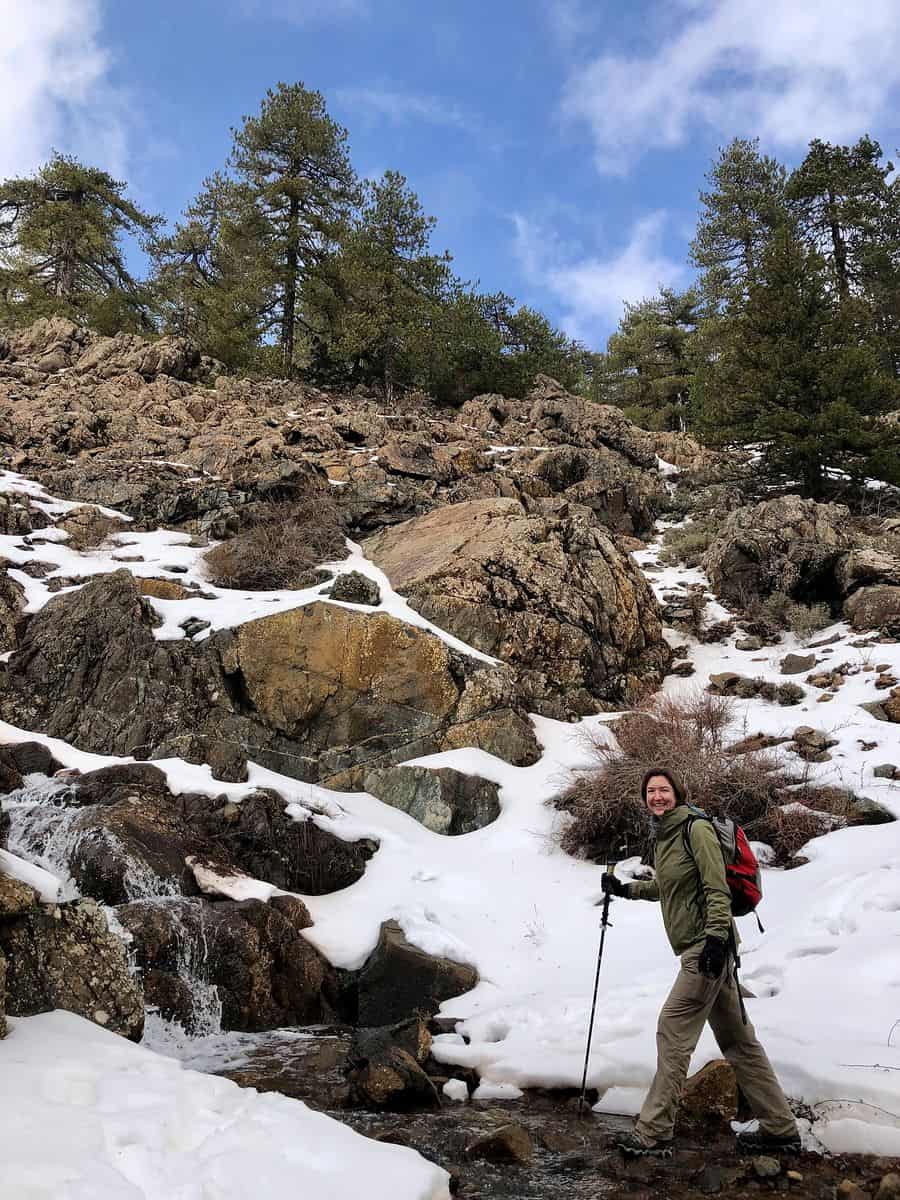
At higher altitudes, the trails offer a different climate entirely. The Atalante Trail, which encircles Mount Olympus, takes hikers through forests of black pine and ancient juniper. Because these trails often sit above the 1,500-meter mark, they remain susceptible to snow accumulation between December and March, requiring appropriate gear for winter conditions.
4. Cape Greco National Forest Park
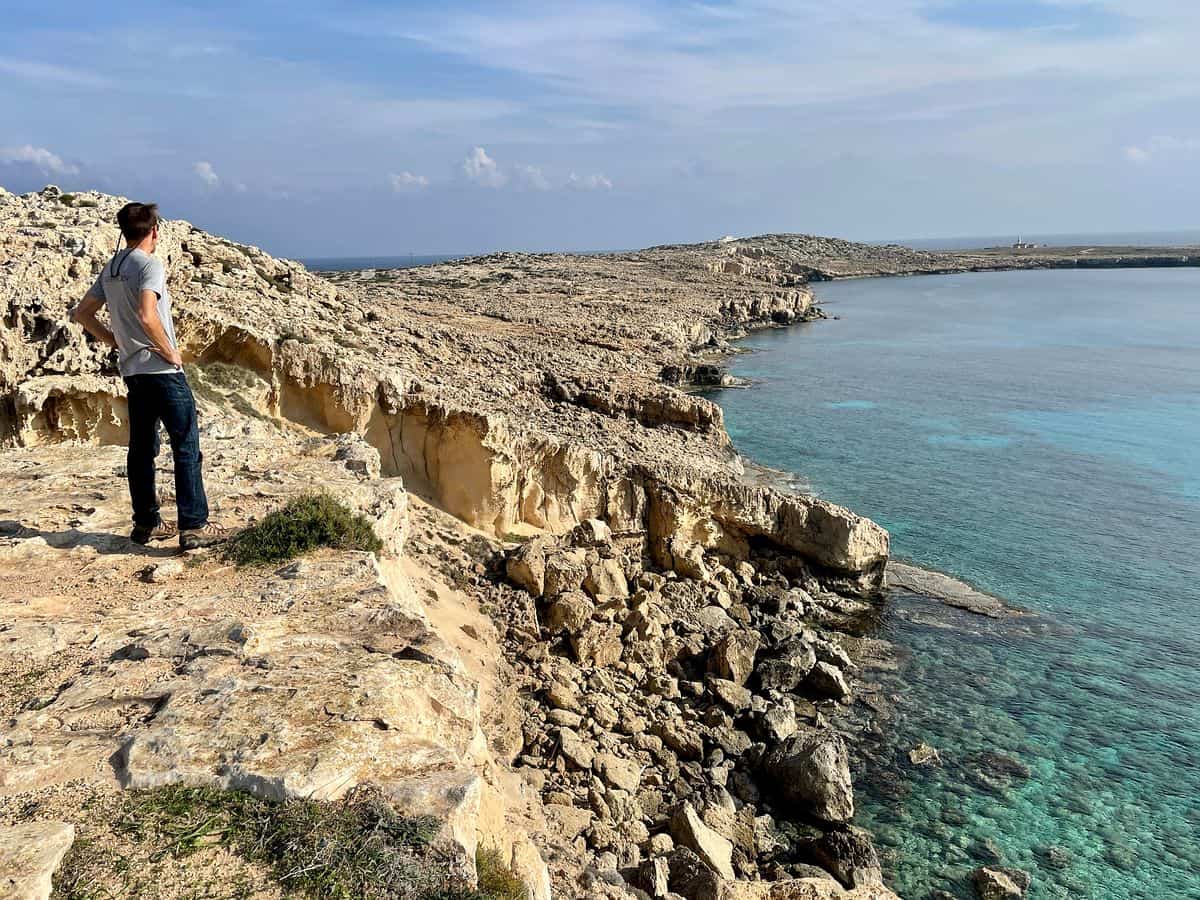
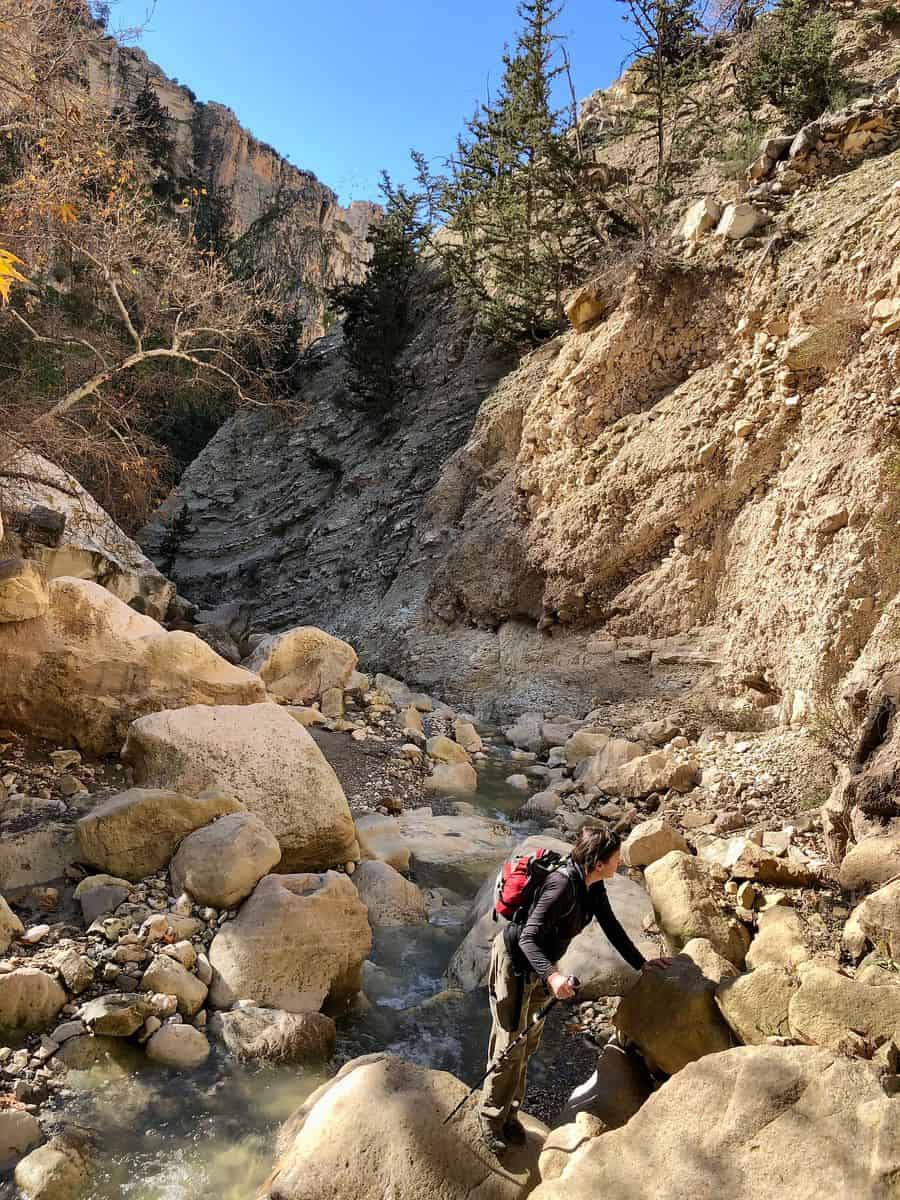
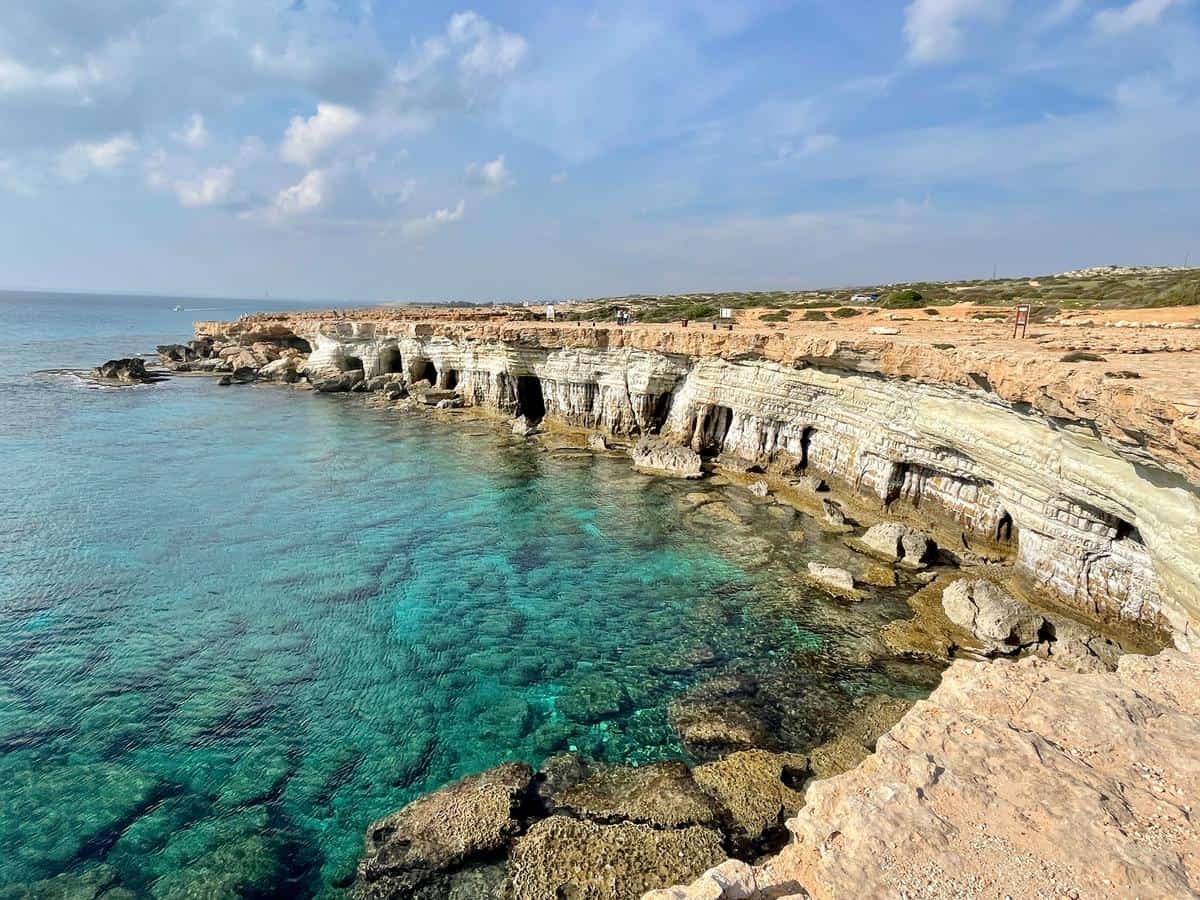
Located at the southeastern tip of the island, this park acts as a transition zone between the arid eastern plains and the sea. The trail system here is heavily frequented by those interested in maritime erosion, as the sea caves and natural arches are easily accessible from the town of Ayia Napa.

Seasonal Dynamics and Safety Considerations
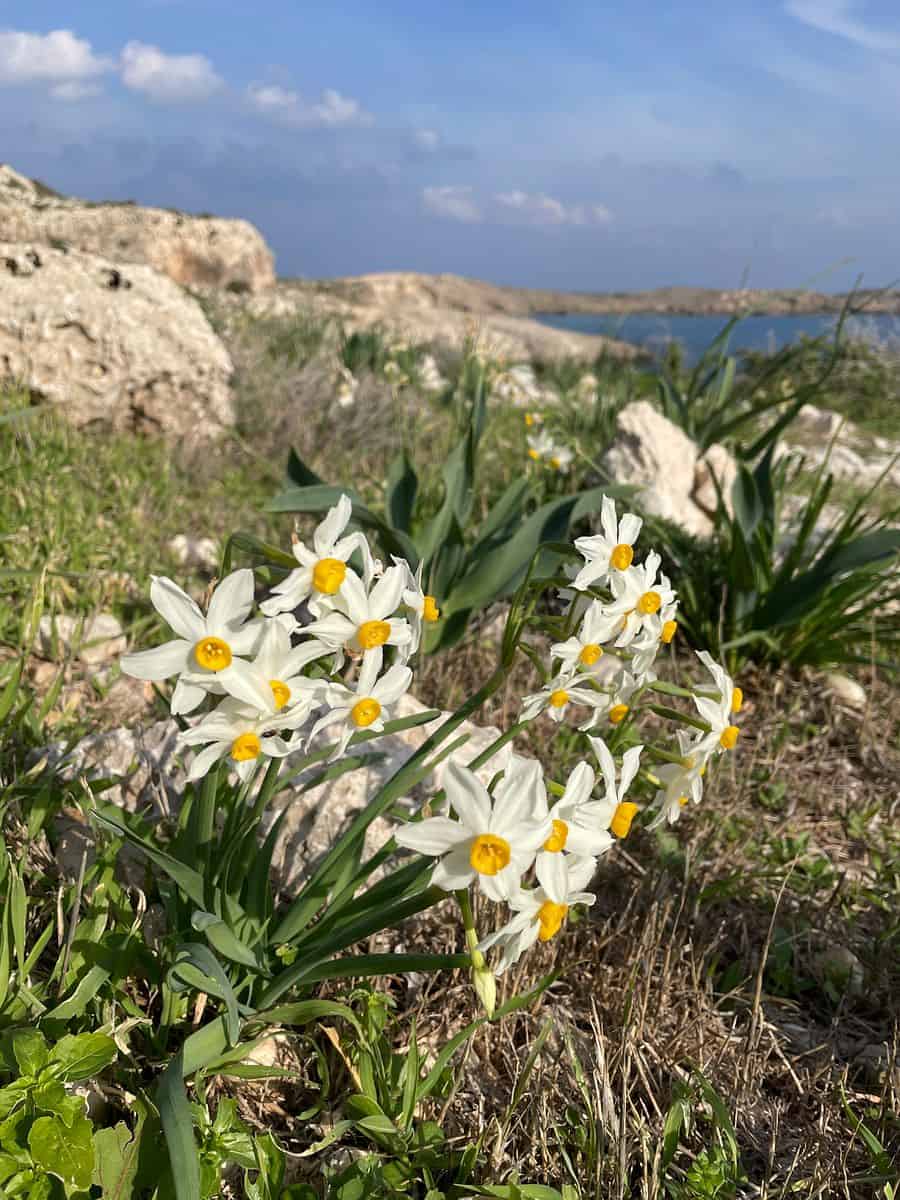
The timing of a hiking excursion in Cyprus is critical to the experience and safety of the traveler. Meteorological data indicates that the peak summer months (July and August) often see temperatures exceeding 35°C (95°F), making strenuous physical activity in exposed areas dangerous. Consequently, the shoulder seasons—specifically March to May and October to November—are widely regarded as the optimal windows for trekking. During the spring, the island undergoes a rapid transition, with wildflowers blooming across the rural landscape, offering the best aesthetic conditions for photography and nature study.

Travelers are advised to utilize digital mapping resources, as official trail signage can occasionally be inconsistent in remote sections. The integration of GPX-enabled navigation, coupled with an awareness of local weather forecasts, is standard practice for those exploring the rugged interior.
Broader Economic and Environmental Implications
The promotion of hiking as a primary tourist activity aligns with the broader goals of the Cyprus Deputy Ministry of Tourism, which seeks to mitigate the seasonality of the industry. By promoting rural areas such as the villages of the Troodos mountains, the government aims to distribute tourism revenue away from the saturated coastal cities of Limassol and Paphos.

However, this transition brings environmental challenges. The influx of hikers into fragile ecosystems necessitates strict adherence to "leave no trace" principles. Environmental groups have consistently lobbied for increased protections for the Akamas Peninsula, arguing that expanded tourism infrastructure could threaten the nesting grounds of green and loggerhead turtles, as well as the migration routes of various bird species.
Infrastructure and Logistics
Logistically, the island is well-suited for independent travelers. The road infrastructure is comprehensive, though it is important to note that, as a legacy of British administration, vehicles drive on the left. Rental car availability is high, and the compact size of the island allows for the use of a single base location for several days, though those intending to hike in both the Troodos mountains and the Akamas peninsula may find it more efficient to split their stay between the two regions.

For those relying on public transport, the inter-city bus networks (such as Intercity Buses) provide connectivity between major hubs like Nicosia, Larnaca, and Paphos. However, accessing remote trailheads often requires a private vehicle or a pre-arranged taxi service, as rural bus frequency is significantly lower than in urban centers.
Conclusion
The evolution of Cyprus from a resort-centric destination to a multifaceted outdoor hub reflects a broader European trend toward experiential travel. By bridging the gap between historical sightseeing—such as the Tombs of the Kings in Paphos or the medieval caravanserai in Nicosia—and active exploration, Cyprus offers a complex, rewarding experience for the modern traveler. Whether traversing the high-altitude forests of the Troodos or navigating the limestone corridors of the Avakas Gorge, the island’s diverse terrain ensures that its value as a destination extends far beyond the shoreline. As the Ministry of Tourism continues to invest in sustainable trail maintenance and rural development, it is likely that the island’s reputation as a hiking destination will continue to grow in the coming decade.