Elevating the London Experience: A Comprehensive Guide to the London Eye Afternoon Tea

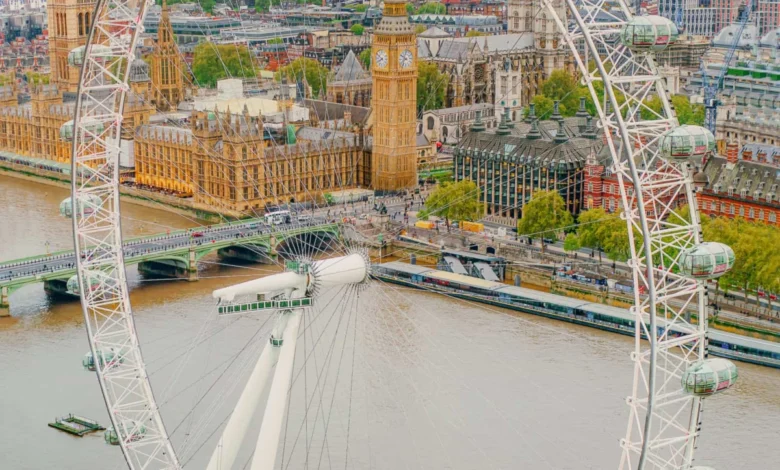
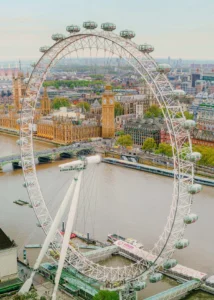
The London Eye has solidified its position as a cornerstone of the United Kingdom’s tourism sector, functioning not merely as an observation wheel but as a symbolic anchor for the capital’s skyline. Since its inception at the turn of the millennium, the structure has evolved from a temporary architectural experiment into a permanent, highly profitable fixture of the South Bank. While millions of visitors annually opt for standard rotation tickets, a niche, high-value segment of the market has emerged: the VIP Afternoon Tea experience. This service represents a strategic shift by operators to diversify revenue streams by integrating traditional British culinary customs with one of the world’s most recognizable mechanical attractions.

Historical Context and Development
The London Eye, officially known as the Millennium Wheel, was conceived by architects David Marks and Julia Barfield. It opened to the public in March 2000, intended originally as a five-year temporary installation to celebrate the new millennium. However, its immediate commercial success—attracting over 3.5 million visitors in its first year—prompted local authorities to grant it permanent planning permission in 2002.
Over the last two decades, the attraction has been integrated into the Merlin Entertainments portfolio. The introduction of premium, small-group experiences, such as the Afternoon Tea service, reflects a broader trend in the hospitality and attractions industry: the "premiumization" of the tourist experience. By limiting pod capacity for these specific slots, operators can offer a more exclusive, tranquil environment that contrasts sharply with the high-volume, standard-access rotations.

Operational Mechanics and Service Logistics
The London Eye operates 32 high-tech, air-conditioned passenger capsules, each representing one of the London Boroughs. The Afternoon Tea service utilizes a selection of these pods, modified to accommodate a seated dining arrangement. Unlike standard rotations, which typically last 30 minutes and accommodate up to 25 people, the Afternoon Tea experience is curated for a significantly smaller group, usually capped at eight participants.
This logistical adjustment is intentional. By maintaining a lower density, the operator ensures that the culinary service—which includes traditional tiered stands, fine china, and beverage service—can be managed safely while the capsule is in motion. The rotation is extended to two full cycles, providing guests with a full hour of dining time. This effectively doubles the standard viewing window, allowing for a more thorough observation of the cityscape from the 135-meter summit.

The Culinary Offering: A Fusion of Tradition and Convenience
The afternoon tea menu serves as a deliberate nod to British heritage, typically featuring a selection of finger sandwiches (often cucumber, smoked salmon, and egg mayonnaise), freshly baked scones served with clotted cream and strawberry preserve, and a variety of seasonal pastries.
From a hospitality management perspective, the challenge lies in the supply chain and food safety protocols required for a moving, rotating environment. The service is prepared off-site or in specialized prep areas near the South Bank and is loaded into the capsules immediately before departure. The availability of vegan, vegetarian, and gluten-free alternatives is a standard requirement for modern tourism operators in London, and the London Eye has adapted its procurement policies to meet these dietary mandates, ensuring that the premium price point is matched by an inclusive culinary selection.

Economic Implications and Market Positioning
Pricing for the Afternoon Tea experience typically starts at approximately £75 per person, though fluctuations occur based on seasonality, demand, and additional add-ons, such as champagne service. When analyzing the value proposition, stakeholders argue that the price is inclusive of two distinct products: a standard attraction ticket and a traditional afternoon tea service.
When purchased separately, a high-end tea experience at a luxury London hotel can often exceed £60–£80, while a standard priority-access London Eye ticket adds further cost. By bundling these, the operator captures a higher share of the visitor’s "experience budget." Furthermore, the use of promotional codes—such as the "TEAWEEK26" campaign—serves as a tactical tool for yield management, allowing operators to stimulate demand during shoulder seasons or off-peak weekdays.

Arrival Procedures and Guest Experience
The operational efficiency of this service relies on a dedicated VIP concierge and a separate check-in facility. Guests are required to arrive at least 30 minutes prior to their designated time slot. This mandatory lead time serves two purposes: it ensures that all safety and security checks are completed without impacting the strict, non-stop rotation of the wheel, and it allows for access to the private VIP lounge.
The inclusion of a lounge area is a critical component of the value proposition. It functions as a buffer zone that isolates premium guests from the general public, reducing the stress associated with large crowds and queues. By the time guests are escorted to their capsule by a dedicated host, the transition from the bustling South Bank to the intimate environment of the pod is seamless.

Geographical Significance and Sightlines
The primary appeal of the London Eye remains its vantage point. During the hour-long rotation, passengers are afforded an unobstructed 360-degree view of the city. Key landmarks visible from the capsules include:
- The Palace of Westminster: Providing a direct view into the inner courtyards of the UK’s legislative heart.
- Buckingham Palace: Visible on clear days, offering a perspective of the Royal residence’s scale.
- St. Paul’s Cathedral: A focal point for understanding the historic City of London’s architectural evolution.
- Canary Wharf: Showcasing the modern, high-rise financial district.
- Wembley Stadium: Often visible on the horizon, illustrating the sheer distance one can observe from the summit.
The dual-rotation aspect of the afternoon tea is particularly advantageous for photography and sightseeing. The first rotation is often spent navigating the service and settling in, while the second rotation allows for more focused viewing and conversation, as the table is cleared and the tea service concludes.

Challenges and Future Considerations
While the Afternoon Tea service is a commercial success, it is not without operational constraints. The most significant is the weather dependency. While the pods are enclosed and weather-proof, the visibility of the landmarks—the primary selling point—is contingent upon atmospheric conditions. Furthermore, the limited capacity of the pods creates an "artificial scarcity," which drives up prices but also results in high demand, particularly during peak summer months and holiday periods.
From a regulatory standpoint, the attraction must adhere to strict safety guidelines. Because the pods are technically fairground equipment, the service of hot beverages and the use of tiered serving stands must be rigorously tested to ensure they do not become projectiles or hazards in the event of a mechanical stop. The operator, in conjunction with regulatory bodies, maintains strict protocols for service to ensure that the "luxury" experience does not compromise the safety of the wider attraction.

Conclusion: The Evolution of the Landmark
The transformation of the London Eye from a temporary millennium monument to a host for high-end dining experiences illustrates the shifting nature of urban tourism. Modern visitors are increasingly seeking "experiential" travel, where the activity is not just about witnessing a landmark, but about engaging with it in a unique or personalized way.
By layering a traditional British cultural experience onto a modern engineering marvel, the operators have successfully created a product that appeals to both domestic tourists looking for a special occasion and international visitors seeking a quintessential London experience. As the industry continues to recover and expand, such hybrid models—combining sightseeing with curated hospitality—are likely to become the standard for major global attractions. For those planning a visit, the recommendation remains consistent: advance booking and a clear understanding of the logistics are essential to maximizing the value of this unique London vantage point.