The Danish Island of Samso is a Global Pioneer in Renewable Energy and Marine Restoration

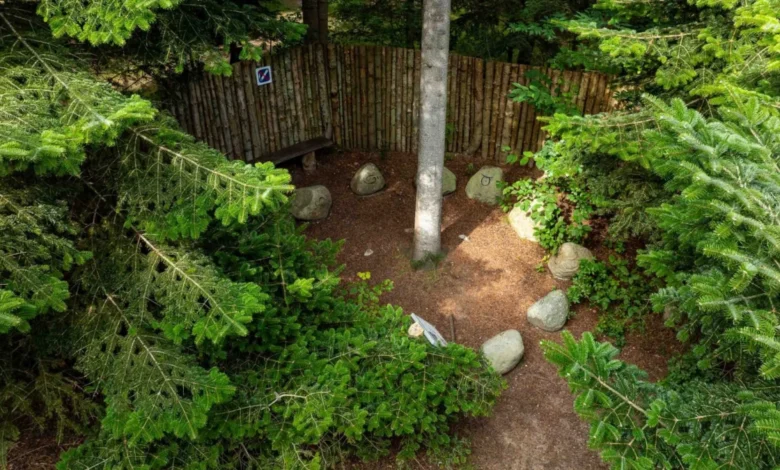
The Danish island of Samso stands as a unique case study in modern ecological transformation. Situated approximately an hour by ferry from Aarhus on the Danish mainland, the 114-square-kilometer island is home to roughly 4,000 residents. Over the past three decades, Samso has earned international acclaim for achieving what no other territory of its scale had previously accomplished: a complete and successful transition from fossil fuel reliance to 100 percent renewable energy self-sufficiency, subsequently evolving into a carbon-negative community.
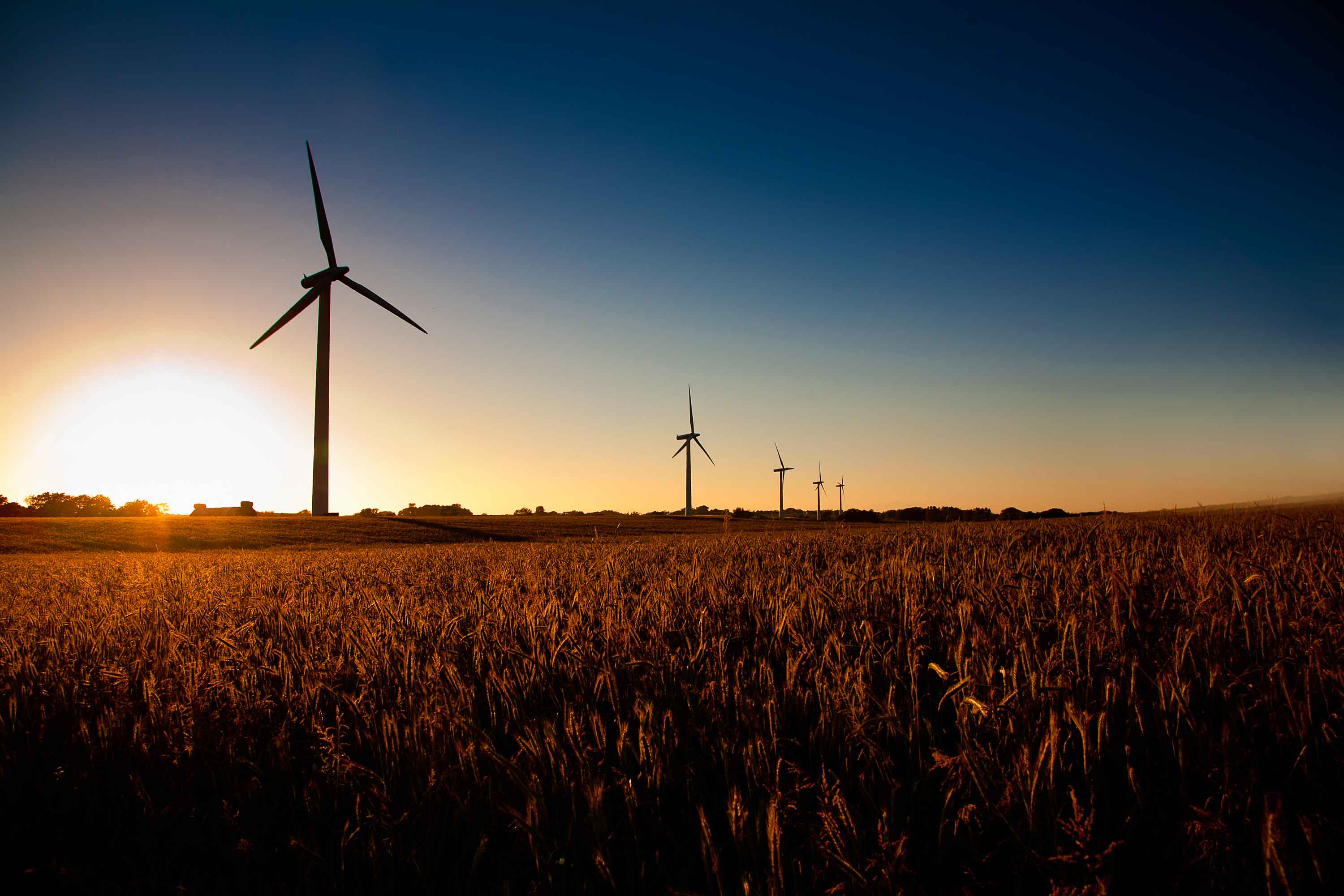
While the island’s transition above ground—featuring wind turbines, solar arrays, and biomass heating—has been extensively documented by scholars and climate organizations alike, recent ecological efforts have turned toward the sea. The establishment of an underwater stone reef known as BARREEF represents a concerted attempt to reverse decades of marine degradation and restore the delicate coastal ecosystems that surround the Danish territory.
The Genesis of a Green Island: A 1997 Turning Point
Samso’s remarkable environmental journey began in 1997, when the Danish Ministry of Environment launched a national contest to demonstrate how a community could successfully reduce carbon dioxide emissions without substantial initial financial backing from the state. Winning municipalities were expected to devise sustainable models that could later be replicated on a national and global scale.

The primary catalyst for Samso’s victory and subsequent implementation was Soren Hermansen, a local farmer born and raised on the island whose salary was funded by the central government. Recognizing that sweeping environmental mandates would face intense resistance from generations-old farming families and local landowners, Hermansen prioritized community buy-in, local ownership, and economic participation.
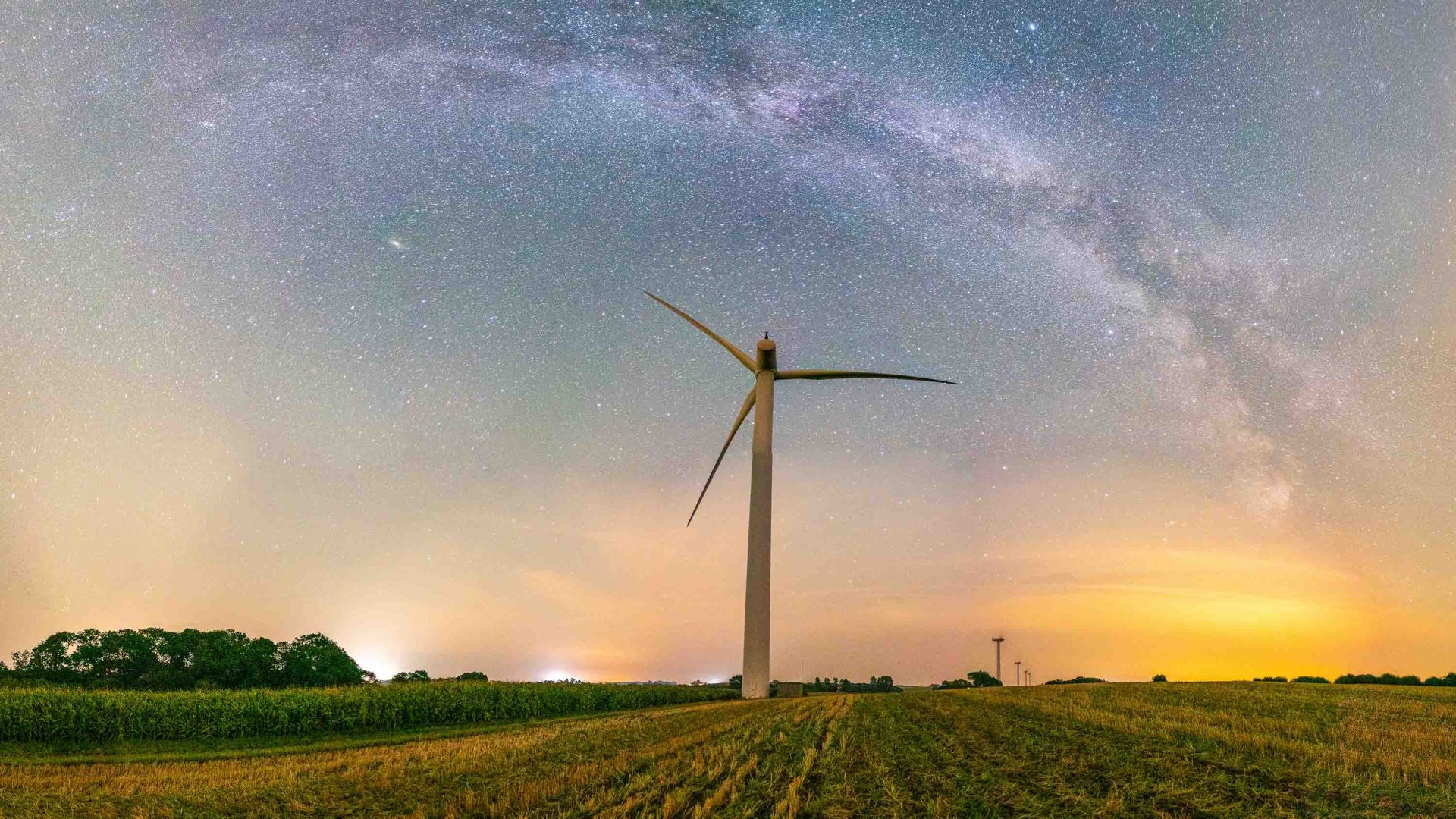
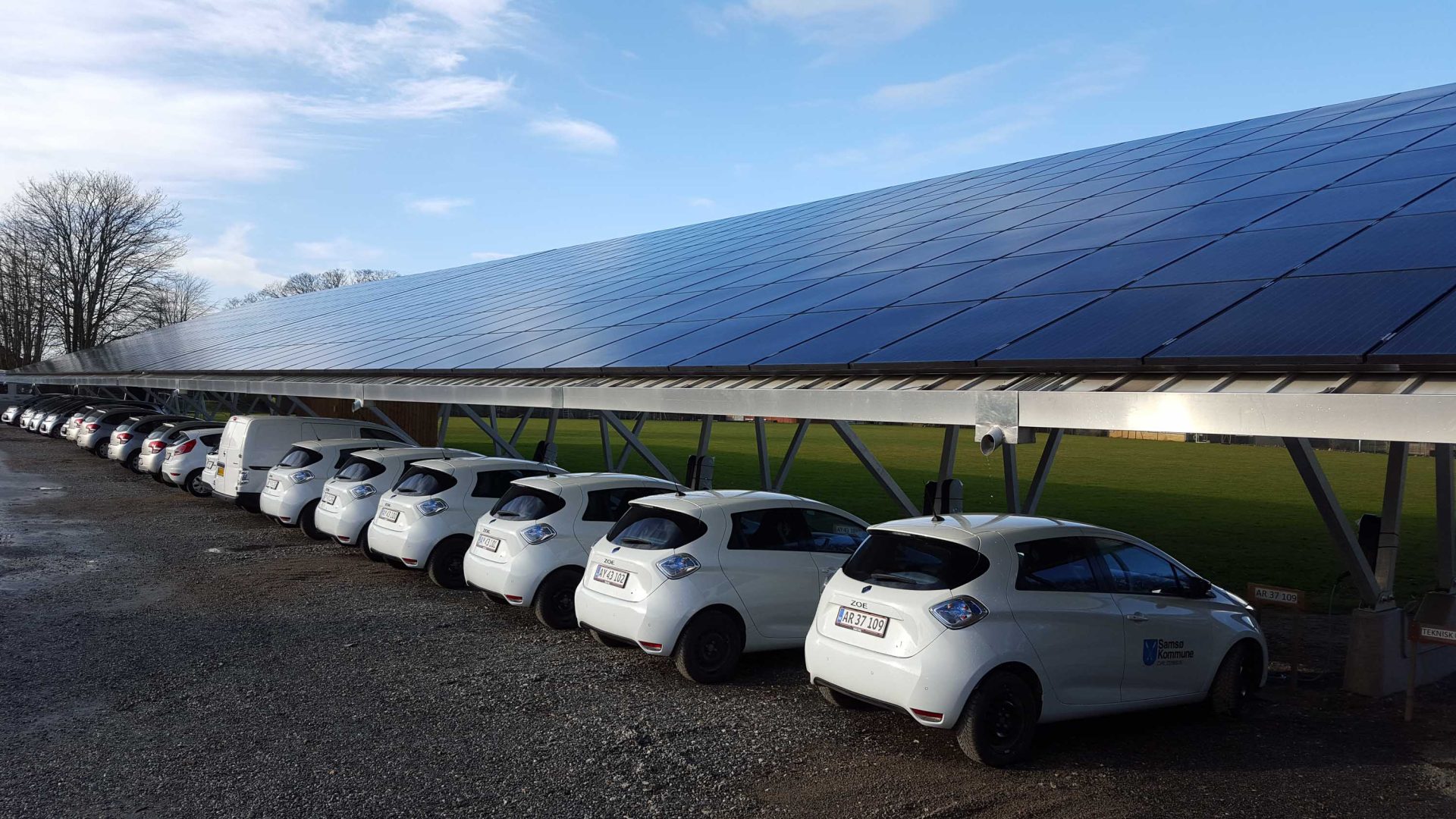
Rather than imposing top-down corporate infrastructure, the island’s transition was financed through a hybrid model involving the Samso Municipality, local residents, and community cooperatives. Over the following decade, this collaborative approach yielded 21 wind turbines—10 offshore and 11 on land—alongside approximately 50 photovoltaic installations and district biomass heating plants powered by locally sourced straw purchased directly from Samso’s farmers.
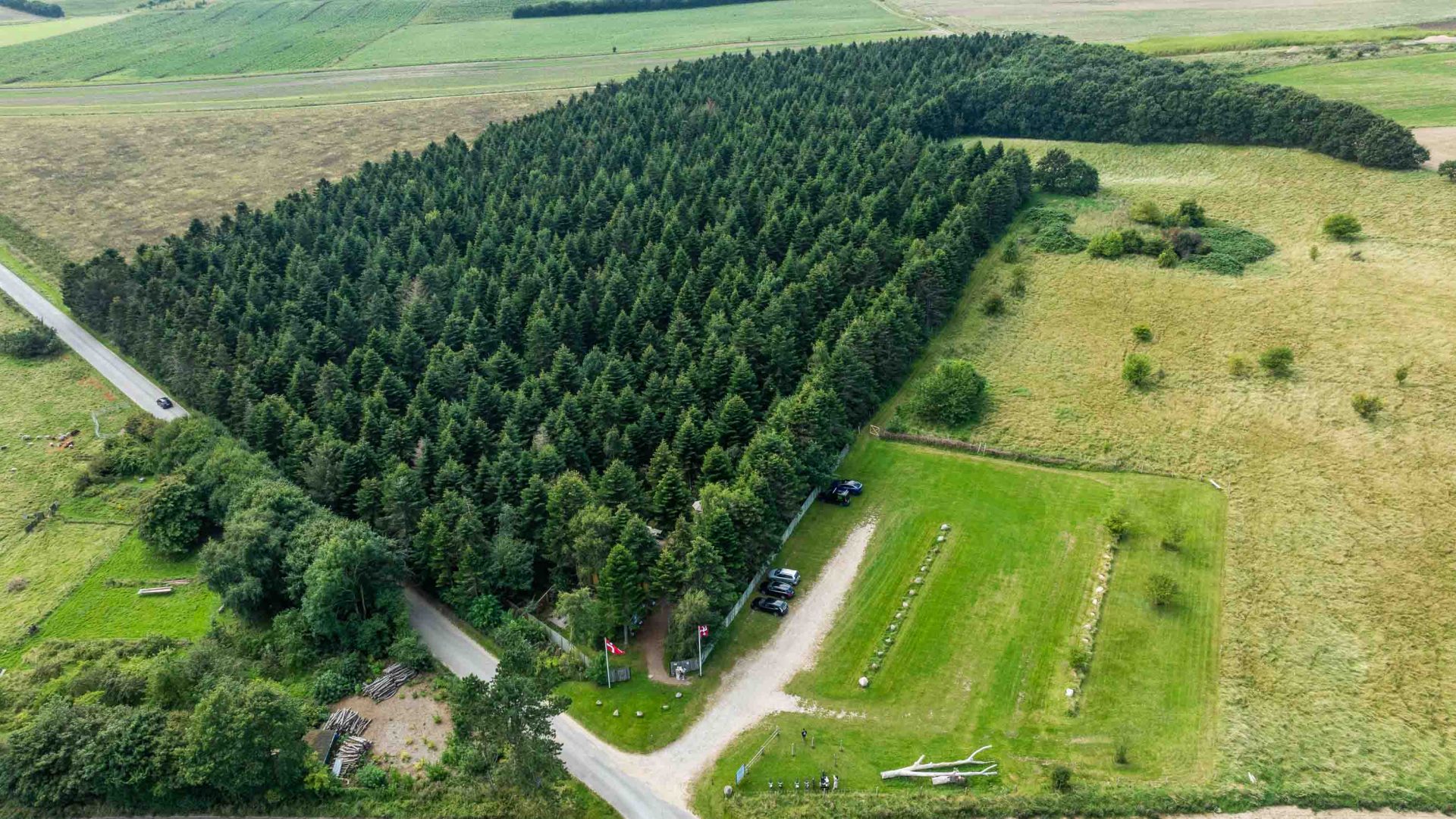
By the late 2000s, Samso had effectively achieved carbon-neutral status. Today, the island produces significantly more renewable energy than it consumes. The surplus energy is exported to the Danish mainland via undersea cables, generating reliable financial returns for the local residents and cooperative members who invested in the infrastructure. In recognition of these achievements, the United Nations Framework Convention on Climate Change (UNFCCC) formally recognized Samso as the world’s first renewable energy island.
Socioeconomic Revitalization and the Energy Academy
The environmental transformation of Samso has profoundly altered the demographic and economic fabric of the island. Historically vulnerable to an aging population and outward migration of young adults, Samso experienced a reversal of these trends as sustainability initiatives created new professional avenues.
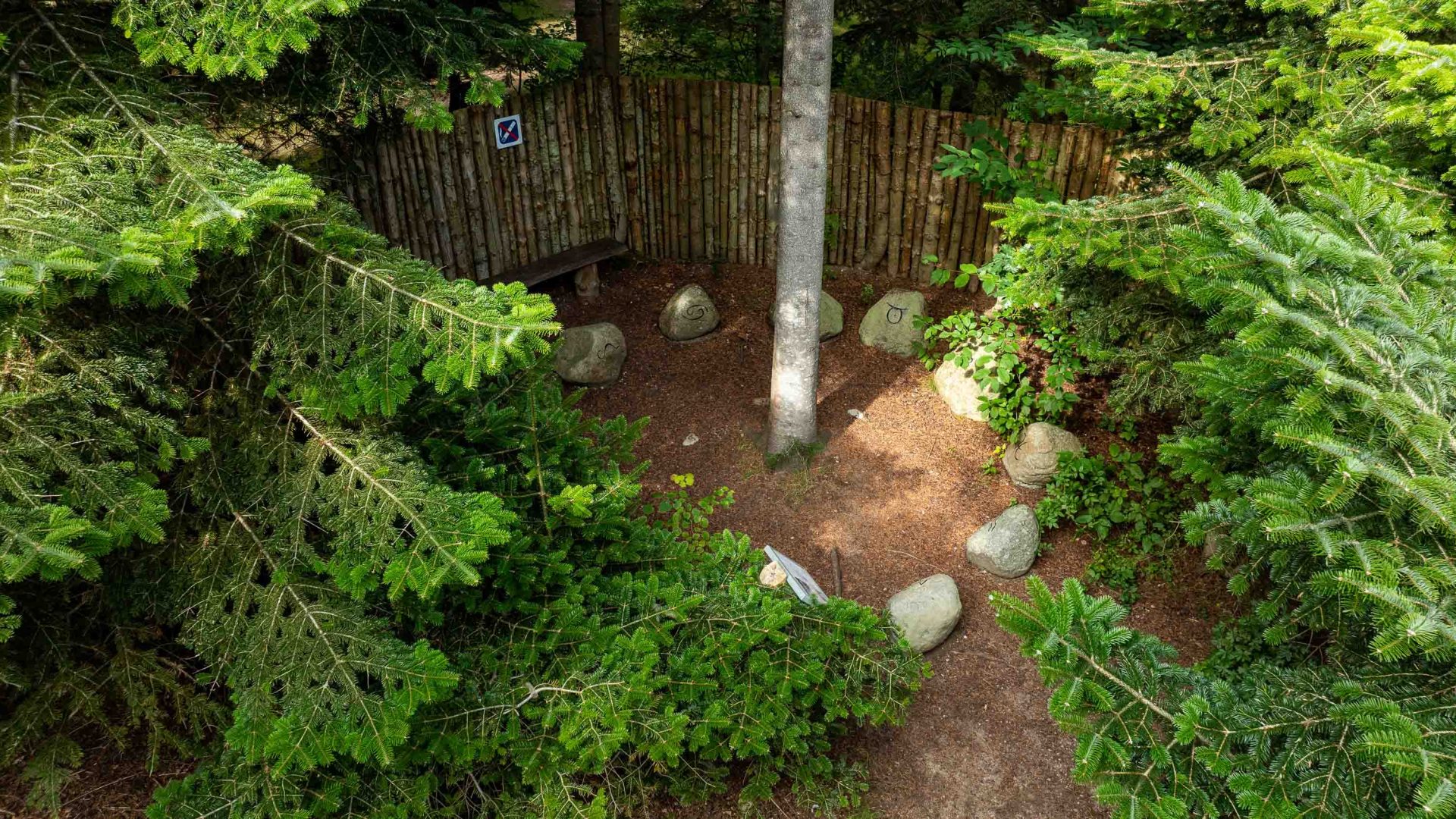
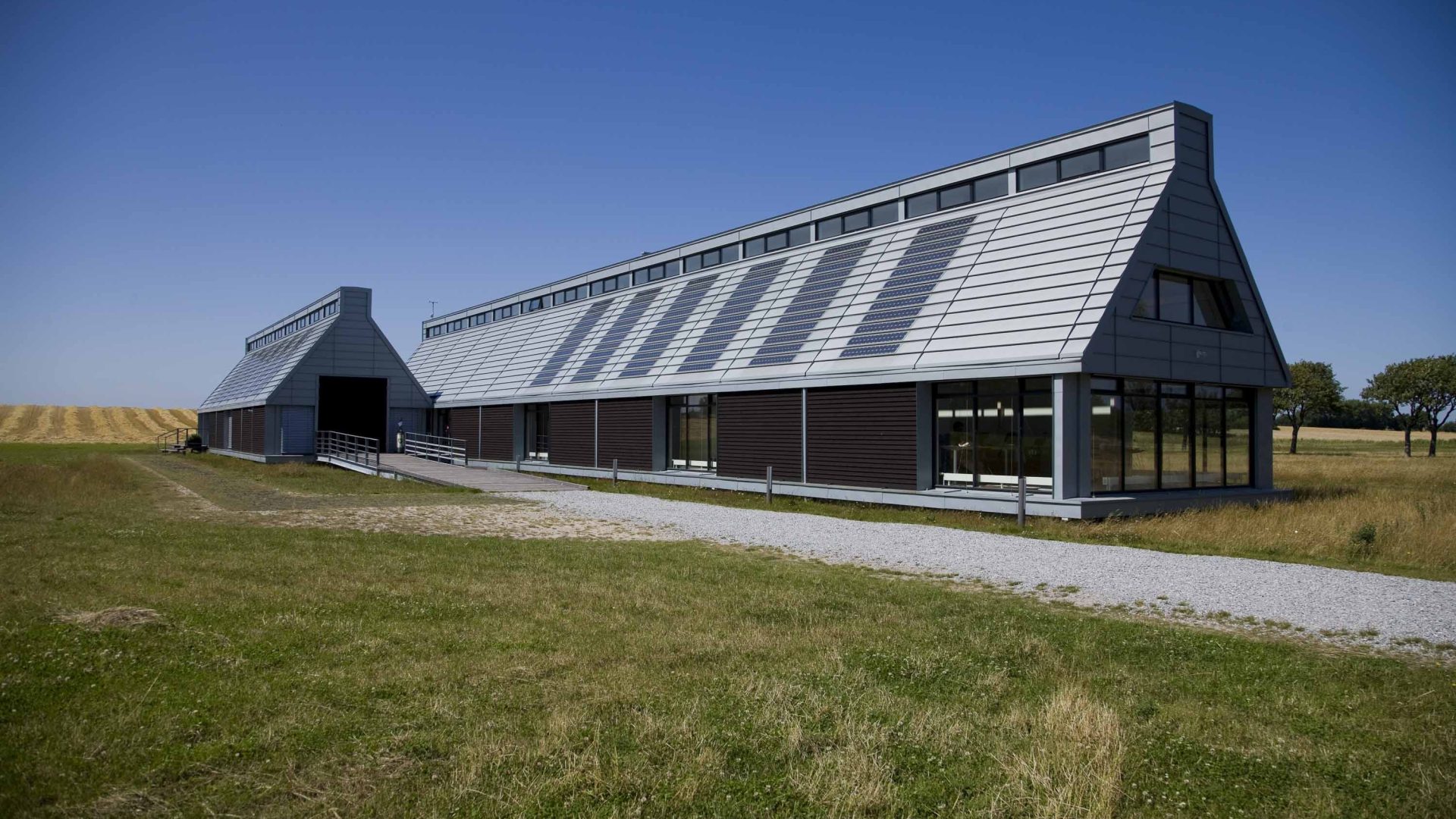
The establishment of the Samso Energy Academy in Ballen served as a pivotal turning point for education, research, and international outreach. Operating as a conference and research center dedicated to renewable energy and sustainable development, the Academy attracts researchers, policymakers, and international delegations seeking to understand Samso’s localized model of climate resilience. This influx of academic and professional opportunities encouraged younger residents to remain on the island or return after completing their studies abroad, injecting fresh vitality into local commerce and community life.
Concurrently, the island’s agricultural sector underwent a localized renaissance. Known historically as "The Pantry of Denmark" due to its fertile soil—a tradition underscored by the royal family traditionally reserving a portion of the island’s first potato harvest—Samso’s farmers began diversifying their output. Local establishments transitioned toward producing hyper-local goods, reducing the carbon footprint associated with long-distance food transport. What began as a small grocery initiative in Nordby offering merely four local items has expanded into a robust marketplace featuring artisan jams, rapeseed oils, berry preserves, and specialty spirits produced entirely on the island.
The Ecological Toll of Stone-Fishing
While Samso’s terrestrial carbon negative status became an international benchmark, the surrounding marine environment faced severe, long-term degradation that went largely unaddressed for decades. The primary driver of this decline was a commercial practice known as "stone-fishing."
Between 1900 and 2000, approximately 9.15 million tons (8.3 million cubic meters) of stone—roughly equivalent to the volume of eight Empire State Buildings—were harvested from Danish seabeds to be used for coastal defense infrastructure, harbor expansions, and building foundations. This large-scale removal of natural boulders stripped the seabed of complex rocky habitats, destroying the micro-environments essential for algae attachment, fish spawning, and crustacean shelter.
For long-term residents like Michael Kristensen, the impact was profound. "When I was a child, we could fish straight from the beach," Kristensen recalls. "As I grew older, I realized that this was no longer possible because marine habitats had been depleted by stone-fishing."
The Engineering and Implementation of BARREEF
Recognizing the urgent need to restore coastal biodiversity, Danish environmental authorities and marine researchers initiated projects to reconstruct submerged stone reefs. This initiative aligns with Denmark’s legally binding commitment to achieve net-zero carbon emissions by 2050, which includes enhancing natural carbon sinks such as marine vegetation and seabed ecosystems.
In recent years, marine scientists from institutions such as DTU Aqua (the National Institute of Aquatic Resources) have highlighted the dual ecological function of hard underwater structures. Beyond providing vital physical refuges for marine species like goby, wrasse, and various shellfish, subaquatic rocky structures contribute to carbon sequestration. These hard surfaces facilitate chemical processes wherein bicarbonate ions in seawater combine with calcium to form stable skeletal structures, effectively locking away carbon for extended periods.
To address both coastal erosion along a vulnerable stretch of gravel road on Samso’s southeastern coast and the historic depletion of marine life, the community spearheaded the creation of BARREEF. Located near the harbor village of Ballen, the project required meticulous planning and navigation of regulatory frameworks, mirroring the community-led consensus model utilized during the island’s energy transition.
The construction of BARREEF involved sourcing approximately 6,000 tonnes of granite waste from Norwegian quarries. Placed strategically off the coast, the artificial reef was designed to fulfill a three-pronged objective: mitigate wave-induced storm damage to coastal roads, reinstate diverse marine habitats, and create favorable conditions for the natural regrowth of vital seagrass meadows between the reef and the shoreline.
Early Results and Broader Implications
Although BARREEF was established primarily for ecological restoration rather than recreation—with sailing strictly prohibited in its immediate vicinity—early monitoring indicates significant positive outcomes. Underwater monitoring equipment and marine biologist surveys have already detected early stages of macroalgae colonization and the return of various fish species to the newly formed crevices.
The success of BARREEF underscores a broader shift in modern environmental management: the recognition that repairing historical ecological damage requires active, structural intervention rather than passive conservation alone. For Samso, the project reinforces its identity as a living laboratory for sustainability. By proving that a localized community can systematically reverse both carbon emissions and marine habitat destruction, Samso continues to provide a replicable framework for coastal regions worldwide facing parallel ecological and climatic challenges.