The Rise of Fat Pika Week: How High-Altitude Photographers and Climate Conservation Collided in the American West

In the unforgiving high-altitude ecosystems of the American West, where the treeline dissolves into jagged talus fields and alpine meadows, survival is a relentless mathematical equation of calories, endurance, and preparation. Weighing a mere six ounces and lacking the evolutionary luxury of hibernation, the American pika—a diminutive, rabbit-like lagomorph native to the high-altitude environments of North America—must wage a frantic, tireless war against the coming winter. As temperatures drop and deep snowpacks blanket their rocky mountain homes, pikas remain active beneath the surface, relying entirely on the provisions they amassed during the fleeting summer months.
To secure their survival through the freezing months, individual pikas execute a punishing schedule of up to one hundred foraging runs a day. Over the course of the summer, they meticulously cut, dry, and stack vegetation into towering stockpiles known locally as "haypiles." These impressive constructions can ultimately weigh up to 60 pounds—roughly 150 times the body weight of the animal that built them.
Yet, beyond their astonishing feats of alpine agriculture, these charismatic mammals have recently captured the public imagination in an entirely new way. Thanks to a grassroots digital campaign launched by wilderness photographer Deidre Denali Rosenberg, the pika has found itself at the center of an internet-driven conservation phenomenon: Fat Pika Week. Modeled after the National Park Service’s wildly popular Fat Bear Week at Katmai National Park and Preserve in Alaska, the annual online event celebrates the robust, plump silhouettes of well-fed pikas while drawing critical attention to the mounting threats facing fragile alpine ecosystems.
The Origins of Fat Pika Week
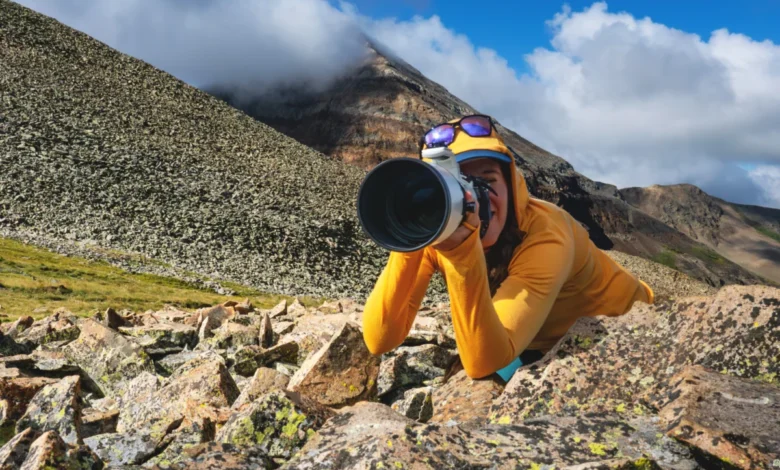
Deidre Denali Rosenberg’s affinity for the high alpine is rooted in more than a decade of professional fieldwork. As a wilderness photographer, Rosenberg has spent countless hours navigating the treacherous talus fields and remote mountain passes of the Four Corners region, which encompasses parts of Colorado, New Mexico, Arizona, and Utah. Over years of patient observation in these isolated environments, her relationship with the local wildlife evolved beyond that of a casual observer. By returning to the same boulder fields season after season, Rosenberg began recognizing individual pikas, charting their territories, and documenting their daily struggles and triumphs.
The turning point for Fat Pika Week occurred in the autumn of 2020. Following a series of extended photographic excursions through the high country, Rosenberg observed a striking biological trend: the pikas she encountered appeared notably heavier, sturdier, and rounder than those she had documented in previous years. Recognizing both the undeniable cuteness of these plump rodents and the broader ecological indicator of a successful foraging season, Rosenberg seized upon a creative communication strategy. She launched Fat Pika Week as a lighthearted digital campaign to showcase the animals’ pre-winter physique.
What began as a modest social media experiment quickly resonated with outdoor enthusiasts, wildlife biologists, and conservation advocates alike. By leveraging the internet’s appetite for charismatic megafauna—and in this case, microfauna—Rosenberg created an accessible, engaging vehicle for science communication. The playful bracket-style voting system, reminiscent of its Alaskan ursine counterpart, encouraged the public to critically evaluate the photographic evidence of competing pikas based on their robust winter preparations, thereby driving organic engagement with high-altitude ecology.
Biology and Behavior of the American Pika
To understand why a "fat" pika is a triumphant pika, one must examine the extreme physiological demands of life in the alpine zone. Scientifically classified as Ochotona princeps, the American pika is closely related to rabbits and hares, sharing their characteristic long ears, compact bodies, and herbivorous diet. However, unlike their lowland leporid relatives, pikas are exquisitely adapted to cold, rocky environments, typically residing at elevations above 8,000 feet.
The daily routine of an American pika during the spring and summer is characterized by relentless industry. Because they do not hibernate, their entire annual cycle is compressed into a narrow window of snow-free months. During this period, they must consume enough calories to maintain their basal metabolic rate while simultaneously harvesting and curing vegetation for their winter haypiles.
The process of creating a haypile is sophisticated. Pikas are selective herbivores, foraging on a diverse array of alpine wildflowers, grasses, and sedges. Crucially, they do not merely pile green vegetation into their rocky dens; they actively "cure" the plants by laying them out in the sun to dry before storing them deep within the protective crevices of the talus. This sun-drying process prevents the vegetation from spoiling or rotting under the snowpack, ensuring a nutrient-dense food supply that will sustain the pika through months of sub-zero temperatures.
A successful haypile is a direct reflection of habitat quality and individual fitness. Pikas that inhabit territories with abundant and diverse flora can accumulate heavier, more robust fat reserves and larger haypiles. Conversely, pikas in marginal or degraded habitats may struggle to meet these metabolic benchmarks, leaving them dangerously vulnerable to winter mortality.
Climate Change and the High-Alpine Crisis
While Fat Pika Week uses humor and visual appeal to draw audiences in, the underlying scientific narrative is rooted in urgency. The American pika is increasingly recognized by wildlife biologists and conservation scientists as a crucial indicator species for climate change. Because pikas are physiologically adapted to cold, stable alpine climates, they possess a very narrow thermal tolerance. In fact, an adult pika can suffer fatal hyperthermia if exposed to ambient temperatures above 78°F (25°C) for even a brief period, particularly if they are trapped beneath rocks or unable to retreat into cool subterranean microclimates within the talus.
The vulnerabilities of Ochotona princeps are compounded by shifting precipitation patterns across the American West. Historically, deep and reliable winter snowpacks have acted as an essential thermal blanket for pikas, insulating them from extreme surface cold and allowing them to move freely beneath the snow to access their haypiles. However, rising global temperatures have led to reduced snowpacks, erratic winter thaws, and prolonged summer drought conditions.
When winter snowpacks diminish prematurely, pikas are left exposed to severe cold snaps without adequate insulation, leading to increased mortality rates. Simultaneously, summer droughts can severely stunt the growth of alpine vegetation, reducing the availability and nutritional quality of the plants pikas rely on for both immediate energy and winter food storage.
As a result of these compounding environmental stressors, wildlife researchers have documented localized extirpations of pika populations across parts of the Great Basin and the American Southwest. Populations are progressively being forced to migrate to higher elevations—a phenomenon known as "range contraction." Eventually, as mountain peaks reach their limits, these populations run out of upward habitat, facing what scientists describe as an "escalator to extinction."
Amplifying Conservation Through Digital Media
The success of outreach campaigns like Fat Pika Week highlights a broader evolution in modern wildlife conservation. Traditional academic reports and dense scientific literature, while essential for policy and management, frequently struggle to capture the public’s sustained attention. By contrast, digital storytelling that combines aesthetic appreciation with accessible data can mobilize thousands of citizens to care about ecosystems they may never personally visit.
Through platforms utilized by nature photographers and conservation advocates, Fat Pika Week bridges the gap between public amusement and ecological education. When participants vote on which pika has achieved the most impressive pre-winter bulk, they are simultaneously exposed to educational content detailing the intricacies of talus ecology, the mechanics of haypile construction, and the tangible threats posed by a warming planet.
Conservation biologists note that public engagement of this scale plays a critical role in shaping grassroots support for environmental protections. Increased awareness often translates into heightened advocacy for public lands management, reductions in regional greenhouse gas emissions, and increased funding for longitudinal wildlife monitoring programs in remote alpine regions.
Broader Implications and Future Outlook
The trajectory of Fat Pika Week reflects a growing trend of utilizing viral digital marketing frameworks to advocate for vulnerable, lesser-known species. While apex predators like grizzly bears have historically dominated conservation campaigns, campaigns celebrating microfauna demonstrate that public affection can be successfully channeled toward smaller, equally critical components of biodiversity.
As the impacts of global climate change continue to intensify across western mountain ranges, the plight of the American pika remains a stark reminder of the fragility of alpine ecosystems. The talus fields of the Four Corners region and beyond are not static landscapes; they are dynamic, highly sensitive environments where every six-ounce pika plays an active role in maintaining the ecological balance.
Through the ongoing documentation by photographers like Deidre Denali Rosenberg and the widespread public participation generated by events like Fat Pika Week, the humble pika has transitioned from a quiet, easily overlooked resident of the high country to a prominent ambassador for climate resilience. As winter approaches and another generation of pikas labors furiously across the rocky slopes to stack their massive haypiles, their robust forms serve as both a testament to their evolutionary resilience and a persistent call to action for the preservation of their fragile mountain homes.