The Ultimate Guide to Connecting Across Borders: Navigating eSIM Technology and Mobile Data Plans for European Travel in 2024


The landscape of international travel connectivity has undergone a profound transformation over the past several years, shifting away from traditional physical SIM cards toward embedded electronic SIM, or eSIM, technology. For decades, international travelers landing at European airports faced the tedious ritual of hunting down kiosks to purchase physical prepaid SIM cards, swapping out tiny plastic chips with specialized metal ejector tools, and meticulously storing their home country’s SIM card to avoid losing it. Today, the proliferation of eSIM-compatible smartphones has streamlined this process, allowing globe-trotting tourists and business professionals alike to download digital profiles and connect to major European telecommunications networks before their flight even departs.

Understanding the Mechanics of eSIM Technology
An eSIM is not a physical object that can be touched or misplaced; rather, it is a tiny programmable chip permanently built directly into the motherboard of modern smartphones, tablets, and smartwatches. When a user purchases a digital data plan online, they receive a Quick Response (QR) code via email or through a dedicated mobile application. Scanning this code downloads the carrier profile directly onto the device’s secure hardware.

This digital architecture offers unprecedented flexibility, particularly the capability of dual-SIM functionality. Modern devices, including recent iterations of Apple’s iPhone and major Android flagships from Samsung and Google, allow users to maintain their primary domestic phone number active while simultaneously running a secondary regional data plan. This dual-active status ensures that travelers continue to receive critical multi-factor authentication codes from banking institutions, urgent text messages, and fraud alerts from domestic service providers without incurring exorbitant international roaming fees.
Evaluating Domestic Carriers Versus Third-Party Providers

When planning connectivity for a European itinerary, travelers generally face a choice between retaining their domestic mobile carrier’s international add-on packages or purchasing a prepaid regional eSIM from a specialized third-party provider. Major North American operators—such as AT&T, Verizon, and T-Mobile—frequently market international travel add-ons, but these services come with distinct financial and technical drawbacks.
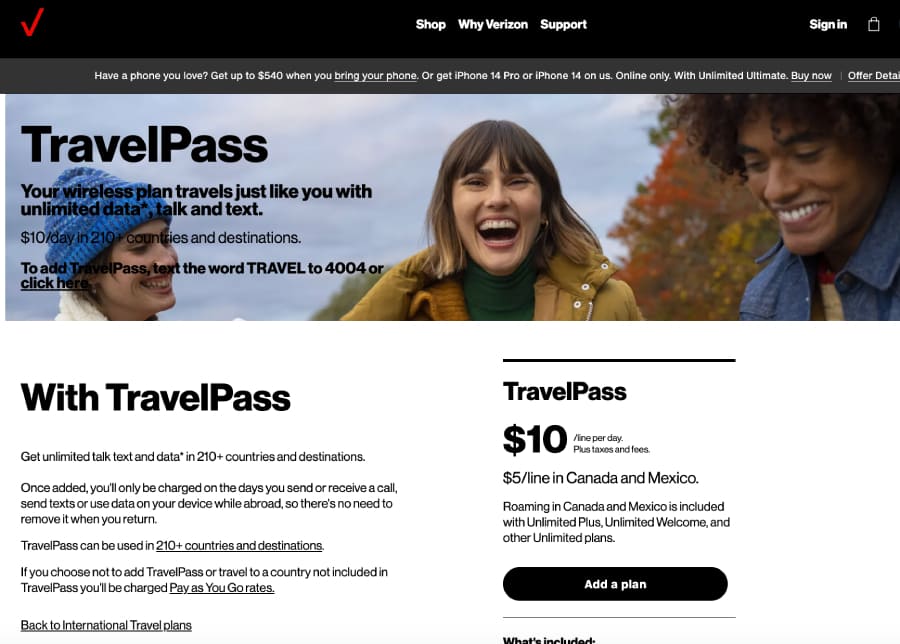
For instance, standard daily international passes offered by major US carriers typically range around $10 per day, which can accumulate rapidly over a multi-week vacation. Furthermore, these plans often impose strict throttling limits. Some providers reduce data speeds to sluggish 3G networks after the consumption of just two gigabytes per day, while others advertise "unlimited" international data that drops to virtually unusable 2G speeds after a five-gigabyte cumulative threshold is reached. Such throttled speeds present significant friction when attempting to load real-time navigation tools, translate foreign languages, or access digital transit passes.
Conversely, specialized third-party eSIM retailers and European network operators offer prepaid data bundles that cost a fraction of traditional carrier add-ons—frequently averaging between $2.50 and $5.00 per day. Industry analysts note that these prepaid packages typically provide high-speed 4G LTE and 5G connectivity running directly on native European infrastructure, bypassing the artificial speed caps often imposed by home-country networks.
The Modern Necessity of Mobile Data in Europe

While past generations of travelers could comfortably navigate foreign cities using paper guidebooks and physical maps, the contemporary European infrastructure relies heavily on continuous internet connectivity. The widespread adoption of digitalization across the European Union means that high-speed mobile data has transitioned from a luxury convenience to an absolute travel necessity.
Public transportation systems in major European hubs—such as the Paris Métro, the Berlin U-Bahn, and London’s Underground—increasingly utilize digital ticketing systems, real-time schedule adjustments, and app-based validations. Furthermore, the post-pandemic hospitality industry across the continent has largely abandoned traditional printed menus, universally shifting toward QR code-based menu access and digital payment gateways at dining establishments. Additionally, rideshare applications like Uber, localized micro-mobility rentals for electric scooters, and digital museum entry reservations all demand reliable, high-speed cellular data to function efficiently.
Prominent eSIM Options and Regional Carriers
Since the European Union officially outlawed internal mobile data roaming fees among member states years ago, a data plan purchased from a carrier based in one EU nation can be used seamlessly across other participating European territories without incurring additional charges. Consequently, travelers can purchase a French, Spanish, or German eSIM profile and utilize it across multiple countries during a multi-destination trip.

Several standout providers dominate the current European eSIM market, each catering to different usage profiles and trip durations:
-
Orange Holiday Europe Plans
Operated by Orange, one of Europe’s premier telecommunications conglomerates, these plans are widely regarded for providing robust network coverage and rapid data speeds.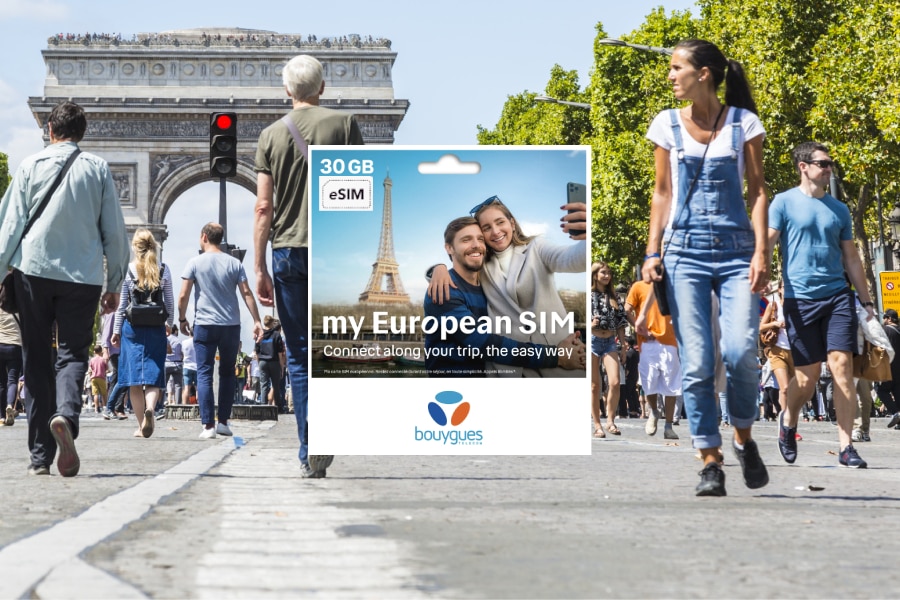
- The Orange Holiday Europe 30GB Plan: Valid for 14 days, this option provides 30 gigabytes of high-speed data, unlimited voice calls and text messages within Europe, and a designated French phone number that remains functional across the continent.
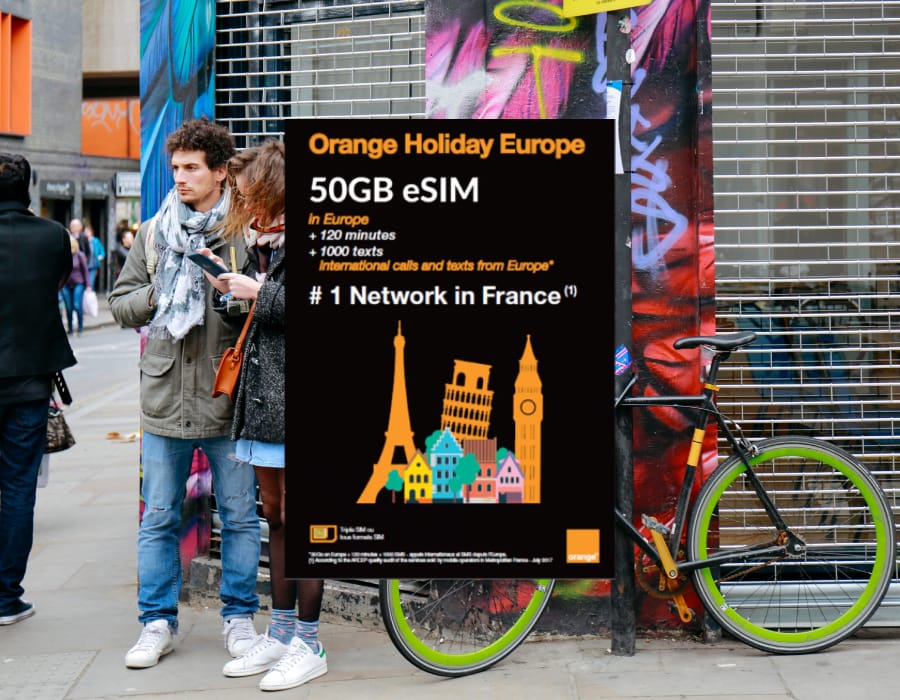
- The Orange Holiday Europe 50GB and 70GB Plans: Designed for heavier data consumers or extended itineraries, these packages extend validity periods to 28 days while retaining full voice, text, and mobile hotspot sharing capabilities.
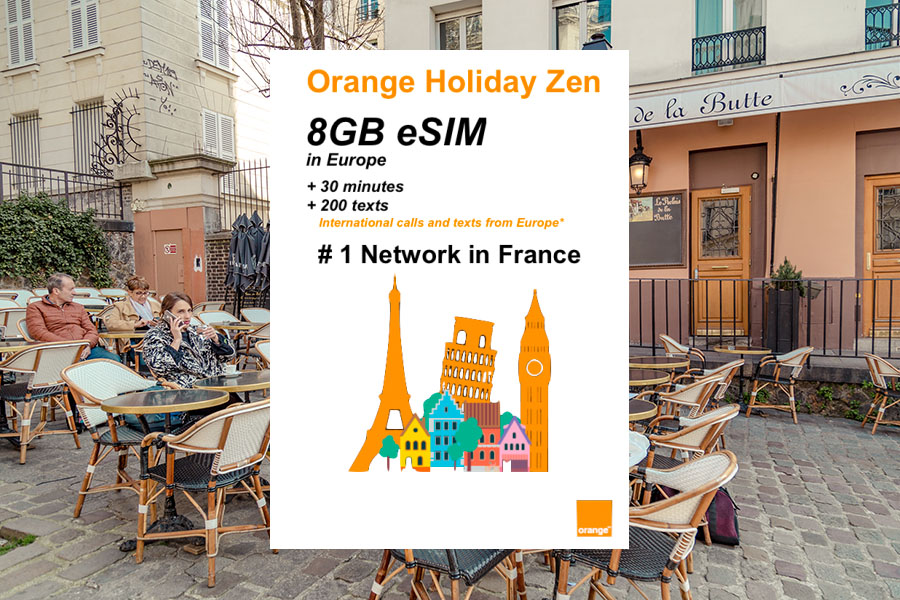
- The Orange Holiday Zen Plan: A more modest alternative offering 15 gigabytes of data with a 14-day validity window, tailored for moderate users who still require traditional voice and text capabilities.
-
Holafly Unlimited Data Plans
Holafly has carved out a distinct market niche by offering truly unlimited data packages across customized durations ranging from 1 to 90 days. Unlike volume-capped competitors, Holafly users do not need to monitor gigabyte consumption. However, users should note that these plans are primarily data-only and typically restrict or limit mobile hotspot tethering to other devices, making them ideal for solo travelers focused strictly on individual smartphone usage. -
Bouygues Telecom My European eSIM
As a major French competitor to Orange, Bouygues offers a competitive 30-day plan featuring 30 gigabytes of data alongside unlimited calls within Europe. This plan serves as a robust middle-ground alternative for visitors taking extended European tours who require voice capabilities alongside reliable data volumes.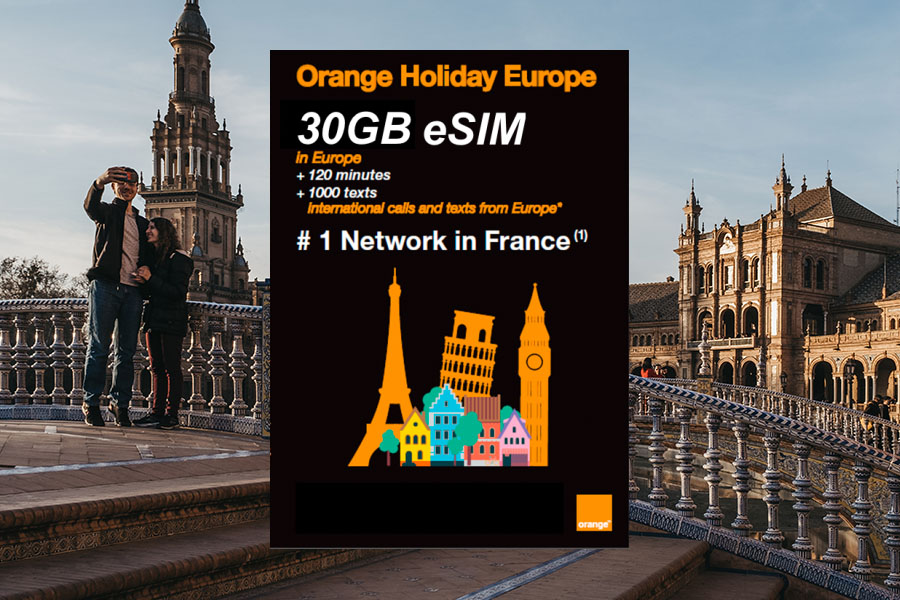
-
Data-Only and International Reseller Plans
Providers such as SimOptions also offer international reseller profiles—such as the Smart Comfort X eSIM—which function as multi-network aggregators rather than being tied to a single carrier. These budget-oriented, data-only plans connect to whichever partner network offers the strongest signal in a given location. However, travelers should verify specific territorial inclusions, as regional exceptions such as Switzerland and the United Kingdom—neither of which are EU members—may occasionally require specialized network routing or incur distinct roaming rules.
Technical Prerequisites and Device Compatibility
Before purchasing an eSIM, travelers must verify two critical technical requirements: device compatibility and network unlocking.
While virtually all smartphones manufactured from 2020 onward natively support eSIM architecture, older models may lack the necessary hardware. Notably, cellular regulatory environments have also evolved; all iPhone models sold within the United States starting with the iPhone 14 generation have completely eliminated the physical SIM card tray, operating exclusively on dual eSIM technology. Conversely, international variants of the same smartphone models continue to support a hybrid configuration featuring both a physical SIM slot and digital eSIM capabilities.

Furthermore, the smartphone must be "carrier unlocked." Many domestic cellular providers lock devices to their proprietary networks via software until financing contracts are fulfilled. Travelers must contact their home provider well in advance of departure to request an official unlock, ensuring the device can accept foreign network profiles.
Strategic Guidelines for Optimizing Data Usage Abroad

To maximize efficiency and prevent unintended data exhaustion while traveling in Europe, digital connectivity experts recommend adopting several practical device management strategies:
- Pre-Installation: Purchase and install the eSIM profile while still at home utilizing a stable Wi-Fi connection, ensuring that final activation is delayed until arrival at the European destination to preserve the validity countdown window.
- Offline Navigation: Download offline map regions via applications like Google Maps prior to departure. Because device GPS tracking functions independently of cellular data, offline maps provide reliable navigation even in subterranean transit stations or remote rural areas.
- Application Restrictions: Utilize device settings to block background data refreshing for non-essential applications, reserving high-bandwidth activities—such as video streaming or cloud photo backups—for secure Wi-Fi networks found in hotels and accommodations.
- Communication Apps: Rely on data-driven messaging platforms like WhatsApp for local communications, as many European businesses, boutique hotels, and property hosts utilize these services as their primary means of client contact.
Economic Implications and Market Outlook

The rapid transition toward eSIM adoption reflects a broader consumer demand for frictionless, contract-free digital services within the global tourism sector. By disintermediating traditional brick-and-mortar retail stores and removing physical shipping logistics, digital eSIM providers have introduced intense price competition that directly benefits international consumers. As telecommunications infrastructure continues to modernize across emerging travel markets globally, industry analysts project that physical SIM card slots will eventually phase out entirely, cementing embedded digital connectivity as the undisputed global standard for modern mobile communication.