Morocco serves as the primary gateway between the African continent and Europe, acting as a geopolitical and cultural bridge that facilitates a robust network of travel, trade, and tourism. While many international visitors view the Kingdom as a singular destination, its geographic position at the crossroads of the Mediterranean and the Atlantic allows for remarkably seamless multi-country itineraries. By leveraging high-frequency maritime routes, a dense network of regional air travel, and historic overland passages, travelers can integrate the diverse landscapes of Spain, the Canary Islands, the British territory of Gibraltar, and the Saharan regions into a comprehensive North African and Mediterranean experience.
The integration of these regions is underscored by historical trade routes that have linked the Maghreb to the Iberian Peninsula for centuries. Today, this connectivity is modernized through advanced logistics, ferry services that transport thousands of passengers daily, and budget-friendly aviation corridors that reflect the deepening ties between Morocco and the European Union.
The Maritime Corridor: Bridging the Strait of Gibraltar
The most significant transit link in the region is the Strait of Gibraltar, a narrow waterway separating the northernmost tip of Morocco from southern Spain. At its narrowest point, the strait is only 14 kilometers (roughly nine miles) wide, making it one of the world’s most accessible intercontinental crossings.

Maritime traffic between Morocco and Spain has seen a steady increase in volume over the last decade. Operators such as FRS, Balearia, and Trasmediterránea maintain daily schedules connecting the Moroccan ports of Tangier Med and Tangier Ville to the Spanish hubs of Algeciras and Tarifa. Data from the Port of Tangier Med indicates that the ferry sector is a critical component of regional mobility, accommodating not only leisure travelers but also a significant volume of commercial logistics.
From a regulatory standpoint, the crossing is highly standardized. Citizens of the United States, the United Kingdom, Canada, and the European Union typically enjoy visa-free access to both nations for tourism, provided they hold a passport valid for at least six months. This bureaucratic simplicity encourages a "twin-destination" travel model, where tourists can experience the medieval medinas of Fez or the vibrant souks of Marrakech before concluding their journey in the historic Andalusian cities of Seville, Cordoba, or Malaga.
Autonomous Territories and Unique Geopolitical Enclaves
A peculiar feature of the Morocco-Spain border is the presence of the Spanish autonomous cities of Ceuta and Melilla. Situated on the North African coast, these territories are physically located on the African continent but are politically integral parts of Spain and, by extension, the European Union.
The transition from Morocco into Ceuta or Melilla involves a formal international land border crossing, complete with passport control and customs regulations. For the traveler, this offers a unique juxtaposition: one can walk through a Moroccan city and, within minutes, cross a threshold into a territory where the Euro is the currency and the architectural and administrative norms are distinctly European. While these border points have historically experienced periods of high traffic and occasional administrative delays, they remain essential conduits for local commerce and tourism.

The Canary Islands: A Strategic Atlantic Extension
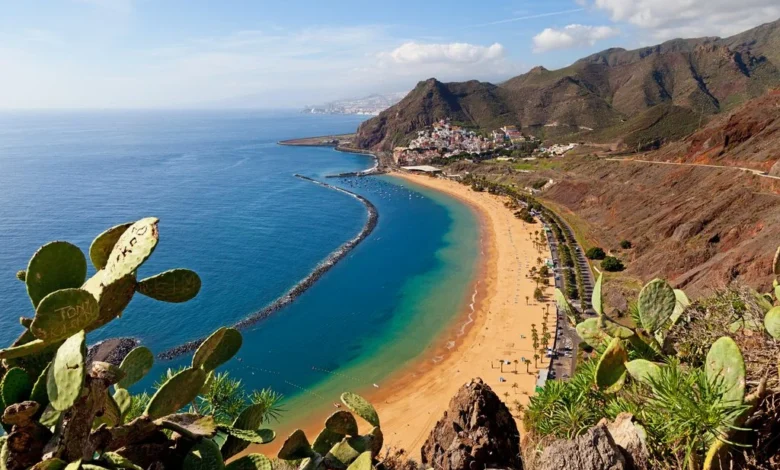
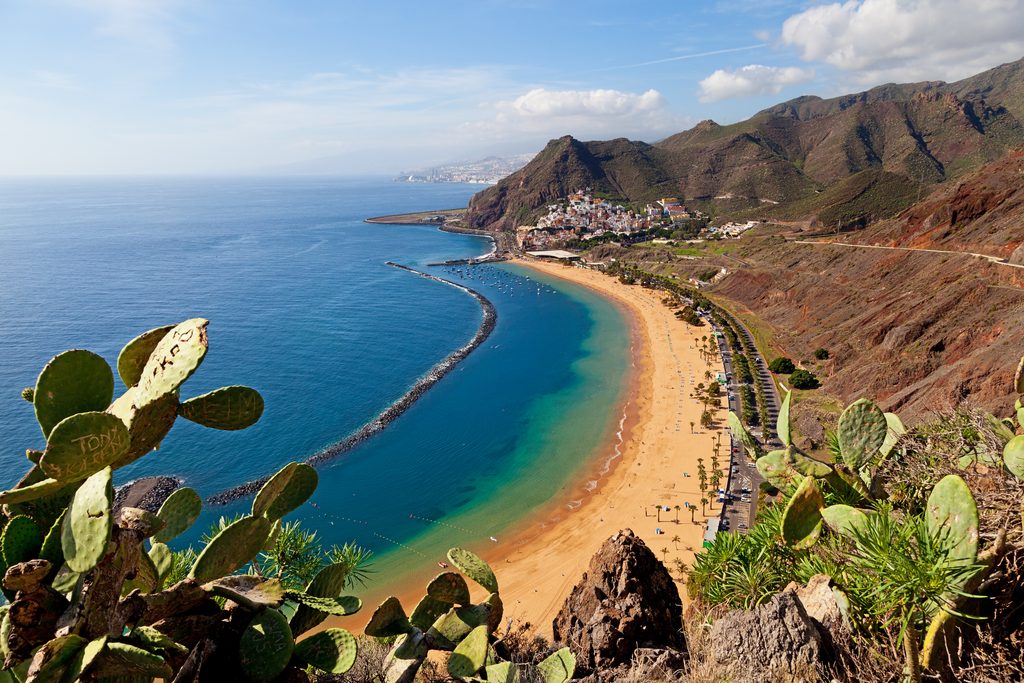
Further south, the Spanish Canary Islands—comprising Tenerife, Gran Canaria, Lanzarote, and Fuerteventura—sit in the Atlantic Ocean, closer to the coast of Morocco than to the Spanish mainland. The archipelago has become a popular secondary destination for those touring Morocco, particularly due to the rise of regional budget air carriers.
The climatic contrast is a primary driver for this tourism trend. While Morocco offers arid desert landscapes and rugged mountain ranges, the Canary Islands provide a subtropical volcanic environment. Direct flights from Casablanca and Marrakech to Las Palmas or Tenerife have curtailed travel times significantly, allowing for a multifaceted trip that combines the cultural depth of the Maghreb with the resort-oriented hospitality of the Spanish islands.
Gibraltar: A British Legacy at the Mediterranean Gate
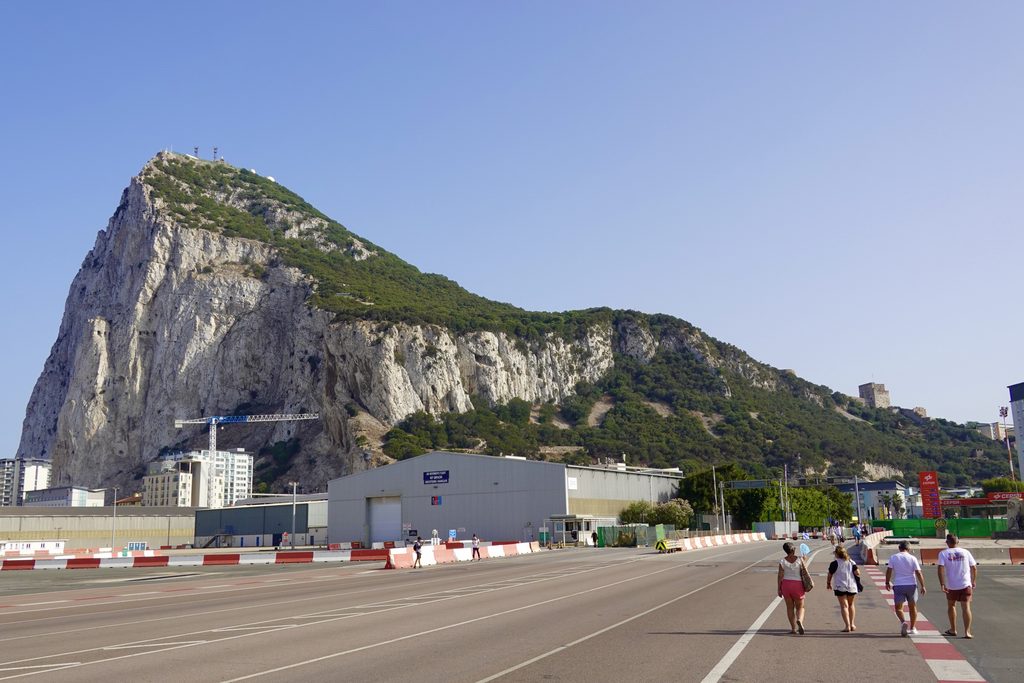
The British Overseas Territory of Gibraltar offers a stark contrast to the surrounding Mediterranean landscapes. Connected to Spain by a land border and linked to the broader region by maritime and air access, "The Rock" serves as a historical and cultural anomaly. For travelers, it represents a unique opportunity to visit a jurisdiction that retains British legal and cultural frameworks while being nestled at the southern tip of the Iberian Peninsula.
The logistical implications of visiting Gibraltar from Morocco usually involve traveling to Spain first and then crossing the land border at La Línea de la Concepción. Despite its small size, Gibraltar’s strategic position makes it a hub for maritime trade and a popular destination for those interested in the history of the British Empire, limestone cave systems, and the famous Barbary macaques.
Navigating the Southern Frontier: Western Sahara and Mauritania
Travel into the Western Sahara and further into Mauritania represents a shift from mainstream tourism to expeditionary travel. Morocco administers the majority of the Western Sahara, with cities like Dakhla serving as global hotspots for kitesurfing and water sports.
However, the region requires a higher degree of planning. While major coastal cities are stable, the remote nature of the terrain and the presence of disputed territorial lines necessitate that travelers remain informed of their respective home country’s diplomatic advisories.
Extending a trip into Mauritania is an endeavor reserved for the experienced traveler. The border crossing at Guerguerat is the primary gateway for those moving south from Western Sahara. This journey takes one through the vast, sparsely populated regions of the Sahara, offering access to ancient caravan towns and the immense silence of the desert. Because of the geopolitical complexities and the remote, often harsh environment of the Sahel, travelers are strongly advised to secure all necessary visas in advance and to utilize reliable, experienced local transport services.
Geopolitical Realities: The Morocco-Algeria Border
While the regional network is robust, it is not without significant disruptions. The land border between Morocco and Algeria has remained entirely closed since 1994. This closure, rooted in long-standing diplomatic tensions, means that there is no possibility of overland transit between the two nations. Furthermore, direct flights between the two countries are currently suspended.
The implication for the regional traveler is clear: a "Grand North Africa" tour that includes both Morocco and Algeria is not possible through direct routing. Those wishing to visit both must plan for a third-country connection, usually via European hubs like Paris or Madrid, or through other North African transit points like Tunisia. This constraint serves as a reminder that travel in the region is subject to the evolving state of international relations.
Analytical Summary of Regional Implications
The ability to move fluidly between Morocco and its neighbors is a testament to the region’s long-standing role as a crossroads of civilization. From a macro-economic perspective, this connectivity supports a tourism industry that is increasingly integrated, allowing for diverse experiences that span continents.
For the individual, the primary takeaway is the importance of logistical preparedness. While the Strait of Gibraltar is easily crossed, and the flight networks are efficient, the southern frontiers and the specific status of the Spanish enclaves require attention to detail.
The future of travel in this region is likely to see further integration, particularly as regional infrastructure projects—such as potential high-speed rail expansions and improved port logistics—continue to develop. As global travelers seek more immersive and cross-cultural experiences, the ability to transition seamlessly from the bustling markets of Marrakech to the historic streets of Seville or the volcanic shores of the Canaries will remain one of the most compelling features of a North African itinerary. By understanding the geography, the regulatory requirements, and the political boundaries of the region, the modern traveler can unlock a breadth of experience that defines this historic and dynamic corner of the world.