The Ultimate Family Guide to Barcelona Beaches: Where to Go, Safety, and Essential Tips for Travelers

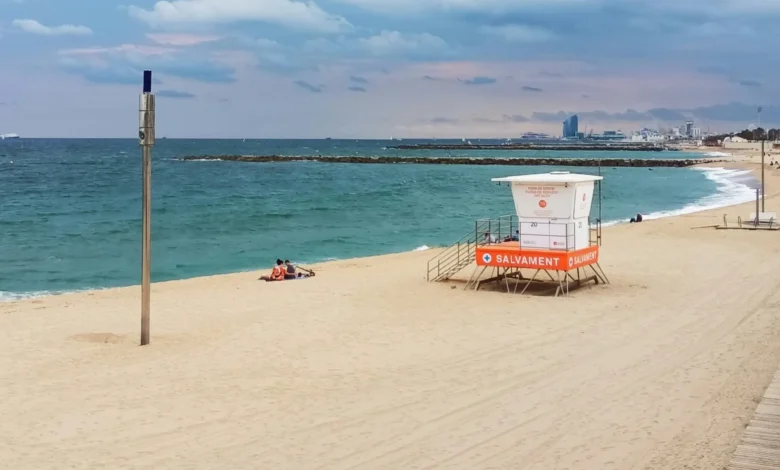
One of Barcelona’s defining geographical advantages is its seamless blend of cosmopolitan culture and Mediterranean coastline. Visitors can spend the morning exploring the architectural masterpieces of Antoni Gaudí, wandering through the labyrinthine alleys of the Gothic Quarter, or touring world-class museums, and transition directly to sandy shores by lunchtime. Stretching for roughly three miles, Barcelona’s urban beachfront offers a dynamic mix of accessibility, lively atmospheres, and municipal infrastructure. However, because these stretches of sand serve millions of residents and tourists annually, navigating them successfully requires a strategic approach, particularly for families traveling with children, toddlers, or teenagers.
Understanding the Urban Coastline and Chronology of Development
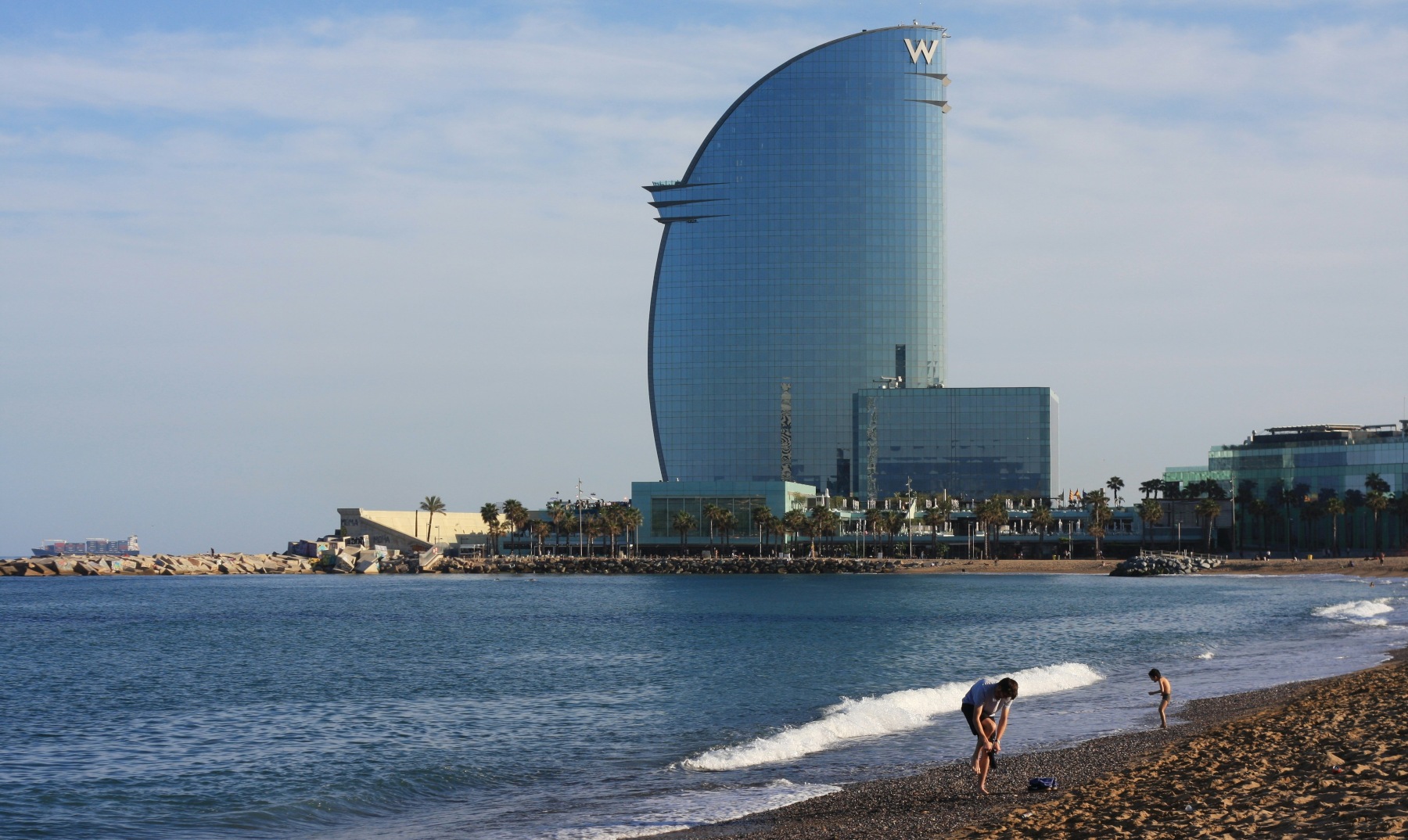
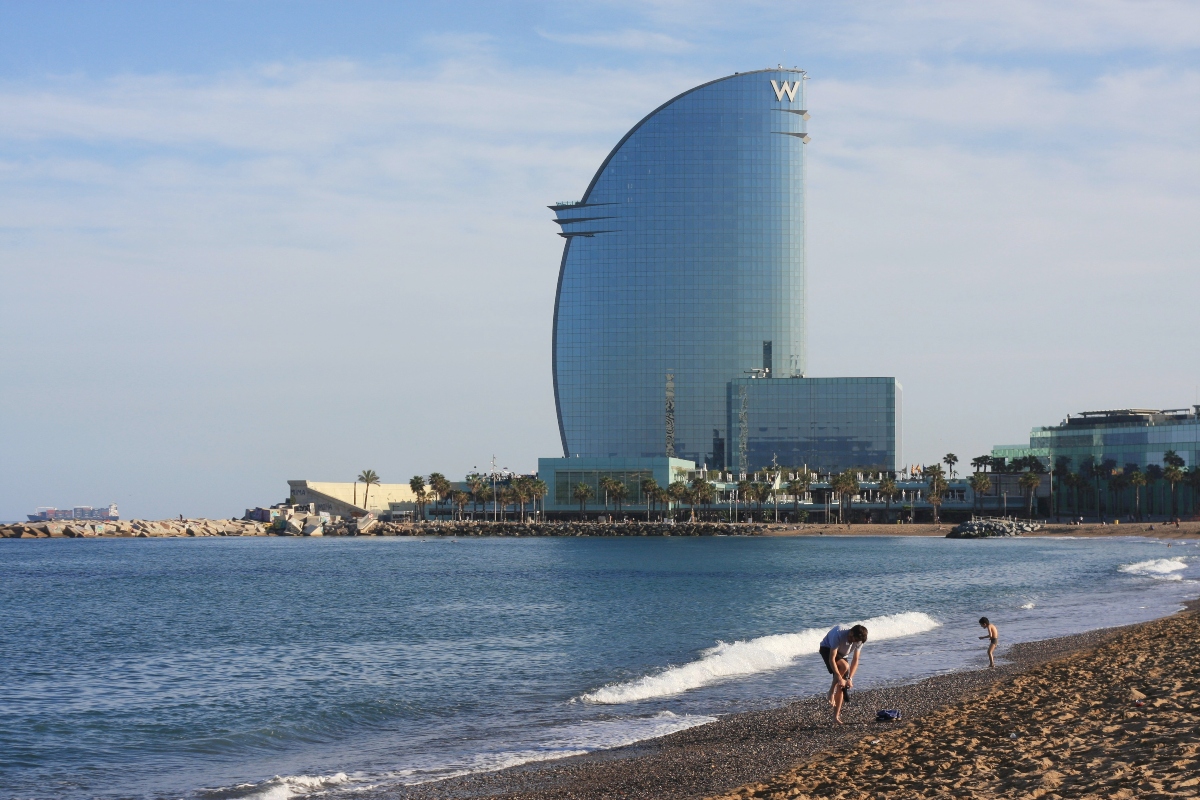
Geographically, Barcelona’s beachfront runs in a southwest-to-northeast orientation, starting near the iconic W Barcelona hotel—architecturally styled to resemble a giant ship’s sail—and terminating north toward the Fòrum district. Historically, Barcelona’s relationship with its coastline has undergone a radical transformation. Prior to the 1992 Olympic Games, the city’s waterfront was largely an industrial zone dominated by warehouses, factories, and railway lines, cutting off residents from the Mediterranean Sea.
The radical revitalization project ahead of the 1992 Summer Olympics permanently altered the city’s layout. Industrial structures were cleared, artificial beaches were engineered and replenished with sand imported from marine reserves, and a continuous pedestrian and cycling promenade was constructed. This multi-million-euro urban renewal project successfully integrated the Mediterranean into the daily fabric of urban life. Today, the coastline is divided into distinct zones, each managed by the city council and tailored to different demographics, ranging from quiet, family-oriented stretches to high-energy social hubs and sports-centric venues.
Comprehensive Beach-by-Beach Guide for Families
Navigating the three-mile stretch requires understanding the specific character of each municipal beach. Municipal authorities ensure that during the official bathing season—typically spanning from late spring through mid-September—all sections are heavily serviced with lifeguards, public restrooms, outdoor showers, beach cafés, sunbed and umbrella rentals, and designated accessible zones. Patrons are legally permitted to use restrooms located inside beach cafés (chiringuitos) along the sand without being required to make a purchase.
Sant Sebastià: Low-Key and Ideal for Young Children
Situated immediately adjacent to the W Barcelona hotel, Sant Sebastià is one of the city’s oldest and most historically significant beach areas. Positioned near the distinctive green glass Desigual building, this zone features several high-end and family-friendly dining establishments, allowing visitors to combine a few hours by the sea with a meal.
For families with young children, Sant Sebastià is advantageous due to its wide shoreline. Under calm meteorological conditions, the gradient entering the water is gradual, minimizing sudden drop-offs. Nevertheless, safety officials continually emphasize the necessity of checking posted warning flags and consulting lifeguards before entering the water, as Mediterranean currents and weather conditions can shift rapidly. Furthermore, the area hosts paddleboard rental operators, catering to families with older children and teenagers seeking structured aquatic activities.
Barceloneta and Somorrostro: High-Energy and Central Hubs
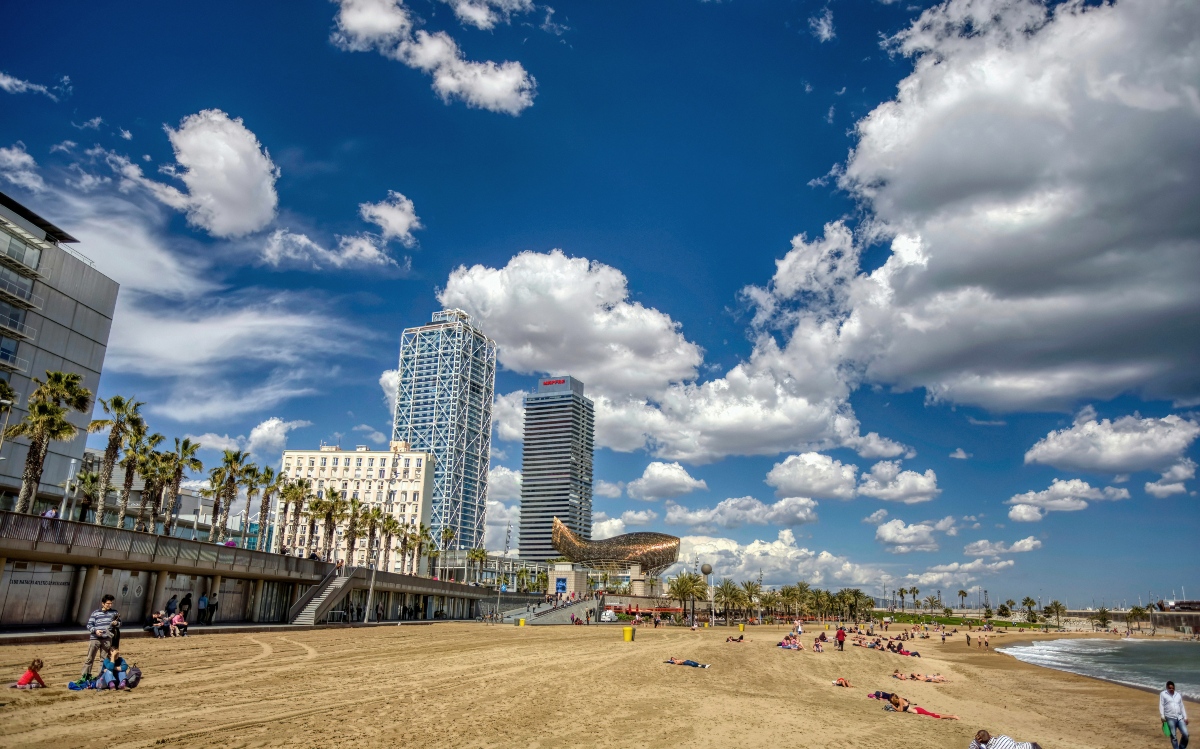
Continuing northeast past Sant Sebastià brings visitors to Barceloneta beach and the adjacent Somorrostro stretch, which leads toward the Port Olímpic and the twin Hotel Arts and Mapfre towers. This is arguably the most famous and heavily trafficked coastal sector in Barcelona. While it offers a vibrant, highly energetic atmosphere, local family travel experts generally advise caution for parents traveling with very young children.
The demographic profile of Barceloneta and Somorrostro tends to skew younger and more social, particularly during the late afternoon and evening hours. During peak summer months, congestion levels are exceptionally high. Families seeking to experience the classic urban beach atmosphere of Barcelona are advised to arrive early in the morning and depart prior to peak heat and crowd hours.
Nova Icària: The Premier Destination for Young Families
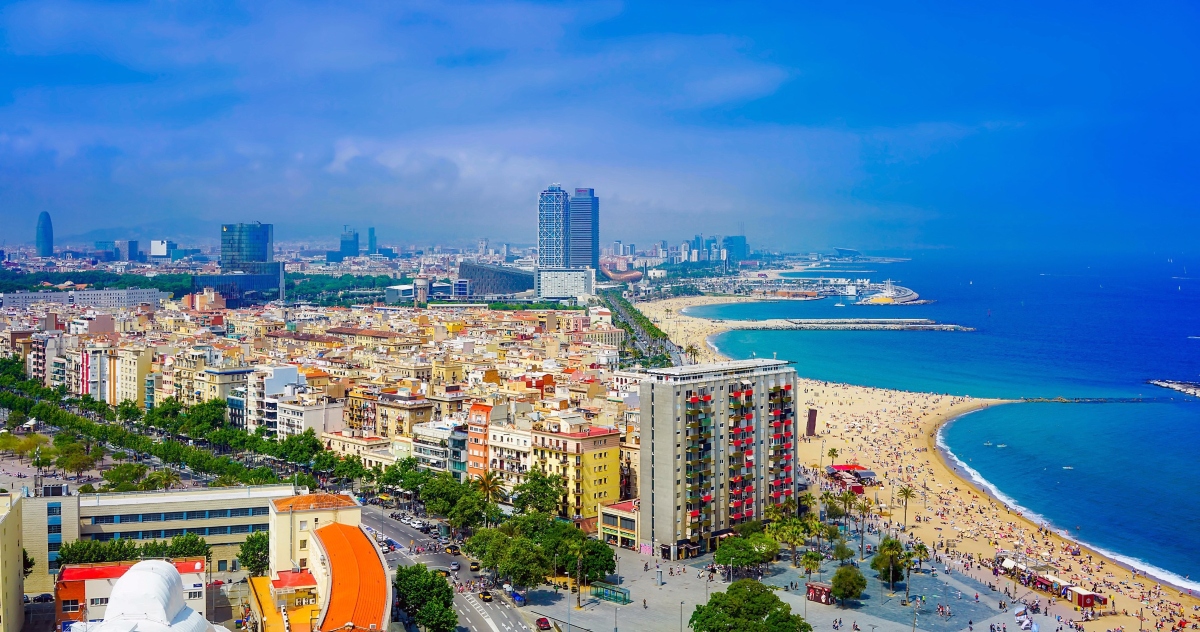
North of Port Olímpic lies Nova Icària, widely regarded by urban planners and family travel specialists as one of the premier beach locations for families with young children. Nova Icària offers a significantly calmer, more manageable environment than central Barceloneta while remaining highly accessible via public transportation.
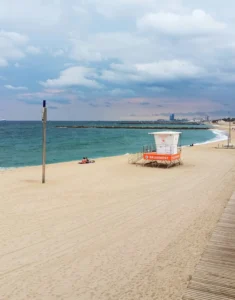
The beach is characterized by a wide expanse of fine sand and a gentle wave climate. Crucially for parents utilizing strollers or travelers with reduced mobility, Nova Icària features extensive wooden boardwalks and specialized municipal beach services during the swimming season, ensuring barrier-free access from the promenade to the shoreline.
Bogatell: Spaciousness and Local Culture
Further north, Bogatell provides an alternative option for families seeking a less congested environment. Spanning a wider surface area than Barceloneta, Bogatell attracts a more local demographic, drawing recreational swimmers, volleyball players, cyclists utilizing the adjacent greenway, and families planning extended beach excursions.
Equipped with comprehensive infrastructure—including chiringuitos, seasonal sunbed rentals, restrooms, and lifeguard stations—Bogatell offers ample space for families to spread out without feeling overwhelmed by dense crowds.
Mar Bella: Tailored for Teenagers and Active Sports
Mar Bella presents an open, sports-oriented atmosphere well-suited for families with teenagers. The proximity of the Mar Bella skate park allows adolescents to combine water-based recreation with skateboarding and other action sports.
However, visitors must note that Mar Bella officially accommodates naturist and LGBTQ+ beach cultures as part of Barcelona’s broader commitment to inclusive public spaces. While this cultural openness is standard for European coastal cities, family travel planners recommend that parents familiarize themselves with this dynamic in advance to determine alignment with personal comfort levels.
Essential Logistics: Sunbeds, Shade, and Accessibility
Urban planning guidelines in Barcelona leave little natural shade along the engineered beachfront. Consequently, sun protection and thermal management are critical considerations, particularly during peak summer months from June through September.
During the bathing season, municipal concessions operate sunbed and umbrella rentals along the sand, typically managed in coordination with adjacent beach cafés. Rental rates for a standard package consisting of two loungers and one parasol generally start at approximately 30 euros per day, though prices fluctuate based on specific locations and seasonal demand. Rentals operate strictly on a first-come, first-served basis, as advance reservations are not permitted. Families requiring guaranteed shade are advised to arrive during the morning hours or limit the duration of their midday exposure.
In terms of municipal infrastructure, Barcelona has invested heavily in coastal accessibility. Designated beaches, led by Nova Icària and Bogatell, feature continuous wooden walkways extending toward the waterline to accommodate wheelchairs and strollers. During the swimming season, the city deploys specialized assisted bathing programs. These services include adapted changing facilities, shaded rest zones, accessible showers, amphibious chairs designed for sand and water transit, and trained support personnel to assist individuals with reduced mobility in entering and exiting the Mediterranean. These specialized services often require advance coordination or scheduling through municipal channels.
Beach Safety Protocols and Urban Security
Public safety along Barcelona’s coastline is jointly managed by municipal lifeguard services and local law enforcement agencies. Swimming zones are clearly demarcated by yellow buoys, establishing a protective barrier separating swimmers from motorized watercraft, jet skis, and commercial vessels.
Lifeguard stations operate extended hours during the summer bathing season, typically from late morning through early evening. Lifeguards utilize a standardized flag warning system to communicate immediate environmental risks to the public:
- Green Flag: Safe swimming conditions; normal operations.
- Yellow Flag: Caution advised. Indicates potential hazards such as offshore currents, elevated wave heights, water quality fluctuations, or the presence of marine organisms like jellyfish. Swimmers are required to consult lifeguards for specific hazard details before entering the water.
- Red Flag: Swimming strictly prohibited due to severe environmental risks.
Jellyfish sightings are monitored continuously, though warning signage can occasionally be obscured by crowds. Lifeguards remain the definitive authority on daily water safety.
Beyond environmental hazards, urban security remains a primary concern for visitors. Because Barcelona’s beaches are integrated directly into the urban grid, petty theft and opportunistic pickpocketing present a persistent challenge along the waterfront. Local law enforcement and tourism authorities strongly advise visitors to leave high-value items, including passports and unnecessary cash, in hotel safes, utilizing digital identification copies when necessary. Beachgoers are urged to minimize the quantity of personal belongings brought onto the sand and to ensure that valuables are continuously monitored by a member of their party.
Through strategic urban management, comprehensive safety protocols, and diverse coastal zonings, Barcelona successfully balances the recreational needs of millions of annual visitors while preserving the integrity of its Mediterranean waterfront.