The Ultimate Family Guide to Barcelona’s Urban Beaches: Navigating the Mediterranean Coastline with Children

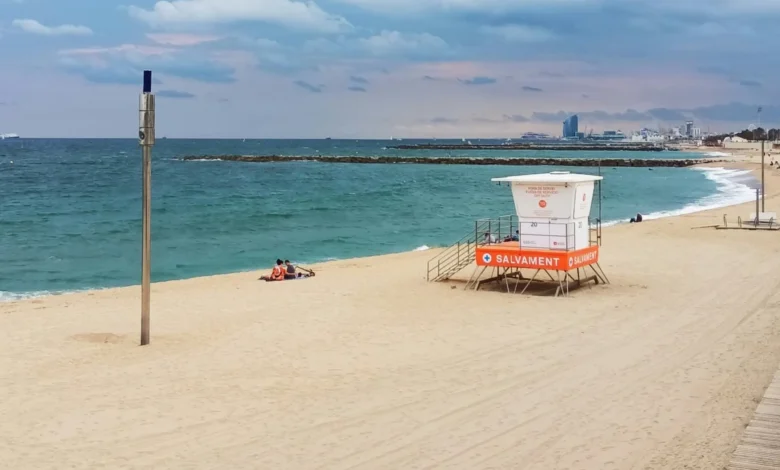
Barcelona’s unique geographical layout offers residents and visitors a rare urban-coastal duality: travelers can spend the morning exploring the architectural masterpieces of Antoni Gaudí, wandering the medieval alleyways of the Gothic Quarter, or touring world-class museums, and transition directly to the Mediterranean shore by lunchtime. Stretching for roughly three miles, the city’s urban beachfront is remarkably accessible, heavily serviced, and tailored to accommodate families provided that visitors select the appropriate section and time of day.
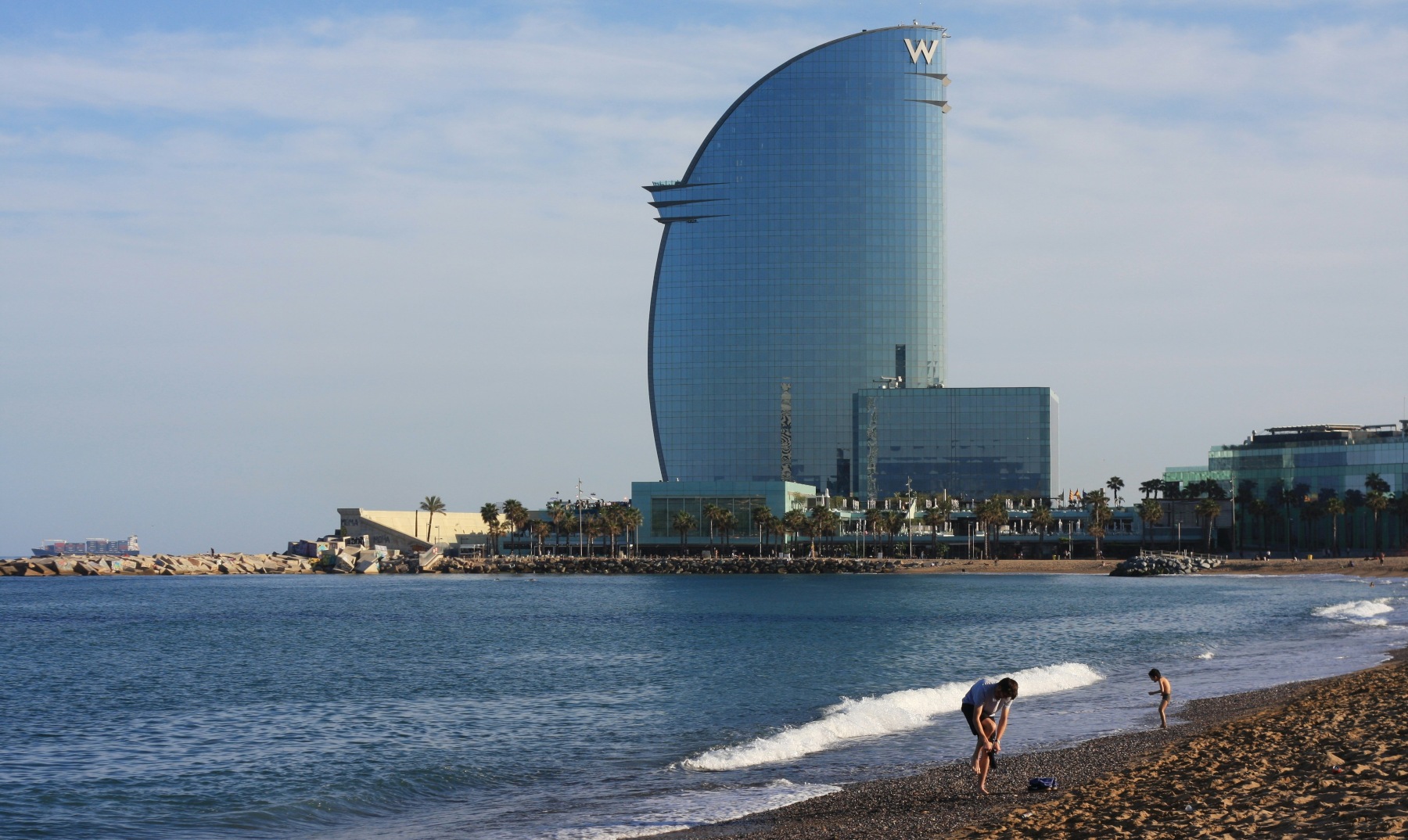
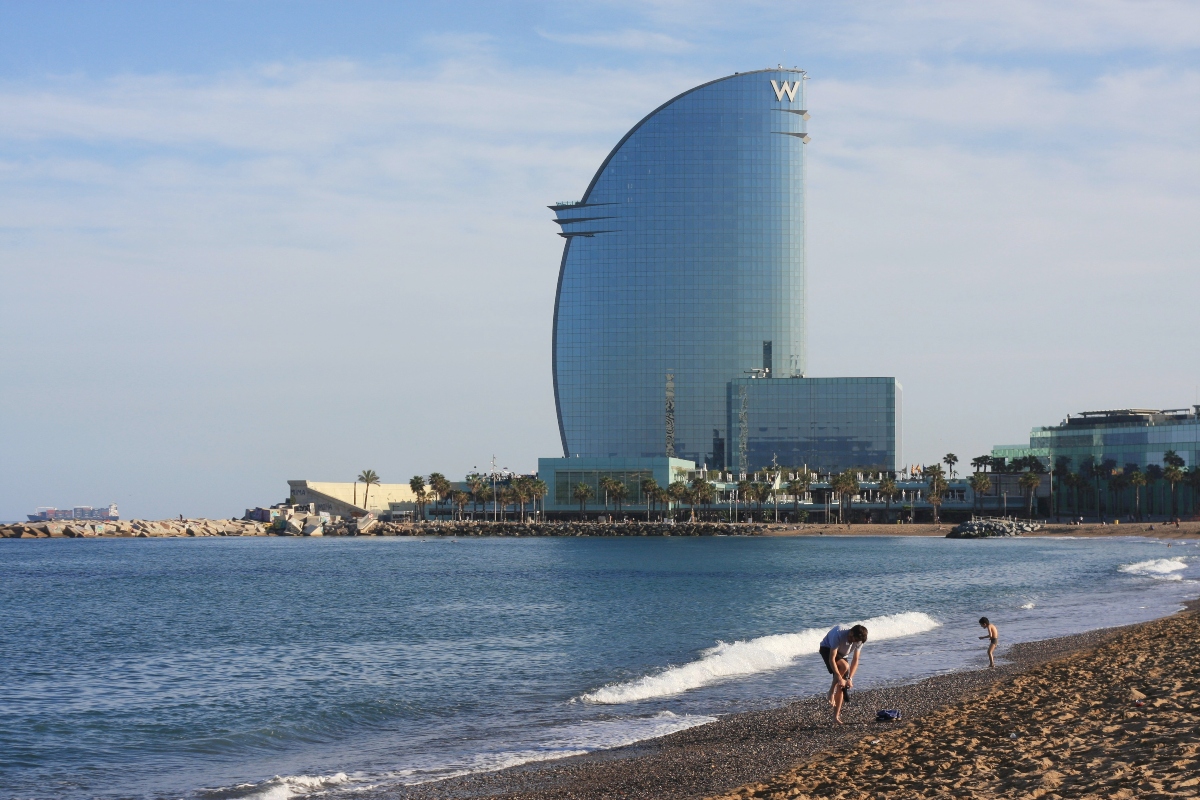
Running from southwest to northeast—starting near the iconic, sail-shaped W Barcelona hotel and extending northward toward the Fòrum district—Barcelona’s coastline comprises several distinct micro-environments. Understanding the specific character, amenities, and safety parameters of each zone is essential for families planning a seamless seaside excursion.
Historical Evolution of Barcelona’s Waterfront
The modern integration of Barcelona’s urban fabric with the Mediterranean Sea is a relatively recent phenomenon. For generations, the city’s coastline was dominated by industrial rail lines, maritime manufacturing, and shipping warehouses, effectively walling off the urban population from the water.
The definitive turning point arrived with the 1992 Summer Olympic Games. Municipal planners leveraged the global sporting event to execute a massive urban renewal project. Industrial infrastructure was cleared, miles of imported sand were trucked in to create artificial beaches, and the Port Olímpic was constructed.
This multi-million-euro transformation converted a blighted industrial zone into a vibrant public amenity. Today, Barcelona’s coastline attracts millions of annual visitors, serving as a vital recreational artery that successfully marries dense urban living with open-access coastal leisure. According to municipal tourism data, the beaches are among the most heavily visited urban coastal zones in Europe, requiring sophisticated maintenance and safety protocols managed by the City Council (Ajuntament de Barcelona).
Beach-by-Beach Breakdown for Families
Sant Sebastià: Historic Charm and Low-Key Accessibility
Situated directly adjacent to the W Barcelona hotel, Sant Sebastià is one of the city’s oldest and most historically significant bathing areas. This stretch is particularly favorable for families seeking to combine a brief seaside outing with dining options in the immediate vicinity. The zone surrounding the W hotel and the striking green-glass Desigual building features numerous upscale and casual restaurants, allowing families to enjoy the coast without committing to an exhaustive, all-day beach excursion.
Sant Sebastià offers a wide sandy profile that, during calm meteorological conditions, provides a gradual slope into the water. However, oceanographic conditions can fluctuate rapidly, necessitating adherence to posted warning flags. For families traveling with older children or teenagers, the area hosts local paddleboard rental operations, offering active alternatives to traditional sunbathing.
Barceloneta and Somorrostro: High Energy and Central Convenience
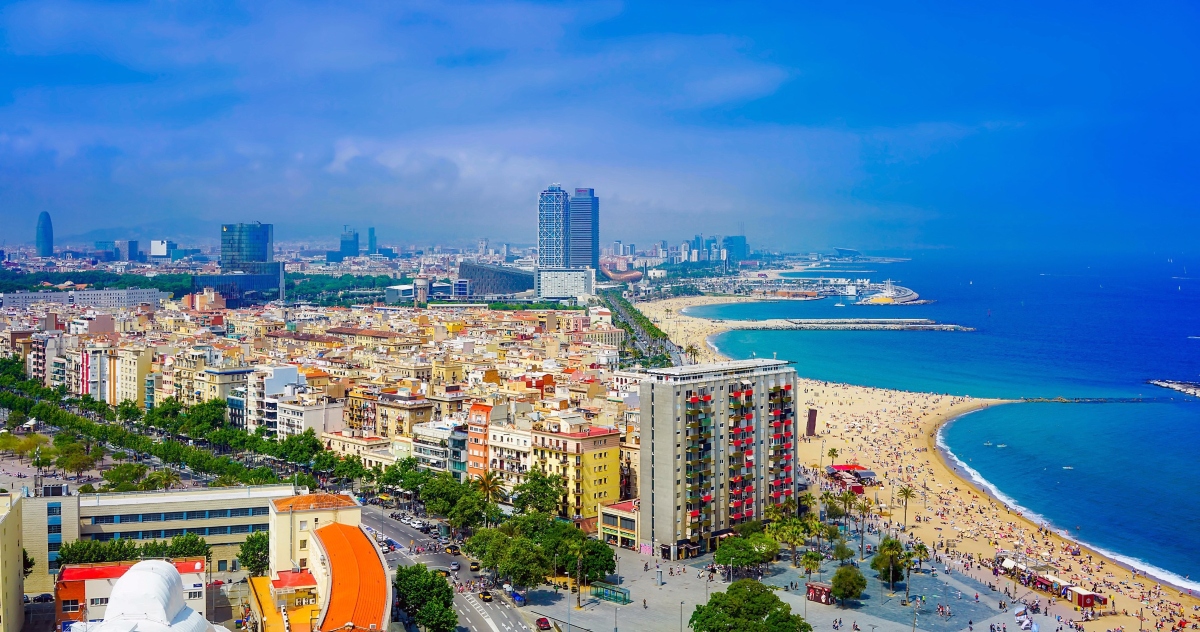
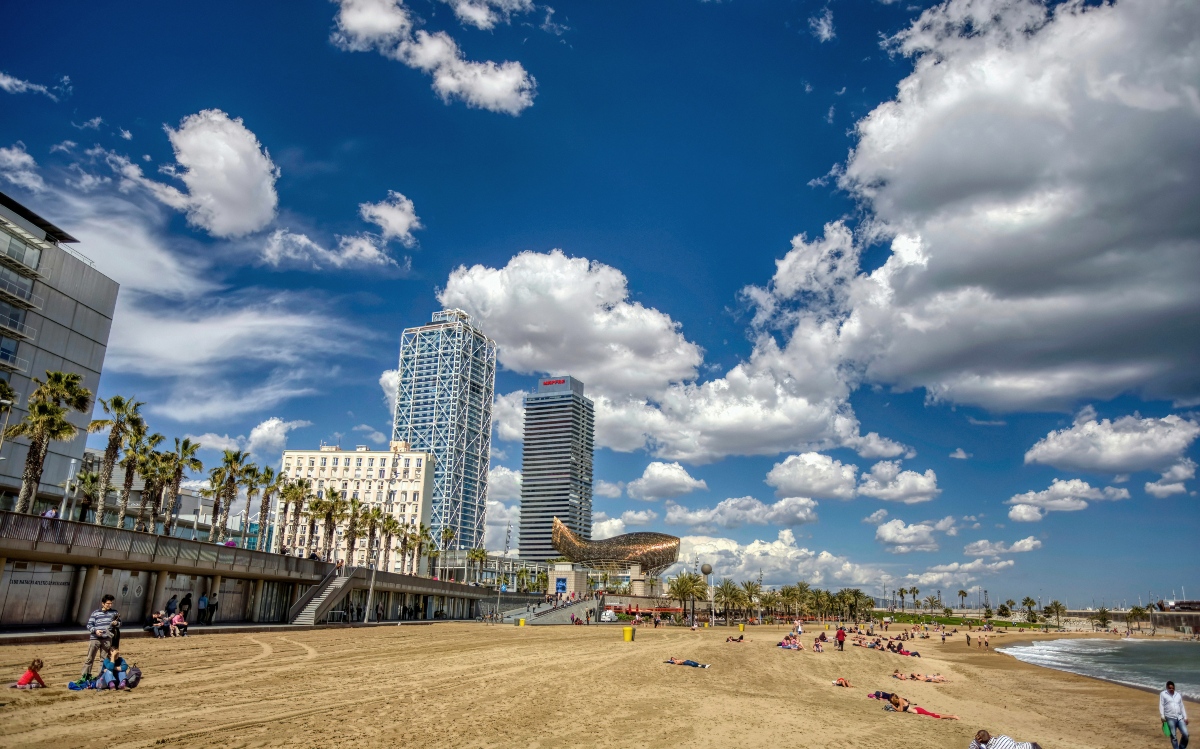
Moving northeast from Sant Sebastià brings visitors to the historic neighborhood of Barceloneta and the adjacent Somorrostro beach, which stretches toward Port Olímpic and the twin towers of Hotel Arts and Torre Mapfre. This is unquestionably the city’s most famous and heavily trafficked coastal sector.
While it boasts an energetic, highly social atmosphere, urban planners and family travel experts generally caution that it may not be the optimal environment for families with very young children. The demographic skews younger, and the beaches become densely packed during peak summer months. Families wishing to experience the iconic culture of Barceloneta are advised to arrive during the early morning hours and depart before peak congestion and high temperatures set in.
Nova Icària: The Premier Choice for Young Children
Located north of Port Olímpic, Nova Icària is widely recognized as one of the premier family-oriented beaches in Barcelona. Striking a balance between central accessibility and a calmer environment, this beach is well-suited for relaxed half-day itineraries.
The shoreline features an expansive expanse of fine sand and a notably gentle wave break. Furthermore, Nova Icària is heavily prioritized in municipal accessibility initiatives, featuring extensive wooden boardwalks that accommodate strollers and wheelchairs, alongside specialized seasonal bathing support services for individuals with reduced mobility.
Bogatell: Spacious Layout and Local Community Focus
Bogatell offers a more spacious, community-oriented alternative to the bustling central zones. Characterized by a slightly more athletic and local demographic, Bogatell sees high volumes of runners, cyclists utilizing the adjacent coastal bike path, and local families participating in beach volleyball and recreational sports.
The beach provides ample physical space, reducing the claustrophobic crowding often experienced at Barceloneta. Bogatell is fully equipped with standardized municipal amenities, including seasonal sunbed rentals, public restrooms, showers, and dedicated lifeguard stations.
Mar Bella: Inclusive Culture and Sporting Facilities
Positioned further north, Mar Bella caters primarily to teenagers, sports enthusiasts, and families seeking an open, active atmosphere. The proximity of the Mar Bella skate park allows adolescents to easily combine skateboarding or rollerblading sessions with time on the sand.
Families should note that Mar Bella maintains a famously inclusive cultural ethos, encompassing designated naturist zones and a visible LGBTQ+ community presence. While this environment is welcoming, parents should be aware of these cultural norms when selecting a destination that aligns with their family’s comfort levels.
Essential Infrastructure and Municipal Services
Barcelona’s Department of Beaches maintains rigorous operational standards during the official bathing season, which generally runs from late spring through mid-September.
Public Amenities and Sanitation
Along the three-mile stretch, visitors have access to standardized public infrastructure. Public restrooms, fresh-water foot showers, and waste management bins are distributed at regular intervals. Additionally, municipal regulations dictate that the numerous private beach cafés (xiringuitos) scattered along the sand must permit public access to their restroom facilities without requiring a commercial purchase.
Sunbeds, Umbrellas, and Shade Economics
Natural shade along Barcelona’s urban coastline is virtually nonexistent. To combat intense Mediterranean solar radiation, particularly between June and September, visitors frequently rely on commercial concessions.
Official operators rent sunbeds (hamacas) and parasols, typically starting at approximately €30 per day for a standard setup of two loungers and an umbrella. These services operate strictly on a first-come, first-served basis; advance reservations are generally not permitted. Families requiring guaranteed shade during peak afternoon hours are advised to arrive early in the morning.
Accessibility Initiatives
The Ajuntament de Barcelona has invested heavily in coastal inclusivity. Selected beaches—most notably Nova Icària and Bogatell—feature comprehensive accessibility programs. These include continuous wooden walkways reaching the shoreline, adapted changing rooms, amphibious floating chairs, and trained support personnel who assist individuals with physical disabilities in entering and exiting the water. Certain advanced services require prior arrangement through municipal portals.
Safety Protocols, Regulations, and Security
Municipal authorities enforce strict safety guidelines to manage the millions of annual beachgoers. Lifeguard services operate daily during peak season, typically from late morning through early evening.
The Flag Warning System
Swimming safety is communicated via a standardized international flag system positioned visibly along the shore:
- Green Flag: Favorable swimming conditions; the water is open.
- Yellow Flag: Exercise caution. This may indicate moderate currents, wave activity, the presence of jellyfish, or diminished water quality. Swimmers are required to consult lifeguards before entering.
- Red Flag: Swimming is strictly prohibited due to severe hazards.
Jellyfish sightings are monitored closely by emergency services, though transient populations can occasionally surprise bathers. Warning flags depicting marine life are posted when necessary.
Urban Security and Petty Theft Mitigation
Because Barcelona’s beaches are integrated directly into the urban grid, petty theft remains a persistent challenge for tourists. Law enforcement agencies (Mossos d’Esquadra and Guardia Urbana) consistently advise beachgoers to exercise heightened vigilance regarding personal property.
Security experts recommend leaving valuable documents, such as passports, securely stored in hotel room safes—relying instead on digital identification stored on mobile devices—and ensuring that at least one member of the party remains vigilant over belongings at all times.
Through careful planning, selection of appropriate micro-locations, and adherence to municipal safety guidelines, families can safely integrate Barcelona’s world-class urban coastline into a comprehensive cultural and historical European vacation itinerary.