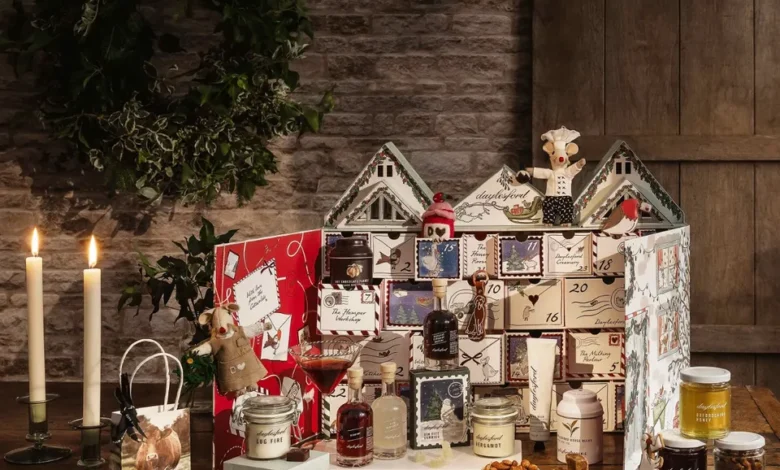
The tradition of the advent calendar, once a simple cardboard fixture designed to delight children with a solitary piece of confectionery, has undergone a radical transformation. In the modern luxury market, these seasonal countdowns have evolved into high-end collector’s items, acting as vessels for limited-edition fragrances, artisanal spirits, and prestige skincare. As we approach the 2026 holiday season, the marketplace for these curated experiences has reached an unprecedented level of sophistication, with brands leveraging craftsmanship, exclusivity, and scarcity to capture the attention of the high-net-worth demographic.
The Evolution and Commercial Strategy of Seasonal Countdowns
Historically, the advent calendar dates back to the mid-19th century in Germany, where families would mark the days leading up to Christmas with chalk lines or devotional images. By the early 20th century, the first printed calendars emerged, eventually incorporating small doors concealing treats. Today, however, the commercial landscape is vastly different. Luxury brands have moved away from the concept of a mere "countdown" to prioritize the "discovery experience."
The timing of these releases has become a critical component of retail strategy. In previous decades, calendars were seasonal impulse purchases made in late November. The current trend, however, is early-bird acquisition. Retailers began launching waitlists as early as July 2026, with the primary product drop occurring between September and October. This shift serves a dual purpose: it mitigates supply chain volatility and capitalizes on the "pre-holiday" psychological window, where consumers are eager to secure premium goods before the inevitable sell-outs.
The Pinnacle of Extravagance: A Historical Record
While standard luxury calendars typically range between $500 and $2,000, the upper echelon of the market defies conventional pricing. The current industry record remains the 2021 bespoke calendar by British designer Debbie Wingham, valued at approximately $10.3 million. Commissioned for a Swiss family, the piece was constructed from reclaimed ebony and featured items such as diamond-encrusted jewelry, custom luxury luggage, and Ferrari-themed artworks. This bespoke creation underscored a shift where the advent calendar is no longer just a product, but a curated, tangible asset reflecting the lifestyle of the owner.
Categorized Curation: The 2026 Landscape
The current market is divided into distinct categories, ranging from high-performance beauty to rare spirits and fine jewelry.
Prestige Beauty and Skincare
The beauty sector continues to dominate the advent calendar space, characterized by high-value, full-sized products that effectively lower the "cost-per-unit" for the consumer.
The Liberty of London Beauty Advent Calendar 2026 remains a barometer for industry success. With a retail value exceeding £1,300 ($1,757), it has maintained a sell-out streak for 11 consecutive years. Its inclusion of a "Golden Ticket" prize—a £1,000 voucher—adds an element of gamification that keeps engagement high. Similarly, the Harrods Beauty Advent Calendar 2026 has expanded to 32 items, featuring industry titans such as Augustinus Bader and Charlotte Tilbury, while the Selfridges edition boasts 40 items, 33 of which are full-sized, totaling over $1,700 in value.
Other notable entries reflect specific brand identities. Sisley Paris has collaborated with artist Marie-Victoire de Bascher to transform the calendar into a visual narrative of a Parisian garden, emphasizing the importance of artistic packaging in luxury retail. Meanwhile, Dr. Barbara Sturm has pivoted toward the "repurposable" model, housing her high-science skincare in a premium vanity case that serves a functional purpose long after the holiday season.
The Connoisseur’s Spirits Collection
For those disinterested in cosmetics, the spirits market provides an alternative. Drinks by the Dram has elevated the concept to an architectural level with its "Very Old & Rare Whisky Collection." This is not a standard calendar but a high-end cabinet crafted from black oak and walnut, featuring suede lining and 30ml samples of whiskies that are largely unavailable on the secondary market. Highlights such as the Dalmore 45 Year Old 1966 and the Yamazaki 18 Year Old Mizunara position the calendar as a liquid investment, attracting serious collectors who view the purchase as a rare opportunity to sample history.
Home, Wellness, and Craft
Luxury is increasingly synonymous with wellness and the home environment. Bamford’s 2026 Wellness Advent Calendar emphasizes the "slow living" movement, incorporating tools like rose quartz gua shas and ritual cards alongside traditional bath and body essentials. In the home decor segment, Swarovski has leaned into its brand heritage by offering 25 crystallized ornaments and candles, effectively acting as an annual refresh for a luxury Christmas tree. Villeroy & Boch offers a similar, albeit more traditional, approach with its 100% porcelain Christmas Toys collection, which is explicitly marketed as a collectible heirloom rather than a seasonal consumable.
Economic Implications and Consumer Behavior
The proliferation of these high-end calendars has significant implications for retail economics. For the brand, the calendar acts as a "sampling engine." By placing a mixture of best-selling products alongside newer, niche offerings, brands can increase cross-category loyalty. A consumer who buys a calendar for the shampoo may, after 25 days of usage, be converted into a long-term customer for the brand’s fragrance or skincare lines.
Furthermore, the "empty" calendar trend—exemplified by Fortnum & Mason’s Piccadilly House calendar—represents a shift toward the "experience economy." By providing a high-quality, reusable vessel, the brand empowers the consumer to act as the curator. This acknowledges a shift in consumer sentiment: the luxury buyer is increasingly interested in personalization and the sentimental value of the gift-giving process.
The Role of Independent Selection
The editorial integrity behind these choices is paramount. As noted by Elite Traveler editors, the selection process is rooted in firsthand assessment and rigorous research into craftsmanship. In an era of influencer-led marketing, the distinction between a paid promotion and an editorially independent recommendation is vital for the credibility of the luxury goods sector. The inclusion of brands like Acqua di Parma, Guerlain, and Penhaligon’s is based on their historical consistency, product quality, and the ability to maintain a sense of "occasion" within the physical packaging of the calendar.
Outlook for the Future of Holiday Gifting
Looking toward the end of the decade, the luxury advent calendar is unlikely to see a decline in popularity, though the format will likely continue to evolve. We can expect to see:
- Enhanced Sustainability: As consumers become more environmentally conscious, brands are shifting toward refillable wooden or metal structures rather than single-use cardboard.
- Digital Integration: The integration of QR codes leading to exclusive content, masterclasses, or virtual concierge services to complement the physical product.
- Hyper-Personalization: The rise of made-to-order calendars where the contents are selected by the buyer at the point of purchase.
In summary, the 2026 advent calendar market is a reflection of a wider retail trend: the movement from convenience to curation. Whether through the inclusion of rare spirits, high-performance skincare, or artisanal home goods, these calendars successfully bridge the gap between holiday tradition and the high-performance demands of the modern luxury consumer. As these items continue to sell out months in advance, it is clear that for the modern adult, the magic of the countdown is not in the surprise itself, but in the sustained excellence of the daily experience.