Mastering the New York Winter Wardrobe: A Guide to Balancing Sophistication and Survival

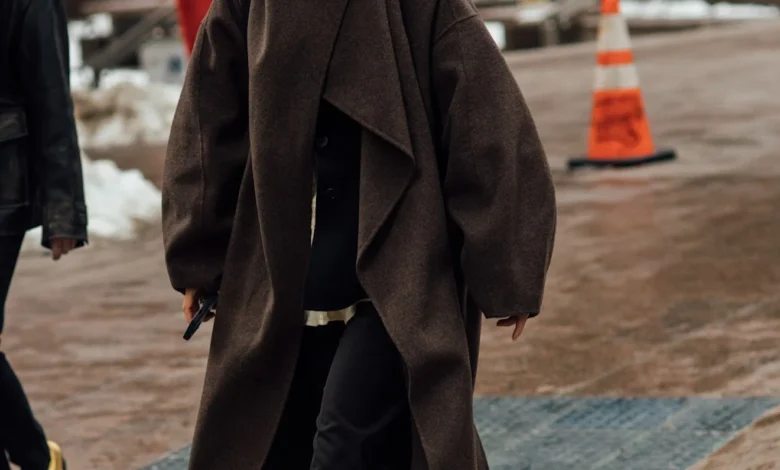
As the mercury drops across the five boroughs, the intersection of high fashion and practical utility becomes the defining challenge of the season. For the fashion-conscious New Yorker, the arrival of winter—typically characterized by freezing temperatures and unpredictable slush—often signals a shift toward utilitarian aesthetics. However, style experts and industry stylists argue that the winter months present an opportunity for elevated sartorial expression rather than a surrender to functionality. By utilizing advanced layering techniques, investing in high-quality materials, and selecting statement outerwear, residents can maintain a polished appearance without compromising on comfort.
The Evolution of Urban Winter Fashion
Historically, the New York winter wardrobe was defined by bulky, monochromatic silhouettes. However, the 2026/2027 winter season marks a departure toward more intentional styling. Data from luxury retail analysis suggests that consumer demand for high-performance natural fibers—such as cashmere, shearling, and ethically sourced wool—has risen by 14% compared to the 2023 winter cycle. This shift indicates that the modern urbanite is prioritizing "investment dressing," where the longevity and thermal retention of a garment are as valued as its aesthetic appeal.
Stylist Maegan Watson notes that the primary hurdle for many is the misconception that warmth necessitates a sacrifice in style. "The hardest part is finding pieces that are warm, stylish, and versatile at the same time," Watson observes. "That is precisely where strategic layering becomes an essential skill. You do not need to rely solely on the ubiquitous black down coat to survive the commute."
Chronology of a Cold-Weather Strategy
To successfully navigate a New York winter, experts recommend a phased approach to building an outfit. The strategy begins with the foundation, moves to the mid-layers, and concludes with the final protective shell.
Phase 1: The Base Layer (Early November)
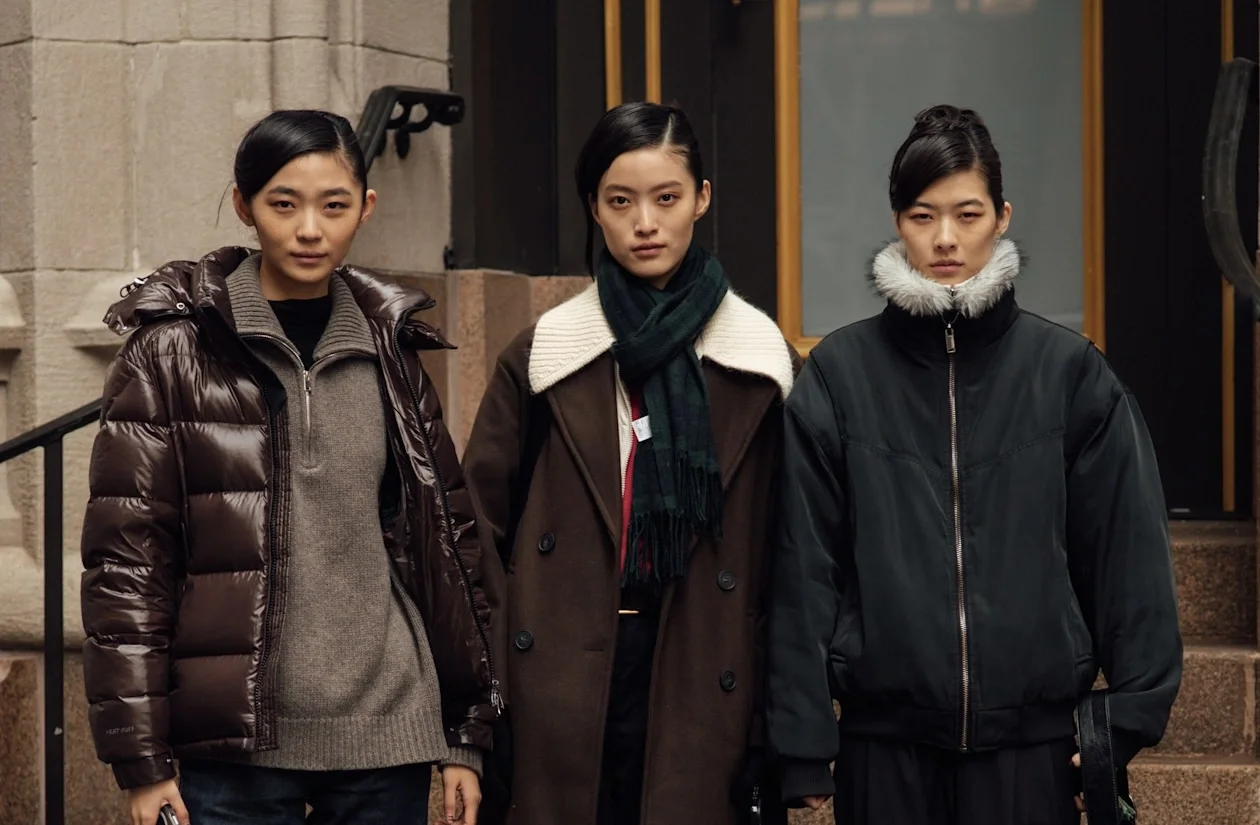
As the city transitions into early winter, the focus is on lightweight insulation. Tissue-weight cashmere turtlenecks, such as those produced by houses like Khaite and Valentino, provide a thermal base that is breathable and elegant. This period is also when base layers from labels like Ulla Johnson or Wolford become critical. These pieces are designed to be worn under button-downs or dresses, providing warmth without adding visible bulk.
Phase 2: The Mid-Layering Integration (Late November to December)
As temperatures consistently drop below 40 degrees Fahrenheit, mid-layers become necessary. This includes the use of cashmere or faux-fur vests layered beneath wool or leather coats. This technique allows for a sophisticated "peeling" effect once indoors, maintaining the integrity of the outfit underneath.
Phase 3: The Deep Winter Utility (January to February)
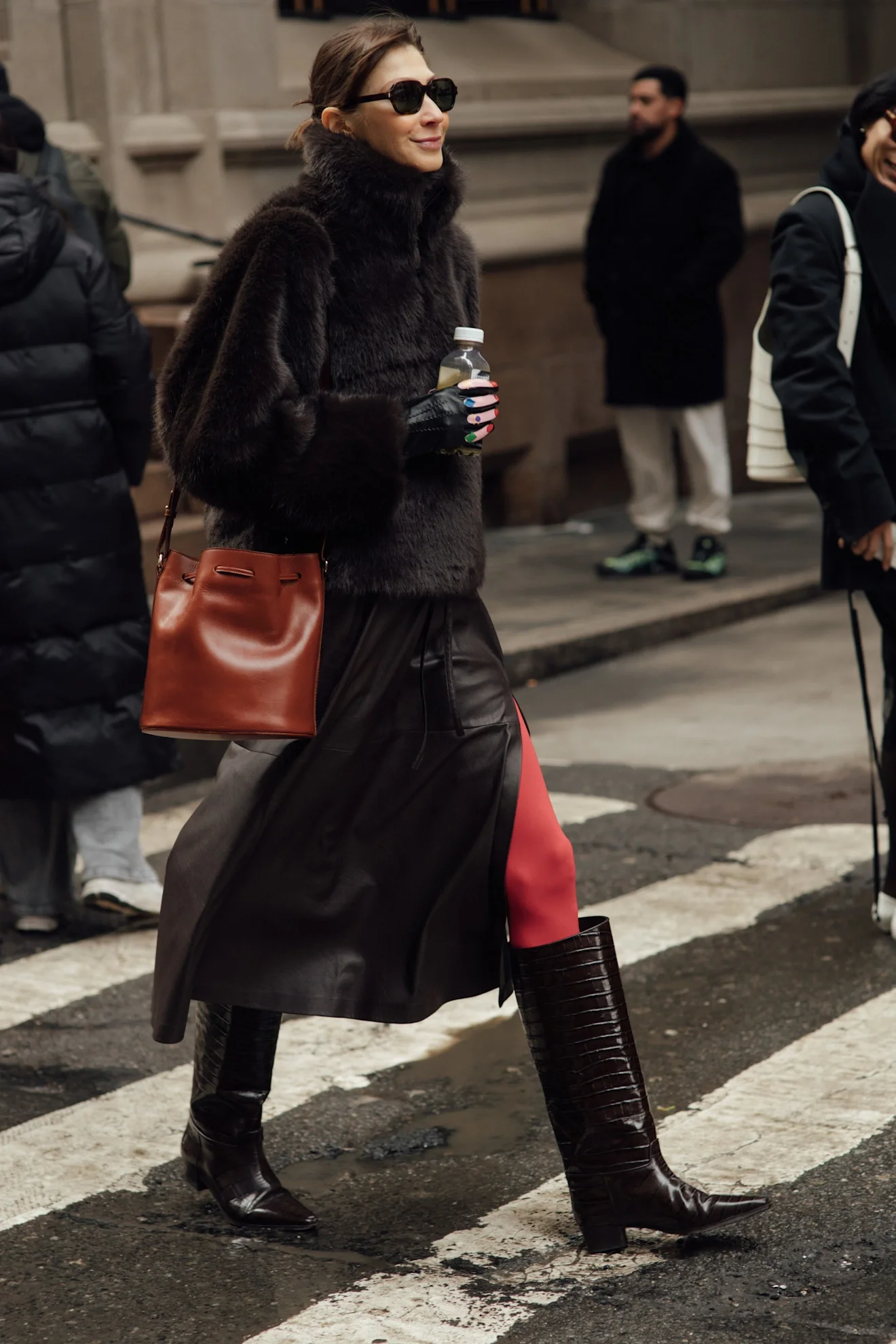
When the city faces the depths of winter, the focus shifts to robust materials. This is when skirts and dresses—often discarded in favor of denim—become viable options again. By pairing wool skirts with opaque or textured tights and knee-high boots, the wearer can achieve a higher degree of warmth than is often possible with standard cotton denim. The use of filled nylon skirts, such as those popularized by designers like Simone Rocha, offers a modern solution to extreme cold.
The Statement Coat as a Fashion Pillar
In the New York urban landscape, the coat is the most visible garment a person wears. Consequently, experts argue that the coat should be treated as the centerpiece of the outfit rather than an afterthought. For the 2026 season, trends indicate a resurgence of long, trench-inspired wool coats featuring embellished collars and dramatic, A-line silhouettes.
Sarah Slutsky Tooley, a creative director and celebrity stylist, advocates for a blend of high-fashion structure and extreme warmth. Tooley highlights the use of oversized parkas—such as those by Acne—which, when cinched with a belt at the waist, provide both the necessary insulation for sub-zero days and a refined, intentional shape. "It’s about making the warmth part of the styling," Tooley explains. By cinching a voluminous coat, the wearer retains a sense of proportion, ensuring the silhouette remains polished despite the garment’s massive thermal capacity.
Investment in these pieces is increasingly seen as a long-term financial decision. A high-end coat from a house like Dior or Valentino is often constructed with premium wool blends that offer superior heat retention and moisture resistance compared to synthetic alternatives.
Footwear: Navigating the Urban Terrain
The footwear requirements for New York are distinct due to the sheer volume of walking residents perform daily. A boot must navigate icy sidewalks, salt-treated streets, and public transit, all while remaining appropriate for professional or social settings.
The current industry consensus points to a preference for "hybrid" designs. Sleek leather boots with rubber soles—such as those offered by Toteme or Prada—are becoming the standard. The rubber sole provides essential traction and moisture protection, while the block heel offers the stability required for navigating urban environments. Stylists emphasize that black leather remains the most versatile choice, as it masks the inevitable scuffs and salt stains that occur during the winter season.
Fact-Based Analysis of Modern Winter Trends
The shift toward high-performance, high-fashion winter wear is not merely an aesthetic preference; it is a response to changing environmental and lifestyle factors. New York’s "urban heat island" effect—where the city remains warmer than surrounding rural areas—often leads to rapid fluctuations in temperature as one moves from heated subway platforms to frozen street corners.
- Thermal Regulation: The emphasis on natural fibers (wool, cashmere, shearling) allows for better thermoregulation. Unlike synthetic materials that trap moisture, these natural fibers wick away sweat, preventing the wearer from feeling chilled once they step indoors.
- Longevity of Investment: Luxury houses are increasingly focusing on "seasonless" or "multi-seasonal" garments. The rise of the cashmere turtleneck as a year-round staple—worn as a layering piece in winter and a standalone item in autumn—demonstrates a shift toward more sustainable consumption habits.
- Versatility: The "Make the Coat the Outfit" trend reflects a broader move in fashion toward minimalism, where one high-quality piece reduces the need for a large volume of secondary clothing items.
Broader Implications for the Fashion Industry
The trend toward "intentional winter dressing" signals a departure from the "fast fashion" cycles that dominated the early 2020s. As consumers become more discerning, brands are finding that quality, warmth, and timeless design are the most significant drivers of brand loyalty.
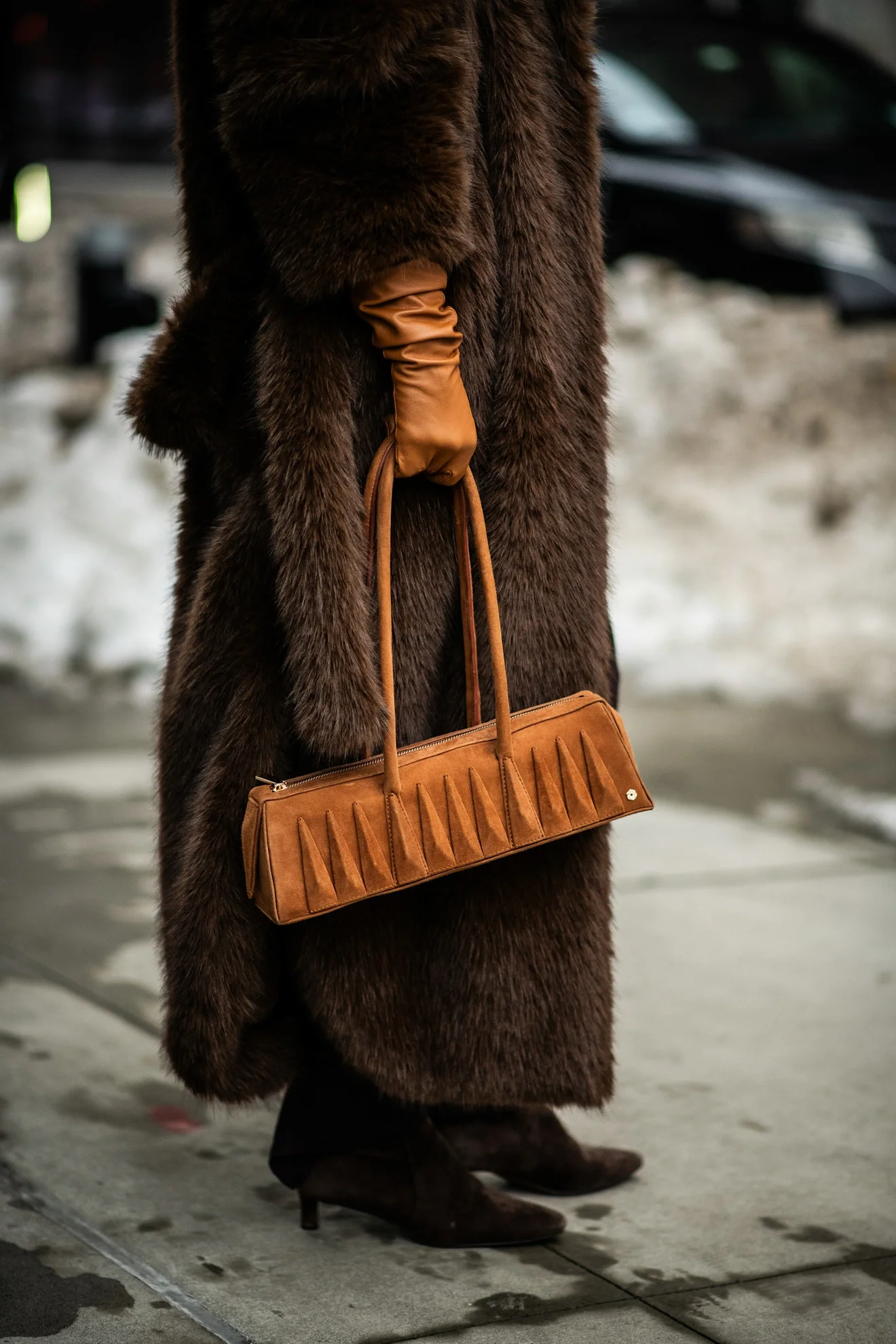
For the average New Yorker, the implication is clear: the winter season is no longer a period to hide one’s personal style under layers of indistinct fabric. Instead, it is a time to leverage the sophisticated architecture of winter garments—capes, layered textures, and structural outerwear—to project confidence in the face of the elements. Whether it is through the strategic choice of a wool skirt over denim or the selection of a designer coat that serves as the outfit’s anchor, the goal remains the same: to integrate the harsh realities of the season into a cohesive, fashionable narrative.
As experts continue to monitor the intersection of climate and style, the consensus remains that the most successful winter wardrobe is one that is built on the pillars of durability, material integrity, and the refusal to sacrifice personal aesthetic for the sake of survival.