Your Ultimate Madrid Itinerary: A Comprehensive Guide to the Cultural and Gastronomic Heart of Spain

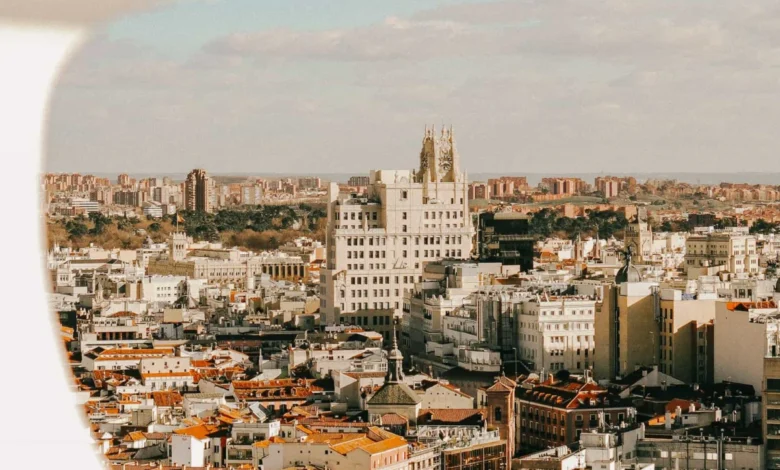
Madrid serves as the administrative, economic, and cultural epicenter of Spain, attracting millions of international travelers annually. As the seat of the Spanish monarchy and the national government, the city offers a dense concentration of historical monuments, world-class art institutions, and a culinary landscape that balances centuries-old traditions with modern gastronomic innovation. For visitors seeking to navigate the capital, a structured approach is essential to manage the city’s vast array of offerings, which span over 600 square kilometers of urban development.

Historical Significance and Cultural Landscape
The urban evolution of Madrid is anchored by the "Landscape of Light," a UNESCO World Heritage site that encompasses the Paseo del Prado and the Buen Retiro Park. Designated in 2021, this urban area represents a unique model of city planning that dates back to the 16th century, integrating nature with imperial architecture. The Prado Museum, the cornerstone of this area, houses one of the world’s most significant collections of European art, including masterpieces by Velázquez, Goya, and El Greco.

Historically, the city transitioned from a medieval fortress town under the Moors to the capital of the Spanish Empire in 1561 under Philip II. This shift established the city’s grand architectural style, which is best exemplified by the Royal Palace of Madrid. As the largest royal palace in Western Europe, with over 135,000 square meters of floor space and more than 3,000 rooms, it remains a testament to the Bourbon dynasty’s influence.

A Five-Day Strategic Itinerary
For the modern traveler, an effective exploration of Madrid requires a blend of high-culture visits and localized immersion in its diverse neighborhoods.

Day One: The Golden Triangle of Art
The initial phase of a visit should focus on the Paseo del Arte. The Prado Museum requires careful navigation; with over 7,000 paintings in its collection, curators recommend prioritizing specific wings. Following the Prado, the Reina Sofía Museum provides necessary context for 20th-century history, most notably through Pablo Picasso’s 1937 mural, Guernica. The day concludes in the historic center, where the influence of the 17th-century Habsburg architecture remains prominent.

Day Two: Gastronomic Heritage and Market Culture
Madrid’s culinary identity is defined by the integration of regional Spanish products. The San Miguel Market, established in 1916 and renovated in 2009, serves as a hub for both traditional and avant-garde gastronomy. Data indicates that such markets have become critical economic drivers for the city, attracting a high volume of tourism while sustaining local producers. A secondary visit to the Chamberí district provides insight into local lifestyle, moving away from the tourist-heavy center to observe the authentic tapas culture that defines social interaction in Spain.

Day Three: Royal Legacy and Green Spaces
The Buen Retiro Park, once a private royal retreat, was opened to the public in the late 19th century. Today, it serves as the city’s primary "green lung." The park’s Crystal Palace, a glass and iron structure inspired by London’s Crystal Palace, exemplifies the architectural trends of the late 1800s. The afternoon is dedicated to the Almudena Cathedral, a structure that underscores the lengthy timeline of religious architecture in the city, having only reached completion in 1993 despite centuries of planning.

Day Four: Religious Monasteries and Ancient History
Madrid contains an unexpected wealth of history, including the Temple of Debod, a genuine Egyptian temple dating back to the 2nd century BC. The temple was dismantled and relocated to Madrid in the 1970s as a gesture of gratitude from the Egyptian government for Spain’s assistance in saving the Abu Simbel temples during the construction of the Aswan High Dam. This site provides a unique look at trans-continental cultural heritage within the Spanish capital.

Day Five: Urban Planning and Modern Leisure
The final day allows for an exploration of the city’s outskirts, specifically the Casa de Campo. Once a hunting ground for the monarchy, it is now an expansive parkland that highlights Madrid’s commitment to urban sustainability and leisure. The day concludes in the Las Salesas neighborhood, reflecting the city’s contemporary retail landscape, where traditional craftsmanship meets high-end fashion design.

Economic and Tourism Impact Analysis
The tourism sector in Madrid has shown robust growth, with the city consistently ranking among the top European destinations. According to recent municipal data, the tourism industry accounts for a significant percentage of Madrid’s GDP, supporting a vast ecosystem of hospitality, logistics, and retail businesses.

The implementation of curated itineraries serves a dual purpose: it maximizes the visitor experience and helps manage the flow of foot traffic in sensitive historical areas. By encouraging tourists to venture into peripheral districts like Chamberí or La Latina, the city effectively distributes economic benefits across various neighborhoods, reducing the strain on the central core.

Official Responses and Strategic Development
The Madrid Tourism Board (Turismo de Madrid) continues to emphasize the importance of "quality tourism" over sheer volume. Recent initiatives, such as the promotion of the "Landscape of Light," focus on highlighting sustainable and cultural tourism. Statements from city officials underscore the goal of maintaining Madrid’s position as a premier global hub by investing in the restoration of historic sites and supporting local businesses that offer authentic cultural experiences.

Implications for Future Travel
The broader implication for travelers visiting Madrid is a move toward more intentional, slow-paced exploration. As the city evolves, the focus has shifted toward balancing its role as a major European capital with the preservation of its distinct, localized heritage.

Visitors are advised to utilize the official portals provided by the city government, such as the "EsMadrid" website, for real-time updates on cultural events, museum hours, and seasonal exhibitions. This ensures that travel plans remain aligned with current city regulations and local event calendars, which change frequently.

Conclusion
Madrid functions as a complex, multi-layered environment where the 16th-century imperial past coexists with a dynamic 21st-century present. Whether through the study of its art history, the consumption of its regional culinary offerings, or the navigation of its extensive parklands, the city offers a multifaceted experience. A structured five-day itinerary provides a framework, but the true value of the city lies in the ability of the visitor to move beyond the major sights and engage with the neighborhoods that define the daily life of Madrid’s residents. As the city continues to adapt to the demands of modern tourism, its commitment to preserving its historical narrative while embracing future growth remains its most significant strength.