The Ultimate Guide to Day Hiking New Zealand’s Southern Lakes Without Sacrificing Comfort

New Zealand’s Southern Lakes region is internationally renowned for its multi-day backcountry expeditions, where intrepid travelers shoulder heavy packs, navigate rugged alpine passes, and bunk down in Department of Conservation (DOC) huts for consecutive nights. However, a parallel, highly accessible outdoor culture exists alongside these legendary treks. For travelers who prefer a plush bed, a gourmet breakfast, and the convenience of a rental car, the dramatic landscapes of Queenstown, Wānaka, and Arrowtown offer world-class alpine terrain accessible entirely via robust day hikes.
This hybrid approach to alpine exploration combines raw, untamed wilderness with sophisticated urban comforts. Within a one-hour radius of urban centers like Queenstown and Wānaka, adventurers can scale peaks that rival the world’s most formidable mountain ranges in the morning, and enjoy a fine-dining experience paired with Central Otago pinot noir by evening. Local terminology refers to this pursuit simply as "tramping," a national pastime deeply embedded in the cultural fabric of Aotearoa New Zealand.
The Evolution of Accessible Alpine Tourism in Otago
Historically, exploring the deep alpine terrain of the Southern Lakes required extensive logistical planning, specialized mountaineering gear, and multi-day commitments. In recent decades, however, regional tourism authorities, local councils, and conservation agencies have invested significantly in infrastructure maintenance, carpark expansions, and trail management. This strategic focus has transformed the region into a premier destination for day-trippers.
According to regional tourism data from Destination Queenstown and Lake Wānaka Tourism, day-visitor numbers targeting natural attractions and trails have surged by over 35% over the past decade. This growth reflects a broader global shift in adventure travel: tourists increasingly seek high-impact, immersive wilderness experiences that fit within compressed travel itineraries without compromising on safety, luxury, or comfort.
Roys Peak, Wānaka: The Iconic Ridge Walk
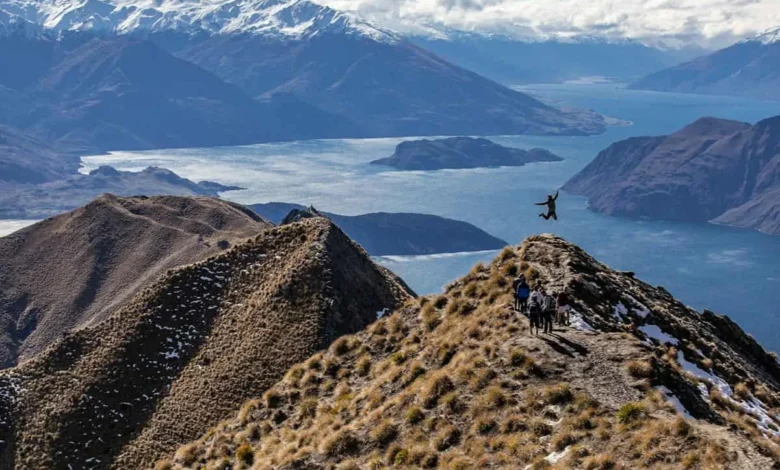
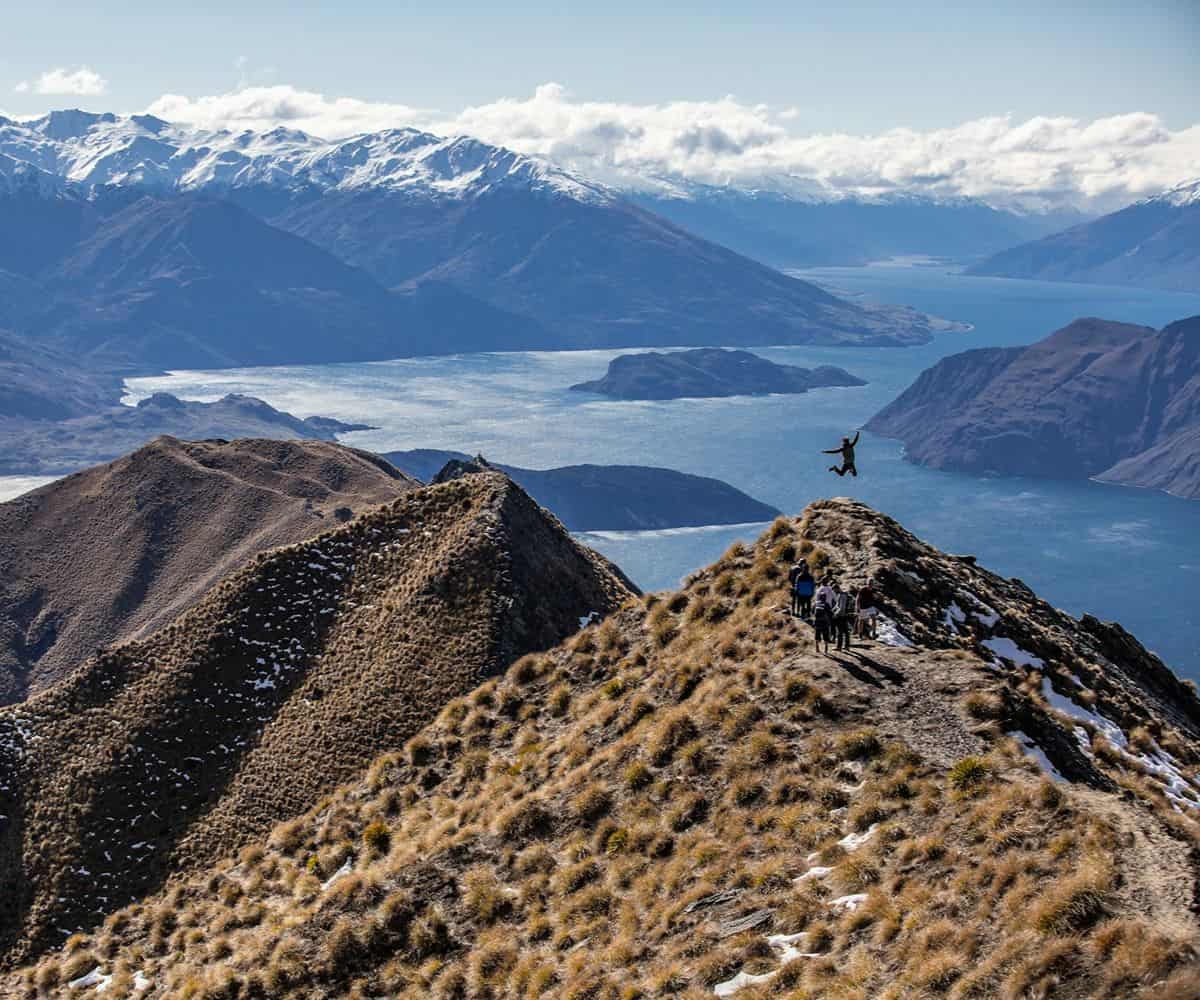
Ascending steeply from the shores of Lake Wānaka, Roys Peak is arguably the most photographed trail in the Southern Lakes and a defining visual emblem of New Zealand’s natural beauty. The track traverses a series of relentless zigzags across private farmland before reaching a sweeping public ridge that unfolds panoramic views of Lake Wānaka, its scattered islands, and the jagged peaks of the Southern Alps, including Mount Aspiring (Tititea) to the northwest.
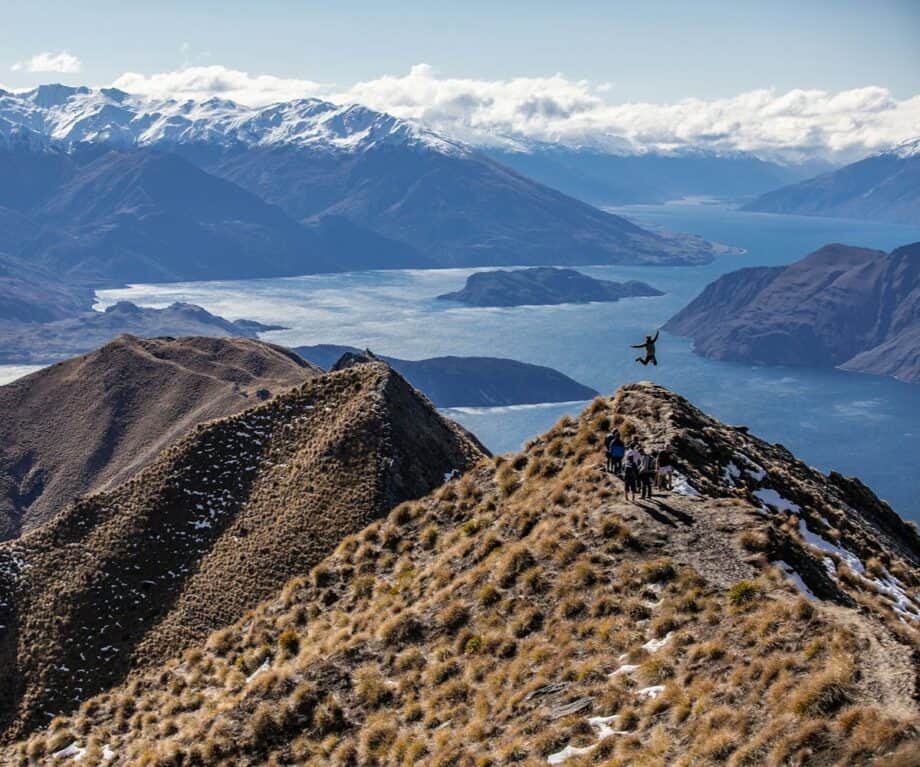
Spanning approximately 16 kilometers, the return journey demands roughly six hours of steady physical exertion. Because the trail is entirely exposed to the elements with no natural tree cover, environmental conditions can shift from calm sunshine to biting alpine winds within minutes. Local mountain safety coordinators strongly advise pre-dawn departures. Not only does an early start allow hikers to witness the sunrise illuminate the lake basin, but it also helps visitors secure spaces in the notoriously congested trailhead parking lot and avoid the blistering midday sun.
Rob Roy Glacier, Matukituki Valley
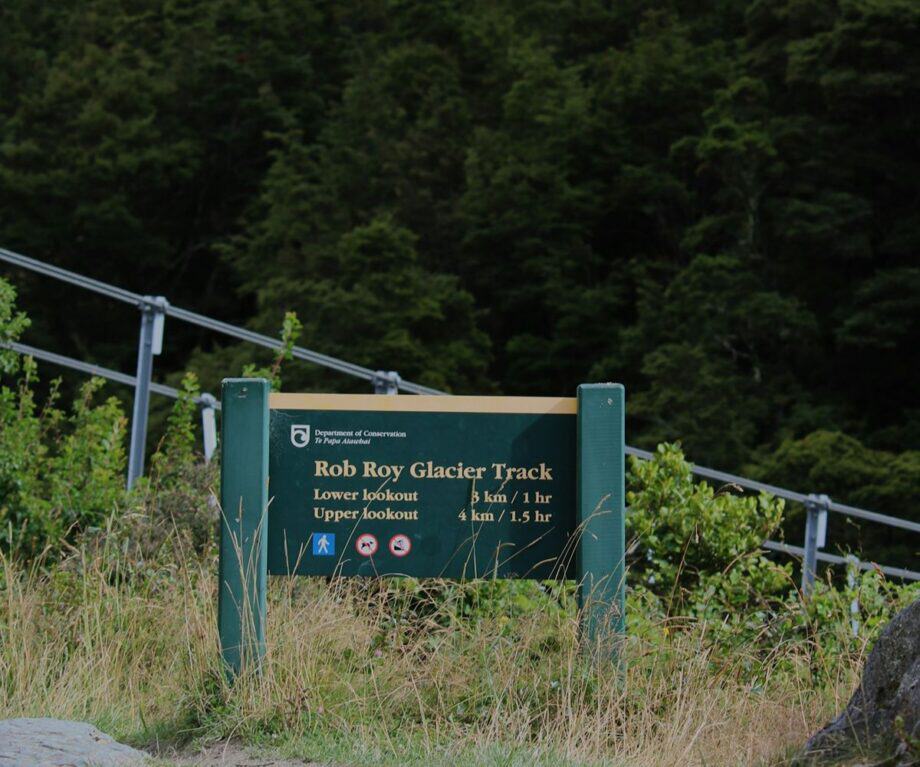
Located roughly an hour’s drive northwest of Wānaka within the boundaries of Mount Aspiring National Park, the Rob Roy Glacier Track offers an immersive journey into a glaciated alpine amphitheatre. The adventure begins long before the trailhead, as motorists navigate the unsealed Matukituki Valley road—a scenic thoroughfare flanked by grazing red deer, braided riverbeds, and towering valley walls.
The hike itself is a four-hour loop traversing ancient red and silver beech forests before breaking out into alpine meadows. Hikers are treated to the thunderous spectacle of cascading avalanches and constant waterfalls calving from the hanging glacier above. Classified by the Department of Conservation as an intermediate track, the route is meticulously maintained but demands respect. Mountain safety authorities caution against underestimating the microclimate of the valley, urging all trampers to monitor weather advisories closely, carry adequate nutrition, and pack emergency provisions.
The Routeburn Track: Sampling a Great Walk from Glenorchy
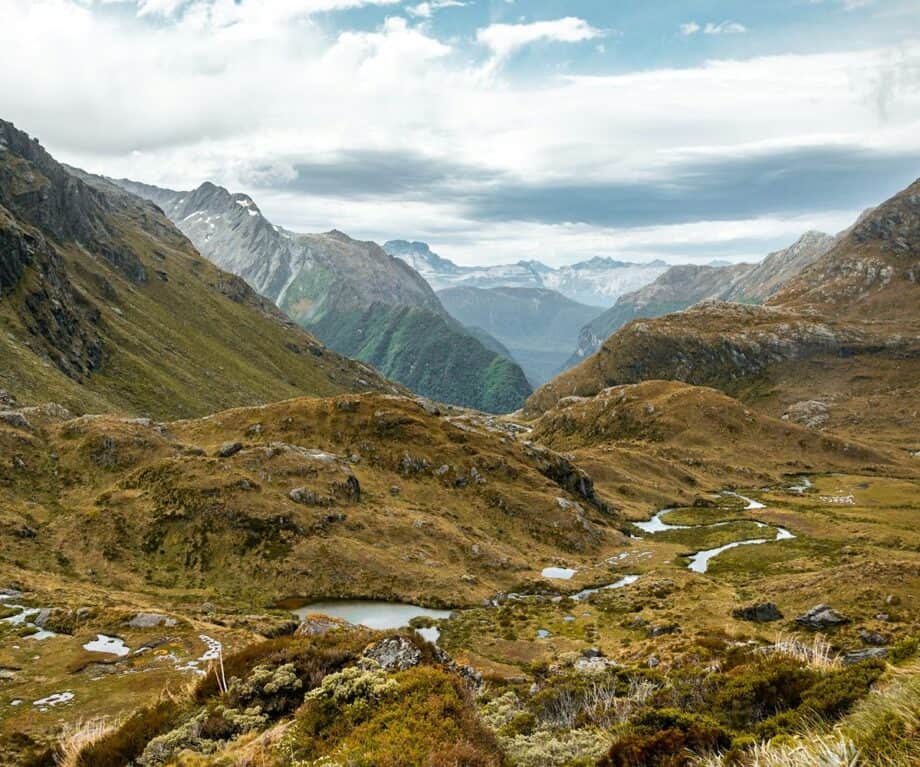
For travelers unable to commit to the full three-to-four-day duration of the legendary Routeburn Track—one of New Zealand’s elite nine Great Walks—the day-hike option from the Glenorchy trailhead provides an exceptional alternative. Situated a scenic 45-minute drive from Queenstown along the dramatic edge of Lake Wakatipu, the western approach to the track offers immediate immersion into pristine temperate rainforests.
Day-trippers typically hike from the Shelter along the crystalline Routeburn River, passing through towering stands of beech to reach Routeburn Flats and, eventually, Routeburn Falls. A return trek to Routeburn Falls Hut takes approximately six hours. This introductory segment showcases the ecological diversity and dramatic topographical shifts that earned the Routeburn its international acclaim. As a premier conservation asset managed by the Department of Conservation, the track experiences high foot traffic from late spring through early autumn, necessitating early arrivals to manage parking and trail etiquette.
Ben Lomond, Queenstown: Conquering the Skyline
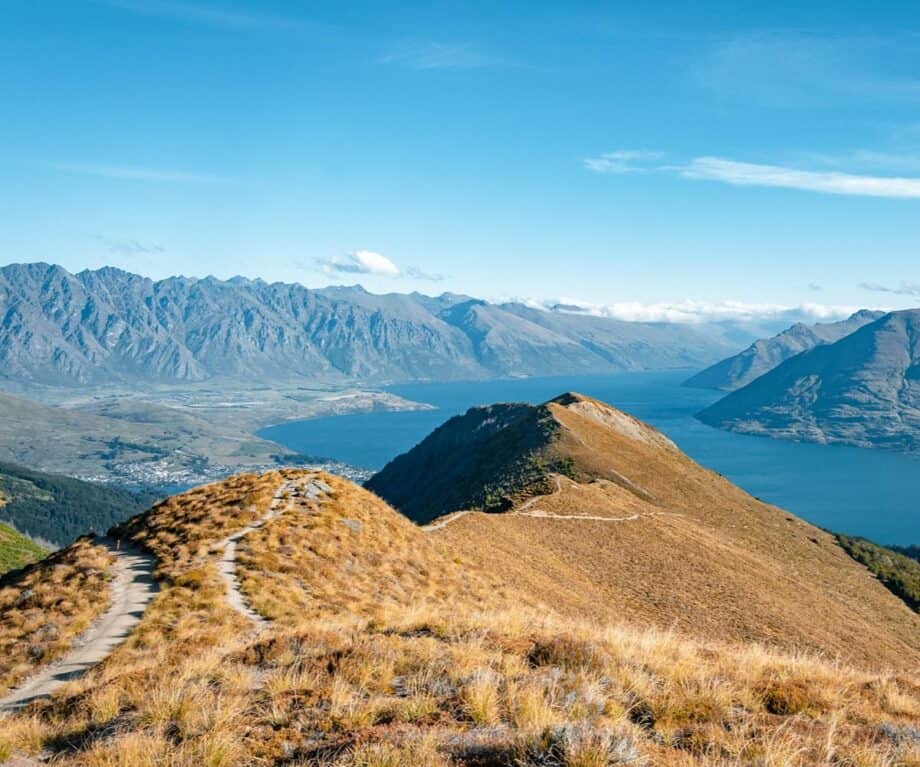
Rising directly behind the bustling adventure capital of Queenstown, Ben Lomond is a physical landmark visible from nearly every corner of the Lake Wakatipu basin. The most popular ascent utilizes the Skyline Gondola to gain initial elevation, bypassing the lower forest trails before continuing on foot toward the 1,748-meter summit.
The five-to-six-hour return journey from the top of the gondola challenges hikers with steep, unrelenting terrain. Above the treeline, the landscape opens into expansive alpine tussock, culminating in a summit panorama that encompasses the full expanse of Lake Wakatipu, Cecil Peak, the jagged Remarkables range, and the Crown Range to the north. While manageable for physically fit novices, the summit region is notoriously susceptible to rapid weather deterioration and cloud cover. Mountain safety officials emphasize the importance of tracking daylight hours, carrying windproof layers, and abandoning summit bids if visibility drops.
Breast Hill, Lake Hāwea: The Scenic Alternative
For travelers seeking solitude away from the high-density foot traffic of Queenstown and central Wānaka, the Breast Hill track on the eastern shores of Lake Hāwea provides an exceptional wilderness experience. Starting from the Lake Hāwea township, the trail ascends steeply through regenerating native bush before breaking out onto open, rolling high-country sheep station land.
The grueling full-day return trek rewards hikers with a stunning vantage point overlooking both Lake Hāwea and Lake Wānaka, separated by a narrow, dramatic isthmus. The drive from Wānaka takes roughly twenty minutes along a quieter lakeside highway, offering a peaceful counterpoint to the more heavily commercialized tourist corridors nearby.
Essential Safety and Preparation Guidelines for the Southern Lakes
While the convenience of returning to a heated home or luxury lodge each evening simplifies logistics, the meteorological reality of the Southern Lakes must not be underestimated. Positioned at significant latitudes and influenced by maritime and alpine weather systems, the region is notorious for rapid atmospheric shifts.
- Weather Volatility: Summer afternoons frequently spawn unannounced thunderstorms. The window between a clear morning and a hazardous alpine storm can be vanishingly narrow.
- Proper Footwear: Maintained trails do not equate to manicured park paths. Sturdy hiking boots with reliable ankle support and aggressive tread are vital for navigating loose scree, wet roots, and muddy sections.
- Hydration and Nutrition: Exposed ridgelines accelerate dehydration. Hikers are advised to carry significantly more water than anticipated and high-energy rations.
- Conservation Ethics: All visitors are expected to adhere to the Leave No Trace principles, respecting private farm property, native wildlife, and heritage landscapes.
By blending rigorous preparation with the comfort of modern amenities, travelers to New Zealand’s Southern Lakes can access some of the most spectacular alpine scenery on earth—proving that world-class wilderness exploration does not always require roughing it in the backcountry.