Marriott International initiates global corporate workforce reduction as part of organizational restructuring

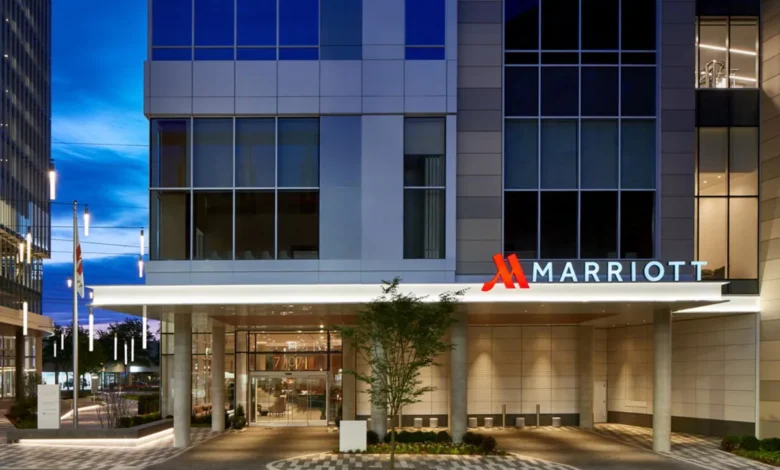
Marriott International, the world’s largest hotel chain by room count, has confirmed that it is currently undergoing a reduction in its corporate workforce. This development, which surfaced on Wednesday, marks a significant shift in the company’s operational strategy as it seeks to streamline internal processes and optimize administrative efficiency. While the hospitality giant has not disclosed the precise number of employees impacted by this initiative, internal reports and discussions among staff suggest that the layoffs are primarily focused on centralized corporate functions rather than property-level operations.
The reduction affects several key departments within the organization, including human resources, information technology (IT), guest relations, and quality assurance divisions. According to the company, these adjustments are limited to corporate disciplines, meaning that hotel-level staff—such as front desk personnel, housekeeping, and food and beverage teams—remain unaffected by the current round of cuts.
Contextualizing the Organizational Shift
To understand the scope of this decision, one must consider the broader macroeconomic environment currently influencing the hospitality sector. Following the global recovery from the COVID-19 pandemic, hotel chains have faced a complex landscape characterized by fluctuating travel demand, persistent inflationary pressures, and a rapid acceleration in the digitalization of guest services.
Marriott, which manages a portfolio of over 8,700 properties across more than 139 countries and territories, has been aggressively pursuing a strategy of "asset-light" growth. This business model relies on management and franchise agreements rather than property ownership, allowing the company to scale rapidly. However, the administrative burden of maintaining such a vast global footprint requires frequent recalibration of corporate overhead to ensure that the organizational structure remains lean and responsive.
Market analysts observe that such moves are often proactive measures intended to protect profit margins in anticipation of a potential softening in global travel spending. By consolidating roles in IT and quality assurance, Marriott is likely looking to leverage existing technology platforms more effectively, reducing the need for redundant administrative oversight.
A Chronology of Corporate Realignment
Marriott’s corporate structure has undergone several phases of evolution over the last decade, particularly following its massive acquisition of Starwood Hotels & Resorts in 2016. That merger necessitated significant integration efforts, which led to both the consolidation of regional offices and the redundancy of various overlapping roles.
- 2016–2018 (Post-Starwood Integration): Marriott focused on merging IT systems, loyalty programs, and sales structures. This period was marked by initial streamlining of administrative functions to realize the synergies promised during the acquisition.
- 2020–2021 (Pandemic Response): Like most hospitality entities, Marriott faced unprecedented challenges during the global health crisis. The company implemented temporary furloughs and voluntary separation programs to mitigate the impact of near-zero occupancy rates.
- 2022–2023 (Recovery and Growth): As travel returned, Marriott saw record-breaking occupancy rates and revenue per available room (RevPAR). During this time, the company focused on hiring and expanding its digital infrastructure to meet the demands of a new generation of tech-savvy travelers.
- 2024 (Current Strategic Review): The current round of layoffs appears to be part of a "disciplined approach" to corporate cost management, aimed at ensuring that the company’s administrative backbone is as efficient as its digital booking platforms.
Supporting Data and Financial Performance
Marriott’s financial health remains robust, which makes the decision to cut corporate staff particularly notable. In its most recent quarterly filings, the company reported strong top-line revenue growth, driven largely by high average daily rates (ADR) and a resilient luxury segment. However, operating expenses have also seen an upward trend due to increased labor costs and investments in loyalty program enhancements.
The hospitality industry at large has been grappling with the "efficiency gap." While property-level labor remains tight—with hotels struggling to find enough housekeeping and service staff—corporate headquarters have seen their payrolls grow in tandem with the complexity of global operations. By trimming the corporate layer, Marriott is attempting to reallocate capital toward growth-oriented initiatives, such as its expansion into the midscale segment and the continued integration of AI-driven guest experience tools.
For investors, these cuts are often viewed as a signal of fiscal prudence. When a company as large as Marriott takes steps to reduce its headcount, it typically indicates that management is prioritizing earnings-per-share growth and margin expansion, even when the broader travel market remains generally positive.
Official Responses and Internal Communication
In a formal statement released Wednesday, Marriott International clarified the scope of the layoffs, emphasizing that the decision was not a reflection of the company’s overall financial stability.
"As part of Marriott International’s ongoing efforts to streamline our operations and improve efficiency, we are making adjustments to some corporate disciplines," a company spokesperson stated. "These changes are designed to ensure we remain agile and positioned for long-term success. We are supporting those affected by these transitions with comprehensive separation packages and career transition services."
While the company has refrained from providing a public figure regarding the total number of departures, industry insiders suggest that the move is part of a broader "right-sizing" exercise that has been in the planning stages for several months. For employees, the news has been met with a mix of concern and resignation, as discussions on professional networking platforms and anonymous employee forums highlight the anxiety surrounding the specific roles being eliminated.
Broader Implications for the Hospitality Sector
The move by Marriott is expected to have a ripple effect across the hotel industry. Large hospitality corporations often follow each other’s lead when it comes to organizational restructuring. If Marriott can successfully achieve its goals through these corporate cuts, other major players—such as Hilton, Hyatt, or Accor—may conduct their own internal audits to determine if they are carrying excess administrative weight.
Furthermore, the focus on IT and quality assurance roles suggests a pivot toward automation. As hotels integrate more AI-driven guest feedback loops and automated revenue management systems, the traditional roles that once handled these tasks manually are becoming less essential. This shift represents a broader trend in the service sector, where the "human element" is increasingly prioritized at the guest-facing level, while backend processes are turned over to algorithms and centralized software solutions.
Looking Ahead: The Future of Marriott’s Workforce
Marriott’s leadership, headed by CEO Anthony Capuano, has consistently emphasized the importance of balancing aggressive growth with operational discipline. The current workforce reduction should be viewed as a tactical adjustment rather than a retreat. The company continues to sign new management contracts at a rapid pace and remains committed to its long-term objective of expanding its footprint in emerging markets, particularly in Asia-Pacific and the Middle East.
However, the human cost of these changes remains a significant factor for the company to manage. Maintaining employee morale during a period of corporate downsizing is a challenge for any multinational entity. As Marriott navigates this transition, its ability to communicate effectively with its remaining staff will be critical in maintaining the high service standards that define its luxury and premium brands.
In conclusion, the decision by Marriott International to trim its corporate staff is a calculated move to harmonize its administrative costs with the evolving realities of the travel industry. While the move is undoubtedly difficult for the individuals affected, it underscores the company’s commitment to maintaining its position as a global leader in an increasingly competitive and technologically driven market. The coming fiscal quarters will reveal whether this leaner structure will lead to the anticipated improvements in operational margins and overall strategic flexibility.