Les Grands Buffets: A Culinary Phenomenon Redefining French Gastronomy in Narbonne

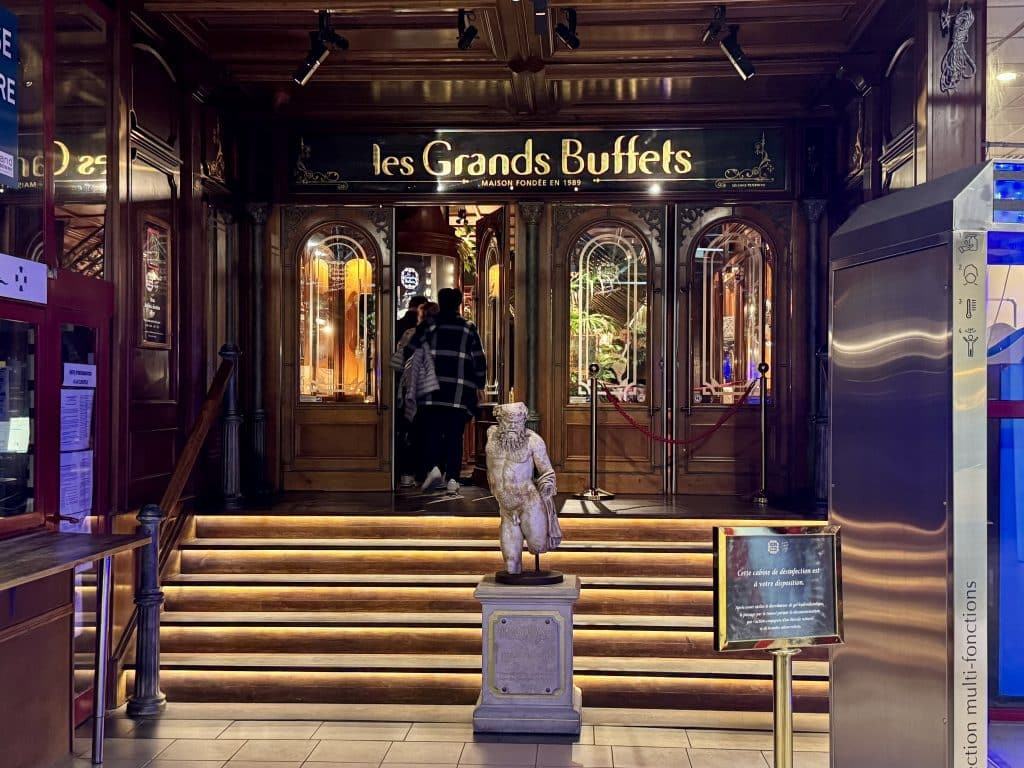
Les Grands Buffets, an acclaimed restaurant situated in Narbonne, Southern France, has garnered international recognition for its unique approach to French gastronomy. Operating on an all-you-can-eat model, it offers an extensive selection of classic French dishes, including luxury items such as lobster, foie gras, and truffles, at a remarkably fixed price. This distinctive concept has established it as one of the country’s most famous dining establishments and a coveted destination for food enthusiasts worldwide. The restaurant’s commitment to quality and tradition, coupled with its accessible pricing, presents a compelling value proposition in the realm of fine dining.
Historical Context and Founding Vision
Les Grands Buffets was founded in 1989 by Narbonne native Louis Privat and his wife, Jane Privat. The restaurant’s genesis was rather unassuming, initially conceived as the cafeteria for a local sports complex, the Espace Liberté. However, Privat harbored a profound admiration for the classical French cuisine championed by culinary legend Chef Auguste Escoffier, whose 1903 cookbook, Le Guide Culinaire, revolutionized modern French cooking and restaurant operations. Privat observed a concerning trend: the gradual disappearance of traditional French bistro dishes, such as frog legs, tripe, and snails, from contemporary menus.
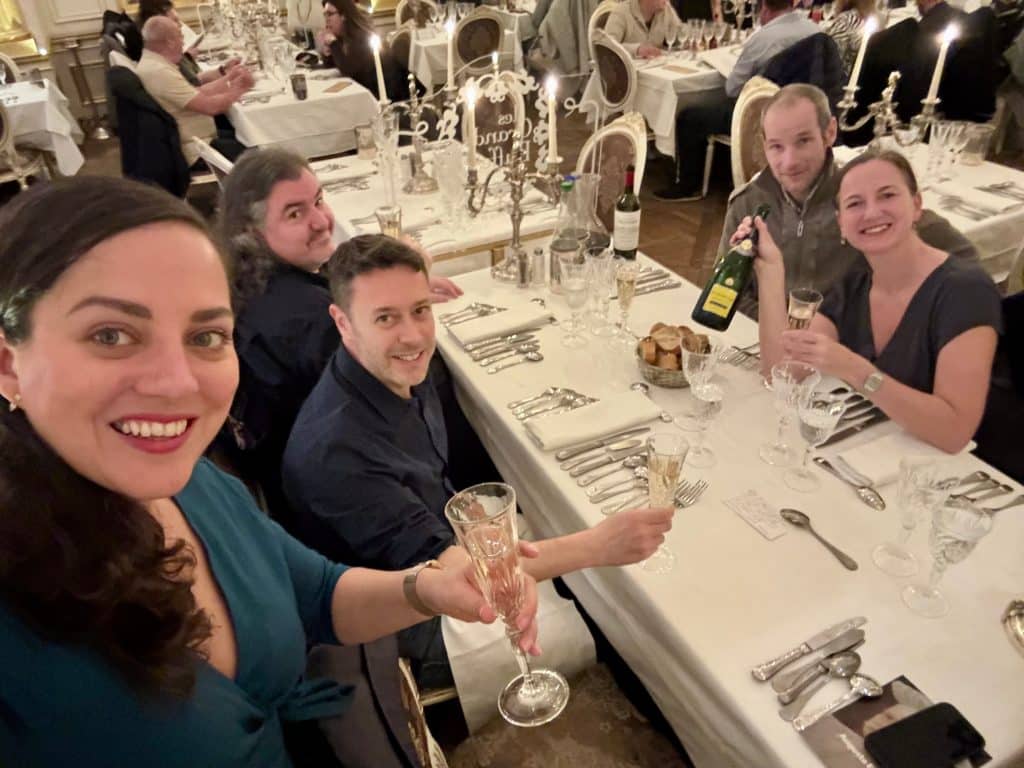
Driven by a desire to preserve and celebrate this rich culinary heritage, Privat envisioned France’s first all-you-can-eat buffet exclusively featuring authentic French dishes, all offered at an affordable price point. This innovative concept proved an immediate success, resonating deeply with both local patrons and a growing international audience. Today, Les Grands Buffets serves approximately 400,000 guests annually, with a significant majority being French diners, underscoring its cultural relevance within the country. The establishment operates continuously, serving both lunch and dinner 365 days a year, a testament to its enduring popularity and operational efficiency.
The Unparalleled Culinary Offering
The core appeal of Les Grands Buffets lies in its vast and luxurious culinary spread, meticulously curated to showcase the breadth of French cuisine. Unlike typical buffets, the focus here is on high-quality ingredients and traditional preparations, elevating the all-you-can-eat experience to an unprecedented level.
-
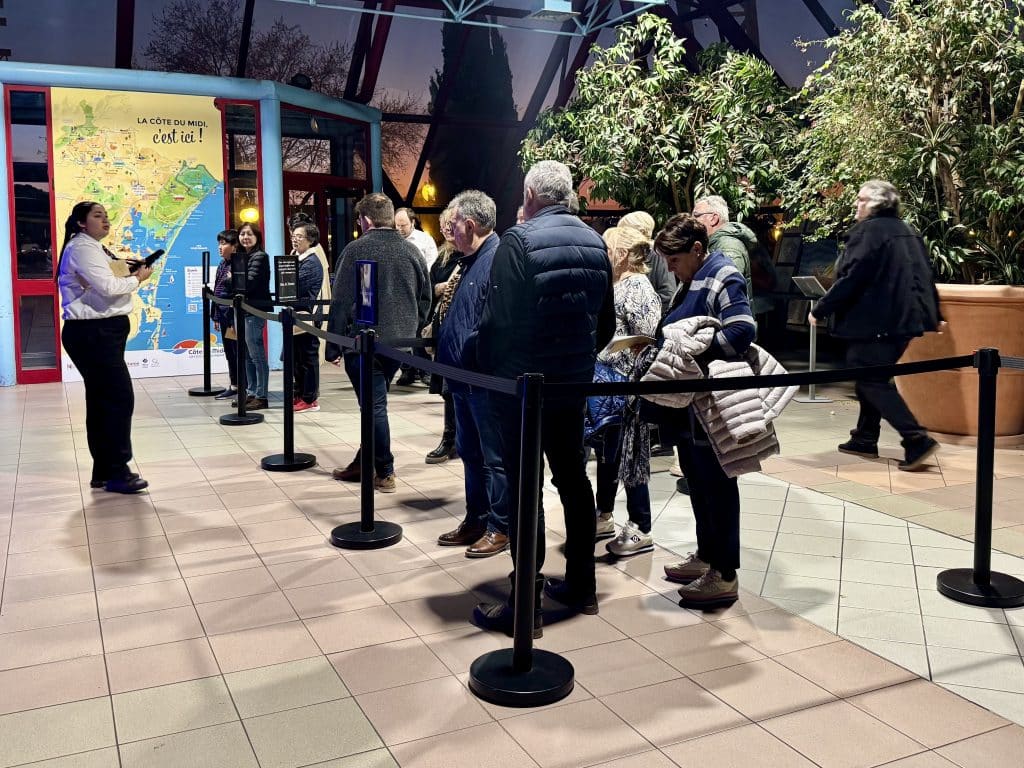
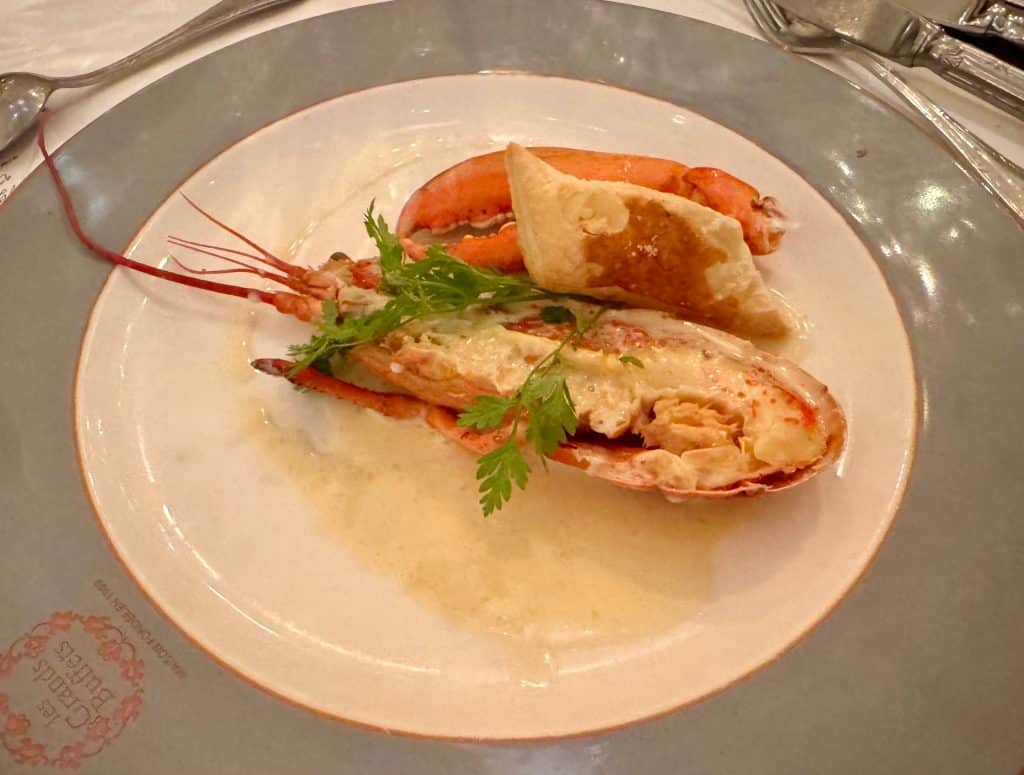
Fixed-Price Decadence: As of 2026, the fixed rate for all food and service is €65.90 per person for either lunch or dinner. This price includes unlimited access to premium items that would typically command exorbitant prices à la carte, such as Atlantic lobster, snow crab legs, fresh caviar, black truffles, and various foie gras preparations. The exceptional value is a consistent point of praise from diners, who note that even a modest selection of these luxury items would far exceed the buffet’s flat rate at a conventional French restaurant. Beverages, including an extensive wine list featuring regional selections, are available at an additional, yet notably reasonable, cost, often comparable to winery prices. Patrons also have the unique option to purchase wine for takeaway at producer prices for a minimum of six bottles, further enhancing the value proposition.
-
Diverse Food Stations: The restaurant is thoughtfully organized into several distinct culinary stations, each dedicated to a specific category of French delicacies:
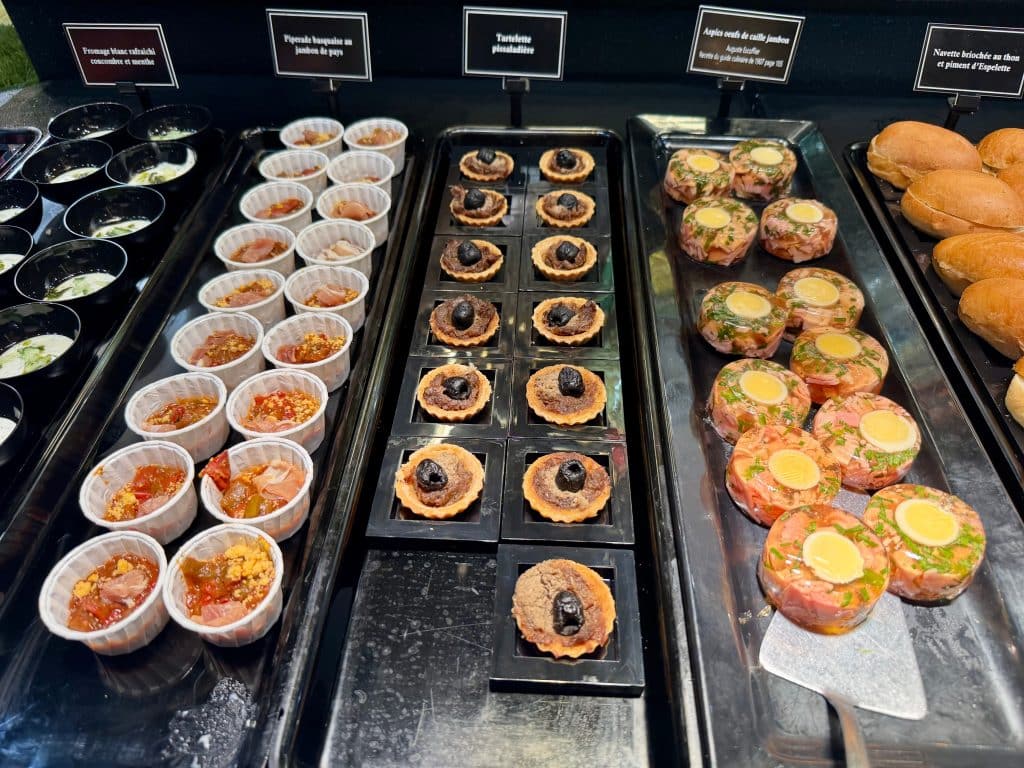
- Amuse-Bouche Buffet: Offers small, exquisite bites to begin the meal, such as deviled eggs topped with black truffle, piperade basquaise, tartelette pissaladière, and aspic with ham and hard-boiled eggs.
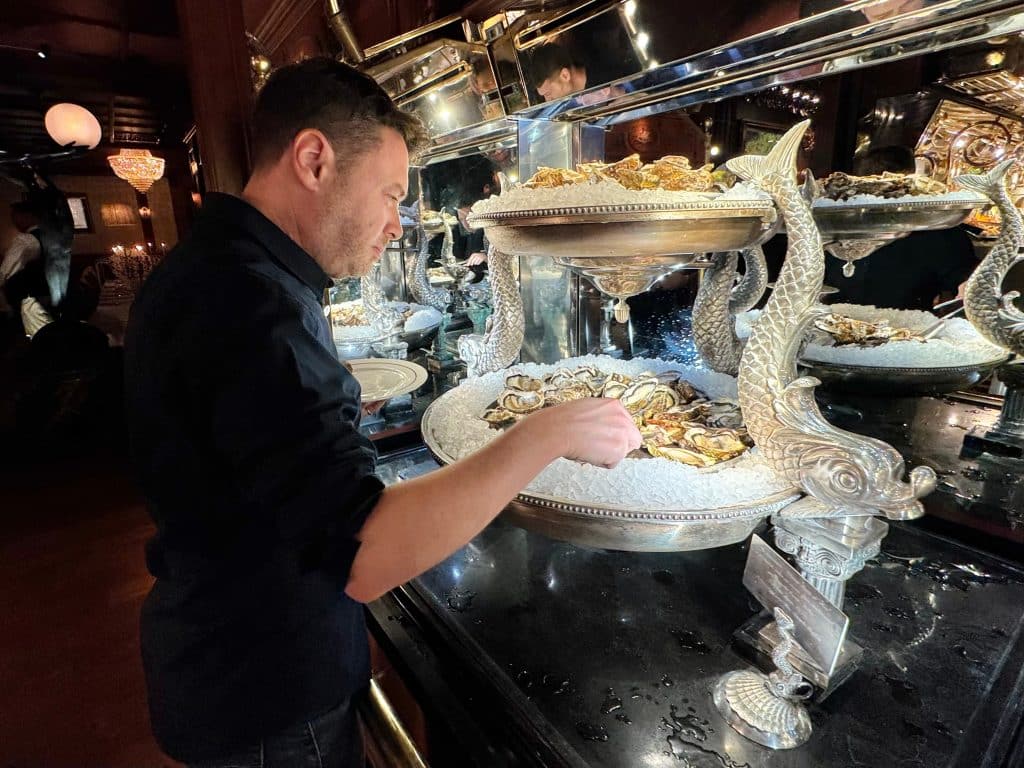
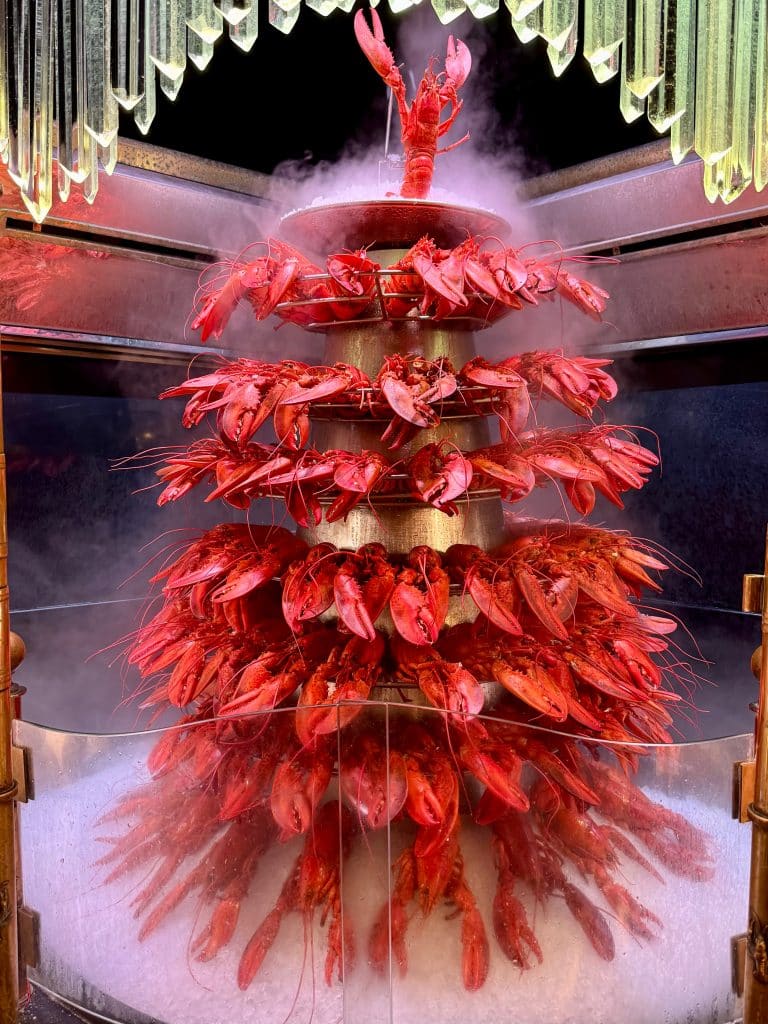
- Seafood Buffet: A prominent feature, centered around an impressive "lobster tower" that serves both cold and warm lobster. Other offerings include Étang de Thau oysters, snow crab legs, seafood soup, smoked salmon, herring, mackerel, and anchovies.
- Foie Gras Buffet: Considered one of the most impressive sections, providing unlimited access to various foie gras preparations, including the highly acclaimed foie brûlée, duck foie gras with Armagnac, and truffle foie gras.
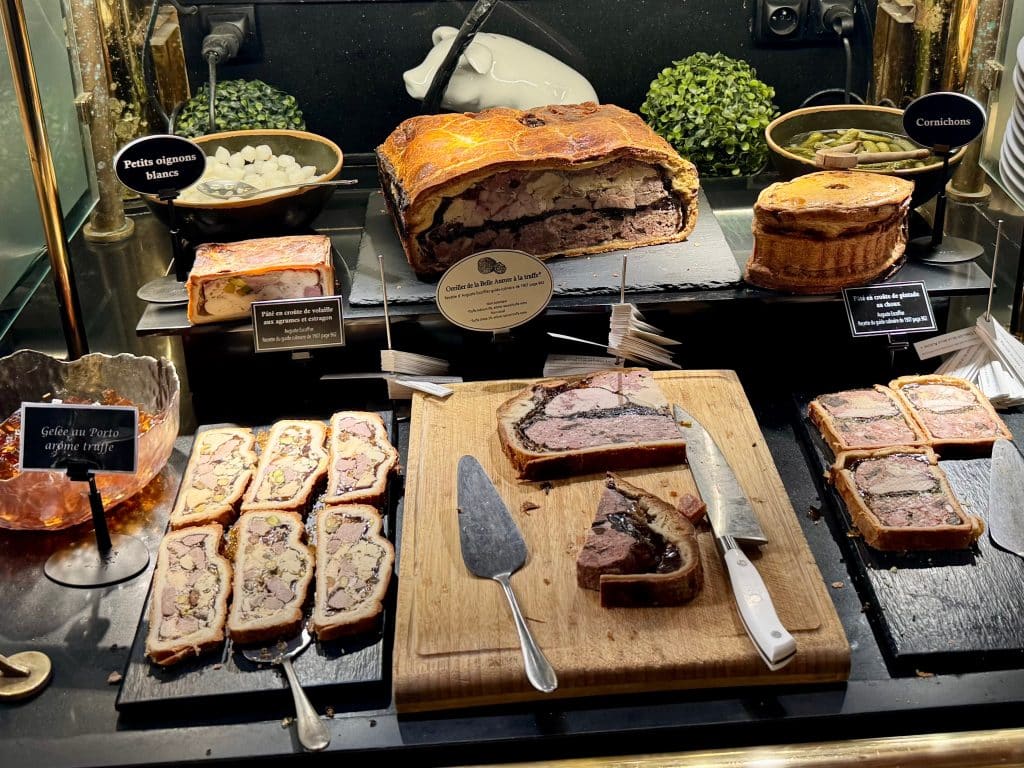
- Pâté en Croûte Buffet: Showcases a selection of traditional pâtés baked in crusts, from Guinea fowl to Rouen duck, alongside the intricate "Aurora’s pillow."
- Cooked Meat and Terrine Buffet: A haven for charcuterie enthusiasts, featuring ten types of saucisson, pig’s ear preserved in jelly, nine varieties of ham for self-carving, head cheese, and duck and pork rillettes, often accompanied by cornichons and a substantial quantity of ‘nduja.
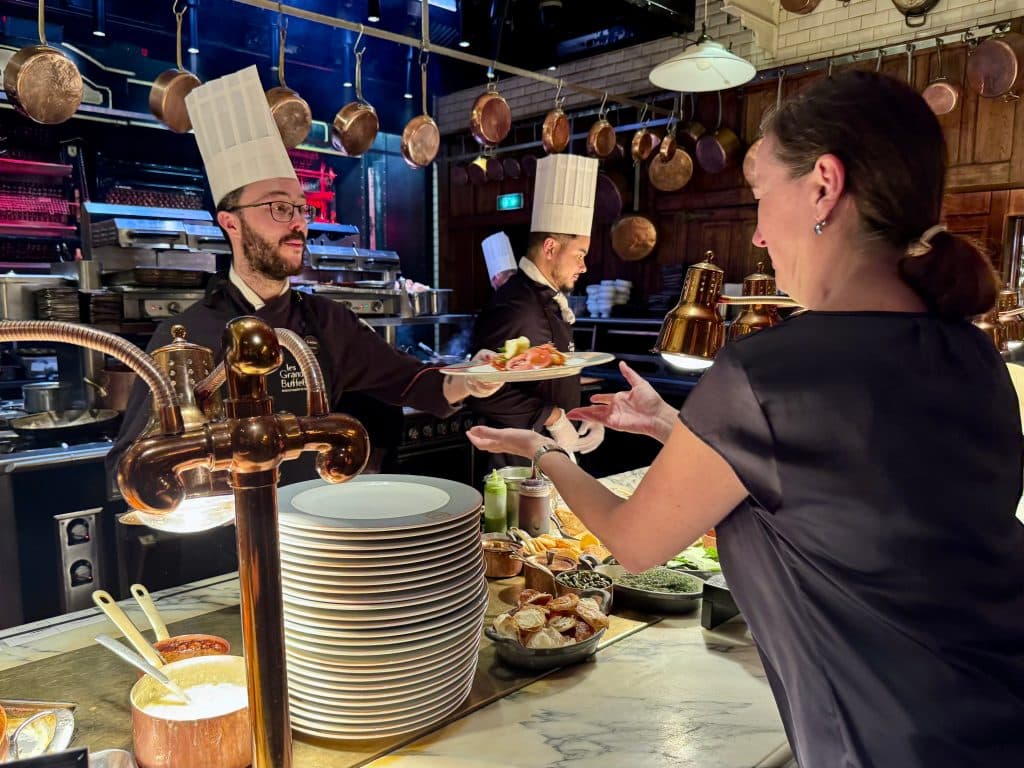
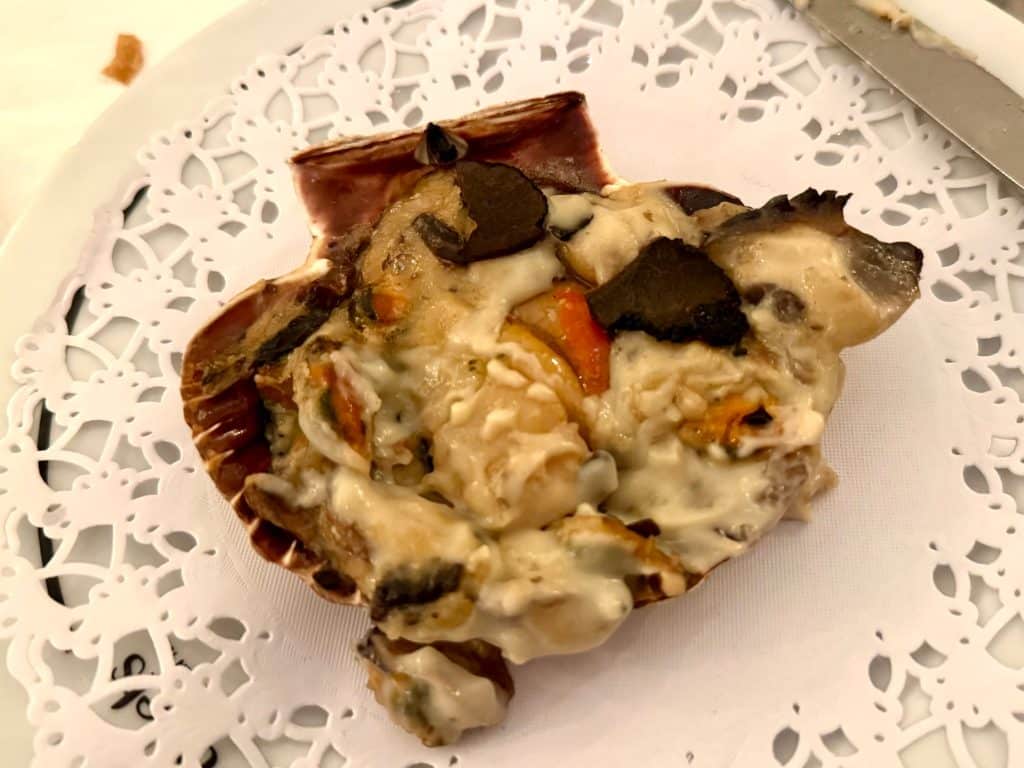
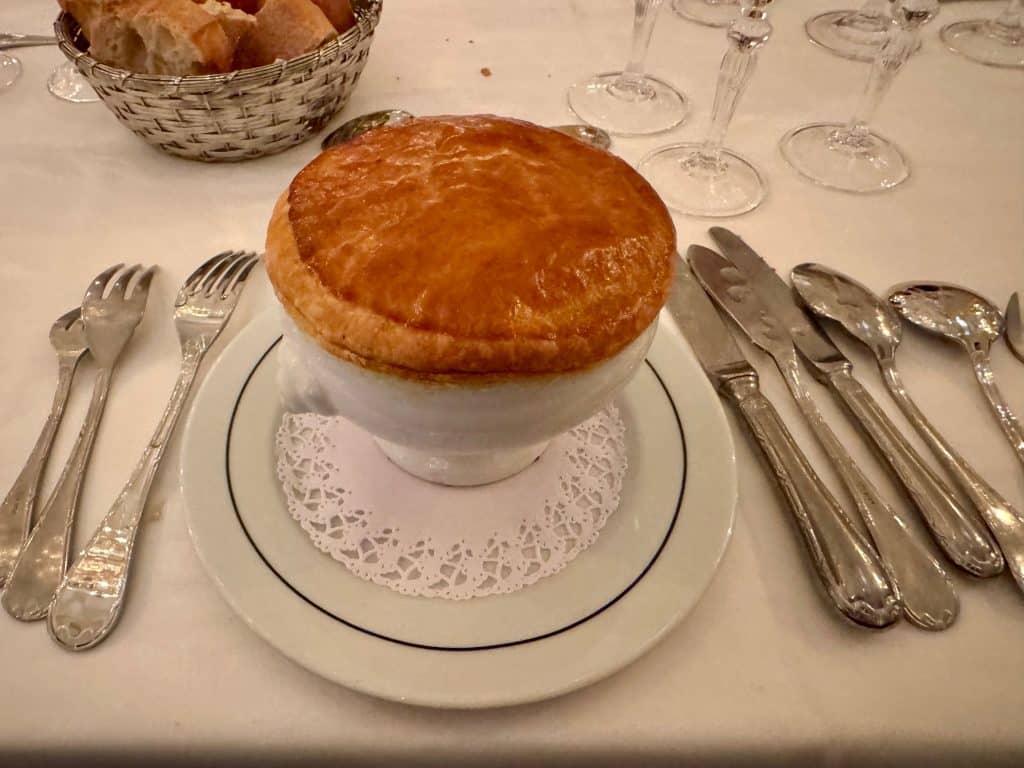
- Hot Dishes and Rotisserie: This station offers a range of classic French main courses, with special entrees prepared to order. Highlights include gratinated mussels, escargots, coquilles St. Jacques, frog legs, sweetbreads vol-au-vent, roasted lamb, and hare à la Royale.
- Carving Station: Adjacent to the "canard au sang" station, a chef carves prime rib, suckling lamb, and suckling pig to order.
-
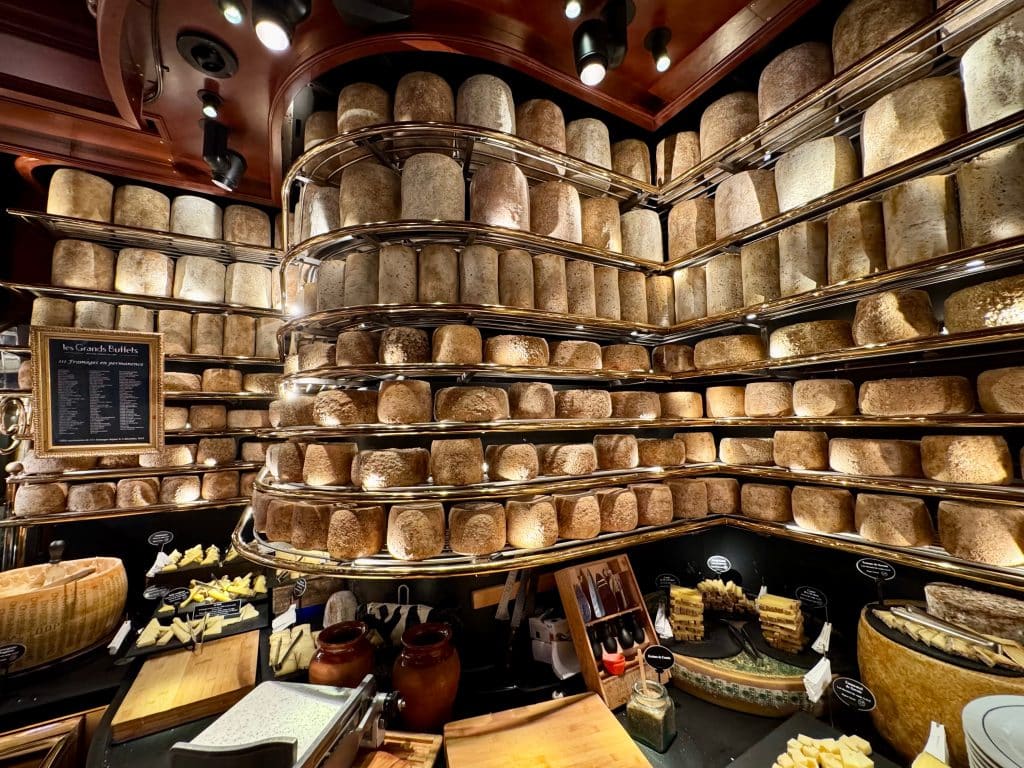
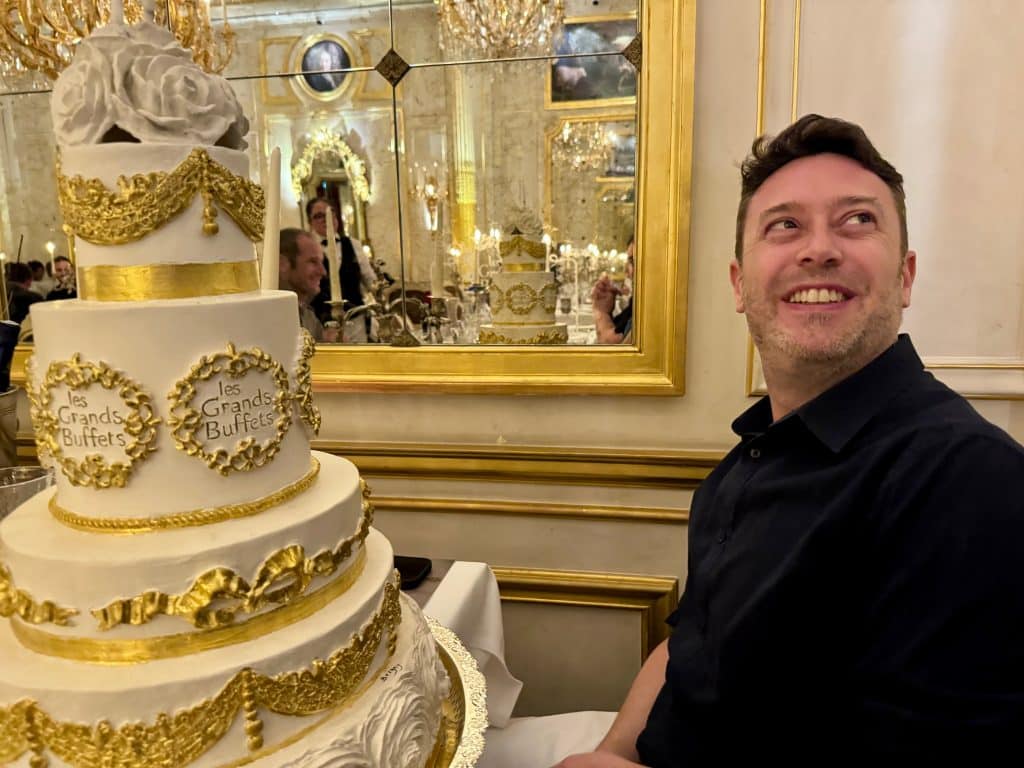
The Guinness World Record Cheese Buffet: A true centerpiece of Les Grands Buffets is its unparalleled cheese selection, holding the Guinness World Record for the largest in a restaurant, featuring 111 distinct varieties. This impressive display includes an array of hard, soft, blue, and truffle-studded cheeses. Notable selections often include a sumptuous, melty Brie enriched with black truffles and the distinctive Tête de Moine cheese from Switzerland, which is shaved into delicate rosettes.
-
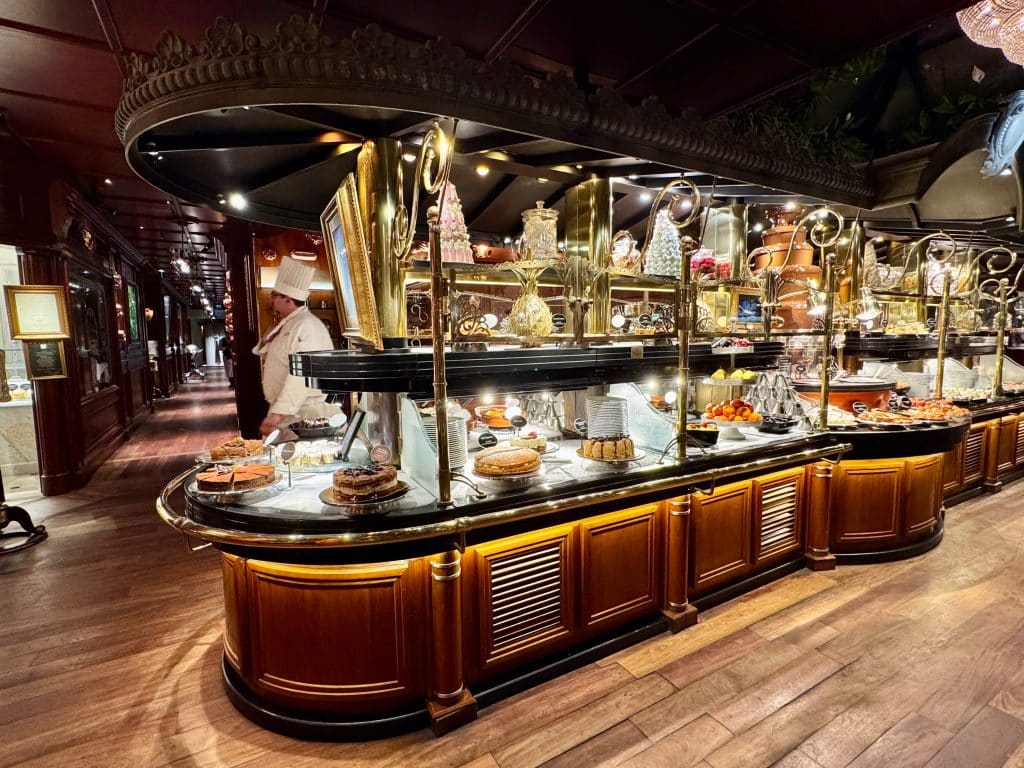
Dessert Extravaganza: The dessert offerings are equally lavish, catering to every sweet tooth:
- Cakes and Pastries: A wide assortment of baked delights, such as feuilletine chocolate royal cake, Paris-Brest with praline, and Black Forest gateau, alongside crème caramel, crème brûlée, floating islands, poached pears, and caramelized baked apples.
- Blazed Desserts: A theatrical station where desserts like crêpes suzette, blazed rum bananas, and Baked Alaska are prepared with flames.
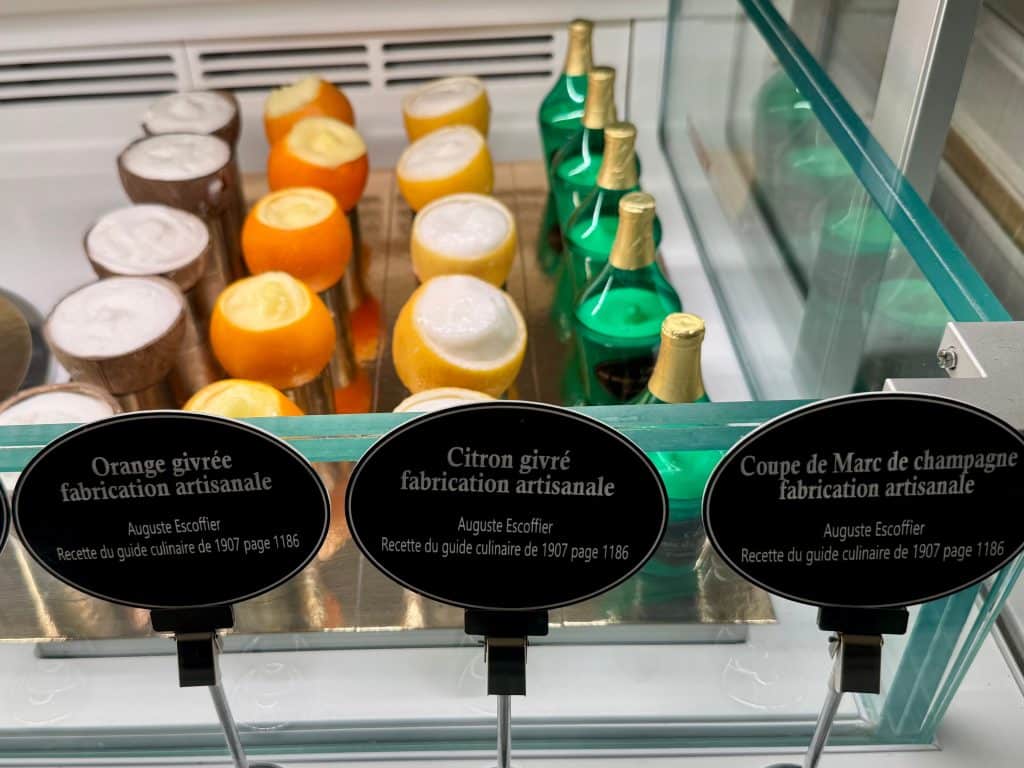
- Frozen Desserts: Features ice cream, sorbet-stuffed fruits (lemons, oranges, coconuts), chocolate profiteroles, and various sundaes.
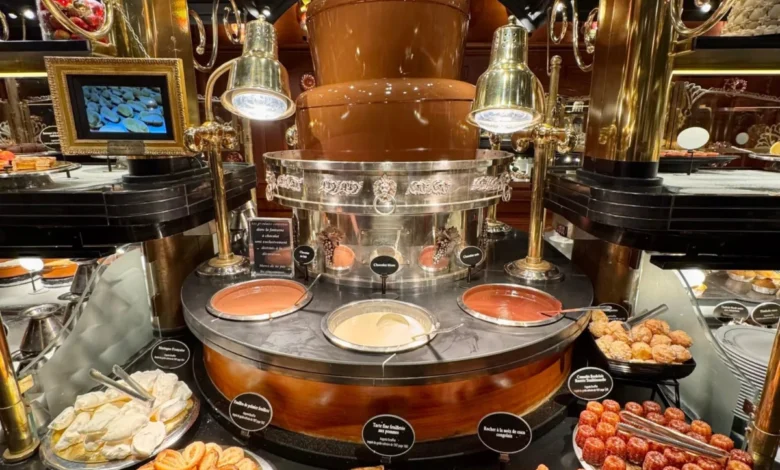
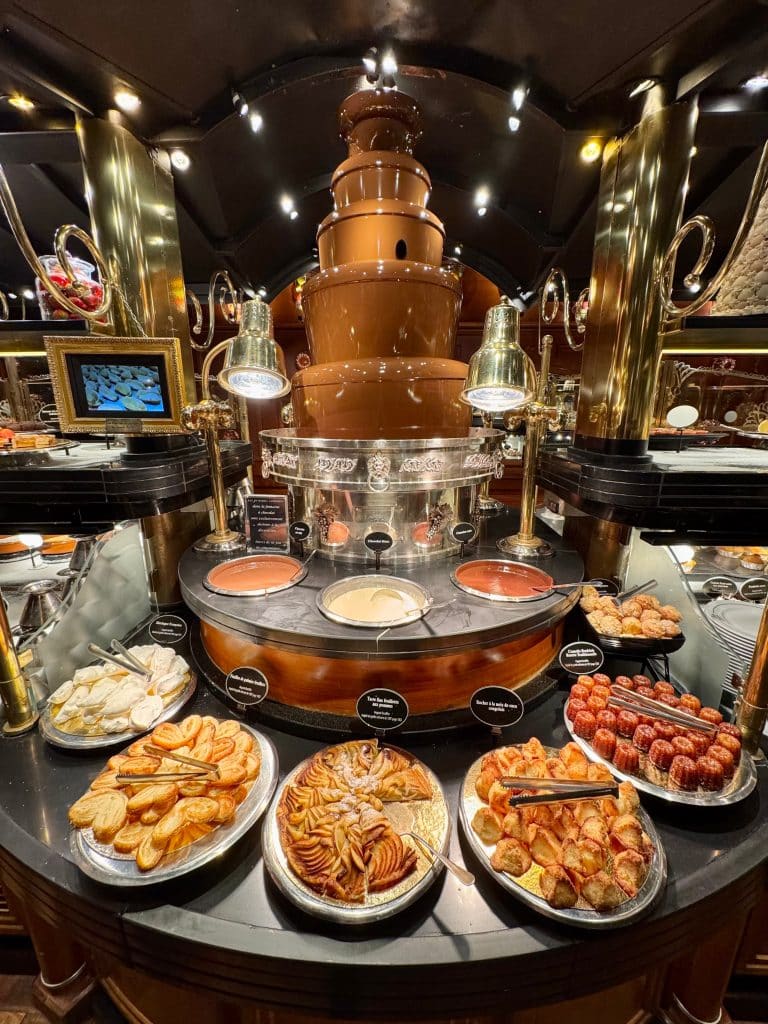
- Chocolate Fountain: A popular attraction with melted dark, milk, and white chocolate, accompanied by meringues, palmiers, and macarons.
-
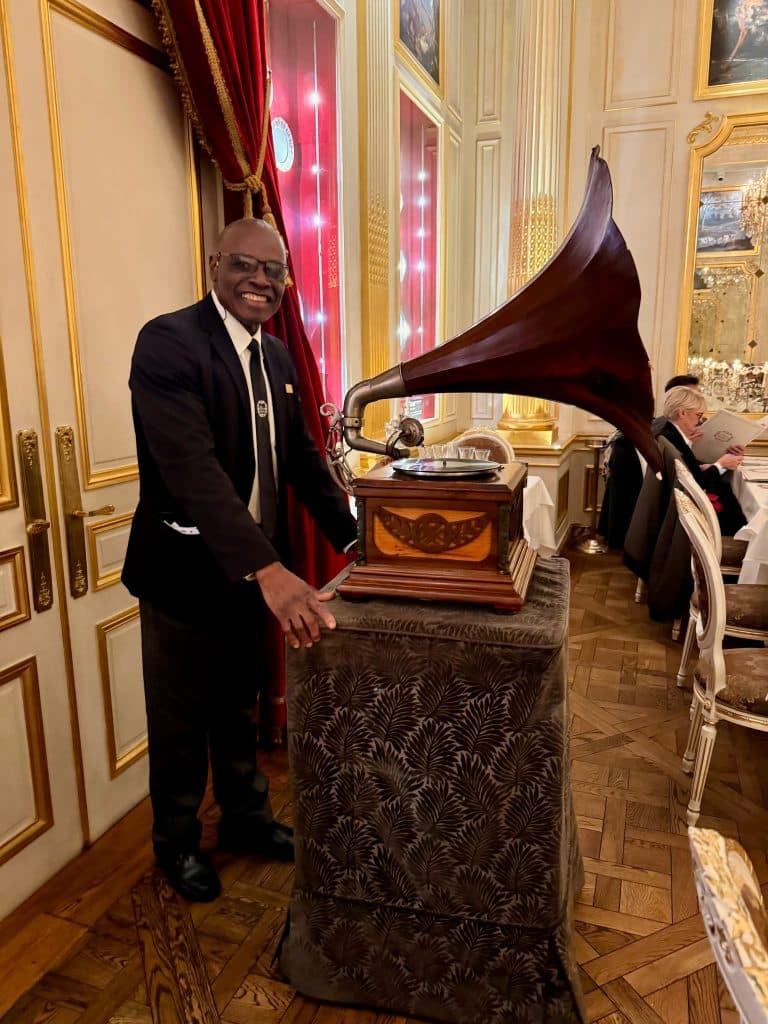
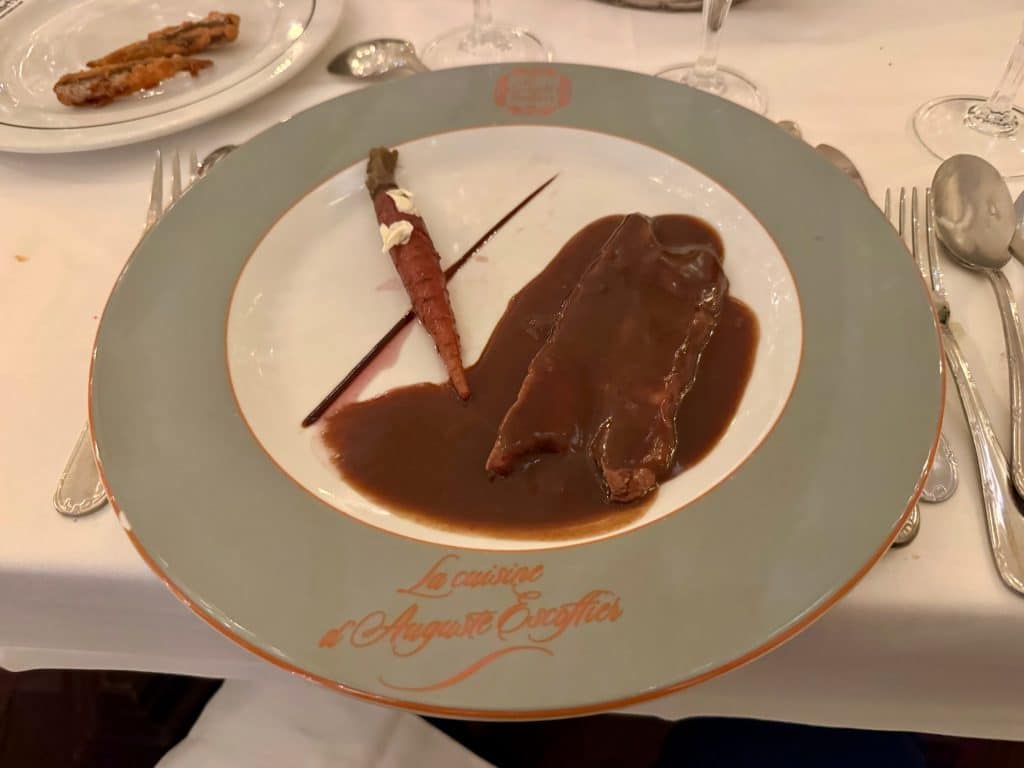
The "Canard au Sang" Ceremony: A highlight of the dining experience is the ceremonial preparation of "canard à la presse" (pressed duck). Periodically throughout the evening, a whole-roasted duck is ritually carved, and its carcass is pressed in a historic silver duck press to extract its juices, which are then used to create a rich blood sauce, often flambéed. This ceremony is accompanied by Wagner’s "Ride of the Valkyries." The duck press itself is a historical artifact, originally used at the legendary Parisian restaurant La Tour d’Argent and acquired by Les Grands Buffets at auction in 2016 for €40,000. Les Grands Buffets remains the only restaurant in France to offer "canard à la presse" at every lunch and dinner service, underscoring its dedication to culinary heritage.
Navigating the Experience: Reservations and Logistics
Securing a reservation at Les Grands Buffets requires foresight due to its immense popularity. Reservations are typically released several months in advance, and booking on weekends can be particularly challenging, often requiring reservations six months or more ahead of time. Midweek bookings generally offer more availability.
- Booking Process: Reservations are made online and require a credit card guarantee. Options include a €5 "cancellation guarantee" per person, allowing free cancellation up to 11 days prior, or a €20 non-refundable deposit deducted from the final bill. No-shows are charged €50 per person. Changes to reservations necessitate cancellation and rebooking.
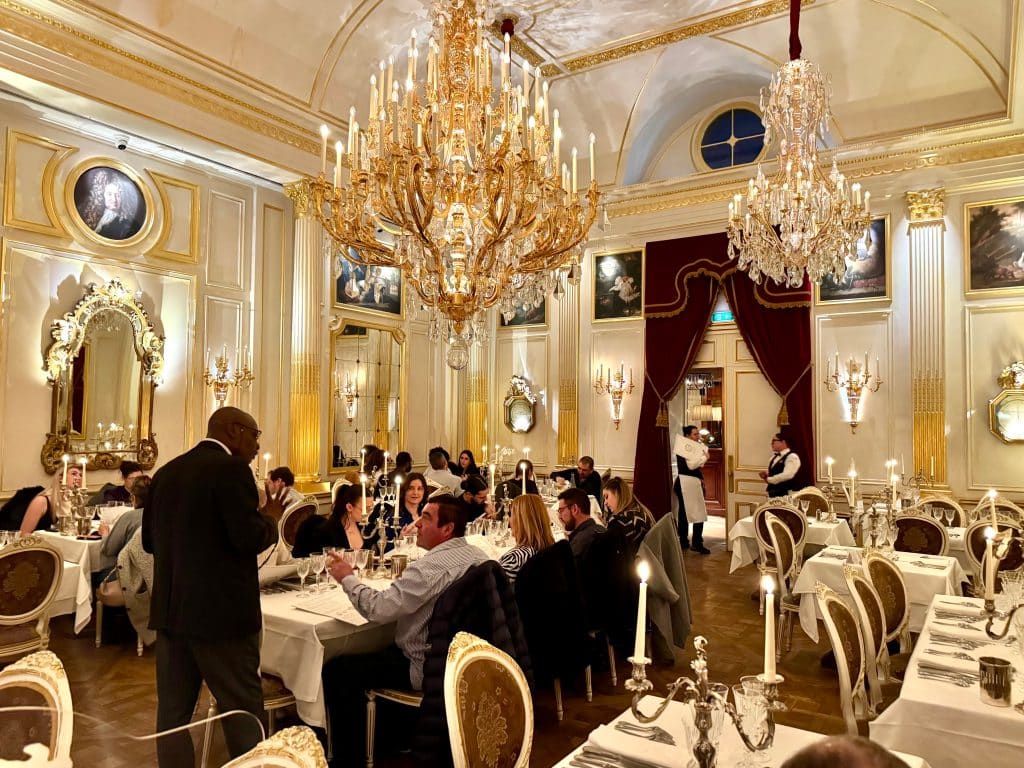
- Dining Environment: The restaurant features several themed dining rooms, including the opulent Salon Doré (Gold Room), a Baroque-inspired space adorned with white columns, gold trim, red velvet curtains, and grand crystal chandeliers. Other rooms include the Salle à Manger Max le Verrier, Salle à Manger Ann Carrington, Jardin Hervé di Rosa (an outdoor garden terrace, subject to weather cancellations), and Tente d’Apparat Jean Baptiste Nolin.
- Visitor Guidelines: Les Grands Buffets maintains a dress code, prohibiting sportswear, casual shorts, swimwear, board shorts, tank tops, sports jerseys, flip-flops, and hats. The restaurant also advises against bringing young children, explicitly stating that children are charged the full adult price, no kids’ meals are offered, and strollers cannot be stored. Children are not permitted to walk around unsupervised, reflecting the restaurant’s sophisticated dining atmosphere.
Culinary Highlights and Recommendations
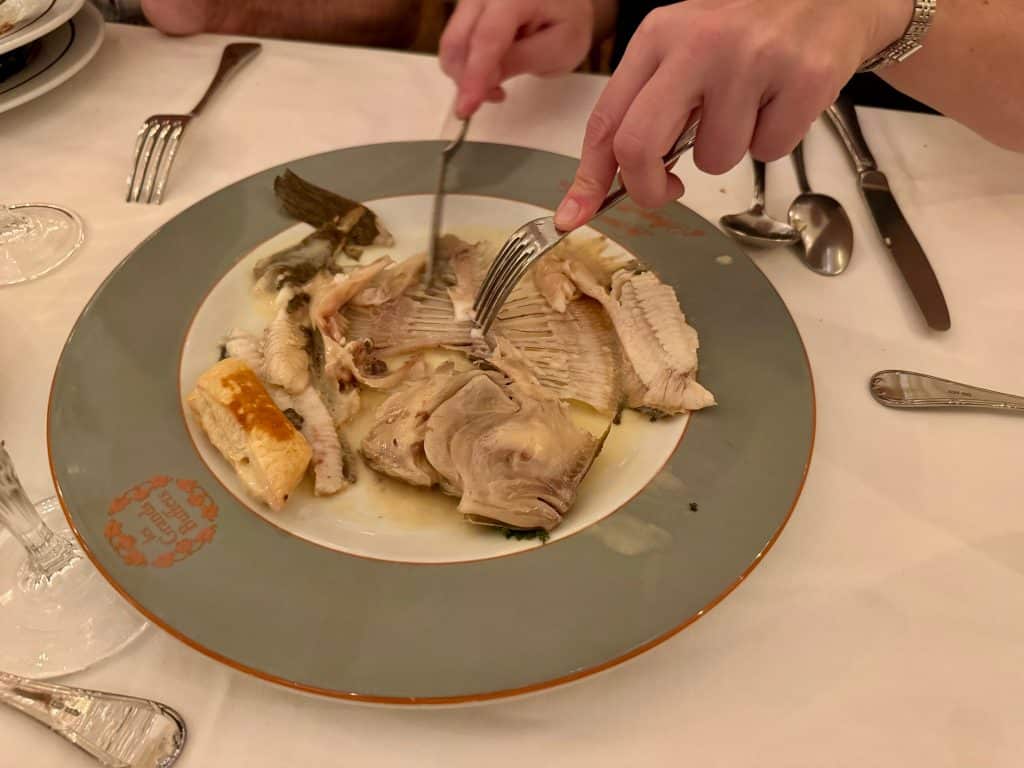
While the overall quality of food at Les Grands Buffets is consistently high, certain dishes are frequently cited by patrons as exceptional. The foie brûlée, a decadent fusion of foie gras and crème brûlée, stands out as a universally praised item for its rich, sweet flavor and caramelized crust. The warm Atlantic lobster, snow crab legs, and the foie and truffle soup also receive high acclaim. The truffled scrambled egg and Coquilles St. Jacques from the rotisserie section, along with the turbot in beurre blanc, are noted for their refined flavors. Among the cheese selection, the truffle-studded Brie and Tête de Moine are particular favorites.
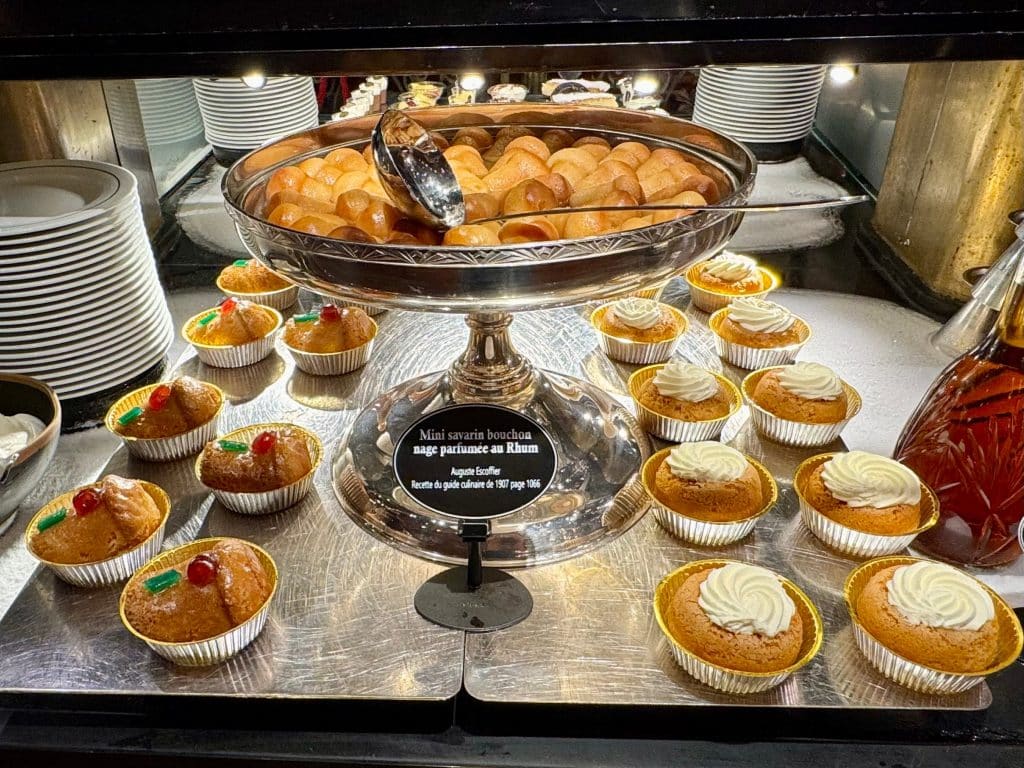
Conversely, some dishes, while not poor in quality, may not reach the same heights of distinction. The charcuterie, though varied, is sometimes considered less remarkable compared to specialized offerings found elsewhere. Certain desserts like the caneles and Paris-Brest cake have occasionally been noted as less inspiring. Dishes such as cold lobster, escargots, pig’s ear in jelly, asparagus, and sweetbreads vol-au-vent receive mixed reviews, with some diners finding them less appealing than other choices. The famous "canard au sang" also elicits diverse reactions, highlighting personal preferences in such a broad culinary offering.
Accessibility and Regional Integration
Narbonne, though perhaps less known than major French cities, is surprisingly accessible and serves as an excellent base for exploring the Languedoc-Roussillon region (now part of Occitanie). The city is well-connected by direct train lines to several major hubs:
- From Barcelona: Approximately 2 hours.
- From Toulouse: Approximately 1 hour.
- From Montpellier: Approximately 30 minutes.
- From Marseille: Approximately 3 hours.
Travelers arriving from other continents often find Barcelona a convenient international gateway, while those within Europe can explore various smaller airports in Girona, Toulouse, Montpellier, and Marseille, which are served by budget airlines. Renting a car is also a popular option, as the roads in Southern France and Northern Spain are well-maintained, facilitating scenic road trips.
Narbonne itself, with its rich history and picturesque canal, offers a charming stopover. Accommodation options range from boutique hotels to guesthouses. For instance, Maison du Cloitre Couvent des Carmes, a property in a former convent, is conveniently located between the train station and Les Grands Buffets. Proximity to the train station and the restaurant (approximately a 30-minute walk) is a key consideration for visitors.
Broader Significance and Economic Impact
Les Grands Buffets holds significant cultural and economic importance. Culturally, it acts as a living museum of classic French cuisine, preserving dishes and preparation methods that might otherwise fade from popular dining. Louis Privat’s vision to maintain these traditions in an accessible format contributes to the ongoing vibrancy of French gastronomy. Economically, the restaurant is a major draw for tourism in Narbonne and the wider Occitanie region, attracting hundreds of thousands of visitors annually. This influx of culinary tourists supports local businesses, from hotels and transportation to other attractions, solidifying Narbonne’s position as a noteworthy destination on the international food map. The success of Les Grands Buffets also demonstrates a unique and successful business model, proving that high-quality, luxury dining can be delivered on a large scale within an all-you-can-eat framework, challenging conventional perceptions of buffets.
In conclusion, Les Grands Buffets in Narbonne stands as a remarkable culinary institution, offering an unparalleled opportunity to indulge in the richness of French cuisine at exceptional value. Its dedication to preserving tradition, coupled with its innovative fixed-price model and world-record-holding cheese selection, makes it a highly recommended destination for anyone seeking a truly memorable gastronomic experience in Southern France.
Related posts: