Madrid, the capital and largest city of Spain, has undergone a significant transformation over the last decade, transitioning from a political and administrative hub into one of the world’s most sophisticated destinations for culture, gastronomy, and urban living. Historically overshadowed by the coastal allure of Barcelona or the moorish charm of Andalusia, Madrid is now increasingly recognized by international tourism analysts and urban planners as a "connoisseur’s city." This designation stems from a unique combination of high-density urbanism, a world-class public transportation network, and a social fabric that prioritizes local rhythms over a purely tourist-centric economy. According to recent data from the National Statistics Institute (INE), Madrid welcomed over 10 million visitors in 2023, with a marked increase in high-spending international travelers drawn to the city’s "Golden Triangle of Art" and its burgeoning luxury hotel sector.
Historical Context and the Urban Clock
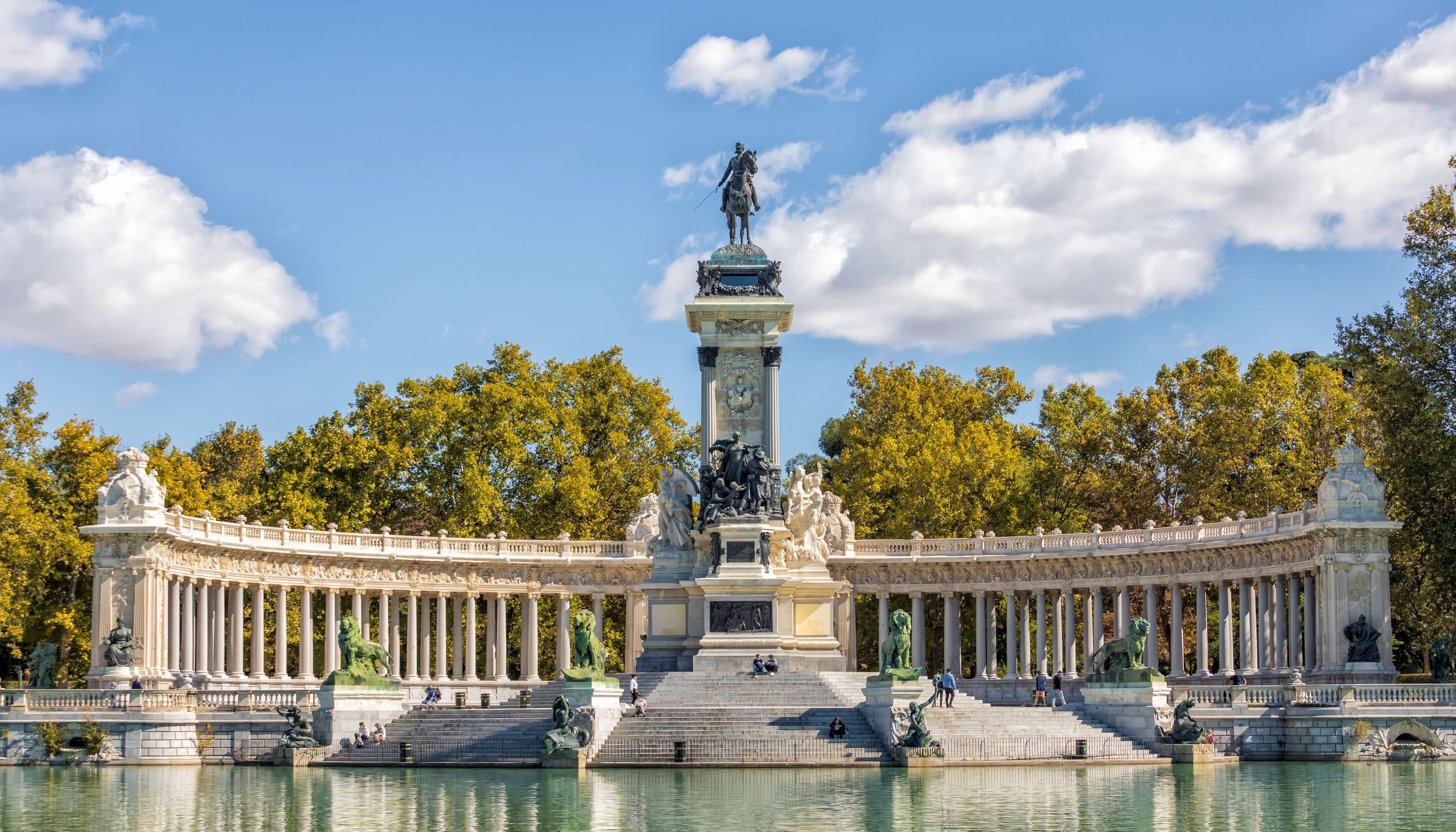
To understand Madrid’s current standing, one must examine its historical trajectory and the unique socio-cultural "clock" that governs the city. Madrid was established as the capital of the Spanish Empire in 1561 by Philip II, largely due to its central geographic location on the Iberian Peninsula. This centrality has allowed it to serve as the melting pot of various Spanish regional cultures. The city’s modern identity was further forged during the "Movida Madrileña," a counter-cultural movement that followed the end of the Francoist dictatorship in the late 1970s. This era birthed the city’s legendary nightlife and its unapologetic embrace of late-night social rituals.
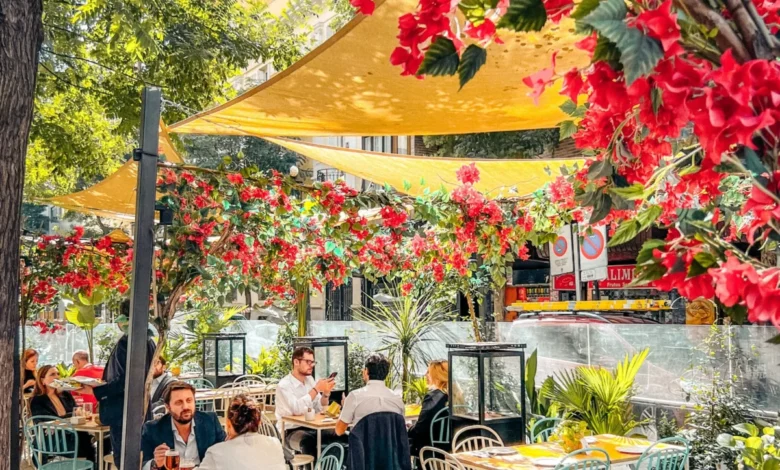
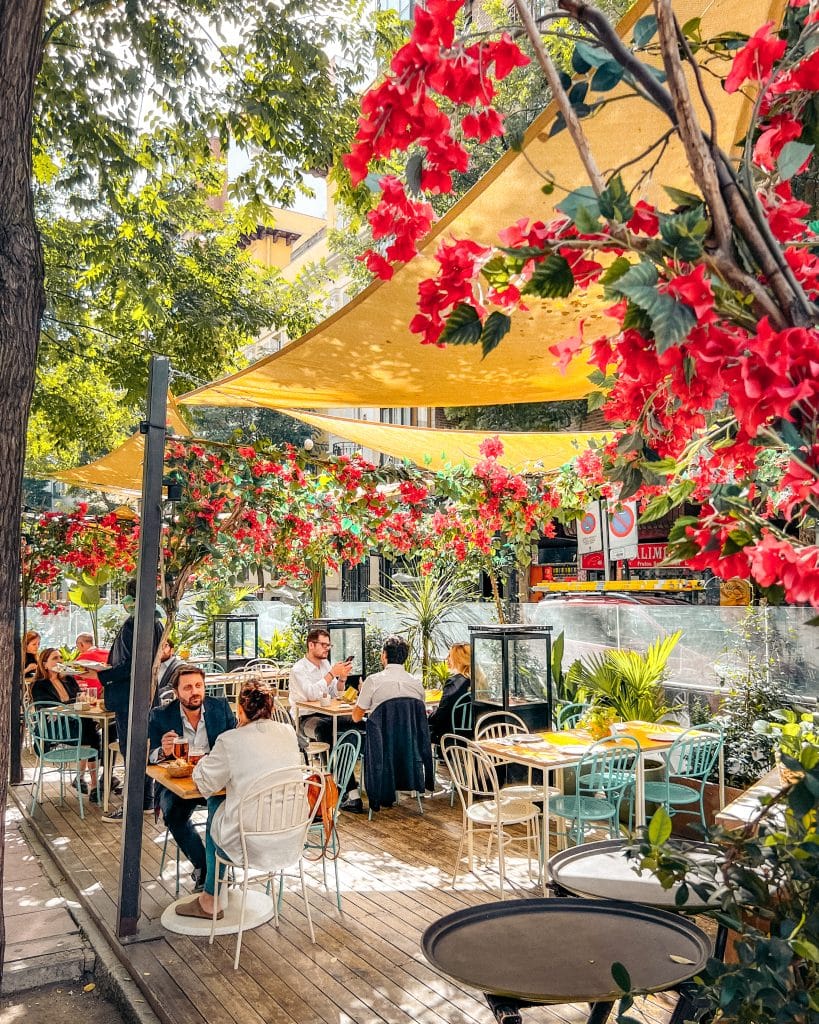
Unlike many other European capitals that have standardized their schedules to accommodate global business hours, Madrid operates on a distinct timeline. The ritual of the "tardeo"—late-afternoon social gatherings on outdoor terraces—serves as a bridge between the workday and a dining culture where lunch rarely begins before 2:00 PM and dinner is often served after 9:00 PM. Sociologists suggest this schedule fosters a high level of social cohesion and public safety, as the streets remain vibrant and populated well into the early morning hours.
The Golden Triangle of Art and UNESCO Recognition
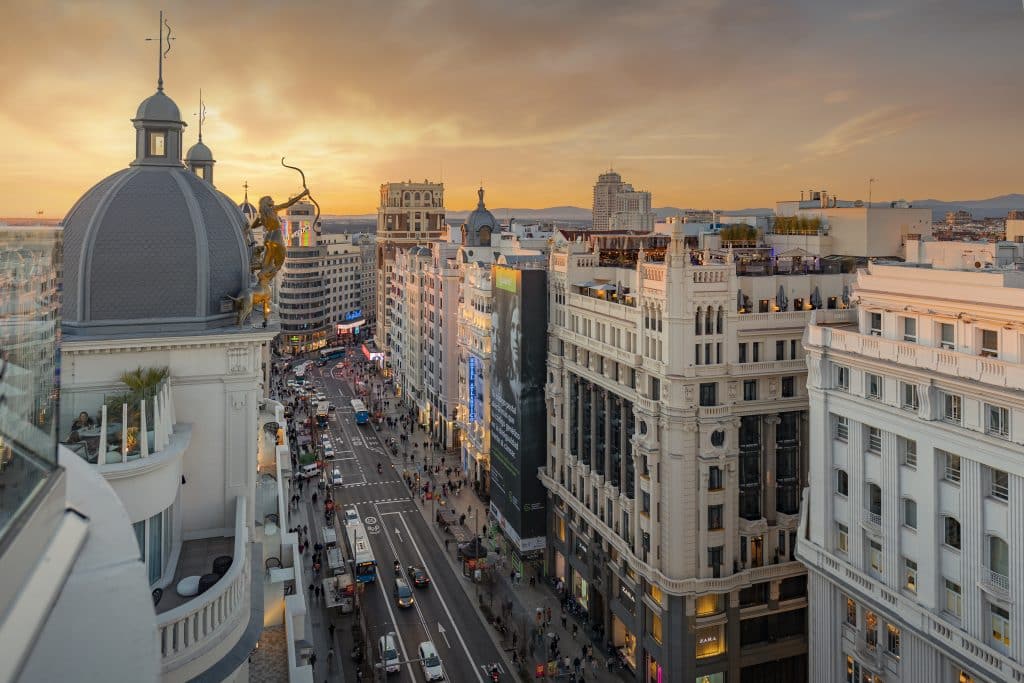
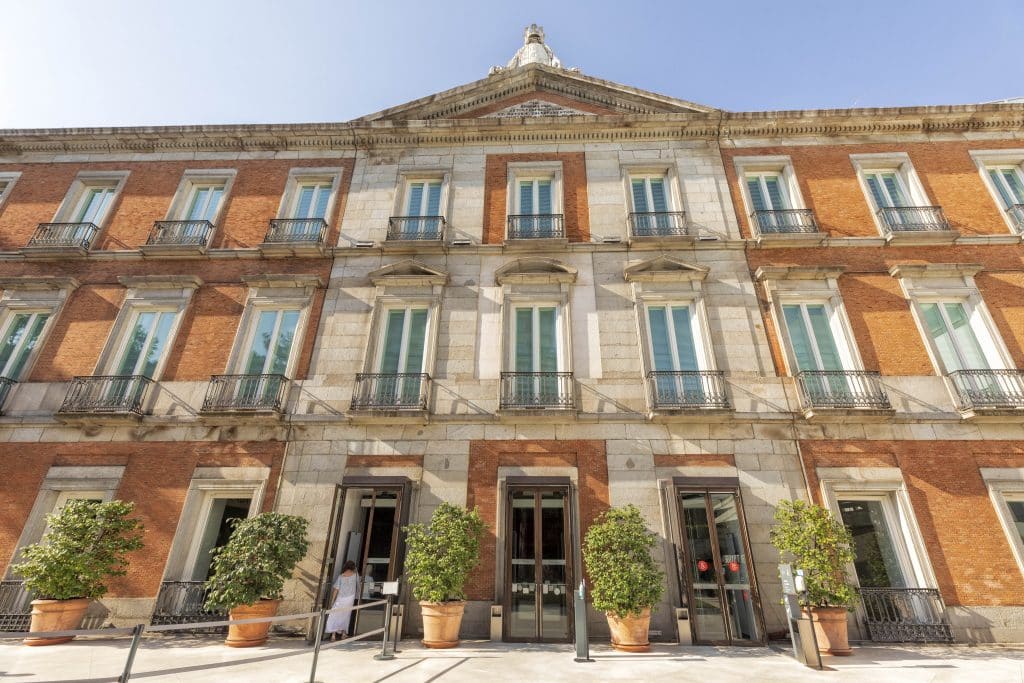
The cultural backbone of Madrid is the "Golden Triangle of Art," a concentrated area along the Paseo del Prado that houses three of the world’s most significant art museums. In 2021, UNESCO officially recognized this area, along with the adjacent El Retiro Park, as a World Heritage Site under the category "Paseo del Prado and Buen Retiro, a landscape of Arts and Sciences."
- The Prado Museum: Established in 1819, it holds one of the world’s finest collections of European art, dating from the 12th century to the early 20th century. It is particularly renowned for its extensive holdings of works by Diego Velázquez, Francisco Goya, and Hieronymus Bosch.
- The Reina Sofía National Art Centre: This institution focuses on 20th-century and contemporary art. Its centerpiece is Pablo Picasso’s "Guernica" (1937), a monumental anti-war statement that moved to the museum in 1992. The museum also highlights surrealists like Salvador Dalí and Joan Miró, alongside contemporary Spanish artists such as Ángeles Santos Torroella.
- The Thyssen-Bornemisza National Museum: Originally a private collection, this museum fills the historical gaps left by its neighbors, offering a comprehensive survey of art from Italian Primitives to English, Dutch, and German schools, as well as 20th-century Pop Art and Impressionism.
The presence of these institutions creates a cultural density that is rarely matched globally. City officials have leveraged this "Art Walk" to diversify the tourism profile, moving away from mass tourism and toward "quality tourism" that values heritage and education.
Urban Greenery: The Lungs of the Metropolis
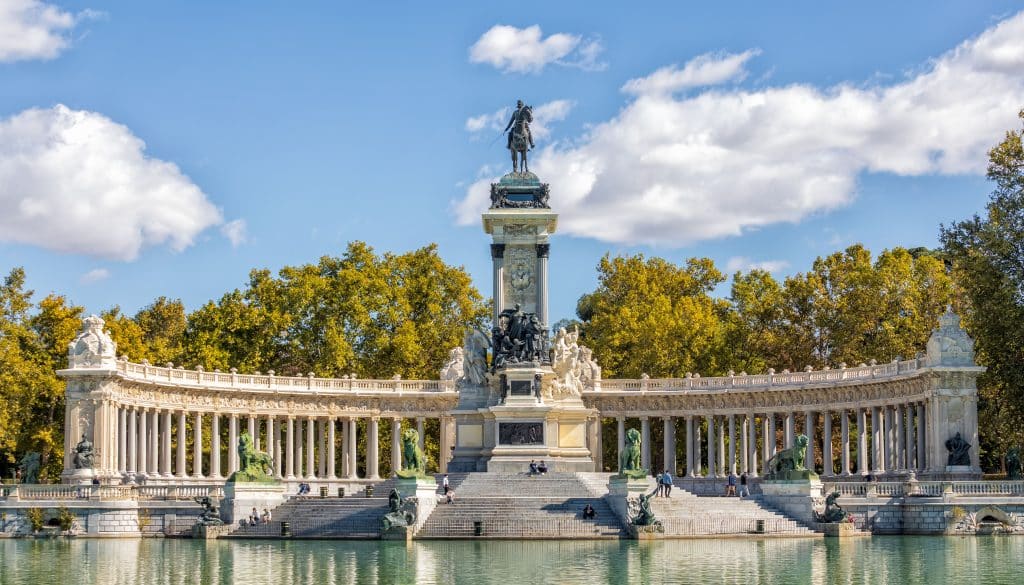
A critical component of Madrid’s urban appeal is its commitment to public green space. El Retiro Park (Parque del Buen Retiro), spanning 125 hectares, serves as the city’s primary "green lung." Originally a royal garden for the House of Austria, it was opened to the public in the late 19th century. The park is home to the Crystal Palace, a 19th-century glass-and-iron structure originally built for the Philippine Islands Exhibition, and the Monument to Alfonso XII, which overlooks a large rowing pond.
Beyond El Retiro, Madrid has invested heavily in the "Madrid Río" project, a massive urban reforestation and park development along the Manzanares River. By burying the M-30 motorway, the city reclaimed miles of riverfront for pedestrians and cyclists, significantly improving the local microclimate and providing a model for sustainable urban redevelopment.
Gastronomic Innovation and Traditional Markets
Madrid’s culinary scene is characterized by a dual commitment to historical preservation and avant-garde innovation. The city is home to Sobrino de Botín, recognized by the Guinness World Records as the oldest continuously operating restaurant in the world (founded in 1725). Simultaneously, Madrid has become a hub for Michelin-starred dining, with chefs like David Muñoz (DiverXO) pushing the boundaries of global fusion.
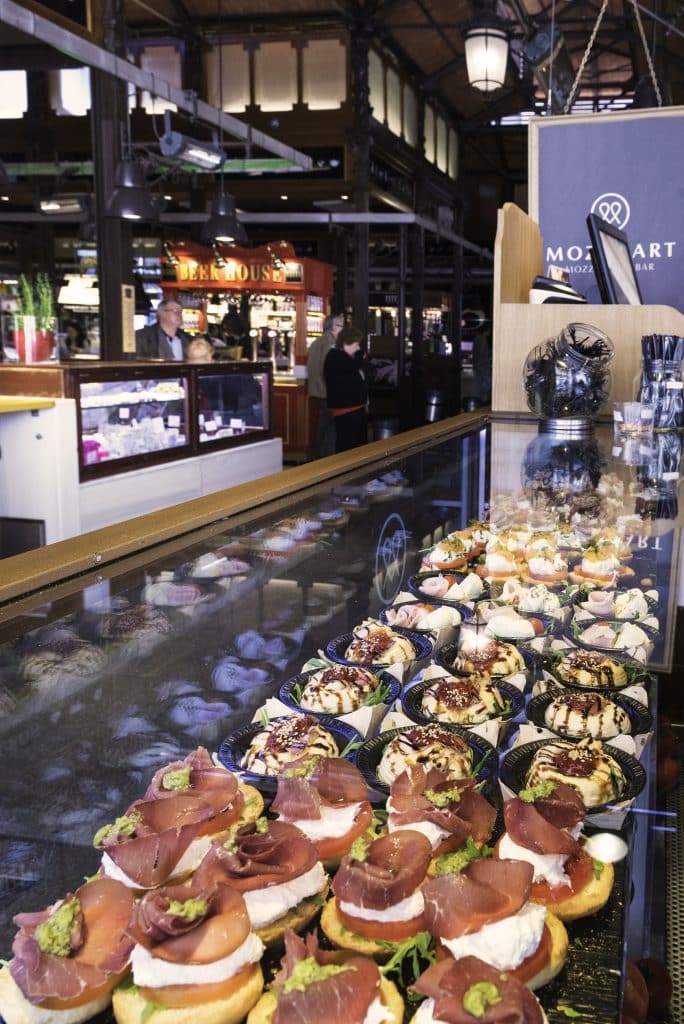
The "Mercado" culture has also evolved. The Mercado de San Miguel, located near Plaza Mayor, was one of the first traditional markets to be reimagined as a gourmet food hall. While it remains a major tourist draw, other markets like Mercado de San Fernando or Mercado de Antón Martín serve a more local clientele, offering a mix of traditional produce stalls and niche international eateries. Signature local dishes, such as cocido madrileño (a chickpea-based meat stew) and bocadillo de calamares (squid sandwich), remain staples of the city’s identity, often paired with the local tradition of drinking vermouth on tap.
Neighborhood Dynamics and Socio-Economic Shifts
The city is a mosaic of distinct districts, each contributing to its multifaceted identity.
- Malasaña: Known as the creative heart, it has undergone significant gentrification since its days as the epicenter of the Movida. It is now characterized by vintage boutiques and independent cafés.
- Chueca: Internationally recognized as a premier LGBTQ+ neighborhood, it hosts one of the largest Pride celebrations in the world and has been instrumental in Madrid’s reputation for inclusivity.
- Salamanca: This district represents the city’s luxury sector, featuring wide 19th-century boulevards and high-end international fashion houses.
- Carabanchel and Chamberí: These areas represent the "authentic" Madrid. Chamberí retains a traditional residential feel, while Carabanchel is emerging as a new artistic frontier, as rising rents in the city center drive artists and galleries to former industrial spaces in the south.
Comparative Analysis: Madrid vs. Barcelona
For decades, Barcelona was the undisputed leader of Spanish tourism. However, recent years have seen a shift in momentum. While Barcelona has struggled with the social and political complexities of "overtourism" and a strong push for regional independence, Madrid has positioned itself as a stable, open, and business-friendly alternative. Economic data indicates that Madrid now contributes approximately 19% of Spain’s GDP, slightly surpassing Catalonia’s contribution. The city’s tourism strategy focuses on lengthening the average stay and increasing per-capita spending, rather than simply increasing visitor volume.
Infrastructure and Accessibility
Madrid’s infrastructure is a cornerstone of its success. The Adolfo Suárez Madrid-Barajas Airport (MAD) is the primary gateway to Spain and a major hub for flights between Europe and Latin America. The city’s Metro system is frequently cited as one of the most efficient and cleanest in Europe, featuring over 300 stations. Furthermore, Madrid serves as the central hub for the AVE (high-speed rail) network, allowing travelers to reach cities like Seville, Valencia, and Barcelona in under three hours. This connectivity makes Madrid an ideal base for broader Iberian exploration.
Official Strategy and Future Outlook
Madrid Destino, the city’s tourism and culture board, has emphasized a "sustainable and decentralized" growth model. By promoting day trips to nearby UNESCO sites like Toledo, Segovia, and Aranjuez, the city aims to distribute the economic benefits of tourism across the central region. Additionally, the "Madrid 360" Environmental Sustainability Strategy has introduced low-emission zones in the city center to combat air pollution and improve the quality of life for residents.
In a statement regarding the city’s future, local tourism officials noted that Madrid’s strength lies in its "living culture." Unlike cities that feel like "open-air museums," Madrid maintains a robust local population that utilizes the same parks, taverns, and plazas as the tourists. This authenticity is viewed as the city’s most valuable asset in an increasingly homogenized global travel market.
As Madrid continues to climb global livability and tourism rankings, it faces the challenges of rising housing costs and the need for balanced urban growth. However, its current trajectory suggests a city that has successfully reconciled its imperial history with a modern, inclusive, and vibrant urban identity, solidifying its place as a premier global capital.