Traveling by train across Europe remains a quintessential and increasingly popular mode of exploration, offering a blend of romance, efficiency, and environmental consciousness. Far from being merely a means of transport, European rail travel provides a unique vantage point to witness the continent’s diverse landscapes and rich cultural tapestry, contributing significantly to both tourism and broader economic integration. This detailed guide delves into the strategic advantages, practical considerations, and evolving landscape of European train journeys, aiming to equip travelers with the knowledge to traverse the continent like seasoned experts.
The Strategic Importance and Enduring Appeal of European Rail
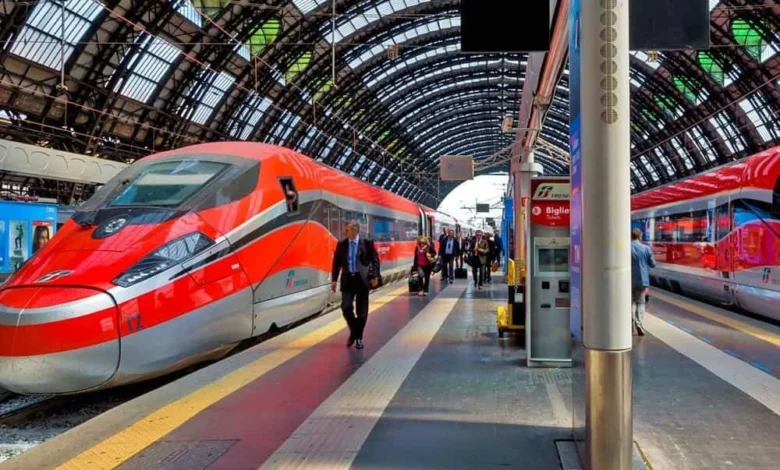
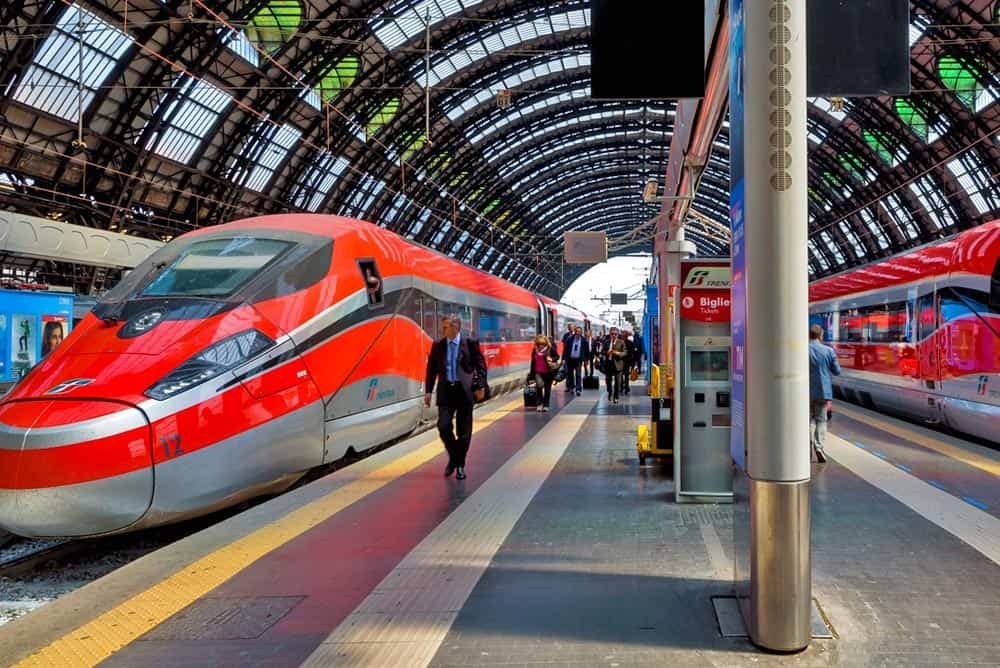
Europe’s extensive railway network, spanning over 200,000 kilometers, is not only a historical legacy but a vibrant, forward-looking component of the continent’s infrastructure. It connects major metropolises with charming regional towns, facilitating millions of passenger journeys annually. High-speed lines, such as France’s TGV, Germany’s ICE, and Spain’s AVE, epitomize modern rail’s commitment to speed and comfort, often reaching speeds exceeding 300 km/h, making inter-city travel remarkably fast and competitive with short-haul flights.
Beyond mere transit, train travel in Europe offers distinct advantages that underpin its enduring appeal. The convenience of city-center to city-center connections eliminates the need for lengthy airport transfers and early check-in times. Passengers enjoy more generous luggage allowances, spacious seating, and the freedom to move about, work, or relax in a way that air travel often restricts. The panoramic views from a train window, traversing rolling hills, historic vineyards, or dramatic coastlines, provide an unparalleled travel experience, fostering a deeper connection with the destinations. Moreover, the ability to enjoy meals, including alcohol, on board, transforms the journey itself into a part of the holiday. From an environmental perspective, rail travel stands as a significantly greener alternative to flying, producing substantially fewer carbon emissions per passenger kilometer, aligning with the European Union’s ambitious climate targets and the Green Deal initiative.
However, the advantages are tempered by certain considerations. The primary challenge can be cost, particularly for high-speed routes booked last-minute, and the inherent complexity arising from a mosaic of national and private rail operators, each with its own ticketing systems and fare structures. While the widespread adoption of digital tools has streamlined much of the process, navigating these intricacies still requires a degree of planning and understanding.
Planning Your Rail Journey: Tools and Strategies
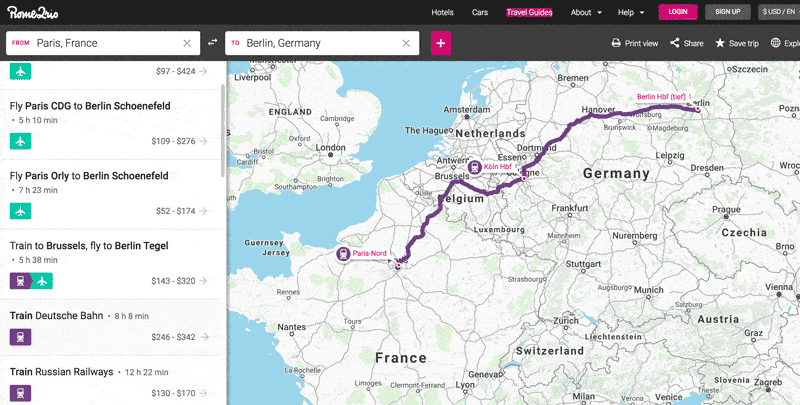
Effective pre-trip planning is paramount to a successful European train journey. Several online platforms have emerged to simplify the process, acting as crucial aggregators for schedules and ticket purchases. Websites like Rome2Rio are excellent for initial route planning, offering comparative analyses across different modes of transportation—train, plane, bus, and car—with estimated costs and travel times. For dedicated train bookings, platforms such as Omio and Trainline have become indispensable. These third-party sites consolidate information from multiple national operators, providing a user-friendly interface to search, compare, and book tickets across various countries in a single transaction, often in English, and supporting multiple currencies.
Complementing these booking engines, national railway websites, such as Deutsche Bahn (Bahn.de) for Germany, offer comprehensive schedules for virtually every train across Europe. While Bahn.de primarily facilitates bookings for German routes, it serves as an invaluable resource for piecing together complex itineraries and identifying reservation requirements for specific services. Travelers are often advised to cross-reference prices between third-party sites and national operators, as the latter may occasionally offer exclusive promotions not available elsewhere.
A critical aspect of modern train travel is the reliance on electronic tickets. Fast and reliable mobile data is no longer a luxury but a necessity for accessing e-tickets, checking real-time schedules, and navigating train stations. Travelers should ensure they have appropriate international roaming plans or local SIM cards to maintain connectivity throughout their journey.
Understanding Train Ticket Pricing and Booking Dynamics
European train ticket pricing operates under two primary models: fixed-price and variable-price fares. Fixed-price fares are typically found on regional and slower local trains, where the cost is solely determined by the distance traveled, regardless of when the ticket is purchased. This offers maximum flexibility, allowing travelers to buy tickets at the station just before departure without financial penalty.
In contrast, variable-price fares are prevalent on high-speed and international services. These fares are dynamic, fluctuating based on demand, time of year, day of the week, and the proximity to the departure date. Much like airline tickets, booking in advance is crucial for securing the cheapest rates. Promotional "saver" fares can be significantly cheaper than last-minute purchases, with discounts sometimes reaching 50-70%. For instance, a high-speed journey from Paris to Amsterdam might cost €35 when booked two months in advance but could escalate to €120 or more on the day of travel. This dynamic pricing model necessitates a balance between planning ahead for savings and maintaining flexibility for spontaneous itinerary changes. Most variable-price tickets become available for purchase 60-90 days before the departure date, making this window ideal for securing optimal fares.
Beyond standard fares, various discounts are often available, including youth, senior, or group rates, as well as regional promotions. While third-party booking sites often incorporate these discounts, consulting national rail websites can sometimes uncover additional, specialized offers.
The Role of Rail Passes: Flexibility Versus Cost-Efficiency
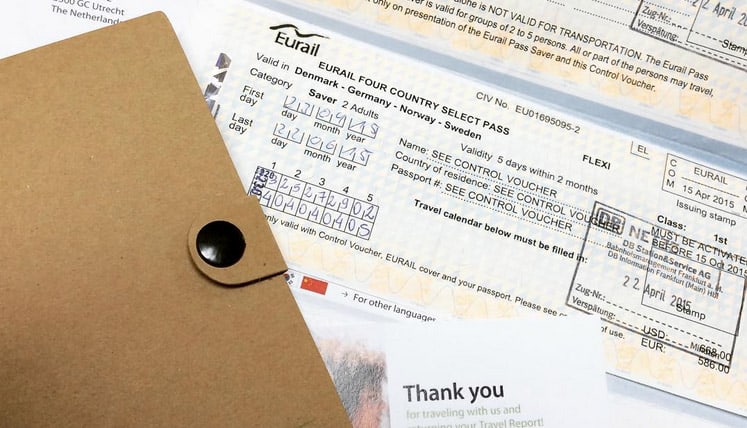
For travelers planning extensive multi-country itineraries, rail passes like Eurail (for non-European residents) and Interrail (for European residents) offer an alternative to individual ticket purchases. These passes provide a single ticket that grants access to most European train services, promising unparalleled flexibility. The ability to hop on and off trains without pre-booking individual tickets, particularly on fixed-price routes, can be incredibly liberating for spontaneous travelers.
However, the utility of rail passes comes with nuances. While they cover the base fare, many high-speed, international, and overnight trains require mandatory seat reservations, which incur an additional fee not covered by the pass. These reservation fees can range from a few euros to significant amounts, especially for popular routes or sleeper services. Furthermore, popular trains can sell out of pass-holder reservations, even if standard tickets are still available, necessitating early booking for these specific segments. Therefore, while passes offer flexibility, their true cost-effectiveness depends heavily on the traveler’s itinerary, the types of trains used, and the willingness to manage reservation requirements. A thorough cost-benefit analysis comparing a pass with individual point-to-point tickets is recommended for complex journeys.
Navigating Train Stations and Onboard Experience
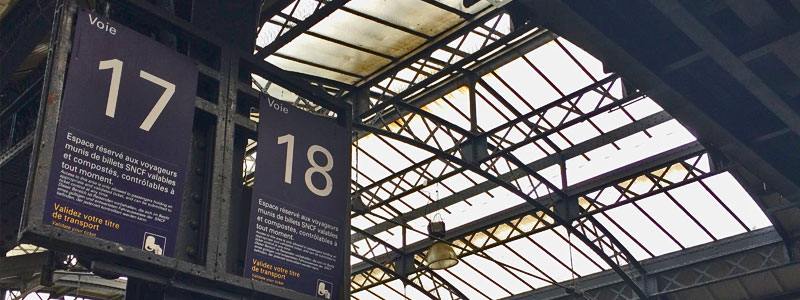
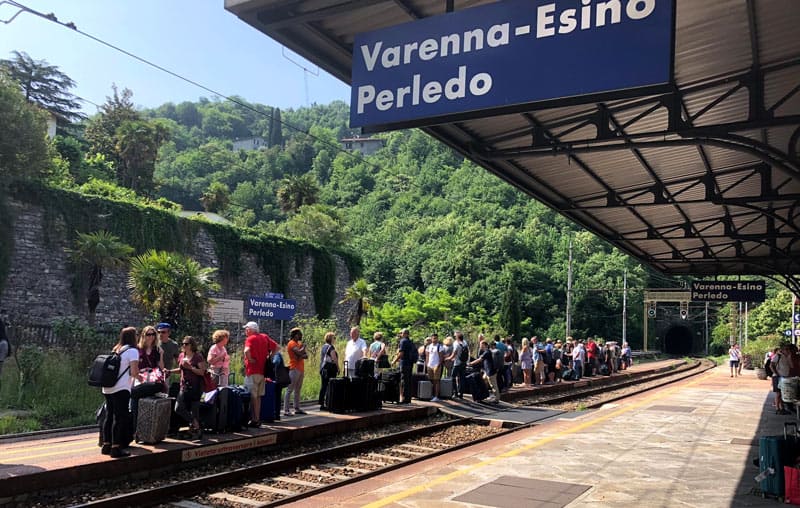
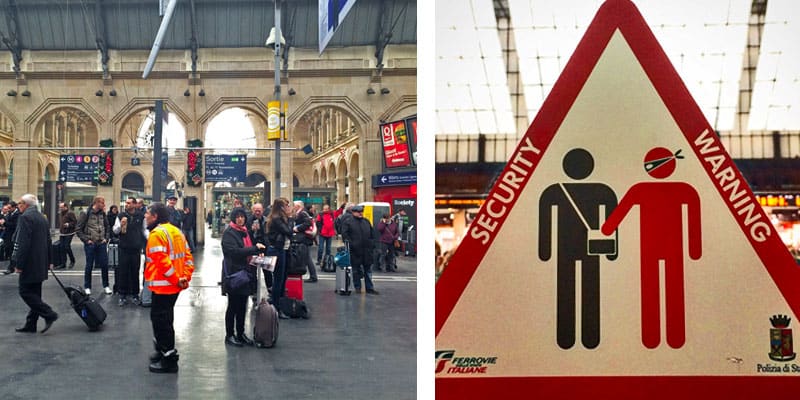
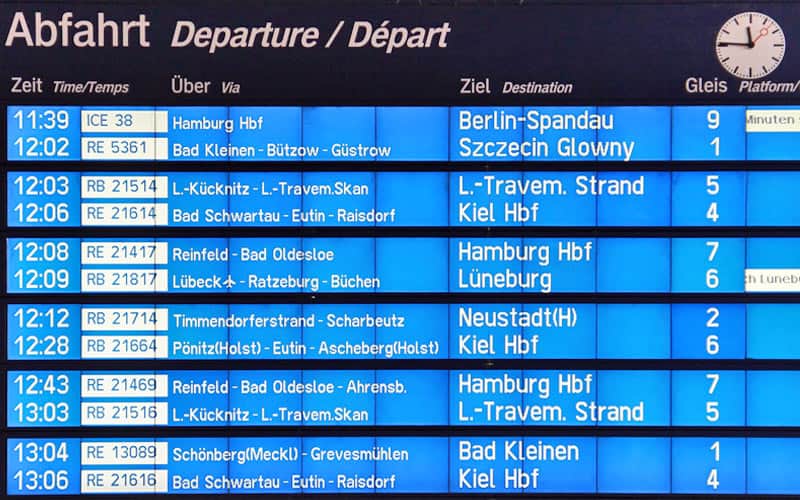
European train stations are often bustling hubs, serving as gateways to cities and multimodal transport centers. While some are grand architectural marvels, all are designed for efficiency, with clear signage typically in local languages and English. Key information to locate upon arrival is the departure board, which displays train numbers, scheduled departure times, and, crucially, the platform (track) number. It is common for platform information to be displayed only 10-15 minutes before departure, requiring travelers to remain vigilant and attentive to updates.
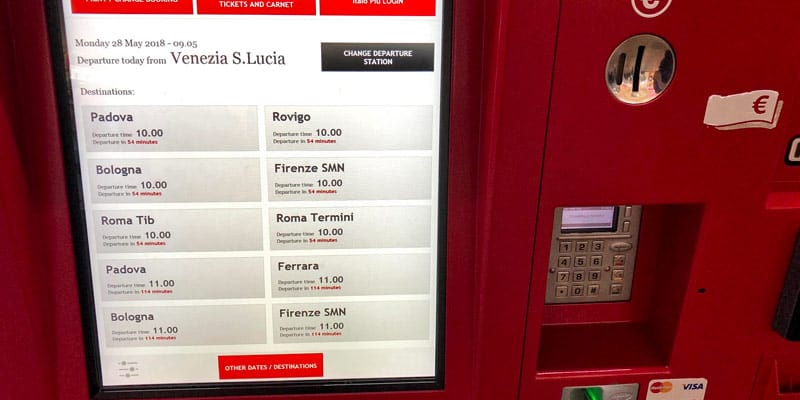
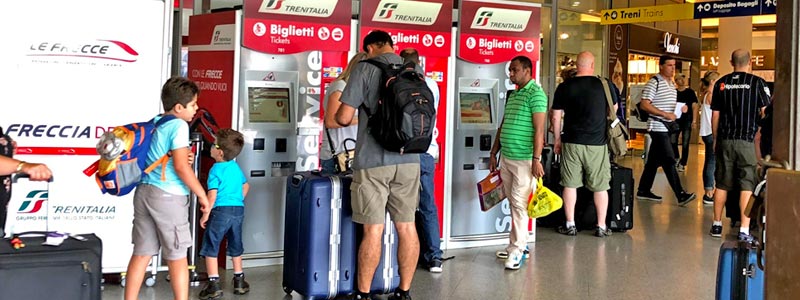
Automated ticket machines are widely available, user-friendly, and usually offer English language options for purchasing tickets or printing pre-purchased ones. While ticket windows staffed by personnel are also an option, they often have longer queues. Safety and security are important considerations in busy stations, which can be targets for pickpockets. Travelers are advised to remain aware of their surroundings and secure their belongings, particularly in crowded areas.
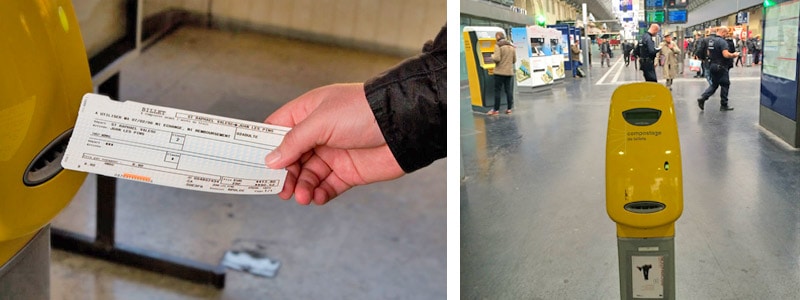
For physical tickets, validation is a critical step in many countries. Small validation machines, typically yellow or green, are located near platform entrances. Inserting the ticket into these machines stamps it with the date and time, preventing fines from conductors. Electronic tickets generally do not require validation as they are usually tied to specific departure times.
Once on board, travelers with assigned seats on high-speed trains should locate their designated car and seat number, clearly marked on the train’s exterior and above the seats. Luggage racks above seats accommodate smaller bags, while larger compartments are available at the ends of most train cars. Conductors will typically check tickets shortly after departure. On some international routes, particularly those crossing external Schengen borders, border patrol agents may board to check passports, though this is less common within the Schengen Area.
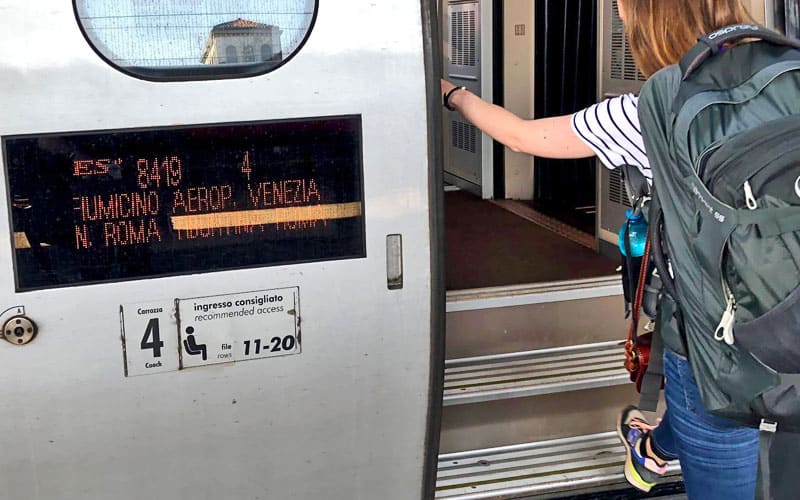
The onboard experience is generally comfortable. Many trains offer catering services, from simple snack carts to full dining cars, and some provide complimentary Wi-Fi, though its reliability can vary. Announcements are usually made in multiple languages, guiding passengers on upcoming stops. It is crucial to pay close attention to station names, especially in cities with multiple stations (e.g., Brussels Nord, Brussels Centrale), to disembark at the correct location.
Economic, Environmental, and Future Implications of European Rail

The European rail network plays a pivotal role in the continent’s economic and environmental future. EU policymakers, notably through initiatives like the "European Year of Rail" in 2021 and the Trans-European Transport Network (TEN-T), are actively promoting rail as the backbone of sustainable mobility. The aim is to shift a significant portion of passenger and freight transport from road and air to rail, contributing directly to climate change mitigation and reducing urban congestion.
Investments are continuously being made to modernize existing infrastructure, develop new high-speed corridors, and enhance cross-border interoperability, including the standardization of signaling systems and the development of integrated ticketing platforms. The digitalization of services, from mobile ticketing to real-time journey information, is set to further enhance the traveler experience and streamline operations.

The implications for tourism are profound. Easier, more sustainable, and comfortable rail travel encourages longer stays, multi-city itineraries, and access to destinations beyond major air hubs. For businesses, efficient rail connections facilitate regional economic growth and improve supply chain logistics.
In conclusion, European train travel is more than just a means of getting from point A to point B; it is an integral part of the European experience, embodying historical charm, modern efficiency, and a commitment to sustainability. With diligent planning and an understanding of its unique dynamics, travelers can unlock the full potential of this exceptional mode of exploration, contributing to a greener, more connected continent.
Related posts: