As the global tourism landscape shifts to accommodate a growing demographic of independent travelers, the year-end holiday season has emerged as a prime period for solo exploration. Traditionally viewed as a family-centric time defined by domestic gatherings and commercial obligations, Christmas and New Year’s are increasingly becoming periods of international transit for individuals seeking respite from routine, alternative cultural experiences, or a complete escape from seasonal commercialism. Compiled from community-driven registries and travel analytics, a comprehensive collection of over 45 international destinations offers a framework for navigating the logistical and psychological complexities of solo holiday travel.
The Motivations and Demographics of Holiday Solo Travelers

Recent travel sentiment data indicates that an increasing percentage of tourists take their annual leave during late December. This trend is particularly pronounced among corporate professionals whose industries experience mandatory shutdowns between Christmas and New Year’s Day. For these travelers, embarking on a solo journey serves a dual purpose: avoiding the financial and emotional pressures associated with traditional holiday gift-giving and family obligations, and engaging with diverse cultural traditions on a personal level.
Psychological profiles of holiday solo travelers often emphasize autonomy. While some individuals seek out bustling urban centers adorned with festive illumination to counteract potential feelings of isolation, others actively select remote geographies—such as quiet coastal bungalows or wilderness retreats—to minimize exposure to mass tourism and crowded transit hubs. Travel coordinators note that escorted group tours and river cruises tailored specifically for single occupants have experienced a steady rise in bookings, largely because these options mitigate the logistical friction of holiday closures and single-supplement hotel pricing.
Logistical Realities: Navigating Holiday Closures and Peak Season
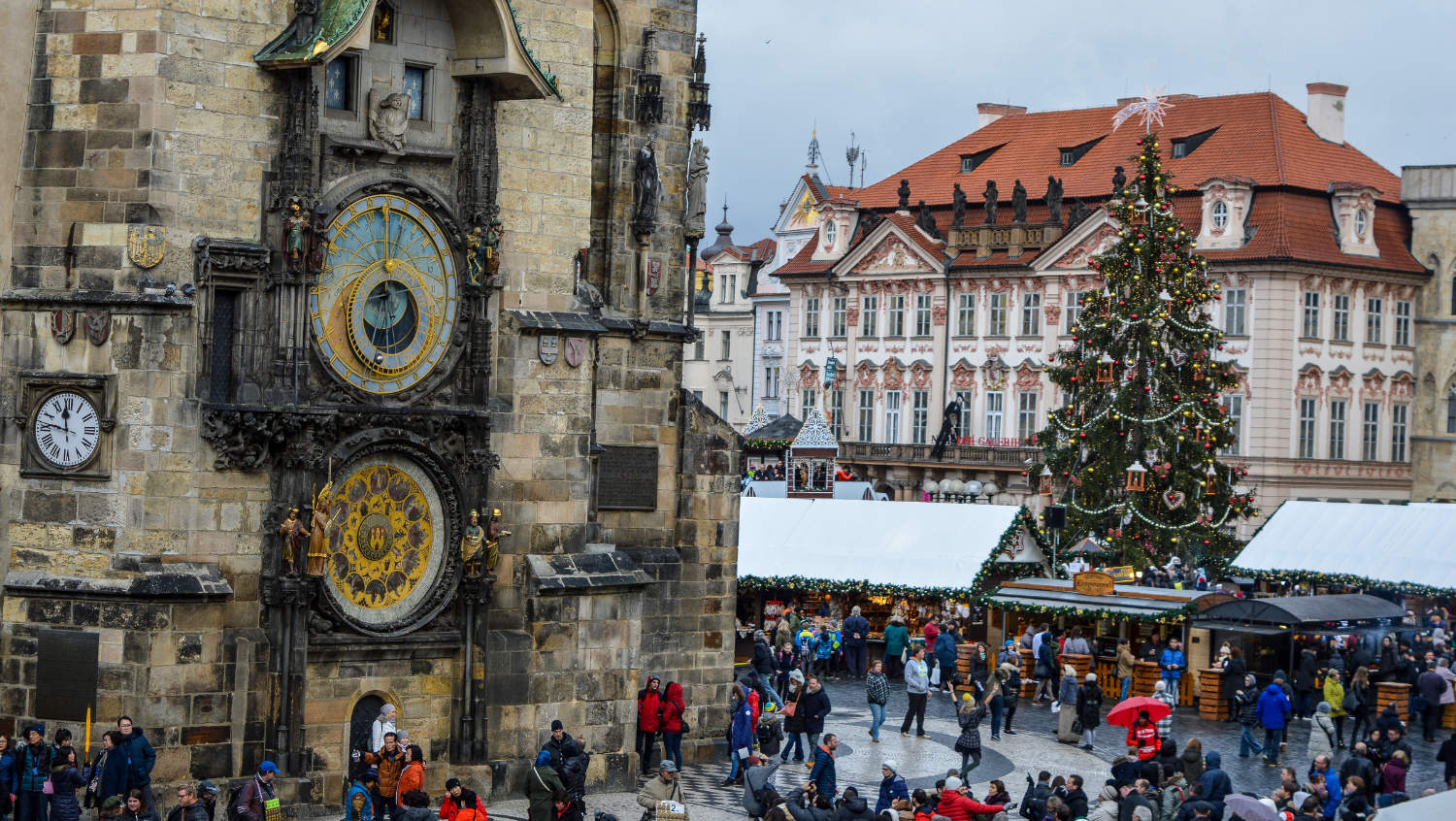
One of the primary deterrents for prospective solo holiday travelers is the widespread closure of public infrastructure, retail establishments, and dining venues on key dates, specifically December 24 through December 26, and January 1. In many Western countries, local transport networks operate on severely reduced schedules, and independent eateries often close to allow staff to observe the holidays with their families.
However, industry experts and seasoned independent travelers emphasize that these challenges can be effectively managed with strategic planning. Major metropolitan areas in Europe, Asia, and the Americas often compensate for holiday closures by expanding public events, open-air markets, and cultural performances. Furthermore, upscale hotels and international hospitality chains routinely maintain fully operational dining rooms and curated holiday programming for guests. Escorted river cruises and organized group travel further insulate solo tourists from logistical hurdles, handling reservations, transport contingencies, and itinerary scheduling autonomously.
Global Destination Highlights by Region

European Capitals and Traditional Markets
Europe remains a focal point for winter holiday travel, driven largely by the tradition of historical Christmas markets. Cities such as London, Paris, Prague, Budapest, and Nuremberg attract independent travelers with extensive light displays, classical concerts, and centuries-old seasonal festivities.
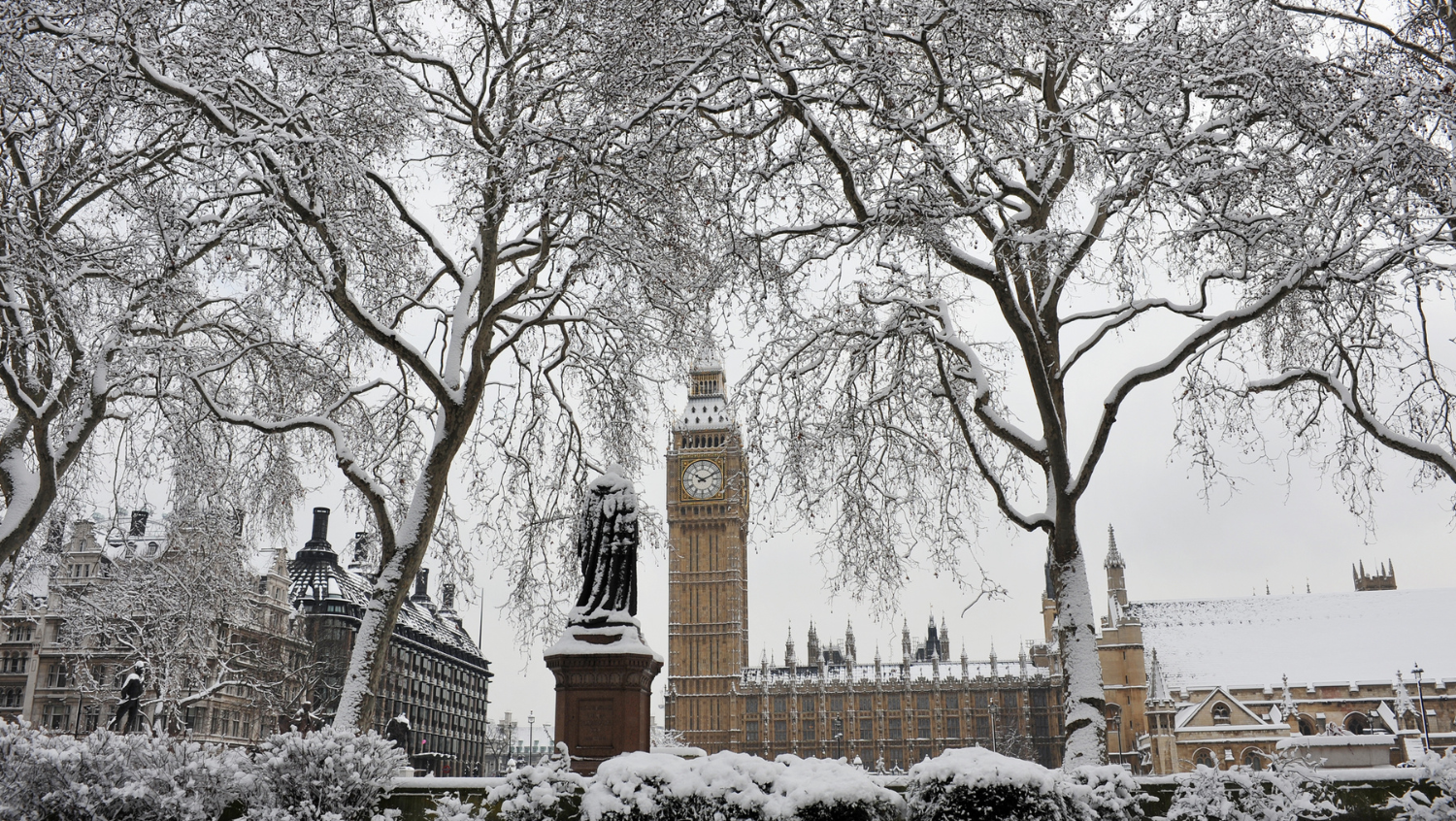
London and Paris offer distinct urban experiences during the final weeks of December. In London, cultural events such as classical performances at St. Martin-in-the-Fields and festive walks through historic districts coincide with a temporary exodus of local residents, resulting in quieter inner-city streets between Christmas and New Year’s. Similarly, Paris features elaborate holiday window displays and historic midnight masses, though travelers must navigate strict bank holiday closures on December 25.
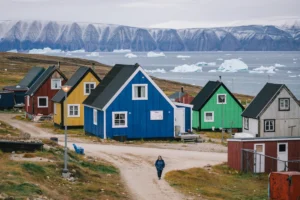
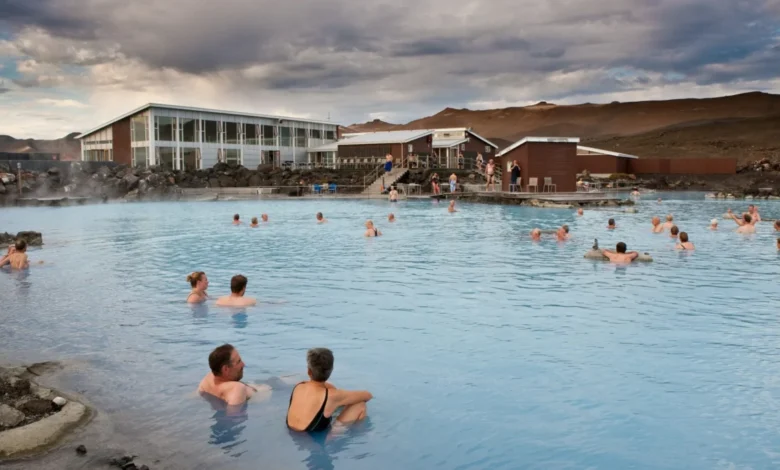
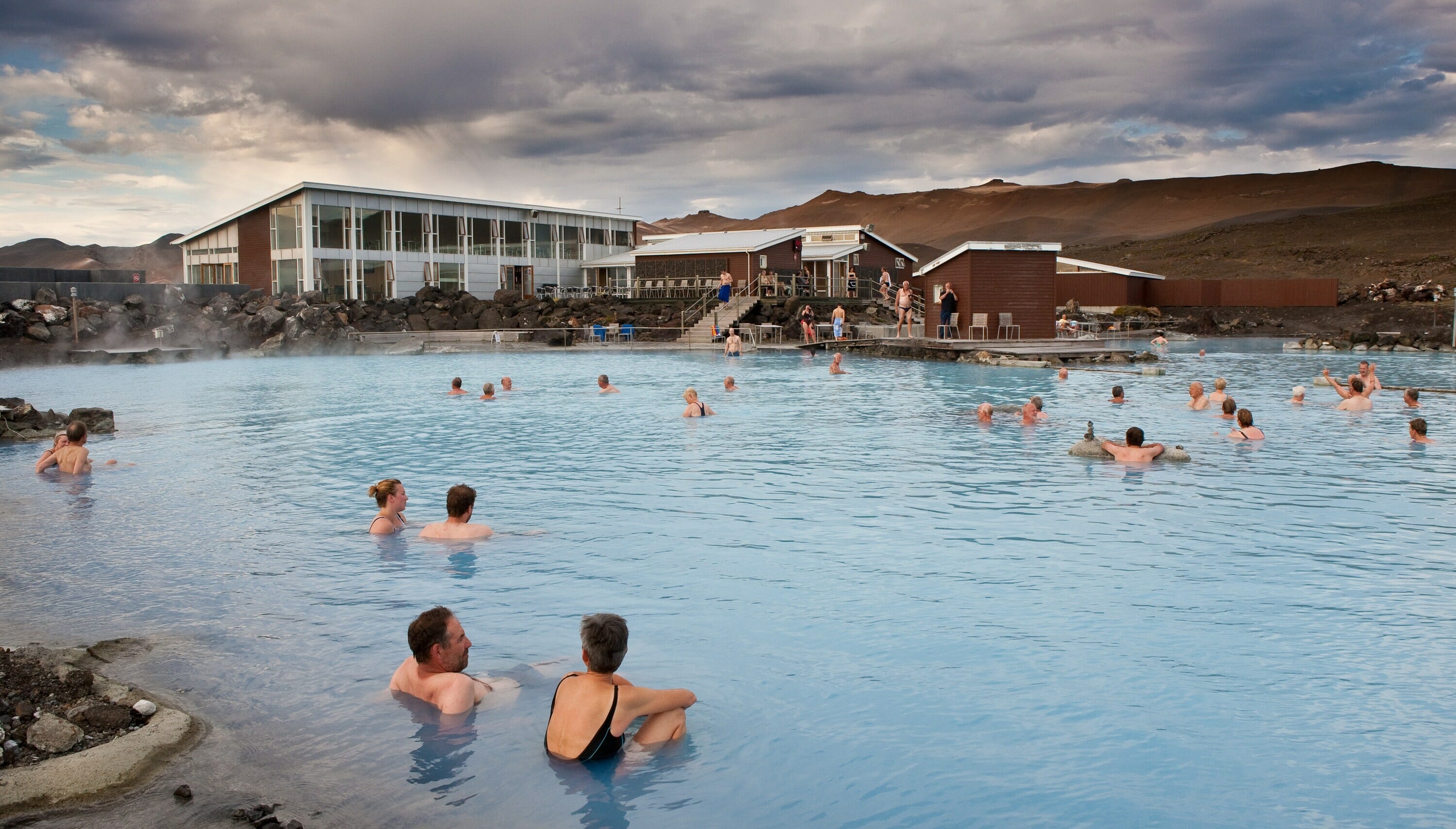
For those seeking Nordic winter environments, Iceland, Norway, and Denmark provide reliable snow cover, seasonal illumination, and winter sports. Coastal ferry routes along the Norwegian fjords offer structured itineraries with minimal single-supplement penalties, appealing to travelers who prefer scenic observation over urban navigation.
The Americas: Urban Festivities and Warm-Weather Escapes
Travelers seeking milder climates or distinct cultural observances often look to North, Central, and South America. In the United States, cities like Chicago, New Orleans, and Washington, D.C., combine moderate winter weather with rich culinary scenes and historical architecture. New Orleans, in particular, attracts visitors with its traditional Reveillon dinners and historic Creole heritage.
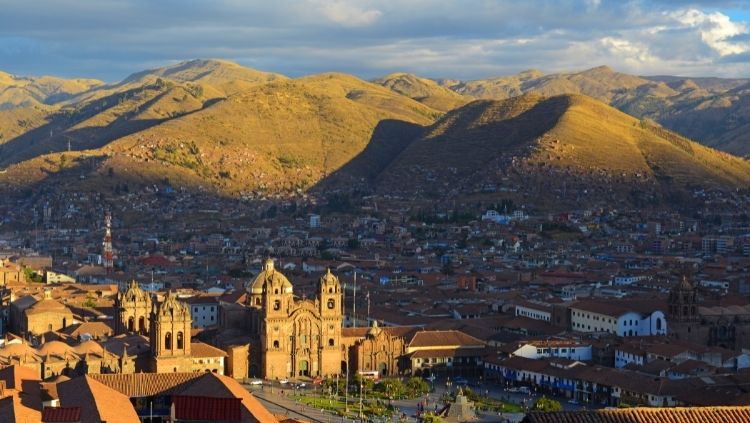
In Latin America, destinations such as Cusco, Peru, and Oaxaca, Mexico, present unique indigenous and colonial holiday customs. Cusco’s annual Santurantikuy market on December 24 features extensive displays of handcrafted nativity scenes, offering deep cultural engagement for independent visitors. Conversely, tropical destinations in the Caribbean and Southeast Asia—such as Thailand, Vietnam, and Singapore—allow travelers to bypass winter weather entirely, celebrating the New Year in subtropical or tropical climates where December 25 is treated as a secular or minor holiday, leaving commercial and tourist infrastructure fully functional.
Asia and Oceania: Cultural Contrast and Secular Celebrations
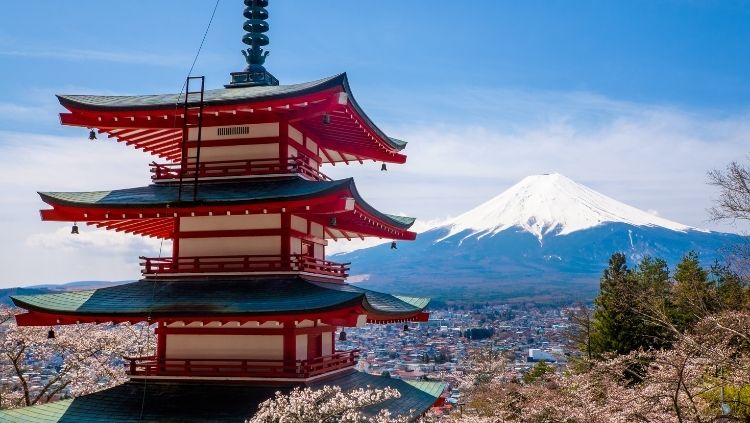
In countries where Christianity is not the predominant religion, such as Japan, the Christmas period is approached primarily as a secular celebration centered around illumination displays, seasonal music, and dining, rather than religious closures. Tokyo and Kyoto maintain normal business operations through much of late December, allowing tourists unrestricted access to museums, transit systems, and restaurants. However, travelers must account for widespread closures during the Japanese New Year (Shogatsu) period, which typically spans from January 1 through January 3.
In the Southern Hemisphere, Australia and New Zealand experience peak summer conditions during December. Independent travelers frequently utilize long-distance rail journeys, such as Australia’s Ghan train, or campervan rentals across New Zealand to experience outdoor recreation, coastal wildlife, and urban centers like Melbourne and Sydney during the warmest months of the year.
Addressing Solitude and Psychological Well-Being
The prospect of spending significant holidays without immediate family or social circles can induce anxiety among first-time solo travelers. Mental health and travel counseling professionals suggest that framing solitude as an intentional choice rather than a state of isolation is critical to a positive experience.
Experienced solo tourists recommend maintaining personal routines, curating familiar comfort items—such as preferred music or literature—and intentionally scheduling activities that align with individual interests, whether that involves hiking in Patagonia, attending a ballet in Vienna, or resting in a remote mountain cabin. Group travel formats also provide an organic social structure for those concerned about isolation, bridging the gap between independent exploration and communal celebration.
Economic Implications and Industry Trends
The expansion of the solo travel sector during the Christmas and New Year holidays has prompted structural changes within the tourism industry. Travel operators increasingly offer designated "no single supplement" cabins and hotel blocks to capture the lucrative single-adult demographic. Concurrently, travel insurance providers report higher demand for comprehensive winter policies, emphasizing the financial necessity of coverage against weather-related delays, medical emergencies, and trip interruptions during peak holiday transit periods.
As infrastructure adapts to the continuous rise of independent tourism, the year-end holiday season is no longer viewed strictly as a period of domestic confinement, but rather as a viable, globally diverse window for autonomous cultural discovery.