Navigating the Caribbean Waters: The Ultimate Guide to Private Boat Charters in St. Martin, Anguilla, and St. Barts

The allure of charting a private vessel through the Lesser Antilles has experienced a significant surge in demand, as modern travelers increasingly seek bespoke, unhurried itineraries over rigid, mass-market group excursions. Positioned in close geographic proximity within the northeastern Caribbean, the islands of St. Martin/St. Maarten, Anguilla, and St. Barts present an interconnected maritime landscape. Yet, this geographical compactness often presents a logistical hurdle for visitors attempting to maximize their time on the water without falling into the trap of over-scheduling. Industry experts emphasize that tailoring a maritime excursion to the specific demographic and preferences of the group—rather than replicating generic travel brochure itineraries—remains the fundamental prerequisite for a successful charter experience.
Regional maritime logistics reveal that the strategic positioning of local operators across major coastal hubs—including Simpson Bay, Marigot, Grand Case, and Anse Marcel—facilitates immediate access to diverse aquatic environments. Maritime specialists report that the primary challenge for incoming tourists is distinguishing between the vastly different marine ecosystems and cultural atmospheres offered by the three neighboring jurisdictions. While a standard ferry service efficiently moves commuters between these islands, private charters are engineered entirely around recreational leisure, offering customized pacing, localized ecological immersion, and exclusive access to shallow bays and secluded reefs inaccessible to commercial vessels.
Delineating the Three Core Maritime Itineraries
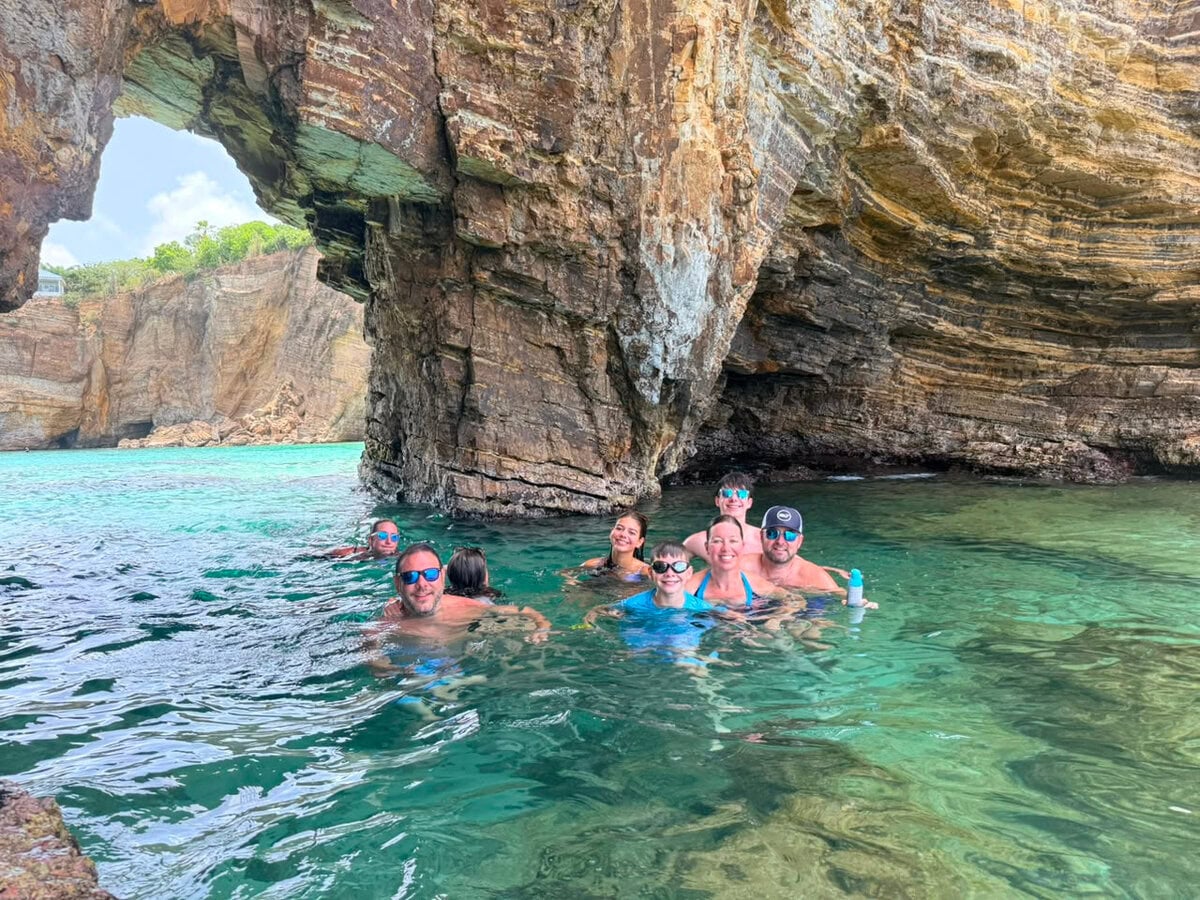
Understanding the distinct characteristics of each destination allows charter coordinators to match vessel capabilities with consumer expectations. The waters surrounding St. Martin and its autonomous Dutch counterpart, St. Maarten, offer a multifaceted coastal profile. A typical local circuit encompasses snorkeling sessions at the protected marine reserve of Creole Rock, followed by afternoon swims in the pristine, shallow waters of Tintamarre Island and Pinel Island. This route is frequently recommended by regional captains as an optimal introduction for first-time visitors, balancing coastal sightseeing with accessible marine life encounters.
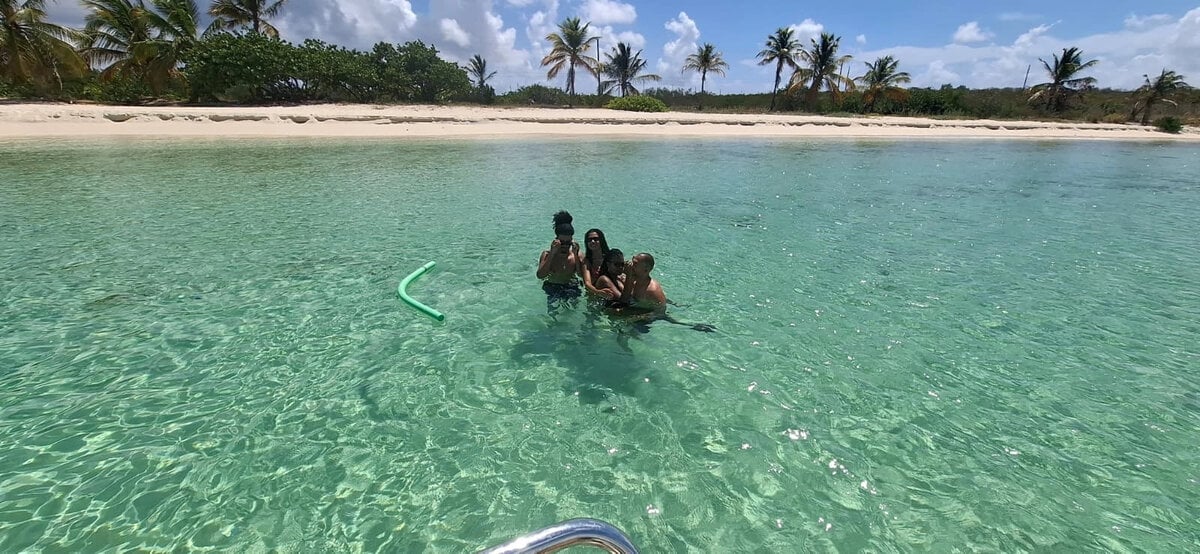
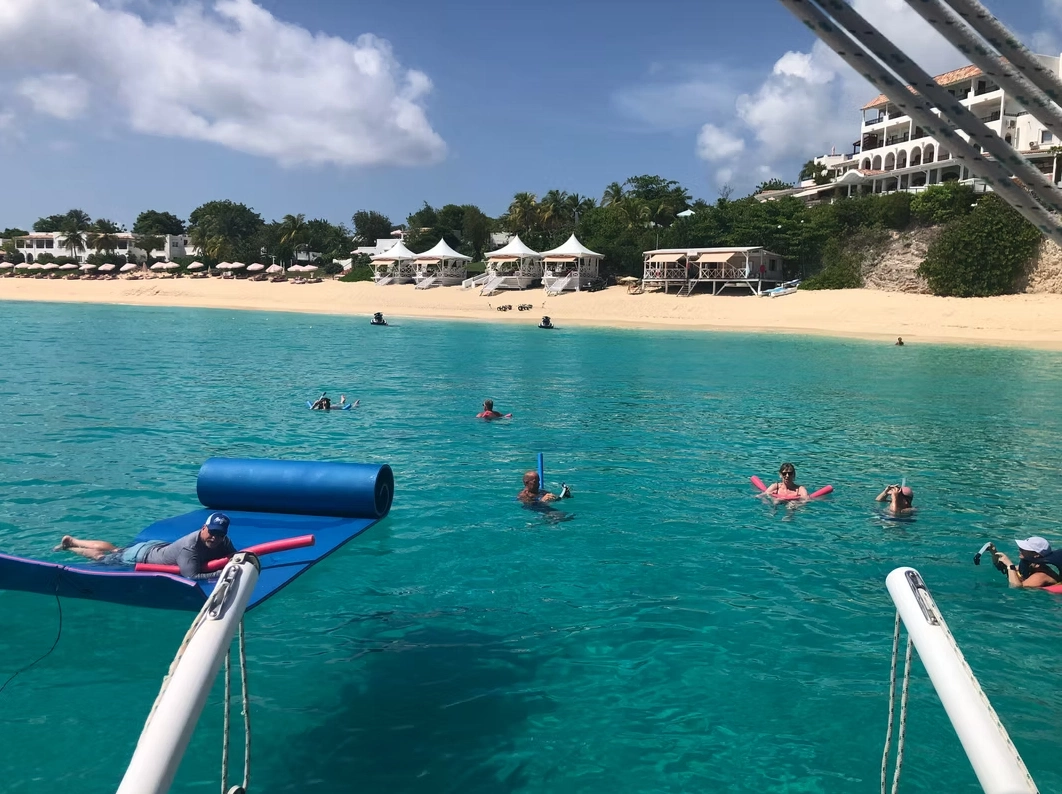
In contrast, a voyage toward Anguilla shifts the focus entirely toward coastal preservation and extreme water clarity. Renowned for its powdery white-sand beaches and expansive shallow banks, Anguilla itineraries frequently anchor at Little Bay and Sandy Island. Industry analytics indicate that travelers prioritizing uninterrupted relaxation, sunbathing, and pristine swimming conditions consistently gravitate toward the Anguilian coast, bypassing multi-stop schedules in favor of extended anchorages.
St. Barts introduces an entirely different dimension to the regional charter market, blending high-end nautical exploration with cosmopolitan culture. Navigating down the island’s dramatic windward and leeward coasts allows passengers to explore hidden bays before docking in Gustavia. This hybrid itinerary accommodates travelers seeking a synthesis of open-water cruising, elite yacht-watching, and onshore dining or retail exploration, bridging the gap between wilderness exploration and urban sophistication.
The Role of Maritime Conditions and Regulatory Frameworks
Operating a private vessel in the Leeward Islands requires constant adaptation to meteorological variables. Marine forecasts, trade wind velocity, and seasonal swell patterns dictate daily navigation routes far more than pre-booked itineraries. Professional captains maintain absolute authority regarding route adjustments, prioritizing passenger safety and comfort over rigid timeline adherence. Industry safety data indicates that flexibility in route planning drastically reduces instances of motion sickness and enhances overall passenger satisfaction, particularly when crossing the open water channels separating St. Martin from Anguilla and St. Barts.
Furthermore, international maritime laws and customs regulations impose strict protocols on cross-border boat charters. Voyages originating in St. Martin that intend to clear customs in Anguilla or St. Barts necessitate advance passenger manifest submissions, valid passport documentation, and mandatory clearance procedures at designated ports of entry. Unlike domestic coastal cruises around St. Martin, international island-hopping excursions cannot be spontaneously altered mid-day due to strict sovereign border controls, underscoring the necessity of thorough pre-trip consultation between charter clients and operators.
Economic Implications and Consumer Guidance
The pricing structure of private boat charters reflects a complex matrix of operational costs, including vessel size, fuel consumption, crew staffing, port fees, and customs processing charges. Financial analysts in the Caribbean tourism sector note that charter quotes should be evaluated comprehensively rather than superficially. Transparent pricing models typically delineate what is included—such as snorkeling gear, open bar amenities, and fuel surcharges—versus potential variable expenses like national park fees or onshore dining costs.
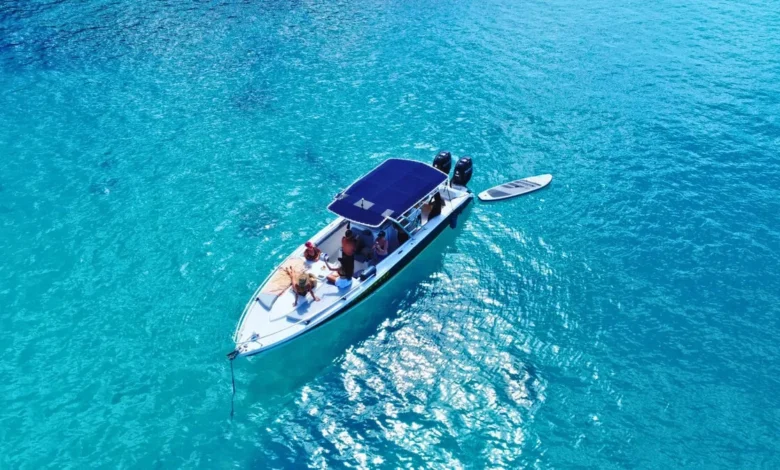
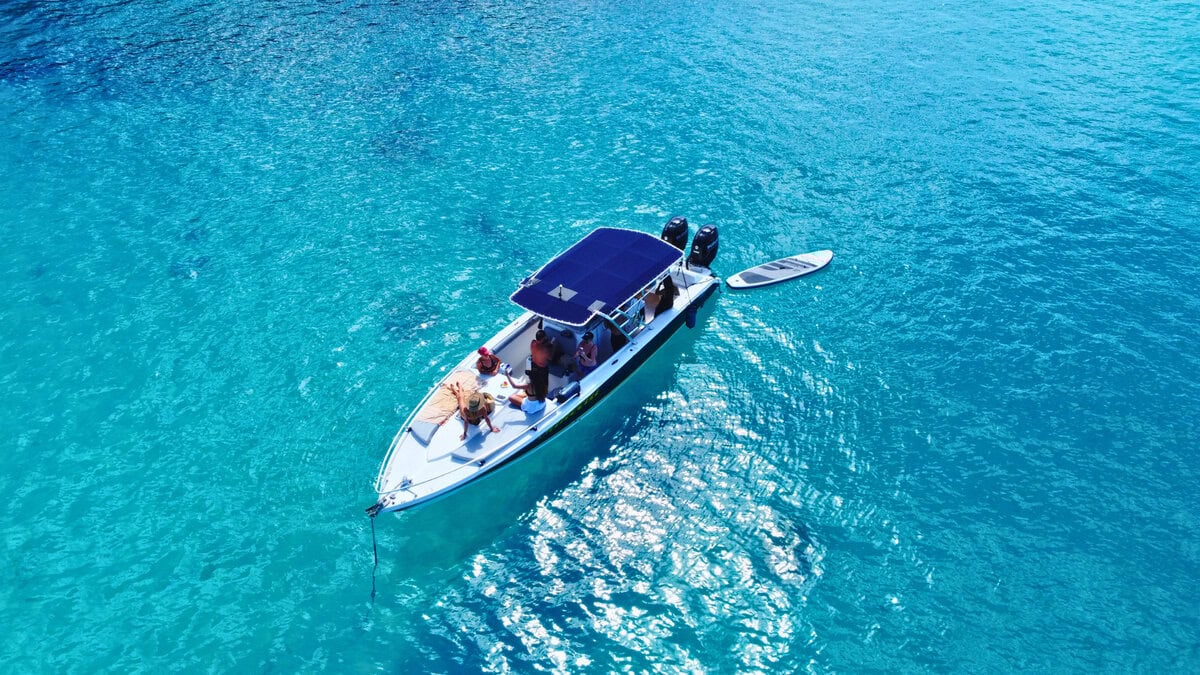
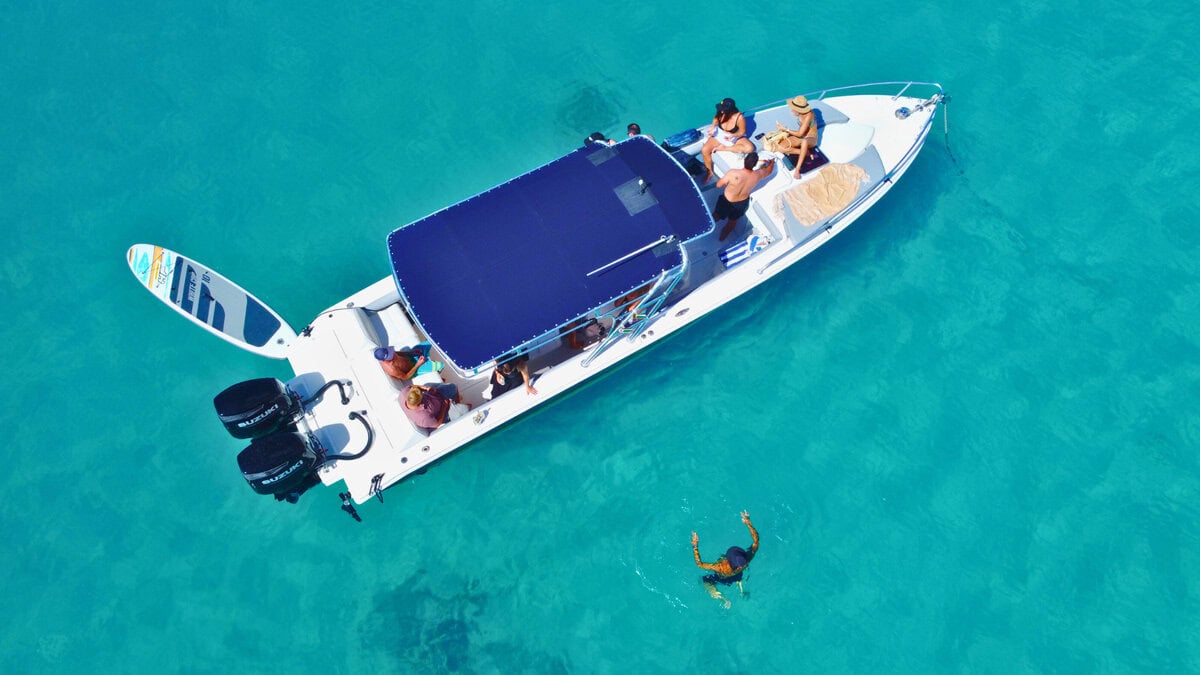
Industry standards dictate that consumer vetting should extend beyond budgetary considerations to encompass vessel specifications and group demographics. For instance, high-speed motorboats designed for rapid island-to-island transit feature different ergonomic and safety profiles compared to spacious cruising catamarans optimized for family stability and extended lounge time. Operators emphasize that disclosing group composition—specifically the presence of young children, elderly passengers, or non-swimmers—allows charter brokers to assign appropriately stabilized watercraft and designate suitable swimming locations, thereby mitigating potential liability and enhancing guest comfort.
Environmental Considerations and Sustainable Marine Tourism
As the volume of recreational marine traffic increases within the Anguilla Bank and the St. Martin marine reserves, local environmental agencies and charter operators are placing heightened emphasis on sustainable tourism practices. Anchoring regulations within protected zones, such as Creole Rock, are strictly enforced to prevent damage to fragile coral reef formations. Licensed captains play a critical role as environmental stewards, educating passengers on responsible marine interaction, prohibiting the touching of marine fauna, and ensuring that waste management protocols on board strictly adhere to regional ecological standards.
Market research into Caribbean tourism trends indicates that sustainable maritime practices are increasingly influencing consumer choice. Travelers are actively seeking out licensed operators who demonstrate compliance with environmental protection laws and utilize fuel-efficient vessel technologies. This shift underscores a broader industry evolution toward balancing high-value tourism experiences with the long-term preservation of marine biodiversity in the Lesser Antilles.