For decades, the standard blueprint for a masculine group excursion has been largely static, often defaulting to the predictable allure of Las Vegas nightlife, high-stakes golf resorts, or coastal party hubs. However, travel trends in the post-pandemic era indicate a shift toward domestic tourism focused on authentic heritage, industrial history, and localized craft experiences. Milwaukee, Wisconsin—a city historically defined by its manufacturing prowess and deep-rooted brewing traditions—has emerged as a premier destination for those seeking a balance of culture, recreation, and culinary excellence. By leveraging its unique geography on Lake Michigan and its status as a cornerstone of American industry, Milwaukee offers a multifaceted itinerary that moves beyond the clichés of traditional weekend getaways.
The Historical Significance of Brew City
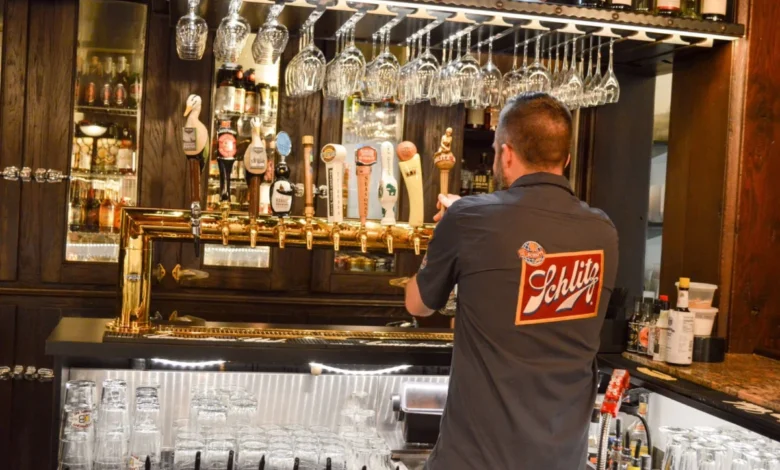
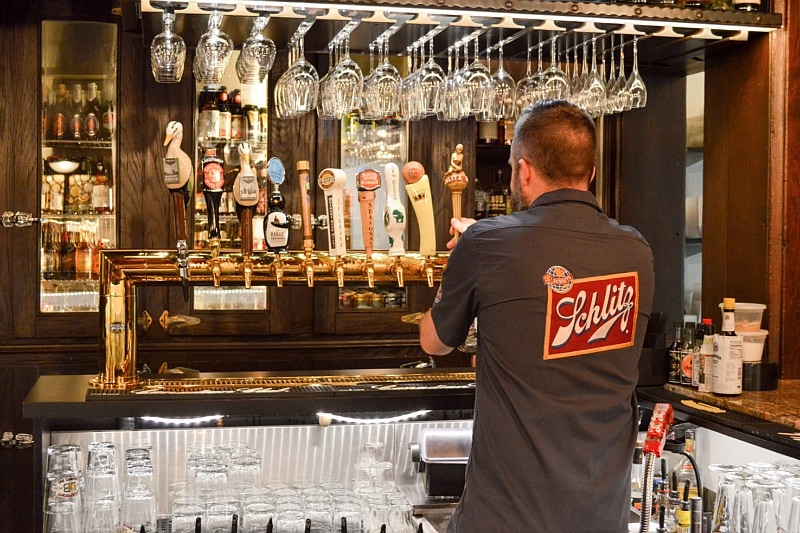
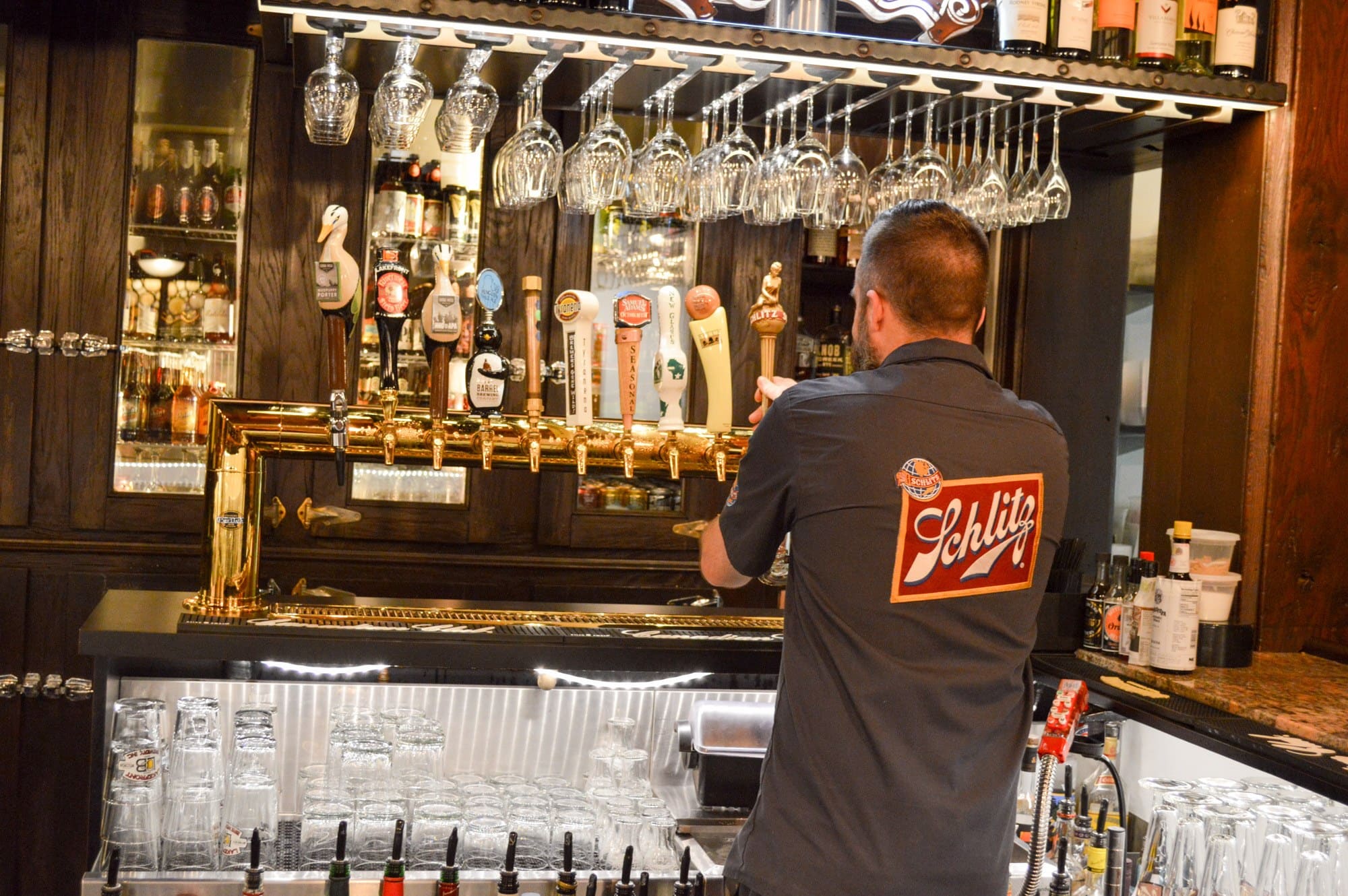
Milwaukee’s identity is inextricably linked to the “Big Four” breweries: Miller, Pabst, Blatz, and Schlitz. During the late 19th and early 20th centuries, these titans of industry transformed Milwaukee into the epicenter of the American beer trade. While the consolidation of the global beverage market has altered the landscape, the legacy of this era remains a critical economic driver. Today, the city’s beer culture has evolved into a sophisticated craft scene that bridges the gap between historical preservation and modern innovation.
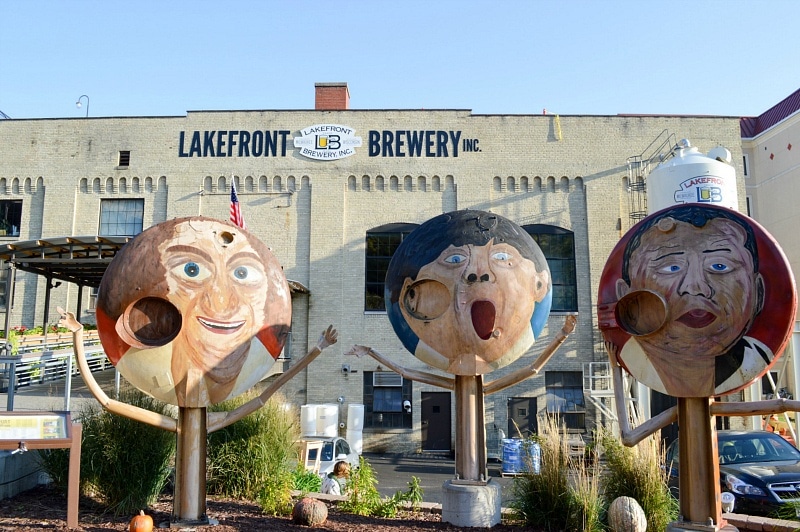
Visitors often prioritize Lakefront Brewery, which has gained national acclaim for its integration of entertainment and education. Unlike traditional industrial tours, the Lakefront experience utilizes local performance artists and comedians to narrate the brewing process. Data from tourism boards suggests that interactive, immersive experiences like these are key to driving repeat visitation in the Midwest. Beyond the primary production facilities, the city hosts a robust network of independent taprooms, such as Burnhearts and Sugar Maple, which serve as essential hubs for the city’s contemporary social life.
Industrial Heritage and the Harley-Davidson Legacy
The city’s contribution to American engineering is perhaps best represented by the Harley-Davidson Museum. Established in 2008 on a 20-acre campus near the city’s downtown, the museum serves as a repository for over 100 years of motorcycle history. For a group trip, the facility offers more than a static walk-through; the “Experience” aspect includes access to the world’s largest collection of unrestored motorcycles and archives that document the brand’s evolution from a Milwaukee backyard shed to a global icon.
From a sociological perspective, the museum provides a deep dive into the cultural impact of the motorcycle in America. It documents how the brand navigated the Great Depression, wartime production, and the subsequent counter-culture shifts of the 1960s. For travelers, the value proposition lies in the intersection of history and tangible experience, as the museum allows guests to mount display motorcycles, providing a visceral connection to the machines.
Maritime Recreation and the Lake Michigan Advantage
Milwaukee’s eastern border, defined by the expansive coastline of Lake Michigan, serves as a natural catalyst for outdoor activity. While Midwestern cities are sometimes overlooked for aquatic sports, Milwaukee has invested heavily in river and lake infrastructure. The Milwaukee River, which winds through the downtown area, has been revitalized, supporting a thriving kayaking and boat-tour industry.
The economic implications of this development are significant. The shift toward “blue economy” tourism—focusing on water-based recreation—has encouraged the growth of professional sailing outfits, such as Sea Dog Sailing, and the expansion of surfing culture. While surfing in the Great Lakes may seem unconventional to outsiders, local enthusiasts and professional surf schools, such as High 5 Surf, have capitalized on the powerful wind conditions characteristic of the region’s autumn and winter months, turning Lake Michigan into a year-round destination for adventure sports.

Sports Tourism and Economic Impact
Sports are a cornerstone of the Milwaukee experience, with the city’s professional franchises acting as major anchors for tourism. The Fiserv Forum, home to the NBA’s Milwaukee Bucks, represents a $524 million investment that transformed the downtown district into a thriving sports and entertainment hub. The venue’s design, focused on acoustics and high-density fan engagement, has set a new standard for urban arenas.
Similarly, American Family Field, home to the Milwaukee Brewers, remains a primary draw for baseball enthusiasts. The stadium’s retractable roof ensures operational consistency regardless of weather conditions, a vital feature for a city with volatile seasonal shifts. Tailgating at the stadium is not merely a pre-game activity but a cultural institution that reinforces the city’s reputation for hospitality. These venues contribute millions to the local economy annually through ticket sales, hospitality, and secondary spending in the nearby Third Ward and downtown areas.

Culinary Traditions and the Supper Club Phenomenon
A defining characteristic of Wisconsin’s food culture is the supper club, a tradition born during the Prohibition era that has persisted as a hallmark of Midwestern dining. Five O’Clock Steakhouse is frequently cited as a quintessential example of this legacy. These establishments focus on a multi-stage dining experience—beginning with a cocktail in the bar, often featuring the region’s signature Brandy Old Fashioned, followed by a transition to a traditional, high-quality steak dinner.
The broader Milwaukee culinary scene is a fusion of its diverse immigrant roots. Usinger’s Famous Sausage, established in 1880, continues to operate in the Old World Third Street district, maintaining standards for artisanal meat production that date back to the late 19th century. Complementing these historic institutions are modern ventures like The Vanguard, which demonstrates how traditional sausage-making techniques can be adapted for a contemporary gastropub environment.

Logistics and Accommodations for Group Travel
For a successful weekend excursion, the choice of lodging often defines the tone of the trip. Milwaukee’s hospitality sector has repurposed its industrial architecture to create unique, high-end accommodations. The Brewhouse Inn and Suites, located within the historic Pabst Brewery complex, incorporates original copper brewing kettles into its aesthetic, offering a stay that is both comfortable and historically significant.
For groups prioritizing a specific aesthetic or experience, The Iron Horse Hotel provides a boutique, motorcycle-themed luxury experience that reflects the city’s association with Harley-Davidson. Meanwhile, the Potawatomi Hotel and Casino caters to those seeking a more traditional resort-style experience, providing a centralized location for both gaming and fine dining.

Analytical Summary: The Future of the Guys Weekend
The shift in travel preferences—away from the artificiality of coastal gaming centers and toward cities with a strong sense of place—positions Milwaukee as a model for the modern “guys weekend.” The city’s ability to weave together its industrial past with a vibrant, accessible present creates a compelling narrative for travelers.
As urban centers continue to compete for visitor dollars, Milwaukee’s strategy of leveraging its local assets—beer, motorcycles, lakefront access, and sports—appears to be a sustainable and effective model. For the traveler, the implication is clear: the most rewarding experiences are often found in cities that do not attempt to be something they are not, but instead lean into the historical and cultural strengths that have defined them for generations. With its walkable districts, moderate cost of living, and deep-seated cultural traditions, Milwaukee stands as a durable and sophisticated option for those looking to depart from the traditional, exhausted paths of group travel.