Reviving the Depths: Inside the Danish Island of Samsø’s Groundbreaking Marine Restoration

Samsø’s Quiet Green Revolution
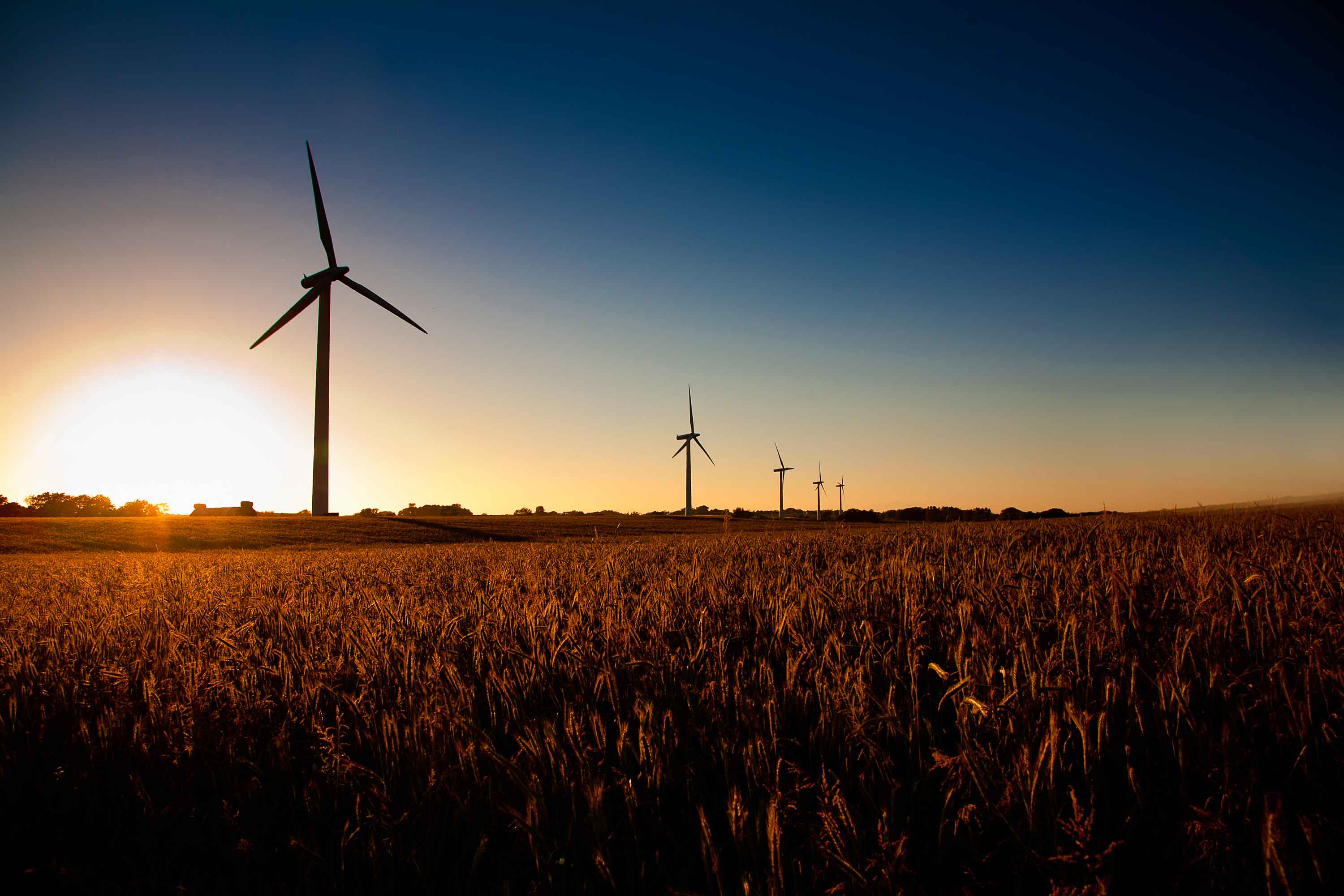
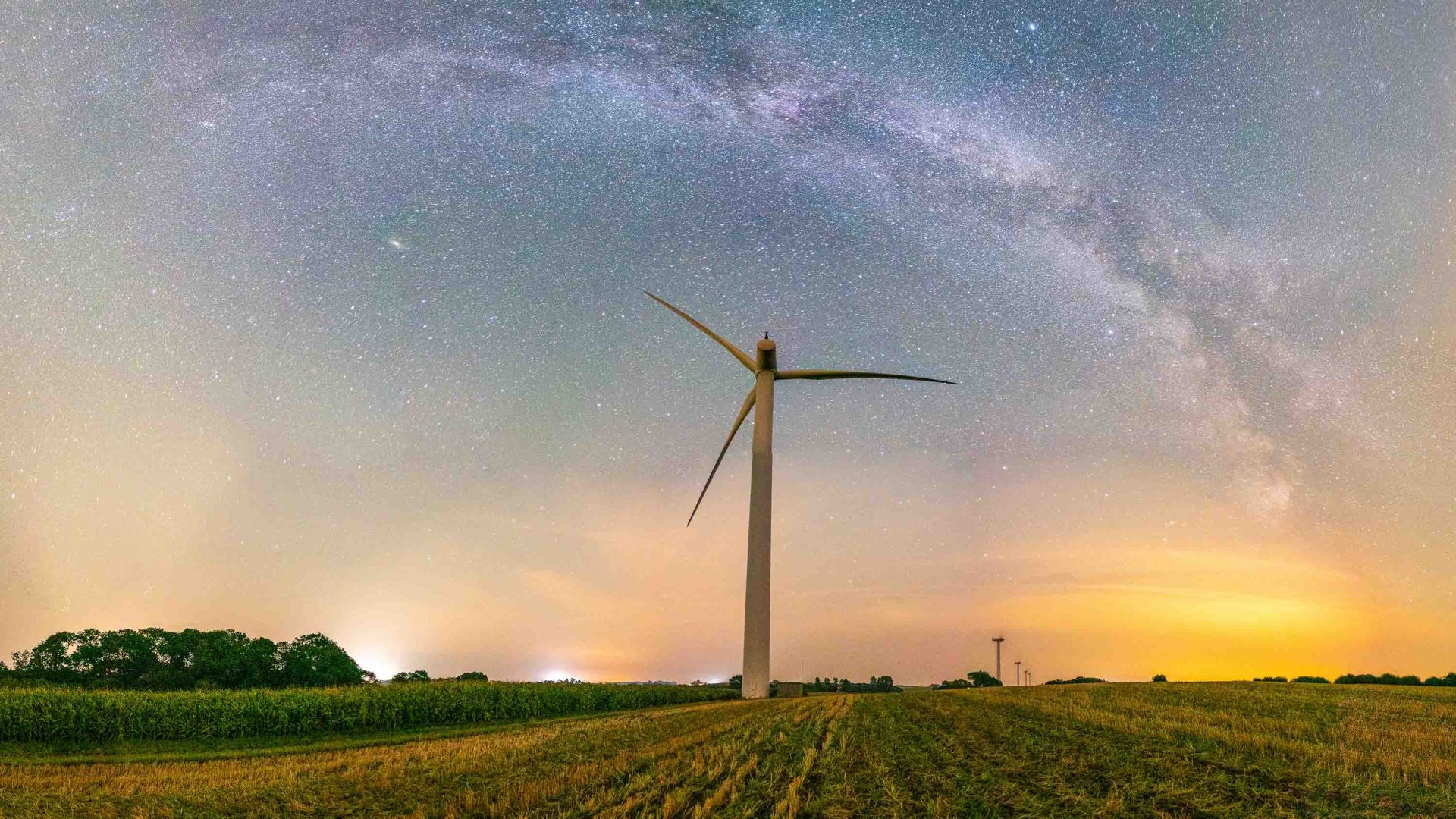
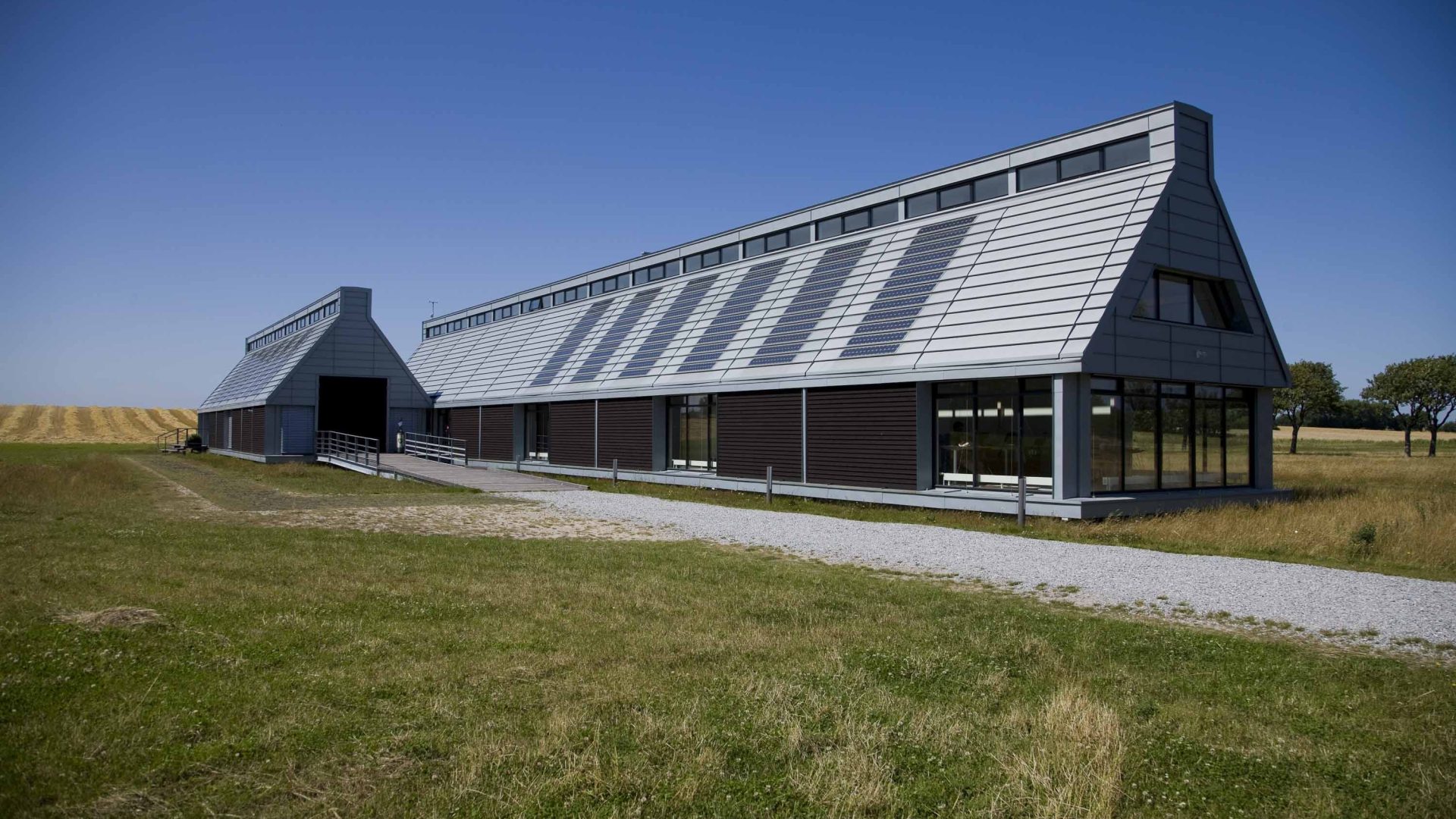
The Danish island of Samsø, situated approximately an hour’s ferry ride from Aarhus on the Danish mainland, has long held a pioneering position in global environmentalism. Home to roughly 4,000 residents, the territory achieved international acclaim by successfully transitioning from a total reliance on imported fossil fuels to 100 percent renewable energy self-sufficiency. Today, the island produces more clean energy than it consumes, transmitting its surplus back to the Danish mainland and generating supplementary income for its invested citizens.
Beyond its wind turbines and solar grids, Samsø is increasingly turning its focus from terrestrial sustainability to marine restoration. The most recent expression of this ecological ambition is BARREEF, an underwater stone reef established off the island’s southeastern coast. Designed to counteract the legacy of intensive industrial stone-fishing, the project seeks to revive depleted marine ecosystems, protect vulnerable shorelines from storm erosion, and contribute to long-term carbon sequestration.

The Chronology of a Sustainable Transformation
Samsø’s journey toward complete environmental renewal began in earnest in 1997, when the island entered and won a national government contest designed to demonstrate how a community could radically reduce its carbon emissions. At the time, the initiative received modest financial backing from the state, primarily funding the salary of Søren Hermansen, a local farmer born and raised on Samsø who would later be recognized as a “Hero of the Environment” by Time Magazine.
Recognizing that sweeping environmental mandates would face resistance from generations-old farming families, Hermansen prioritized community buy-in and collaborative financing. By the early 2000s, local residents, agricultural cooperatives, and the Samsø Municipality pooled resources to fund a network of 21 wind turbines—comprising 10 offshore installations and 11 land-based turbines.
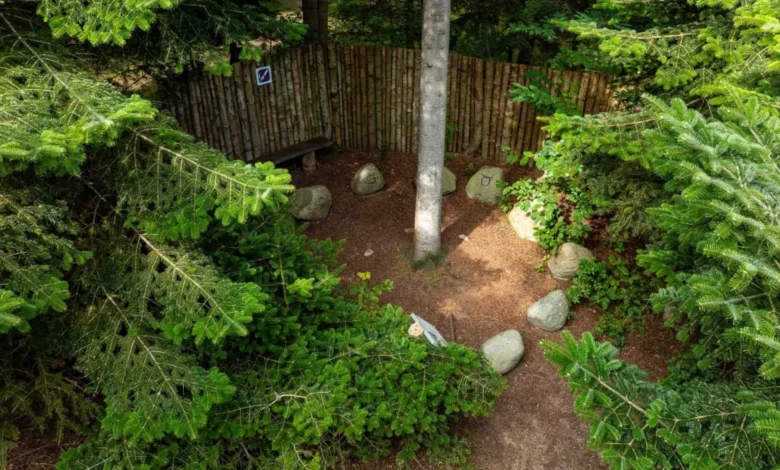
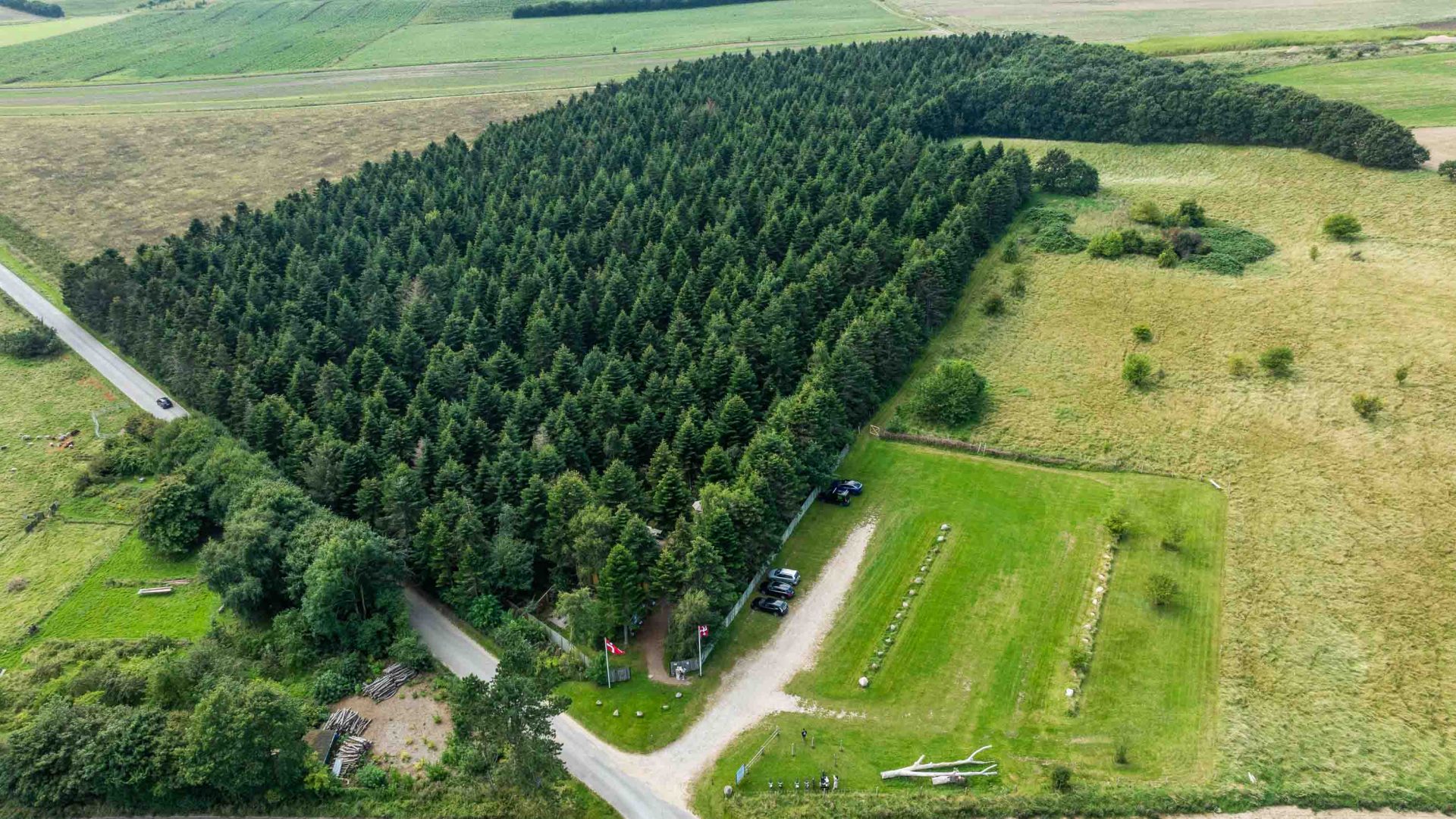
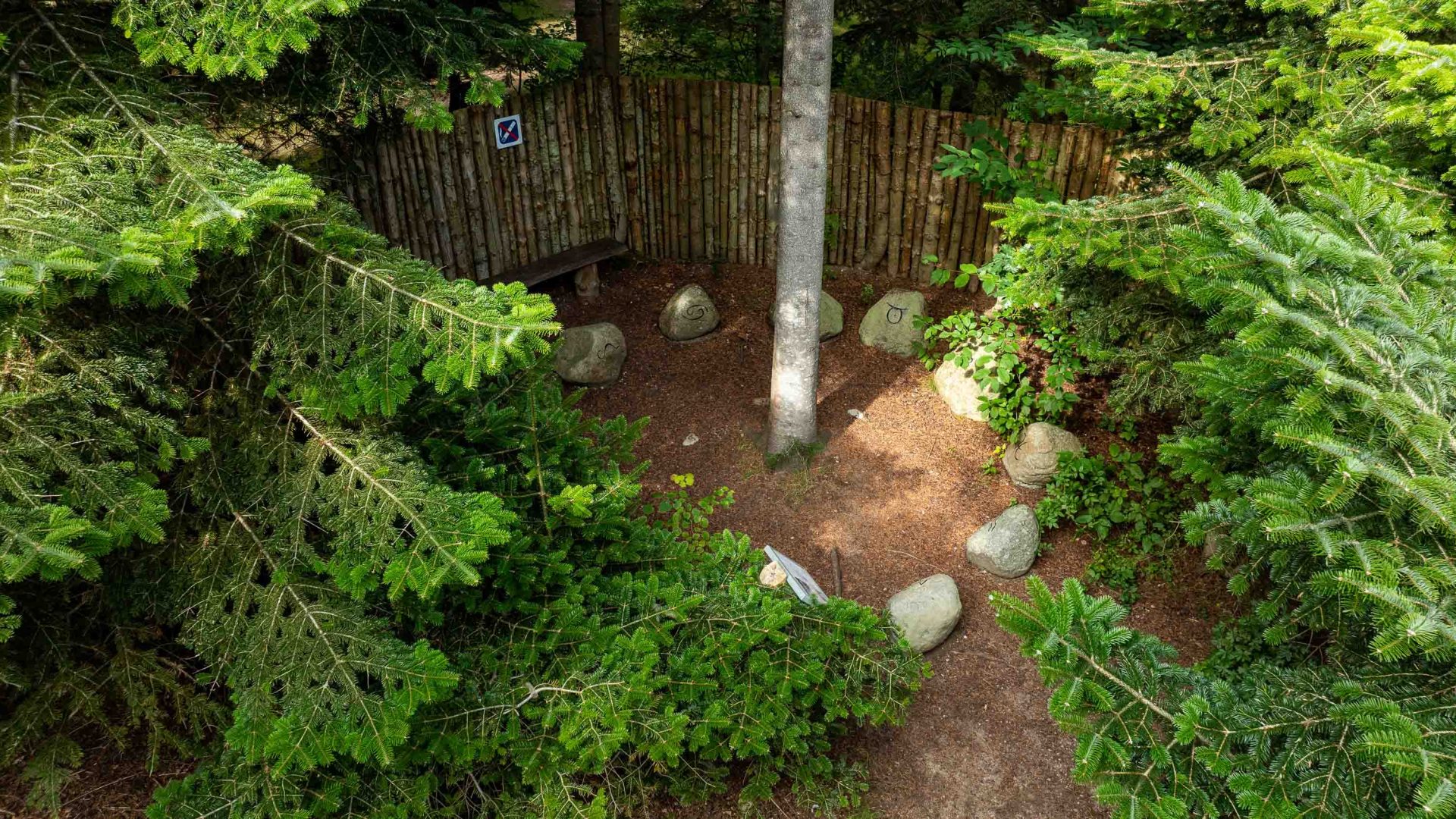
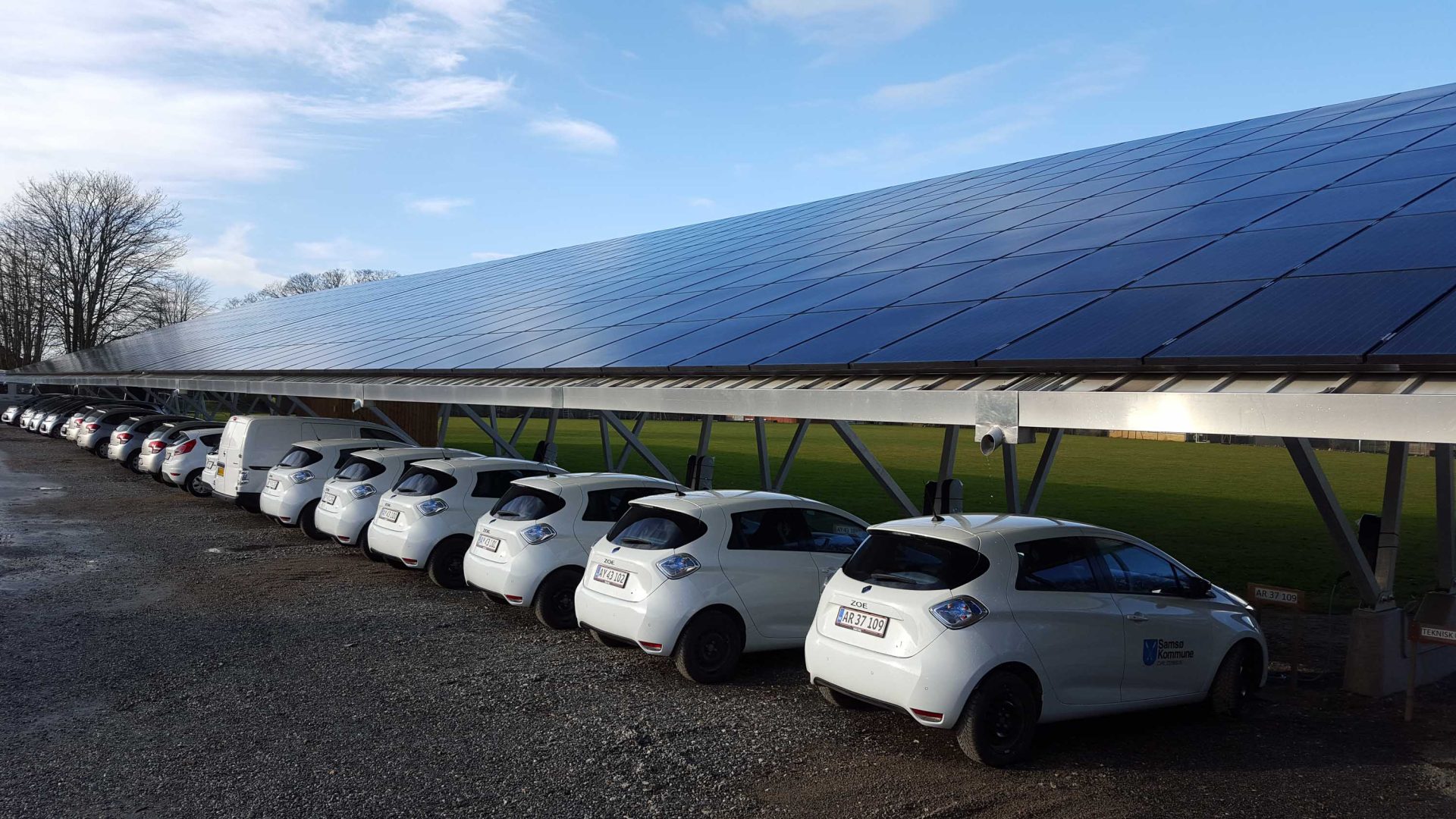
This infrastructure was subsequently expanded to include approximately 50 photovoltaic solar installations and biomass heating plants fueled by locally sourced agricultural straw purchased directly from island farmers. In 2000, the island also opened Samsø Labyrinten, a 15-acre tree maze created from an abandoned Christmas tree plantation. Featuring 50,000 evergreen trees, the labyrinth serves dual purposes as a prominent tourist attraction and a biological carbon sink, absorbing an estimated 1,000 to 1,250 metric tons of carbon dioxide annually.
The Dark Legacy of Stone-Fishing
While Samsø successfully eliminated its net carbon footprint on land, its surrounding waters bore the scars of a largely forgotten historical practice: stone-fishing. Between 1900 and 2000, approximately 9.15 million tons (8.3 million cubic meters) of stone—roughly equivalent to the volume of eight Empire State Buildings—were systematically dredged and harvested from Danish seabeds to supply material for coastal breakwaters, harbors, and foundations across Europe.
This industrial removal of seabed stones stripped away the natural hard substrates required for marine life to anchor and thrive. For longtime residents like Michael Kristensen, the ecological decline was stark and personal. “When I was a child, we could fish straight from the beach,” Kristensen recalls. “As I grew older, I realized that this was no longer possible because marine habitats had been depleted by stone-fishing.”
The practice was ultimately banned by Danish legislation in 2010. However, the ecological damage lingered, leaving vast expanses of seabed devoid of the rocky crevices necessary to shelter juvenile fish, algae, and benthic organisms.
The Genesis and Execution of BARREEF
Recognizing the need to reverse this underwater degradation, local stakeholders, marine scientists, and the Samsø Energy Academy initiated plans for a localized remedy. The project required navigating complex administrative hurdles and securing both community consensus and government funding, echoing the cooperative model that underpinned the island’s earlier energy transition.
When selecting a site along Samsø’s 75 miles (120 kilometers) of coastline, project planners evaluated multiple criteria. Morten Westergaard, climate expert and head of the Samsø Energy Academy, notes that the initiative addressed a threefold objective: protecting a vulnerable, storm-damaged gravel road on the island’s eastern side from coastal erosion, reinstating lost marine habitats, and fostering conditions favorable to the growth of vital seagrass meadows between the reef and the shore.
In May, utilizing 6,000 tonnes of granite waste purchased from Norwegian quarries, BARREEF was formally established near the harbor village of Ballen. While surface navigation and sailing are strictly prohibited in the immediate vicinity to protect the developing ecosystem, preliminary monitoring has yielded encouraging results. According to Cécilie Erichsen Kudsk, a marine biologist from DTU Aqua, the National Institute of Aquatic Resources, underwater camera surveys have already documented the early colonization of algae alongside returning fish species such as goby and wrasse.
Broader Implications and Scientific Analysis
The establishment of BARREEF highlights a growing recognition within marine conservation that rocky benthic structures can offer vital ecological refuges, complementing the widespread international focus on deteriorating tropical coral reefs. Furthermore, marine scientists emphasize that submerged hard structures, including the concrete bases of offshore wind turbines, play an active role in carbon sequestration. By capturing bicarbonate ions from the surrounding seawater and combining them with calcium, these environments facilitate the formation of natural calcareous structures that permanently lock away carbon.
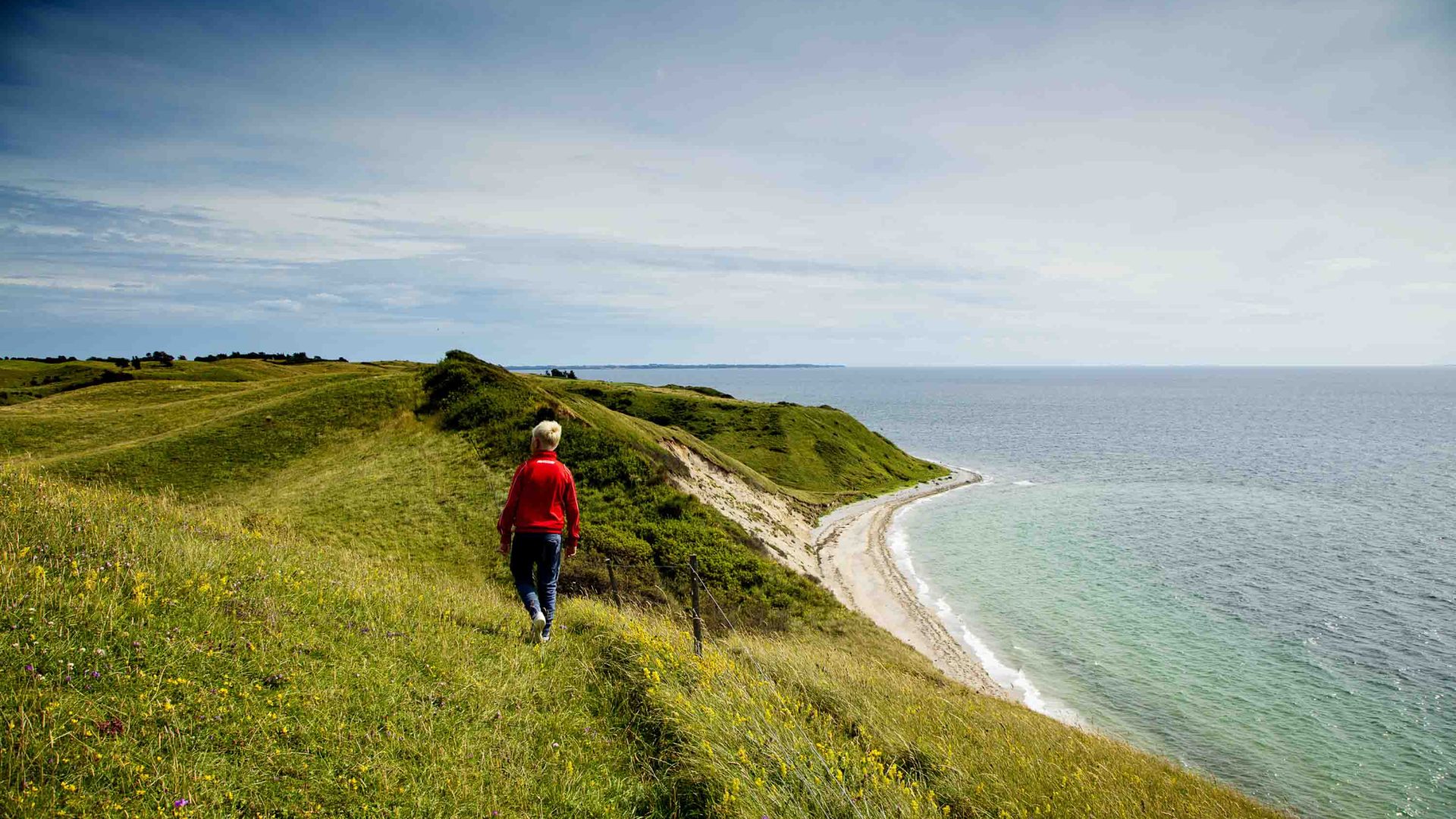
Samsø’s holistic approach to sustainability has also transformed its socio-economic fabric. Once facing demographic decline due to an aging population, the island has experienced an influx of younger residents and environmental professionals drawn to research and educational initiatives at the Samsø Energy Academy. The local economy has similarly adapted; commercial agricultural operations have increasingly pivoted toward value-added, low-food-mile production, ranging from artisanal jams and rapeseed oils to locally distilled spirits.
As nations and coastal municipalities grapple with the dual crises of climate change and biodiversity loss, Samsø serves as a unique case study in community-led environmental engineering. By demonstrating that large-scale ecological restoration can be achieved through localized consensus, shared economic incentives, and rigorous scientific planning, the Danish island continues to chart a course for sustainable development at both the terrestrial and sub-surface levels.