The Scent of Tradition: Exploring Kalaat M’gouna, Morocco’s Enduring Valley of Roses

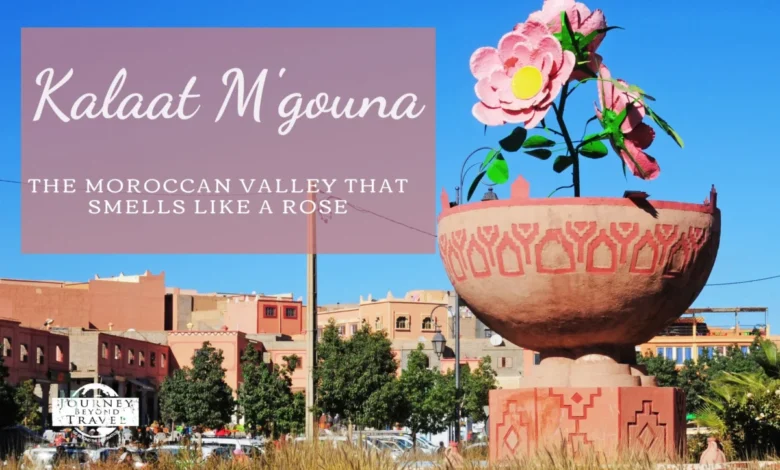
Between the rugged landscapes of Boumalne Dadès and the vibrant oasis of Tinerhir, a subtle yet profound transformation occurs in the Moroccan air, signaling the approach to Kalaat M’gouna. Here, the arid, mineral tang of the southern desert cedes ground to an unmistakable floral symphony, a rosy perfume that precedes the town itself, heralding arrival in Morocco’s fabled Valley of Roses. This olfactory introduction is more than just a pleasant scent; it is the very essence of a community shaped by a single, precious crop for over a millennium.
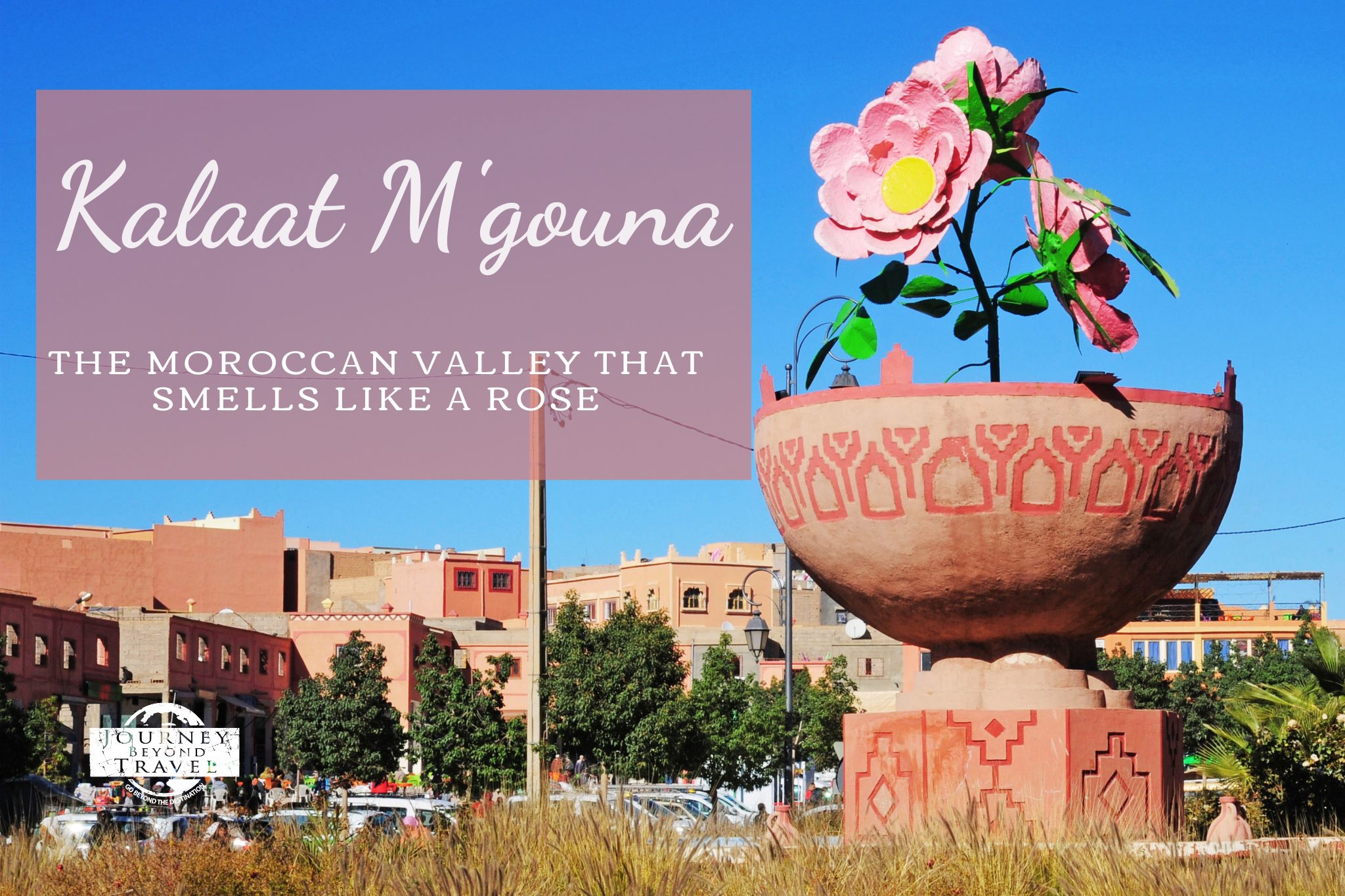
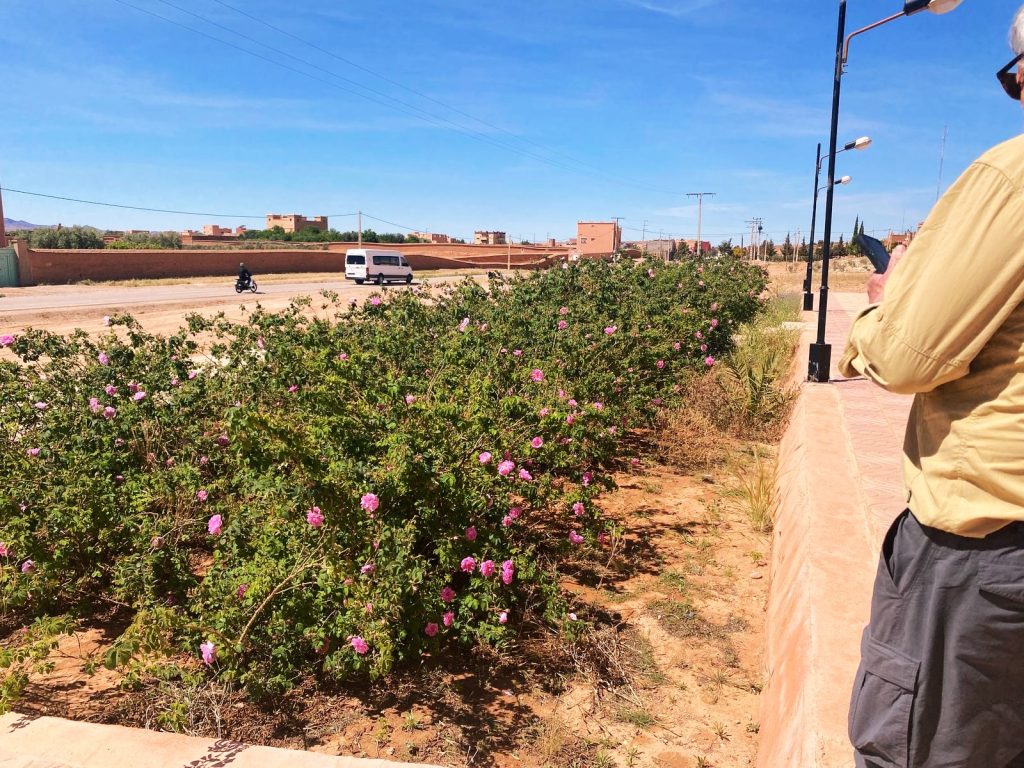
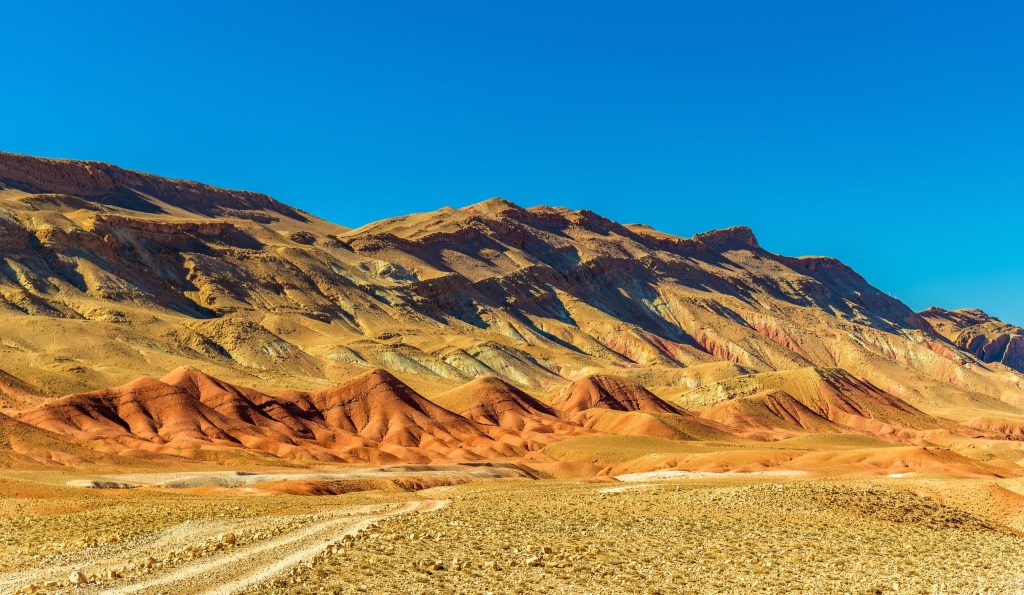
Kalaat M’gouna, often referred to as the Rose City, nestles within the expansive Dadès Valley at an altitude of approximately 1,700 meters. Flanked by the majestic peaks of the High Atlas Mountains on one side and an seemingly infinite tapestry of rose hedgerows on the other, the town, while not possessing the dramatic kasbahs of Aït Benhaddou or the bustling medina of Ouarzazate, holds a distinct identity. Its character is profoundly interwoven with the cultivation of the Damask rose, Rosa damascena, a tradition that has dictated its rhythms, economy, and cultural fabric, transforming the valley into a vibrant pink spectacle each spring.
The Enduring Legacy of the Damask Rose (Rosa Damascena)
The story of the Damask rose in Morocco is steeped in history and legend. Believed to have been introduced to the valley in the 10th century by pilgrims returning from Saudi Arabia, its arrival marked the beginning of an agricultural and cultural revolution. The Dades Valley proved to be an exceptionally fertile ground for this particular species, offering a unique microclimate that fostered its prosperity. The high altitude ensures cooler nighttime temperatures, crucial for the rose’s optimal growth and essential oil production. The life-giving Dadès River provides a consistent water supply, channeling vital moisture through intricate irrigation systems to the thirsty fields. Furthermore, the region’s dry air between harvests acts as a natural deterrent against common rose diseases, contributing to the health and robustness of the plants.
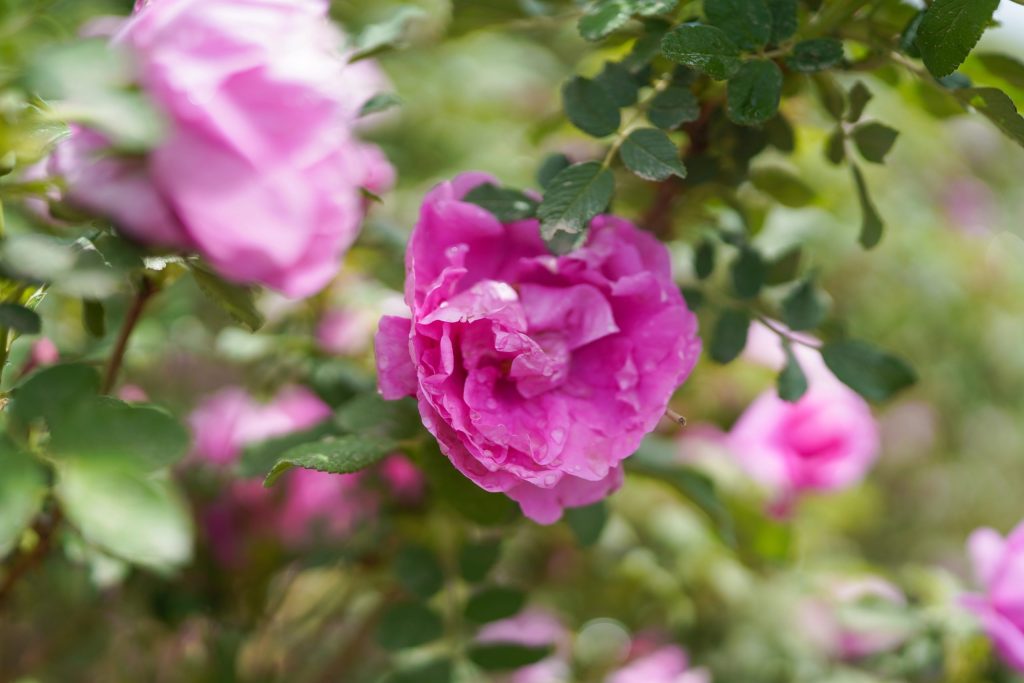
Initially, farmers strategically planted rose hedgerows along the perimeters of their fields, serving primarily as natural barriers to protect their crops and delineate property lines. Over centuries, these practical boundaries evolved into vast, sprawling networks of fragrant bushes, stretching for kilometers in every direction and becoming the defining characteristic of the landscape. The Rosa damascena cultivated here is particularly prized for its intensely fragrant petals, which yield a highly sought-after essential oil used in perfumes, cosmetics, and traditional medicines worldwide.
A Millennia of Cultivation: A Chronology of the Rose Industry
The timeline of rose cultivation in Kalaat M’gouna illustrates a remarkable continuity and adaptation.
- 10th Century AD: Introduction of Rosa damascena by pilgrims, marking the plant’s first appearance in the Dadès Valley. Early cultivation is likely small-scale, for personal and local medicinal use.
- Medieval Period: Rose cultivation slowly expands. The fragrant petals are used in local culinary traditions, perfumes, and as an ingredient in traditional remedies. The practice of using rose hedgerows as natural field boundaries becomes widespread.
- Late 19th – Early 20th Century: Commercial interest in rose products begins to emerge. Small-scale distillation methods are developed, likely using rudimentary copper stills, to extract rosewater and essential oil for broader regional trade.
- Mid-20th Century: The industry starts to formalize. Cooperatives are formed, and more efficient distillation techniques are introduced. The unique quality of Kalaat M’gouna roses gains wider recognition within Morocco.
- 1960s – Present: The annual Festival of Roses is established, transforming a local harvest celebration into a significant national and international event. This period sees increased investment in modern distilleries and improved farming practices, leading to greater export potential. The rose becomes a cornerstone of the local economy and a symbol of regional identity.
- 21st Century: Focus shifts towards sustainable practices, fair trade, and enhancing the value chain. The region continues to attract tourists, particularly during the festival, bolstering the local economy beyond agricultural production. Challenges such as climate change, water management, and global market competition become prominent concerns.
The Annual Rose Harvest: A Race Against Time
What truly distinguishes the Moroccan rose industry, particularly in Kalaat M’gouna, is the sheer scale of the operation and the incredibly tight harvest window. The entire process, from bloom to distillation, is a meticulously choreographed race against time, typically spanning only a few weeks from late April through mid-May. This brevity underscores the immense effort and precise timing required.
To produce just one liter of pure rose essential oil, or rose attar, an astonishing four tons of fresh rose petals are required. This statistic highlights the preciousness and high value of the end product. During this critical period, the entire Dadès Valley mobilizes around the rose. Families, often multi-generational, rise before dawn to begin the delicate task of hand-picking the flowers. This early morning ritual is not merely tradition; it’s a scientific necessity. Roses are picked while the dew is still on them and the flowers are still largely closed, as this is when their essential oil content is at its peak. As the sun rises and temperatures climb, the precious oils begin to evaporate, diminishing the yield and quality.
The freshly picked petals are then transported swiftly to local distilleries, often within hours of being gathered. This immediate processing is vital to preserve the delicate aromatic compounds. Several of these distilleries welcome visitors, offering an unparalleled glimpse into this ancient craft. Witnessing the steam distillation process firsthand, observing the intricate copper stills at work, and inhaling the first pure drops of rosewater as they emerge, is frequently cited by travelers as one of the most genuinely memorable and sensory experiences in southern Morocco. It is a testament to the skill, dedication, and deep connection the community has with its signature crop.
The Art of Distillation: From Petals to Precious Oil
The transformation of fragrant petals into coveted rose products is a refined art, rooted in centuries-old techniques. The primary method employed in Kalaat M’gouna is steam distillation, a process that delicately extracts the volatile aromatic compounds.
In a typical distillery, massive copper stills are loaded with fresh rose petals and water. The mixture is then heated, producing steam that rises, carrying with it the fragrant essential oils. This steam is channeled through a cooling coil, where it condenses back into a liquid. The resulting liquid is a mixture of rosewater (hydrosol) and a minute layer of rose essential oil, which floats on top due to its lower density. The oil is then carefully separated, drop by precious drop.
The main products derived from this process are:
- Rosewater (Hydrosol): This is the most abundant product, a fragrant byproduct of the distillation, infused with the water-soluble aromatic compounds of the rose. Authentic rosewater is clear, a critical indicator of its purity. Pink-tinted versions often found in souks are typically synthetic or diluted. Rosewater is widely used in cosmetics, traditional medicine, and Moroccan cuisine.
- Rose Essential Oil (Rose Attar): This is the highly concentrated and most valuable product. Its complex chemical composition, including compounds like citronellol, geraniol, and nerol, gives it its distinctive scent and therapeutic properties. Due to the vast quantity of petals required, it commands a high price globally.
- Dried Rose Petals: After distillation, some petals are dried and used in potpourri, teas, or decorative purposes, ensuring that every part of the harvest finds a use.
Local distillery owners, like Fatima Zahra, a third-generation distiller, often emphasize the importance of traditional methods. "Our grandmothers taught us the secrets," she might explain, "how to know when the petals are perfect, how to manage the heat of the still. It’s not just a business; it’s our heritage, preserved in every drop of oil."
The Festival of Roses: A Vibrant Cultural Celebration
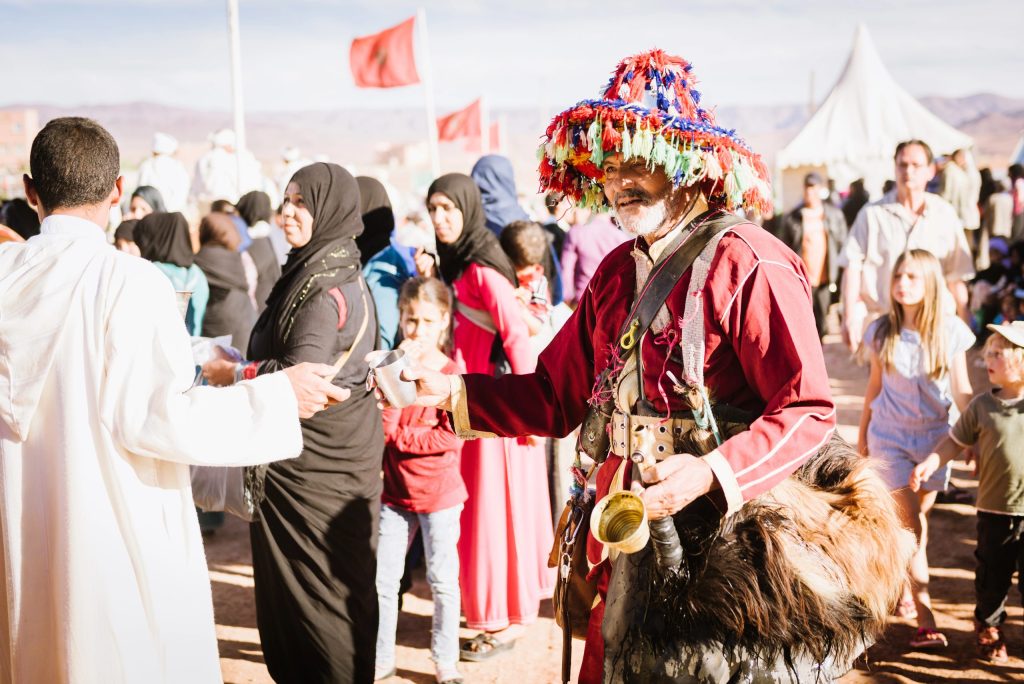
Beyond the meticulous work of cultivation and distillation, the rose harvest culminates in one of Morocco’s most enchanting annual events: the Festival of Roses (Moussem of Roses). Held annually in early May, typically corresponding with the peak of the harvest, this three-day celebration transforms Kalaat M’gouna into a carnival of colors, music, and, of course, fragrance.
The festival’s origins are deeply rooted in Berber tradition, serving as a communal thanksgiving for the abundant harvest and a vital economic hub for local producers. Over the decades, it has evolved into a significant tourist attraction, drawing visitors from across Morocco and around the world.
Key elements of the festival include:
- The Crowning of Miss Roses: A highlight of the festival, a local young woman is crowned "Miss Roses," symbolizing the beauty and grace of the valley’s floral bounty.
- Traditional Berber Music and Dance: The air resonates with the sounds of traditional instruments and the rhythmic movements of Ahouach and Ahidous dances, reflecting the rich cultural heritage of the Amazigh people.
- Parades: Elaborate parades wind through the town, featuring floats adorned with roses, local musicians, and performers in traditional attire. Children often participate, showering onlookers with rose petals.
- Souk and Market Stalls: The town’s market bursts with activity, offering a vast array of rose-based products—from essential oils and rosewater to soaps, perfumes, and cosmetics—alongside local crafts, foods, and textiles. This provides a crucial economic boost for the community, allowing producers to sell their goods directly to consumers.
- Culinary Delights: Rose petals are not just for perfume; they feature prominently in local cuisine, from rose-flavored pastries and jams to refreshing rosewater drinks.
Local officials, such as a hypothetical regional tourism director, might comment on the festival’s dual role: "The Festival of Roses is more than just a celebration; it is a vital platform for our local economy, preserving our traditions, and showcasing the unique beauty of our valley to the world. It brings our community together and ensures the legacy of the rose continues for future generations."
Experiencing Kalaat M’gouna: Beyond the Bloom
While the rose harvest and festival are undoubtedly the peak times to visit, Kalaat M’gouna offers compelling experiences year-round.
- Visit a Rose Distillery: A visit to one of the valley’s distilleries is a fundamental experience. Travelers can observe the traditional distillation process, learn about the different products, and purchase authentic rosewater, essential oil, and dried petals directly from the source, often at a fraction of the price found in the souks of Marrakech. Remember the practical tip: genuine rosewater is clear; pink versions are almost certainly synthetic.
- Walk Through the Rose Fields: During harvest season (late April to mid-May), the fields are open for exploration. A stroll amidst rows of fragrant pink flowers, with the sound of the Dadès River nearby and the High Atlas Mountains as a backdrop, is an unforgettable sensory experience. Early morning visits are recommended for the best light and to observe the pickers at work.
- Explore Bou Tharar: A short, scenic drive from Kalaat M’gouna leads to the Berber village of Bou Tharar, nestled in a narrow canyon along the river. The village, with its ancient, partially ruined structures, exudes an unhurried, timeless quality. It’s a place best explored by wandering through its winding paths, absorbing the layered history and serene atmosphere.
- Hike the Surrounding Mountains: The terrain surrounding Kalaat M’gouna is a paradise for hikers and trekkers. Mount Mgoun, after which the town is named, stands at an imposing 4,071 meters, one of the highest peaks in the High Atlas outside the Toubkal massif. Day hikes into the foothills are accessible without specialized equipment, offering stunning vistas. For the more adventurous, a multi-day summit attempt of Mount Mgoun requires a professional guide and careful preparation, which local agencies can arrange.
Economic and Social Pillars: The Rose’s Impact
The Damask rose is not merely a beautiful flower in Kalaat M’gouna; it is the economic and social backbone of the region. The industry supports thousands of families, from the farmers who cultivate the roses to the pickers, the distillery workers, and the artisans who craft rose-infused products. The export of rose essential oil and rosewater contributes significantly to Morocco’s agricultural economy, tapping into a global market for natural ingredients in high-end cosmetics and perfumery.
However, the industry faces challenges. Climate change, with its unpredictable rainfall patterns and rising temperatures, poses a threat to yields. Water management from the Dadès River is crucial and requires careful planning. Furthermore, competition from other rose-producing regions globally demands continuous innovation in product quality and market access.
Socially, the rose industry fosters strong community ties. The cooperative nature of the harvest and distillation process reinforces traditional communal labor practices. The Festival of Roses acts as a powerful unifying force, preserving cultural heritage and passing down ancestral knowledge to younger generations. Local farmers, like Ahmed, whose family has cultivated roses for generations, might express this sentiment: "The rose gives us life. It feeds our families, educates our children, and keeps our traditions alive. We work hard, but the valley repays us with its beauty and its scent."
Navigating the Valley: Practical Travel Guide
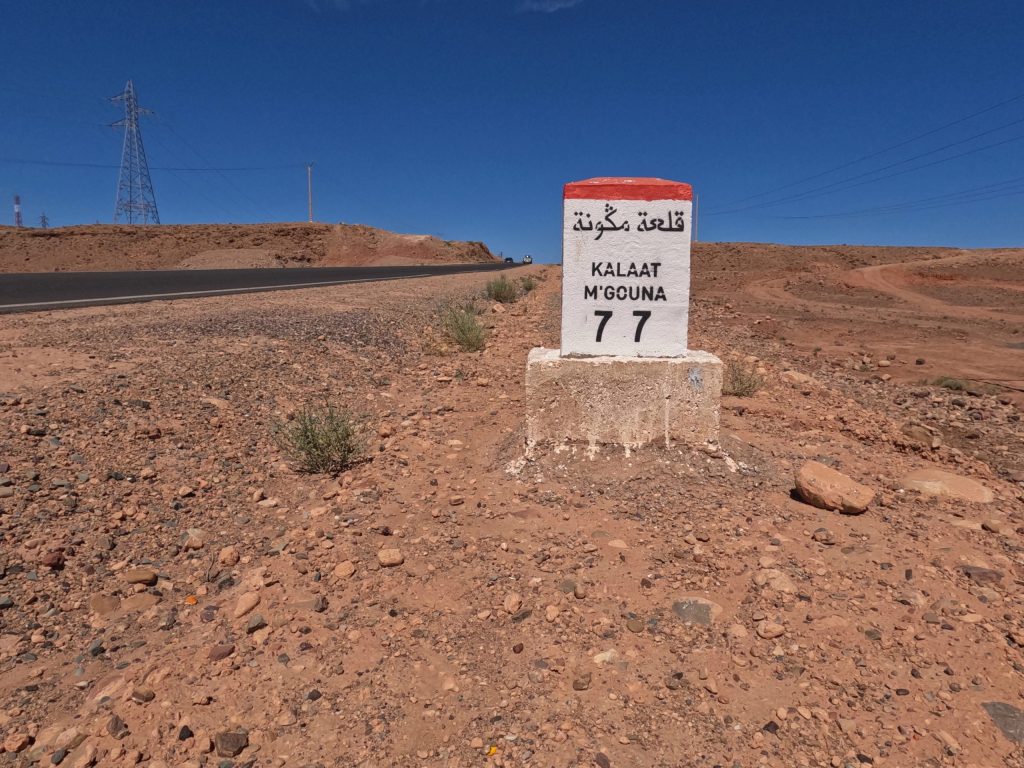
Kalaat M’gouna is situated on the N10 highway, approximately 85 km east of Ouarzazate and 40 km west of Boumalne Dadès. It is typically integrated into a broader southern Morocco itinerary rather than visited as a standalone destination.
Getting There:
- By Car or Private Driver: This is the most practical and recommended option, offering flexibility to stop at scenic viewpoints, distilleries, and villages along the N10, a well-maintained road with dramatic scenery.
- By Bus: Reputable bus companies like CTM and Supratours operate services along this route from Marrakech, via Ouarzazate. The journey from Marrakech typically takes 6-7 hours. Local connections exist but are less frequent.
- Day Trip from Ouarzazate: Given the 85 km distance, a day trip from Ouarzazate is entirely feasible. Hiring a driver for the day allows for personalized exploration of distilleries and local sites.
When to Visit:
- Late April to Mid-May: This is the prime season, with roses in full bloom, distilleries operating at peak capacity, and the annual Festival of Roses in full swing. The combination of landscape, fragrance, and cultural activity is unparalleled.
- Outside Rose Season: The Dadès landscape is striking year-round. Summer months offer cooler temperatures than the deep Sahara. Winter, while cold at this altitude, provides quiet conditions ideal for hiking.
- What to Avoid: Arriving in late May or June expecting to see roses in bloom will lead to disappointment, as the harvest is brief and intense.
Accommodation:
Accommodation options in Kalaat M’gouna are modest but comfortable, primarily consisting of guesthouses and auberges. Staying overnight is advisable for those wishing to experience the dawn harvest or embarking on multi-day hikes. Day-trippers from Ouarzazate can comfortably cover the main attractions in half a day.
What to Buy:
The primary purchases are, naturally, rose products: pure rosewater, concentrated rose essential oil, rose-infused soaps, and dried flowers. Purchasing directly from local distilleries or cooperatives ensures authenticity and supports the local community. Beyond roses, the region is also known for its traditional Amazigh jewelry and intricately crafted daggers (khanjar), reflecting a long history of metalwork.
Challenges and Future Outlook
The future of Kalaat M’gouna’s rose industry is tied to several critical factors. Sustainable agricultural practices are becoming increasingly important, particularly regarding water usage in an arid climate. Farmers are exploring more efficient irrigation systems and organic farming methods to preserve the land’s fertility.
Market diversification and value-added products are also key. While essential oil and rosewater remain staples, there’s growing potential in developing a wider range of rose-based cosmetics, culinary items, and wellness products. Promoting fair trade practices ensures that the benefits of this lucrative industry are equitably distributed among the local communities who perform the arduous work.
Moreover, balancing the growth of tourism with the preservation of local culture and environmental integrity is a delicate act. The region aims to attract visitors seeking authentic experiences while ensuring that increased foot traffic does not overwhelm the delicate ecosystem or dilute the very traditions that make the Valley of Roses so unique.
Integrating Kalaat M’gouna into a Southern Morocco Itinerary
Kalaat M’gouna seamlessly integrates into a comprehensive southern Morocco tour. From here, logical next stops often include:
- The Dadès Gorges: Renowned for their dramatic rock formations and ancient kasbahs.
- The Todra Gorge: Another spectacular canyon offering climbing and hiking opportunities.
- Merzouga and the Sahara Desert: For an unforgettable camel trek and overnight stay in desert camps.
- Ouarzazate: Known as the "Gateway to the Sahara" and a hub for film studios.
For any traveler planning a Moroccan adventure in May, allowing for a detour through Kalaat M’gouna during the rose harvest is not merely a suggestion but an imperative. It is an opportunity to immerse oneself in a sensory spectacle, witness a living tradition, and connect with a community whose identity is inextricably linked to the delicate beauty and potent fragrance of the Damask rose. The Valley of Roses offers a profound glimpse into Morocco’s natural splendor, its rich cultural heritage, and the enduring human spirit that cultivates beauty in the heart of the High Atlas.
Related posts: