The Out Lap: Formula 1 and Moët Hennessy Unveil Revolutionary On-Track Culinary Experience

Formula 1, a sport synonymous with speed, precision, and a global following, has long recognized the synergy between high-octane racing and refined hospitality. While the Paddock Club has traditionally offered a curated selection of gourmet offerings, often reflecting the host nation’s culinary landscape, a groundbreaking new venture is set to redefine the intersection of motorsport and fine dining. Formula 1, in collaboration with luxury powerhouse Moët Hennessy, has launched "The Out Lap," an innovative mobile dining experience that brings the gastronomic journey directly onto the race circuit itself.
This novel concept eschews the static environment of traditional hospitality suites for a dynamic, immersive adventure. The Out Lap utilizes a specially re-purposed bus, transformed into an exclusive, moving dining room capable of hosting a mere 12 guests. This intimate setting is designed to follow a bespoke route around each Grand Prix circuit, pausing at iconic turns and legendary sections of track. Adding an unparalleled layer of insight and nostalgia, each session will feature an F1 legend on board, ready to regale diners with captivating anecdotes and firsthand accounts of their triumphs and trials on the asphalt. This integration of culinary excellence, unparalleled access to the circuit, and the wisdom of racing icons promises an unforgettable experience for the sport’s most discerning fans.
A New Dimension to Grand Prix Hospitality
The Paddock Club, a cornerstone of Formula 1’s premium fan engagement for decades, typically offers a high-end, albeit somewhat conventional, hospitality experience. While it has consistently attracted world-class chefs to curate menus, The Out Lap represents a significant departure. Instead of a fixed location with a limited menu, it offers a mobile gastronomic odyssey. The tinted, full-length windows of the re-purposed bus serve a dual purpose: they provide guests with an unobstructed, immersive view of the racing spectacle unfolding just beyond the glass, while simultaneously preserving the privacy and exclusivity of the dining experience.
Inside, the design is meticulously crafted for both functionality and aesthetic appeal. A single row of seats is positioned along a counter-style table, ideal for chef demonstrations and intimate conversation. The rear of the space is elegantly adorned with a carefully illuminated display of premium bottles from the Moët Hennessy portfolio, a subtle yet powerful testament to the partnership’s commitment to luxury and quality. This thoughtfully designed interior ensures that the focus remains on the culinary artistry, the captivating surroundings, and the engaging company.

Inaugural Run and Future Itinerary
The maiden voyage of The Out Lap took place earlier this month at the iconic Spa-Francorchamps circuit in Belgium, a track steeped in motorsport history and renowned for its challenging natural terrain. The bus made strategic stops at legendary corners such as Eau Rouge, Raidillon, Pouhon, and La Source, allowing guests to absorb the very essence of these hallowed grounds. The experience was elevated by the presence of a celebrated F1 legend, who shared their personal connections and thrilling memories associated with these iconic locations.
The success of this initial outing paves the way for a series of exclusive events throughout the remainder of the Formula 1 season. The Out Lap is scheduled to feature at the Dutch Grand Prix at Zandvoort in August, a race that carries added significance as it has been confirmed as the nation’s final F1 event for the foreseeable future. Subsequently, the experience will travel to Italy for the Formula 1 Italian Grand Prix and then to Spain for the Spanish Grand Prix in September, offering fans at these prestigious venues a unique opportunity to engage with the sport and its heritage in an entirely new way.
Culinary Excellence On the Move
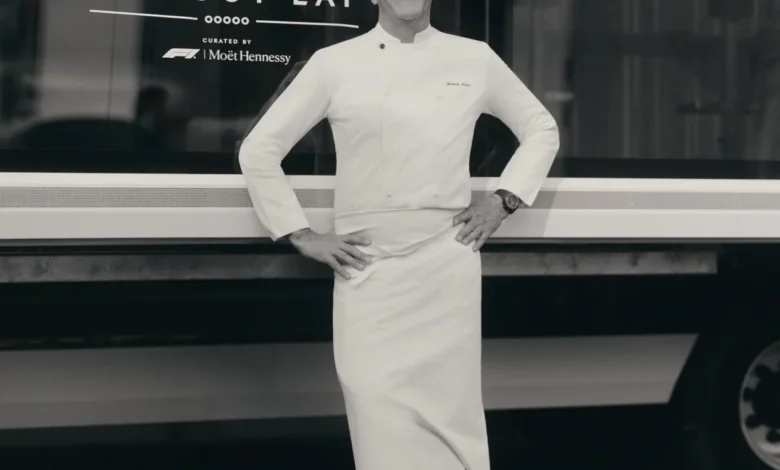
The commitment to culinary artistry is a central tenet of The Out Lap. For each race it attends, the venture will enlist a different world-leading culinary talent. The inaugural event at Spa-Francorchamps was graced by the presence of French chef Yannick Alléno. Alléno, a titan of the gastronomic world, holds the distinguished title of having the most Michelin stars globally across his esteemed international restaurants. His menu for The Out Lap was a masterclass in designing dishes that could be savored and enjoyed while in motion. Guests were treated to exquisite creations such as poached langoustine and premium wagyu beef, meticulously prepared to maintain their integrity and flavor profile within the dynamic environment of the moving vehicle.
Each culinary creation is thoughtfully paired with a selection of fine wines and spirits from the Moët Hennessy portfolio. This includes acclaimed offerings such as Whispering Angel rosé, Moët & Chandon champagne, Hennessy cognacs, and Glenmorangie single malt Scotch whisky. The integration of these premium beverages further enhances the luxurious and sophisticated nature of the experience, ensuring a harmonious marriage of taste and tradition. It is perhaps a testament to the meticulous planning that guests might even find their drinks served in specialized, self-leveling cups, designed to mitigate any spillage during the more spirited sections of the track.
Behind the Design and Operation
The design of The Out Lap is a feat of engineering and interior design, blending cutting-edge technology with an understanding of the unique demands of its on-track setting. The bus’s exterior is subtly camouflaged, allowing the focus to remain on the interior experience and the surrounding racetrack. The tinted windows, while offering privacy, are strategically positioned to provide panoramic views of the circuit. This creates a sense of being simultaneously within a private sanctuary and intimately connected to the raw energy of the Grand Prix.

The interior layout is optimized for an intimate group. The counter-style table encourages interaction among guests and with the onboard chef, facilitating a more personal and engaging dining experience. The presence of a renowned F1 legend adds an invaluable dimension, transforming the meal into a storytelling session where the thrill of the race is brought to life through personal narratives. The carefully curated beverage display, featuring bottles from Moët Hennessy’s prestigious brands, serves as a visual representation of the partnership’s commitment to excellence and luxury.
Strategic Partnerships and Future Outlook
The collaboration between Formula 1 and Moët Hennessy for "The Out Lap" signifies a strategic move by both entities to tap into the lucrative luxury market and offer unparalleled experiences to a high-net-worth clientele. Formula 1, under the ownership of Liberty Media, has been actively seeking to broaden its appeal beyond hardcore motorsport enthusiasts, targeting a more diverse and affluent audience. This initiative aligns perfectly with that strategy, offering a unique blend of sport, luxury, and exclusive access.
Moët Hennessy, a global leader in the luxury spirits and wine industry, benefits from the association with a globally recognized and aspirational brand like Formula 1. The partnership provides a unique platform to showcase its premium products in a highly engaging and memorable context, associating them with the excitement and prestige of motorsport. The shared vision of delivering exceptional experiences is evident in the meticulous planning and execution of The Out Lap.
While the specific chefs and former racing stars for future Out Lap experiences are yet to be officially announced, bookings for this exclusive "meals on wheels" concept are now open. This suggests a well-defined roadmap and a commitment to replicating and potentially enhancing the success of the inaugural event. The anticipation surrounding future lineups of culinary masters and motorsport icons is palpable, promising further unique and unforgettable encounters for F1 aficionados.
Broader Implications for the Motorsport Landscape
The introduction of The Out Lap has several implications for the broader Formula 1 landscape and the wider sports hospitality sector. Firstly, it sets a new benchmark for experiential marketing within motorsport. By moving beyond static hospitality and creating a dynamic, mobile, and deeply integrated experience, Formula 1 is demonstrating a commitment to innovation and fan engagement. This could spur other teams and sponsors to develop similarly creative and immersive activations.

Secondly, it highlights the growing importance of personalized and exclusive experiences in the luxury market. The intimate setting of The Out Lap, coupled with the presence of an F1 legend and world-class cuisine, caters to a desire for unique, shareable moments that transcend traditional forms of entertainment. This trend is likely to continue shaping the future of premium fan experiences across various sports and entertainment industries.
Finally, the success of such ventures can have a ripple effect on local economies and tourism. By attracting a high-spending demographic to circuits, initiatives like The Out Lap can contribute significantly to the economic vitality of host regions. The demand for such exclusive experiences underscores the enduring appeal of Formula 1 as a global platform for luxury, entertainment, and unparalleled sporting drama. The Out Lap is not just a dining experience; it is a carefully crafted immersion into the heart of Formula 1, blending the thrill of the race with the sophistication of fine dining, all while traversing the legendary circuits that define the sport.