Discovering Michigan: A Comprehensive Guide to the Great Lakes State’s Premier Destinations

Nestled in the northern United States, Michigan stands as a state of remarkable diversity, offering an array of experiences from bustling metropolitan centers to serene natural landscapes. As a pivotal stop on any comprehensive U.S. road trip, Michigan provides a compelling blend of historical depth, cultural vibrancy, and unparalleled natural beauty, making it a premier destination for travelers seeking varied adventures. Its unique geography, defined by the Great Lakes and two distinct peninsulas, contributes to an ecosystem and cultural identity unlike any other. This detailed guide explores some of Michigan’s most captivating locales, providing a journalistic overview of their significance, attractions, and broader implications for tourism and heritage.

Historical and Industrial Prowess: Dearborn and Detroit

Michigan’s legacy is deeply intertwined with American innovation and industry, a story vividly told in its southeastern region. The cities of Dearborn and Detroit serve as living museums, chronicling the nation’s journey through industrial revolution and cultural transformation.

The Henry Ford Museum of American Innovation
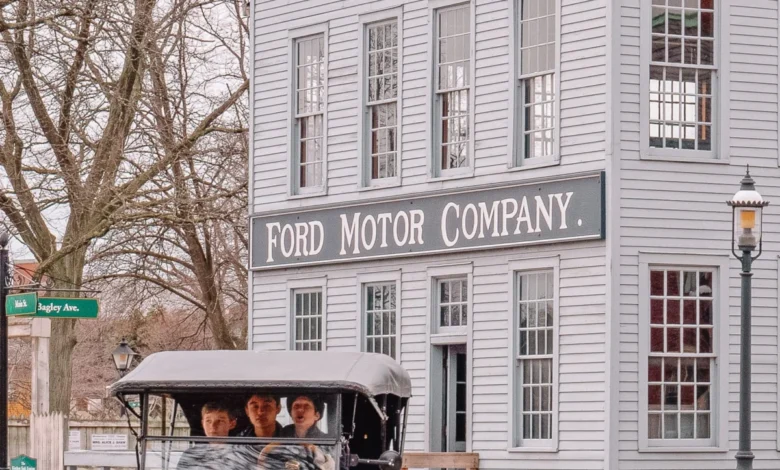
Located in Dearborn, the Henry Ford Museum of American Innovation is more than a tribute to automotive history; it is a sprawling complex dedicated to the ingenuity and spirit of American invention. Established by automotive pioneer Henry Ford, the museum, alongside Greenfield Village and the Ford Rouge Factory Tour, forms "The Henry Ford," a national monument to American achievement. Unlike conventional car museums, it broadens its scope to encompass pivotal moments in American history and technology. Visitors are not merely spectators but participants in a narrative of progress.

Among its vast collections are iconic artifacts that have shaped the nation: the limousine in which President John F. Kennedy was assassinated, the bus where Rosa Parks defied segregation, and the laboratory of Thomas Edison. These exhibits offer tangible connections to critical historical events and figures, making the museum a powerful educational tool for all ages. Beyond static displays, the museum provides interactive experiences, including rides in Model T Fords and steam-powered locomotives within Greenfield Village, an adjacent 80-acre outdoor museum featuring historic buildings from across the country. The working farms within Greenfield Village further illustrate America’s agricultural roots and the evolution of farming practices. The commitment to preserving and interpreting these artifacts underscores Michigan’s central role in the narrative of American innovation, attracting millions of visitors annually and significantly contributing to the regional economy through cultural tourism and educational outreach. Its ongoing mission is to inspire future generations of innovators by showcasing the lessons of the past.

Detroit: A City Reimagined
Once famously dubbed "Motor City," Detroit has undergone a profound revitalization, emerging as a dynamic cultural hub and an increasingly popular destination for urban exploration. Dispelling outdated perceptions, the city now boasts a vibrant arts scene, innovative culinary landscape, and beautifully restored historical sites. The city’s transformation has been lauded by local officials and tourism bodies, who highlight its resilience and rich cultural tapestry as key draws.

A cornerstone of Detroit’s cultural resurgence is the Detroit Institute of Arts (DIA). Renowned globally, the DIA houses an encyclopedic collection of over 60,000 artworks spanning diverse cultures and periods, from ancient to contemporary. Its architectural grandeur, a Beaux-Arts masterpiece, is matched by the depth of its holdings, which include masterpieces by European artists such as Picasso, Matisse, and Rembrandt, as well as significant works from American, Asian, and African traditions. A particular highlight is Diego Rivera’s "Detroit Industry Murals," a monumental fresco cycle that powerfully depicts the city’s industrial might and workforce. The DIA’s commitment to accessibility is evident in its interactive displays and public programs, including lectures and workshops, which cater to a broad audience, fostering artistic engagement and education.

Another essential Detroit experience is Belle Isle Park, an urban oasis situated within the Detroit River, offering panoramic views of both Detroit and Windsor, Canada. Designed by Frederick Law Olmsted, the visionary behind New York’s Central Park, Belle Isle is a testament to urban planning and natural preservation. It hosts several historic attractions, including the Belle Isle Aquarium, the oldest aquarium in the United States, which first opened in 1904. This historic institution provides a glimpse into both local and exotic marine life, closing daily at 4 PM. Other notable sites within the park include the Anna Scripps Whitcomb Conservatory, a stunning botanical garden; the Dossin Great Lakes Museum, which chronicles the region’s maritime history; the historic Belle Isle Boat House; and the majestic James Scott Memorial Fountain. The park’s diverse offerings allow visitors to spend an entire afternoon engaging with nature, history, and culture, serving as a vital green lung for the city and a cherished recreational space.

For those interested in the city’s musical heritage, the Motown Museum, housed in Hitsville U.S.A., offers an intimate look into the birthplace of the iconic Motown sound. It stands as a powerful testament to the cultural impact of African American artists and entrepreneurs. For a taste of authentic Detroit, Eastern Market stands as one of the nation’s oldest and largest continually operating public markets, established in the 1800s. It remains a bustling epicenter of commerce and community, particularly vibrant on weekends when a multitude of vendors offer fresh produce, artisanal foods, baked goods, plants, and unique local crafts. The market not only provides a platform for local businesses and farmers but also fosters a strong sense of community, embodying Detroit’s entrepreneurial spirit and culinary diversity. Its economic impact is substantial, supporting local agriculture and small enterprises while attracting food enthusiasts from across the region.

Natural Wonders and Great Lakes Grandeur

Michigan’s natural landscape is dominated by the majestic Great Lakes, which sculpt its coastlines into breathtaking vistas, making it a paradise for outdoor enthusiasts.

Eagle Bay (Turnip Rock): A Secluded Coastal Gem
Near Port Austin, on the "Thumb" of Michigan, lies the geological marvel of Turnip Rock in Eagle Bay. This unique sea stack, sculpted over millennia by the relentless forces of Lake Huron, resembles an inverted turnip, with its narrow base supporting a wider, vegetation-covered cap. Its secluded nature, accessible primarily by water, makes it an adventure for those seeking to connect with Michigan’s wild beauty.

Kayaking offers the most immersive way to experience Turnip Rock and the dramatic shoreline of the "Thumb." Local outfitters, such as Port Austin Kayak, provide rentals and crucial information on local conditions, ensuring a safe and enjoyable journey. A typical kayaking trip to Turnip Rock and its surrounding natural features can take 3-4 hours, requiring a moderate level of physical fitness, especially if winds pick up. This ecotourism experience not only offers spectacular photographic opportunities but also promotes responsible outdoor recreation, highlighting the delicate balance of this unique coastal environment. The sheer effort required to reach it enhances the reward, imbuing visitors with a deeper appreciation for Michigan’s untamed corners.

Grand Island: Wilderness on Lake Superior
Situated in Lake Superior, near the vibrant city of Munising, Grand Island is a designated National Recreation Area within the Hiawatha National Forest. This expansive island offers a pristine wilderness retreat, starkly contrasting with urban life. Historically significant, the island has been inhabited by Native Americans for thousands of years and later served as a vital logging hub. Today, it is managed for its ecological integrity and recreational value.

Grand Island provides a rugged camping experience, with some of the most picturesque campsites located around Trout Bay. Facilities are minimal, emphasizing a genuine wilderness experience where visitors can disconnect and immerse themselves in nature. Access to the island is via the Grand Island ferry from Williams Landing, operating seasonally. Beyond camping, the island is a haven for hiking, mountain biking, and wildlife viewing. For a unique perspective on the region’s maritime history, visitors can embark on glass-bottom boat shipwreck tours. Operators like Shipwreck Tours offer excursions to two of the largest wrecks in the bay, providing fascinating insights into Lake Superior’s treacherous past without requiring visitors to brave the cold waters themselves. This combination of historical depth and natural splendor makes Grand Island a compelling destination for those seeking solitude and adventure.

Silver Lake State Park’s Towering Dunes
On Michigan’s western coast, along the shores of Lake Michigan, Silver Lake State Park presents an extraordinary landscape of towering sand dunes, freshwater lakes, and lush forests. This area is part of the largest freshwater dune system in the world, a geological marvel that stretches for miles along Lake Michigan’s eastern edge. The park is uniquely divided into distinct zones: a pedestrian area for tranquil enjoyment, an off-highway vehicle (OHV) area for adrenaline seekers, and a dune-ready vehicle zone for commercial tours.

The iconic Silver Lake Sand Dunes are a major draw, offering a surreal, desert-like environment adjacent to the vast expanse of Lake Michigan. Visitors can explore these monumental dunes on foot, or for a more exhilarating experience, join Mac Wood’s Dune Rides. These guided tours, operating since 1930, provide an informative and entertaining journey across the sandy terrain, with expert guides sharing insights into the dunes’ formation and ecosystem. The rides are immensely popular, offering panoramic views of the lake and the unique landscape, appealing to families and adventure enthusiasts alike. Another highlight within the park is the Little Sable Point Lighthouse, an imposing brick tower built in 1874. Accessible via North Lighthouse Drive, it stands as a testament to Michigan’s maritime heritage, offering breathtaking views from its summit, particularly at sunset. Silver Lake State Park exemplifies Michigan’s commitment to both recreation and conservation, balancing public access with the protection of its fragile dune ecosystems.

Pictured Rocks National Lakeshore: A Canvas of Color
Stretching along the South Shore of Lake Superior in Michigan’s Upper Peninsula, Pictured Rocks National Lakeshore was designated as the first National Lakeshore in the United States in 1966. Its name derives from the vibrant mineral stains – iron (red/orange), copper (blue/green), and manganese oxide (black/white) – that paint the sandstone cliffs, creating a spectacular natural palette. This dramatic coastline, characterized by colorful cliffs, pristine beaches, expansive dunes, and intriguing rock formations, offers some of the most breathtaking scenery