Vietnam, a nation renowned for its rich cultural heritage and breathtaking landscapes, continues to captivate discerning travelers with its multifaceted offerings. For those who appreciate the finer aspects of travel, the country presents a compelling blend of historical grandeur and serene natural beauty. A recent exploration of Hanoi and the adjacent Lan Ha Bay by seasoned travelers underscores the enduring allure of Vietnam, highlighting a sophisticated travel experience that caters to even the most refined tastes. This journey, building upon previous visits since 2004, reaffirmed the country’s capacity to deliver unique and memorable encounters.
Timeless Elegance at Sofitel Legend Metropole Hanoi
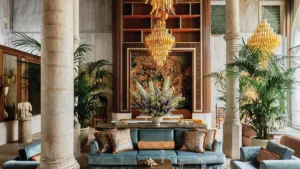
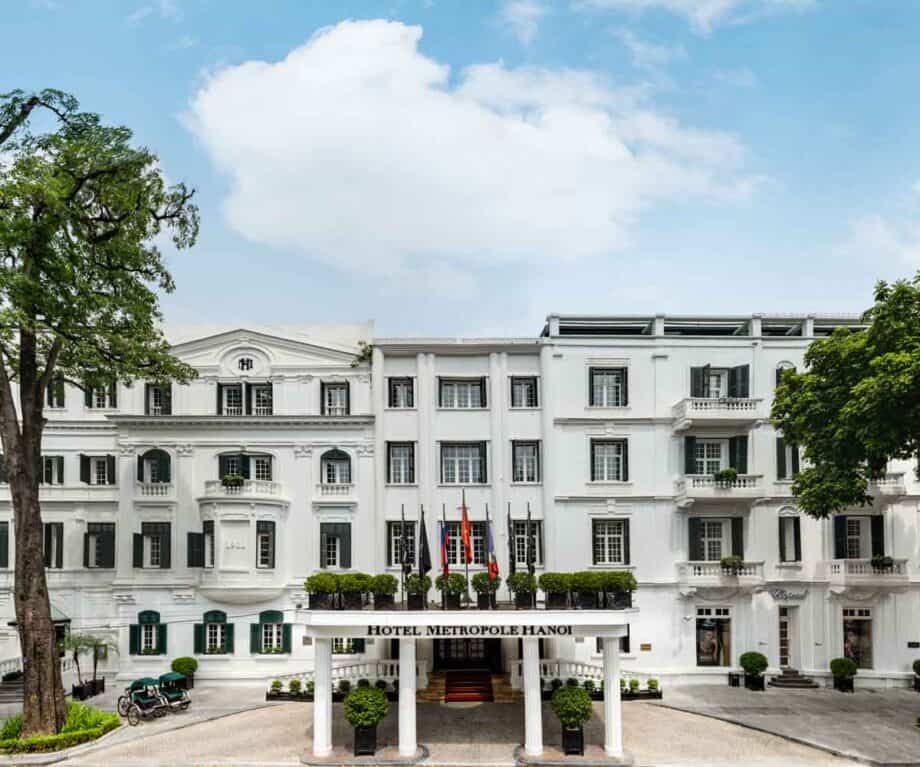
The Sofitel Legend Metropole Hanoi, a landmark hotel that first opened its doors in 1901, served as the luxurious urban anchor for this exploration. Often referred to as the "Grand Dame" of Vietnamese hospitality, the hotel has a storied past, having hosted a distinguished roster of writers, dignitaries, royalty, and world leaders throughout its existence. Its prime location in the heart of Hanoi’s historic Old Quarter offers guests unparalleled access to the city’s vibrant pulse, while the hotel itself provides a sanctuary of refined elegance and attentive service, making it a destination in its own right.
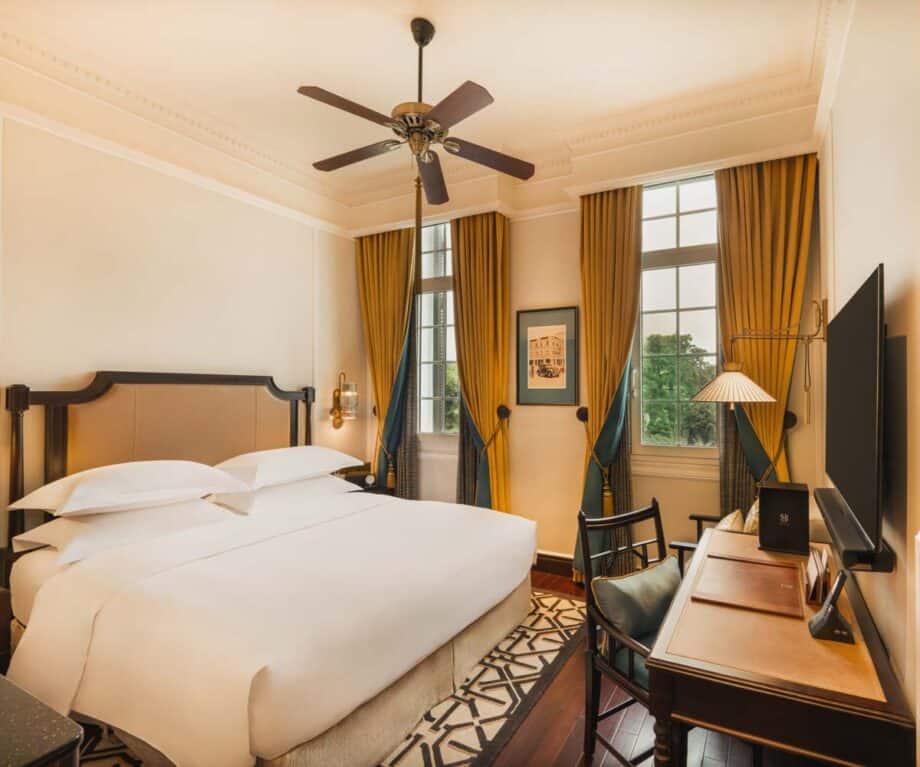
A significant restoration of the Heritage Wing, completed in 2023, meticulously preserved the hotel’s historical character while integrating contemporary luxury. Guests residing in this wing can expect accommodations that feature meticulously restored original hardwood floors, hand-painted artwork, and bespoke Italian marble bathrooms. The commitment to guest comfort and personalized service was evident, with the hotel staff consistently demonstrating an eagerness to assist, from facilitating early check-ins to managing onward travel arrangements. This dedication ensured a seamless and exceptionally comfortable stay for all visitors.
Beyond impeccable service, the Metropole Hanoi has demonstrated a forward-thinking approach to catering to diverse dietary needs. For vegan travelers, the hotel provided bespoke vegan options for breakfast, showcasing a commitment to inclusivity. The dining experience was further elevated by the award-winning Le Beaulieu restaurant, which offers a sophisticated and creative plant-based vegan fine dining experience. This attention to detail in culinary offerings, alongside the luxurious accommodations and historical ambiance, positions the Sofitel Legend Metropole Hanoi as a premier choice for luxury travel in Vietnam. The hotel’s strategic location, coupled with its rich history and ongoing commitment to modern luxury, makes it an ideal starting point for exploring the captivating capital.
Experiential Vegan Fine Dining at Le Beaulieu
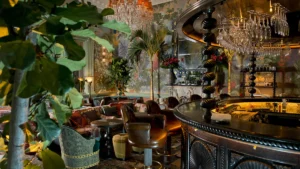
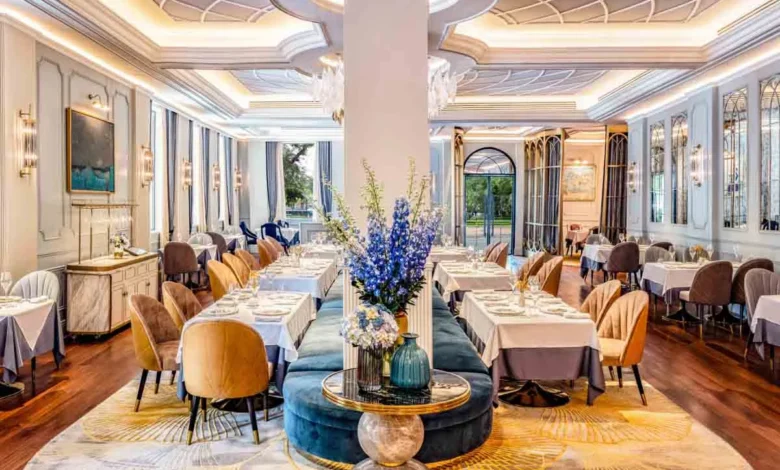
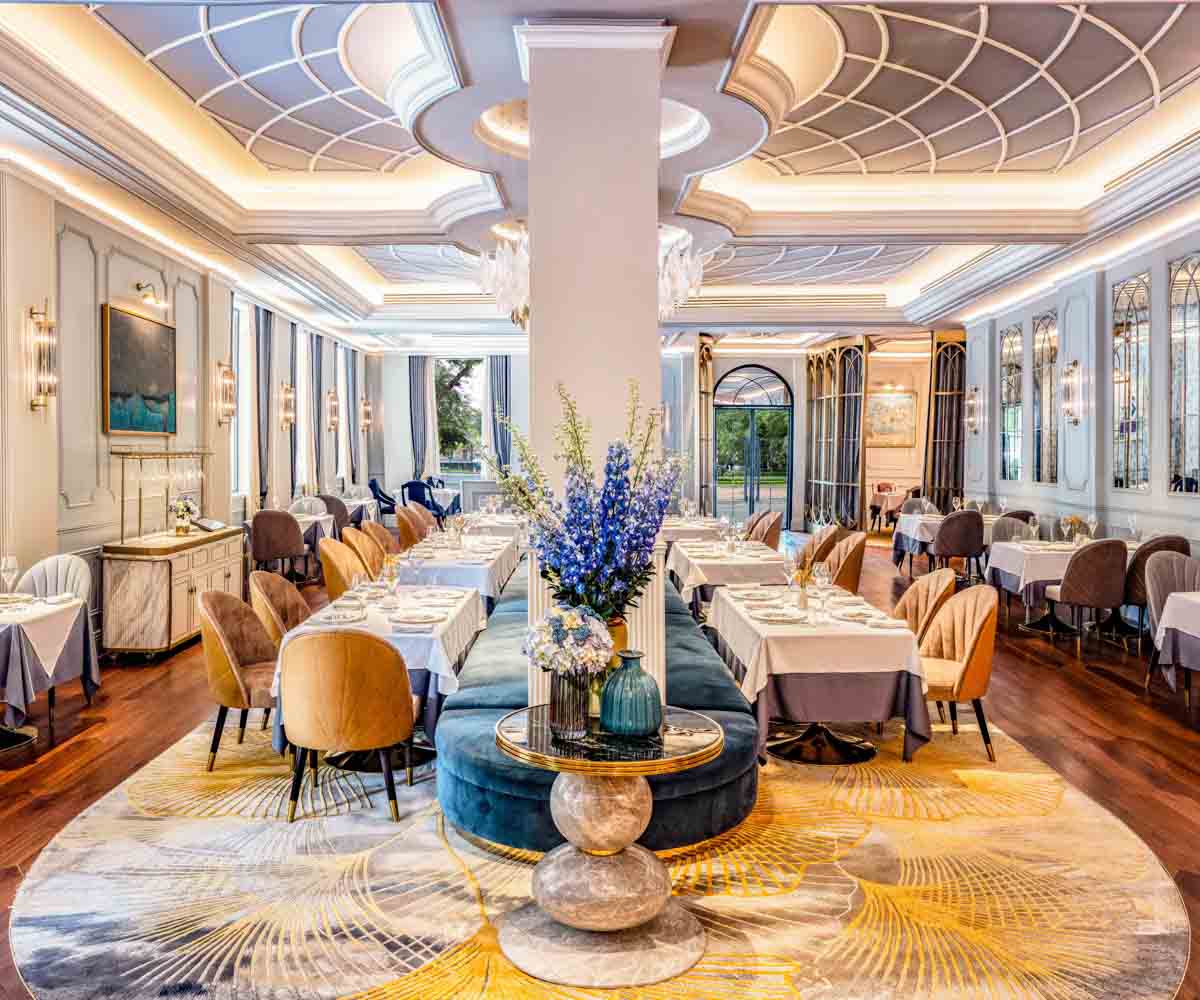
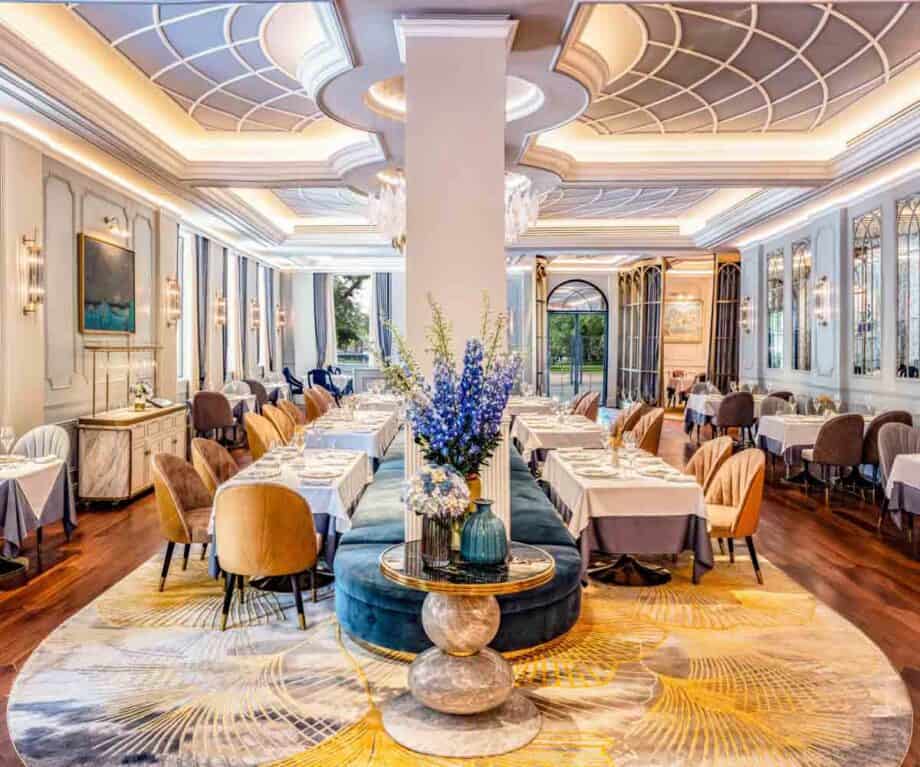
The dining experience at Le Beaulieu, an integral part of the Sofitel Legend Metropole Hanoi, proved to be a significant highlight. As Hanoi’s oldest operating restaurant, having served French cuisine in the same location since its inception in 1901, Le Beaulieu carries a unique historical significance. The restaurant’s recent redesign, as part of the Heritage Wing restoration project, has revitalized its ambiance while retaining its storied charm, ensuring it remains a sought-after destination for both global and local patrons.
While traditionally known for its classic French fare, Le Beaulieu has evolved to accommodate a growing demand for plant-based dining. The availability of a vegetarian tasting menu, which could be expertly adapted to a vegan format upon request, was a welcome discovery. This culinary adaptability underscores the restaurant’s commitment to providing a high-caliber fine dining experience for all guests.
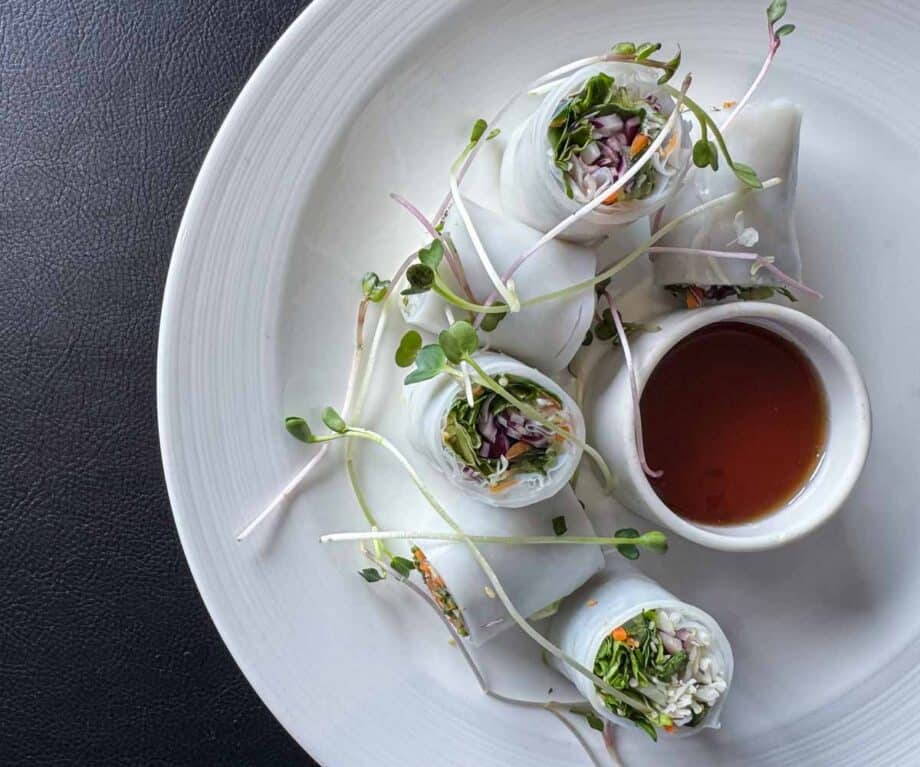
The vegan fine dining journey commenced with an array of delicate canapés, freshly baked breads, and a refreshing gazpacho. Each dish was meticulously presented by knowledgeable staff who provided insightful details about the ingredients and preparation methods. The main courses showcased a thoughtful approach to plant-based cuisine, emphasizing simple, high-quality ingredients such as carrots, tomatoes, and cauliflower, transformed into visually appealing and delicious creations.
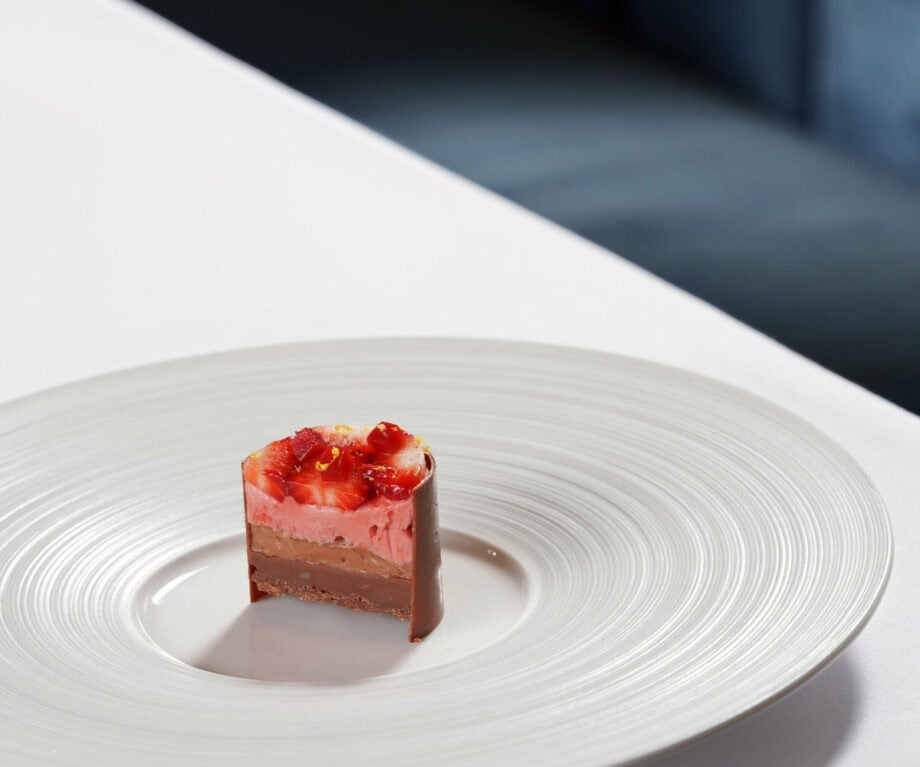
The dessert at Le Beaulieu was particularly memorable, described as a sublime chocolate and strawberry creation that stands as one of the finest vegan desserts experienced during extensive international travels. This culinary excellence, combined with the restaurant’s historical legacy and refined atmosphere, solidifies Le Beaulieu as a must-visit dining establishment for those seeking an exceptional gastronomic experience in Hanoi. The restaurant’s ability to adapt its celebrated French culinary heritage to innovative vegan fine dining speaks volumes about its dedication to guest satisfaction and its position at the forefront of Vietnam’s evolving luxury hospitality scene.
Exploring the Serene Beauty of Lan Ha Bay with Ambassador Cruise
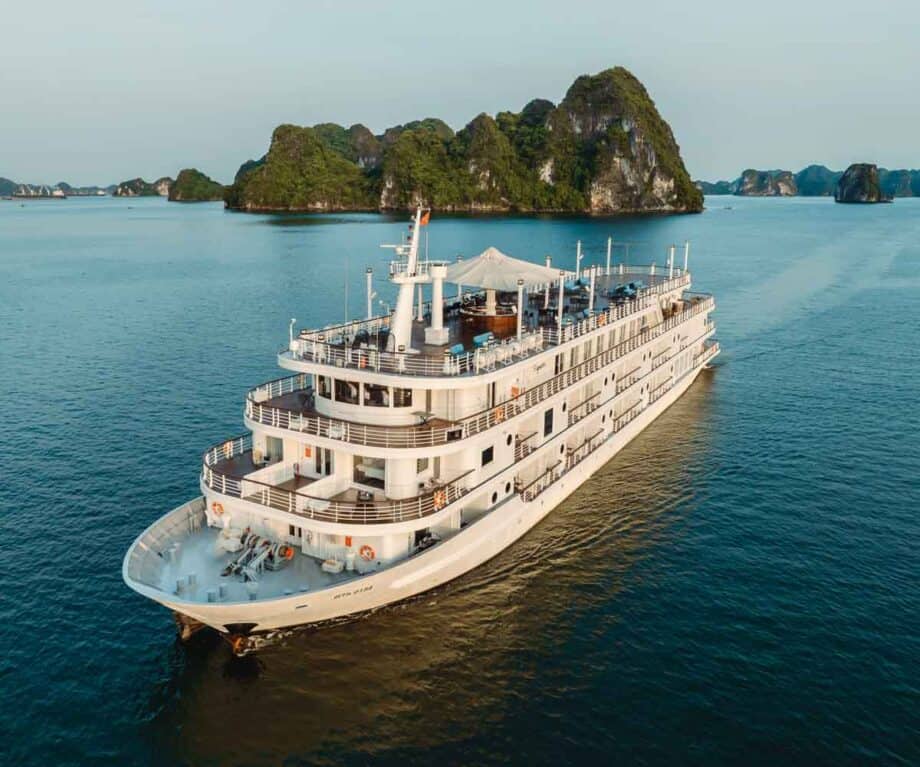
Transitioning from the urban allure of Hanoi, the journey continued to the coastal region for an immersive experience in Lan Ha Bay. Opting for a cruise with Ambassador Signature, travelers were introduced to an alternative to the more frequented Ha Long Bay. Lan Ha Bay, while sharing the same dramatic limestone karst formations and breathtaking scenery, offers a more tranquil and less crowded environment due to a lower volume of tourist traffic. This distinction provides a more intimate and serene encounter with the natural wonders of the region.
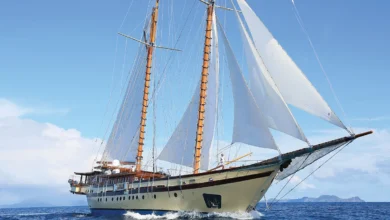
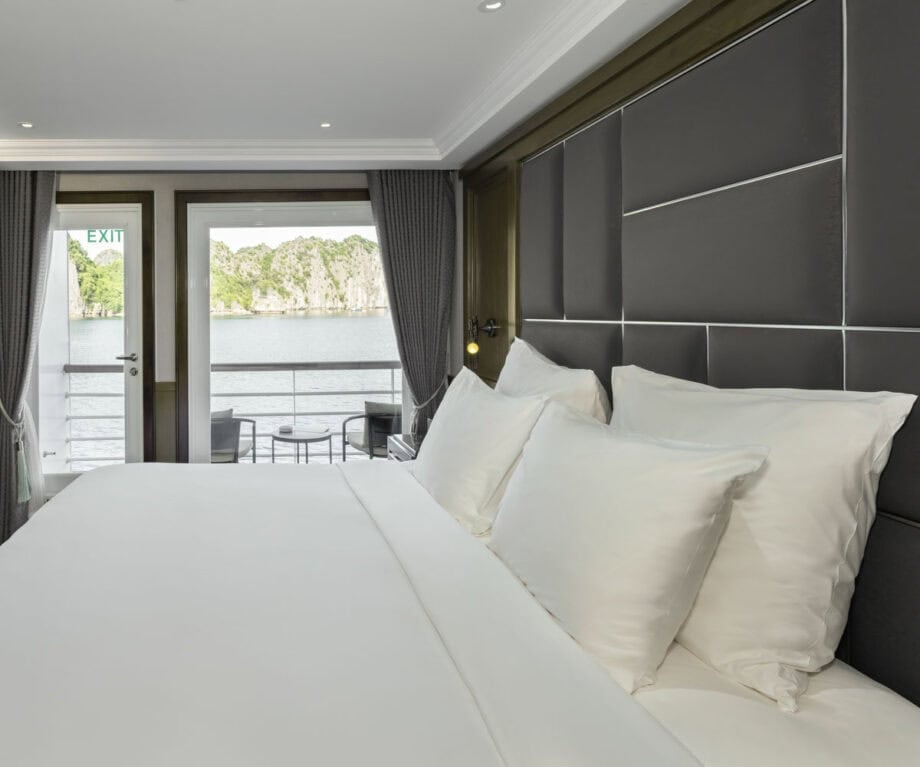
Ambassador Signature, the newest vessel in the Ambassador Cruise fleet, features 39 spacious cabins spread across two decks, designed to offer modern comfort and style. The Ambassador Executive cabin, situated on the second floor, provided panoramic views of the ever-changing seascape through expansive floor-to-ceiling windows and a private balcony. This setup allowed for a continuous appreciation of the majestic limestone karsts that dot the bay.
While excursions ashore were available, the preference for this journey was to fully immerse in the tranquil ambiance of the bay. Days were dedicated to soaking in the scenery and marveling at the geological formations. Enhancing the relaxation, onboard spa services, including massages, were utilized to further elevate the Lan Ha Bay cruise experience. This approach emphasized a slower, more contemplative engagement with the natural environment, aligning with the desires of luxury travelers seeking peace and rejuvenation.
A Culinary Voyage: Vegan Dining Aboard Ambassador Signature
The culinary offerings aboard Ambassador Signature were a crucial component of the luxury cruise experience, with a particular focus on catering to vegan dietary requirements. From the outset, the crew demonstrated a proactive and dedicated approach to ensuring vegan guests were exceptionally well-cared for. This commitment translated into a diverse array of thoughtfully prepared dishes, rather than simple last-minute adaptations.
Meals featured an abundance of fresh vegetables and tropical fruits, reflecting the region’s bounty. The cuisine drew inspiration from both Vietnamese and Indian culinary traditions, prepared and presented with a high degree of care and consideration. This fusion approach resulted in flavorful and satisfying dishes that catered to a sophisticated palate.
The attentive service provided by the onboard staff further enhanced the dining experience. Whether at breakfast, during relaxed lunches in the restaurant, or enjoying dinner under the stars, the team consistently paid close attention to the vegan needs of guests. This ensured that meals were not only delicious but also ample, leaving guests consistently satisfied and eagerly anticipating each culinary offering. The dedication to providing a high-quality vegan dining experience at sea is a testament to Ambassador Signature’s commitment to inclusive luxury travel.
Strategic Planning for the 2026 Travel Season
The combination of Hanoi and Lan Ha Bay proved to be an exceptionally well-matched pairing for this recent trip, offering a compelling contrast between the dynamic energy of a bustling capital and the serene tranquility of a picturesque coastal landscape. The luxury accommodations at Sofitel Legend Metropole Hanoi and the immersive cruise experience with Ambassador Signature played distinct yet complementary roles in this meticulously planned vegan travel adventure in Vietnam. This strategic combination of urban exploration and natural immersion offered a comprehensive and deeply satisfying experience of Northern Vietnam, reflecting a growing trend in luxury travel that prioritizes authentic experiences, cultural depth, and personalized service.
The successful execution of this itinerary for the 2026 travel season underscores Vietnam’s burgeoning appeal to the luxury market. As global travel patterns evolve, the country’s ability to offer diverse and high-quality experiences, from historical city stays to serene natural retreats, positions it as a prime destination. The emphasis on accommodating specific dietary needs, such as the comprehensive vegan dining options, further enhances its attractiveness to a broader spectrum of international visitors. This integrated approach to luxury travel, encompassing comfort, cultural immersion, and tailored experiences, is likely to drive continued growth in Vietnam’s tourism sector.
The Evolving Landscape of Luxury Travel in Vietnam
Vietnam’s tourism sector has witnessed significant growth in recent years, driven by its rich cultural heritage, stunning natural beauty, and increasingly sophisticated hospitality offerings. The country has successfully transitioned from a budget-friendly backpacker destination to a sought-after location for luxury travelers. This evolution is characterized by the development of world-class hotels, high-end resorts, and premium cruise experiences that cater to international standards of comfort and service.
The emphasis on experiential travel, where visitors seek authentic and immersive encounters, is a key driver in this transformation. Luxury travelers are increasingly looking beyond conventional sightseeing to engage with local culture, cuisine, and natural environments in meaningful ways. This shift has spurred innovation in the travel industry, with providers developing unique itineraries and specialized services that cater to these evolving preferences.
Furthermore, the growing awareness of sustainable and responsible tourism is influencing luxury travel choices. Destinations that demonstrate a commitment to environmental conservation and community engagement are becoming increasingly attractive. Vietnam, with its rich biodiversity and cultural traditions, is well-positioned to capitalize on this trend, provided that development is managed with a focus on preservation and sustainability.
The rise of niche travel segments, such as vegan tourism, further illustrates the diversification of the luxury market. The ability of establishments like Sofitel Legend Metropole Hanoi and Ambassador Signature to provide exceptional experiences for travelers with specific dietary needs highlights a forward-thinking approach that anticipates and meets the demands of a global clientele. This level of personalization and attention to detail is becoming a hallmark of luxury travel in Vietnam.
Future Outlook and Implications
The success of luxury travel experiences in Vietnam, as exemplified by the recent exploration of Hanoi and Lan Ha Bay, suggests a positive outlook for the country’s tourism industry. The strategic focus on combining iconic historical sites with serene natural escapes, coupled with a commitment to exceptional service and diverse culinary offerings, provides a strong foundation for continued growth.
The implications for Vietnam are substantial. Increased luxury tourism can contribute significantly to the national economy through foreign exchange earnings, job creation, and the development of related industries. It also fosters a greater appreciation for Vietnam’s cultural and natural heritage, potentially leading to enhanced preservation efforts.
However, sustained growth requires careful management to mitigate potential negative impacts. Ensuring that tourism development is sustainable, environmentally responsible, and culturally sensitive will be crucial for preserving the very qualities that attract luxury travelers in the first place. This includes managing visitor numbers in sensitive ecological areas, supporting local communities, and maintaining the authenticity of cultural experiences.
As Vietnam continues to solidify its position on the global luxury travel map, its ability to offer diverse, high-quality, and personalized experiences will be paramount. The journey from the historic grandeur of Hanoi to the tranquil waters of Lan Ha Bay serves as a compelling testament to the country’s capacity to deliver unforgettable adventures for the discerning traveler. The ongoing evolution of its hospitality sector, with a keen eye on innovation and inclusivity, promises to make Vietnam an even more captivating destination in the years to come.