Federal Aviation Administration equipment outage triggers widespread flight disruptions across New York and Philadelphia metropolitan areas.

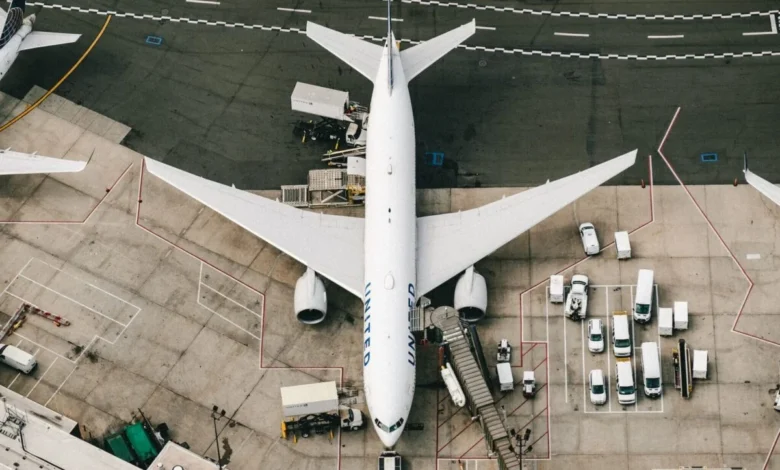
The regional aviation landscape across the Northeastern United States experienced significant paralysis on Monday as a critical equipment failure within the Federal Aviation Administration (FAA) infrastructure forced a widespread ground stop. The disruption, which primarily impacted major hubs including John F. Kennedy International Airport (JFK), LaGuardia Airport (LGA), Newark Liberty International Airport (EWR), and Philadelphia International Airport (PHL), resulted in hundreds of flight cancellations and cascading delays that rippled through the national airspace system.
Chronology of the Disruption
The situation began in the early hours of Monday when technical teams identified an anomaly in a regional air traffic control facility. By mid-morning, the FAA officially confirmed that an equipment outage necessitated an immediate pause in departures and arrivals at the affected hubs. According to real-time flight tracking data provided by FlightAware and FlightRadar24, the ground stop was initiated to ensure the safety of aircraft already in the air while technicians worked to restore critical communication and navigation systems.
By 11:30 a.m. local time, the congestion at the affected airports had reached critical levels. Aircraft awaiting takeoff were held at gates or on taxiways, while inbound flights were subjected to lengthy holding patterns or diversions to regional airports outside the affected zone. Passengers at terminals across the tri-state area and Philadelphia reported a lack of clarity, as digital signage systems struggled to update the rapidly changing status of thousands of flights.
By the afternoon, the FAA began a phased lifting of the ground stops, allowing a limited volume of traffic to resume. However, the regulatory body cautioned that the recovery process would be protracted, as the backlog of aircraft would require a systematic "metering" approach to prevent further system overloads.
Supporting Data and Statistical Context
The scale of the disruption is underscored by the high volume of traffic typically handled by the New York-Philadelphia corridor. These four airports collectively represent one of the busiest airspaces in the world. On a standard Monday, these facilities manage a combined total of approximately 4,000 to 5,000 flight operations.
Data from the Bureau of Transportation Statistics indicates that the New York metropolitan area accounts for nearly 15% of all national flight delays during peak periods. The outage on Monday exacerbated an already strained system. By 3:00 p.m., the impact was clear:
- JFK International: Reported over 120 cancellations and 450 delays.
- LaGuardia: Experienced the highest impact, with nearly 30% of its scheduled daily departures canceled.
- Newark Liberty: Faced extensive congestion, with average delays exceeding three hours for departures.
- Philadelphia International: Reported a steady stream of diversions and ground delays, affecting both domestic and international long-haul carriers.
The financial implications of such a shutdown are substantial. Industry analysts estimate that a single day of major hub disruption can cost airlines and associated logistics providers tens of millions of dollars in crew re-assignment, fuel burn, and passenger compensation costs.
Official Responses and Technical Analysis
In a formal statement released via its communication portal, the FAA acknowledged the "technical failure" but remained brief regarding the specific nature of the equipment involved. "The FAA is investigating the root cause of an equipment outage that affected air traffic control operations in the New York and Philadelphia areas," the statement noted. "Safety remains our top priority, and we have implemented temporary traffic management initiatives to safely normalize operations."
While the FAA did not disclose whether the outage was a result of hardware failure, software corruption, or a cyber-security incident, industry experts suggest the infrastructure involved is likely part of the NextGen modernization program—a long-term initiative to replace legacy radar systems with satellite-based surveillance.
A spokesperson for the Port Authority of New York and New Jersey, which manages the three major New York airports, urged travelers to "verify flight status with their respective airlines before heading to the terminals," emphasizing that while the airports were operational, the recovery from the ground stop would likely extend through the evening.
Broader Impact and Industry Implications
The incident has reignited the debate regarding the resilience of the United States’ air traffic control (ATC) infrastructure. Over the past decade, the aviation industry has faced increasing pressure to modernize aging systems that rely on decades-old technology.
Aviation analyst Mark Henderson, who tracks infrastructure reliability, noted that the interconnected nature of the modern airspace means that localized outages often result in systemic failures. "Because the New York and Philadelphia corridors act as the lungs of the U.S. aviation system, any obstruction here inevitably leads to oxygen deprivation for the rest of the network," Henderson explained. "When you stop movement in the Northeast, you see the effects in Chicago, Atlanta, and Dallas within hours."
Beyond the immediate logistical nightmare, the incident raises concerns regarding passenger rights and airline liability. Under the Department of Transportation’s current guidelines, airlines are generally not required to provide compensation for delays caused by "force majeure" events or air traffic control limitations. As a result, the thousands of passengers stranded on Monday are largely left to navigate hotel vouchers and rebooking protocols on their own, often facing limited seat availability due to the time of year and high load factors.
The Path to Recovery
As of late Monday evening, flight operations at the affected airports were gradually returning to a state of equilibrium. However, the FAA issued an advisory that the "systemic recovery" could last well into Tuesday, as airlines work to reposition flight crews and aircraft that were displaced during the hours of stagnation.
The incident serves as a stark reminder of the vulnerability of national infrastructure. While the FAA continues to roll out advancements in digital communication, the reliance on ground-based hardware remains a single point of failure. Lawmakers in Washington have already signaled that they will seek a full briefing from the Department of Transportation regarding the root cause of the outage and an audit of the maintenance protocols for regional ATC facilities.
For the traveling public, the event highlights the necessity of robust travel insurance and proactive communication. As the airline industry continues to struggle with labor shortages and high demand, the margin for error in the national airspace has become increasingly thin. The events of this past Monday have underscored that even a relatively brief technical glitch can bring one of the world’s most sophisticated transportation networks to a complete, albeit temporary, standstill.
Moving forward, the aviation community will be watching closely to see what specific corrective measures are implemented to prevent a recurrence of the technical failure. The FAA’s investigative report, which is expected to be released in the coming weeks, will be pivotal in determining whether current modernization timelines are sufficient to meet the demands of modern air travel or if a more accelerated approach to infrastructure overhaul is required. Until then, airports in the Northeast remain on high alert, with staff prepared to manage the ongoing ripple effects of the day’s events.