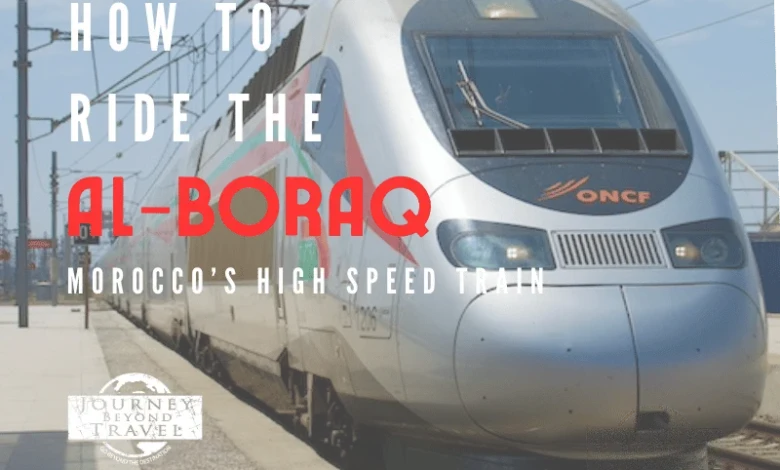
The inauguration of the Al-Boraq high-speed rail line on November 18, 2018, represented a transformative milestone in African transportation infrastructure. Connecting the commercial hub of Casablanca to the northern gateway of Tangier, the project solidified Morocco’s position as a regional leader in modern logistics and sustainable transit. By bridging the gap between the Atlantic coast’s economic centers and the Mediterranean, the Al-Boraq—named after the mythological creature from Islamic tradition—has redefined the speed and efficiency of travel within the Kingdom.
Chronology of Development and Strategic Vision
The genesis of the Al-Boraq project dates back to the early 2000s, when the Moroccan government, under the guidance of the Office National des Chemins de Fer (ONCF), recognized that the existing rail infrastructure would soon become a bottleneck for national economic growth. The decision to invest in a high-speed rail (TGV) system was finalized through a strategic partnership between Morocco and France.
Construction officially commenced in 2011. Over the next seven years, the project faced significant logistical challenges, including complex terrain mapping, the electrification of tracks, and the implementation of advanced signaling systems compatible with international safety standards. The line was inaugurated by King Mohammed VI and then-French President Emmanuel Macron in late 2018. Since its inception, the service has consistently outperformed traditional rail in terms of punctuality and passenger volume, marking the first phase of a broader 1,500-kilometer rail expansion strategy intended to span the country by 2030.

Technical Specifications and Operational Efficiency
The Al-Boraq operates on a dual-phase track system designed for maximum velocity. The northern leg, stretching 186 kilometers between Tangier and Kenitra, consists of a dedicated high-speed line where train sets reach operational speeds of 320 km/h. Upon reaching the Kenitra-Casablanca corridor, the infrastructure transitions to a modernized mainline, allowing the trains to navigate the denser metropolitan areas of Rabat and Casablanca with high efficiency.
In total, the 323-kilometer journey from the Tangier Ville station to the Casa Voyageurs station is completed in approximately two hours and ten minutes. This represents a drastic reduction from the previous five-hour travel time, effectively integrating the economic output of Casablanca with the industrial and port-related activities of Tangier. The fleet consists of Euroduplex train sets, which provide a capacity of 533 seats across two levels, offering both first and second-class accommodations that feature climate control, onboard Wi-Fi, and extensive passenger amenities.
Socio-Economic Implications and Regional Connectivity
The implementation of Al-Boraq serves as a cornerstone for Morocco’s "2030 Vision," which aims to decentralize industrial development. By drastically shortening the distance between the north and the center, the government has facilitated a more mobile labor force and increased domestic tourism.
Economists have noted that the project has catalyzed real estate development around major hubs like Rabat-Agdal and Casa Voyageurs. Furthermore, the environmental impact of shifting intercity transit from private vehicles and regional flights to electric rail aligns with Morocco’s ambitious green energy transition. As the country prepares to co-host the 2030 FIFA World Cup alongside Spain and Portugal, the expansion of this network—specifically the proposed lines connecting Marrakesh and Agadir—is viewed as a vital necessity to handle the projected influx of international visitors and the logistical demands of a global sporting event.

Challenges in Ticketing and System Accessibility
While the infrastructure is world-class, the transition to a fully digital, seamless ticketing system remains a work in progress. The ONCF currently manages ticket sales through physical kiosks at stations and an online platform. International travelers frequently report difficulties with the latter, as the payment gateway often struggles to authorize transactions from foreign-issued credit cards.
Industry analysts suggest that as the network expands, the ONCF will likely need to upgrade its digital infrastructure to accommodate the global user base. Currently, passengers are advised to adhere to a "pre-booking" strategy during peak seasons, including Moroccan national holidays and the summer months, when demand frequently outstrips supply. During these periods, the efficacy of the system is tested by high passenger throughput, necessitating early arrivals at stations to navigate the bustling terminals.
Official Responses and Future Outlook
The Moroccan government has maintained that the Al-Boraq project is a testament to the nation’s engineering prowess and long-term financial planning. Despite initial critiques regarding the high capital expenditure—estimated at approximately $2 billion—the government emphasizes the "long-term multiplier effect." Government officials have frequently cited that the Al-Boraq acts as a catalyst for investment, drawing foreign firms to the Tangier Med port and the various industrial zones located along the rail corridor.
Looking forward, the ONCF is prioritizing the southern expansion of the line. The proposed extension to Marrakesh is not merely a transport project but a structural effort to link the northern industrial corridor with the southern tourism and agricultural sectors. The integration of high-speed rail into the national fabric is expected to reach a turning point by 2029-2030, as the network is slated to cover the majority of the nation’s major cities.

Comparative Analysis: The "Marrakesh Express" Legacy
The historical significance of the Tangier-to-Marrakesh route, once immortalized as the "Marrakesh Express" during the mid-20th century, stands in stark contrast to the modern experience of the Al-Boraq. The former was defined by its rustic, bohemian aesthetic and its role as a cultural bridge for the international traveler. The Al-Boraq, conversely, represents the professionalization of Moroccan infrastructure. While it may lack the "hippy-era" romance of its predecessor, it provides a level of reliability and speed that is essential for a modern, globalized economy.
The transition from the traditional locomotive experience to the high-speed rail environment reflects Morocco’s broader trajectory. The country is moving away from the perception of being a "remote" destination and toward a model of an integrated, highly accessible hub. For the modern traveler, the Al-Boraq provides a window into this evolution—a clean, quiet, and rapid passage through the heart of the North African landscape.
Practical Advice for Travelers
For those intending to utilize the Al-Boraq, navigating the terminal system is relatively straightforward once the station layout is understood. The stations have been redesigned to act as multimodal transit hubs, incorporating retail space, dining options, and seamless connectivity to local taxis and bus networks.
Key takeaways for the modern passenger include:

- Station Selection: Ensure your ticket specifies the correct station, particularly in cities like Casablanca where multiple stations exist. The Al-Boraq specifically services the Casa Voyageurs station.
- Documentation: Carry valid identification, as ticket verification is standard practice before boarding.
- Peak Demand: During the summer and during Eid holidays, tickets can sell out days in advance. Travelers are advised to book as early as the system allows, or visit a station in person if online payment fails.
- Connectivity: While onboard, use the time to observe the shifting geography of Morocco—a journey that now takes only a fraction of the time it required in the past.
As the Al-Boraq network continues to mature, it stands as an objective success story in regional infrastructure development. By prioritizing speed, connectivity, and environmental sustainability, Morocco has effectively bridged the gap between its storied past and a fast-moving, modernized future. The train is no longer just a mode of transport; it is a vital artery of the Moroccan state, pulse-checking the nation’s commitment to progress as it heads toward the next decade of development.