The Enduring Allure of the Park Hyatt Tokyo: A Chronicle of Personalized Luxury Spanning Fifteen Years

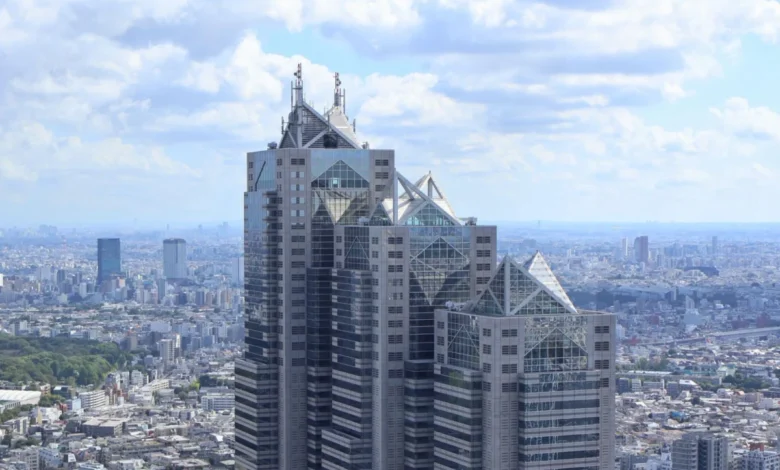
The Park Hyatt Tokyo, a towering emblem of luxury hospitality nestled atop the Shinjuku Park Tower, has long captivated the imagination of global travelers. Since its opening in 1994, it has established itself as an iconic destination, celebrated for its sophisticated design, unparalleled service, and breathtaking panoramic views of Tokyo. A remarkable testament to its enduring appeal is the story of a discerning guest whose journey with the hotel began in 2008, evolving into a relationship marked by nearly 50 return visits over the subsequent fifteen years, transforming a mere booking into a profound connection with the property and its dedicated staff.
A Landmark of Modern Luxury: The Park Hyatt Tokyo’s Genesis
The Park Hyatt Tokyo first opened its doors on July 9, 1994, occupying the top 14 floors of the 52-story Shinjuku Park Tower. Designed by the acclaimed architect Kenzo Tange, the tower itself is a masterpiece of modern Japanese architecture, distinguishable by its three distinctive pyramid-shaped roofs. The hotel’s interiors, conceived by American designer John Morford, exude a residential elegance, characterized by a blend of contemporary art, natural materials, and meticulous attention to detail. This design ethos aimed to create an urban sanctuary, offering a serene escape from the bustling metropolis below.
Beyond its architectural and interior design prowess, the Park Hyatt Tokyo gained significant global recognition following the release of Sofia Coppola’s 2003 film "Lost in Translation." The movie, almost entirely set within the hotel, cemented its status as a cultural icon, drawing in a new wave of visitors eager to experience the melancholic beauty and sophisticated ambiance depicted on screen. This cinematic exposure significantly amplified the hotel’s mystique, contributing to its enduring appeal for international travelers seeking a unique Tokyo experience.
The Inaugural Encounter: A Glimpse into 2008’s Luxury Market
The year 2008 represented a pivotal moment for global economies and the travel industry. The onset of the Global Financial Crisis in late 2007, escalating throughout 2008, introduced a period of economic uncertainty worldwide. Despite this challenging backdrop, luxury travel continued to hold its own, albeit with heightened scrutiny on value and experience. It was within this climate that a particular guest made their inaugural booking at the Park Hyatt Tokyo via the then-current Hyatt website. The decision to confirm the rate, which at the time felt like a significant expenditure, underscored a deep desire for an exceptional experience—a testament to the hotel’s formidable reputation.
In 2008, the luxury hotel sector in Tokyo was already robust, characterized by high standards of service and design. The average daily rate (ADR) for luxury hotels in major global cities, including Tokyo, reflected the premium associated with such exclusive experiences. While specific historical data for Park Hyatt Tokyo’s 2008 rates are proprietary, industry analysis indicates that luxury hotel pricing in Tokyo consistently positioned it as one of the world’s more expensive, yet highly sought-after, destinations. The yen’s exchange rate fluctuations against major currencies also played a role, influencing the perceived cost for international travelers. The act of booking online, though common today, was still evolving in terms of user experience and trust, making the smooth transaction on Hyatt’s platform a key facilitator for this initial engagement.
Cultivating a Haven: A Decade and a Half of Loyalty
From that initial booking in 2008, the relationship between the guest and the Park Hyatt Tokyo blossomed into an extraordinary example of sustained loyalty. What began as an aspirational stay evolved into a tradition, with the guest returning nearly 50 times over the subsequent fifteen years. This frequency of visits—an average of more than three times annually—transformed the hotel from a mere lodging option into a deeply personal "haven" within Tokyo.
Such profound guest loyalty is a coveted asset in the competitive luxury hospitality sector. It speaks volumes not only about the consistent quality of the hotel’s offerings but also about its ability to forge genuine connections with its clientele. Over the years, the hotel served as a backdrop for numerous personal milestones, including birthday celebrations and the hosting of a diverse array of friends, each visit weaving new memories into the fabric of the guest’s connection with the property. This pattern of repeat business underscores the immense value placed on familiarity, comfort, and the reliability of an exceptional experience.
The Art of Anticipatory Service: Deepening Guest Relationships
A cornerstone of luxury hospitality lies in the art of personalized and anticipatory service. For a guest returning nearly 50 times, this service evolved beyond standard excellence into a nuanced and almost intuitive understanding of their preferences. Hotel staff, through repeated interactions, came to recognize the guest, remembering specific requests, preferred amenities, and even subtle habits. This level of personalized attention is not merely efficient; it creates a profound sense of belonging and recognition, transforming a transactional stay into a relationship.
A spokesperson for Park Hyatt Tokyo, if asked about such long-term guests, would likely emphasize the hotel’s commitment to fostering deep connections. "Our mission is to create an environment where every guest feels not just welcomed, but truly understood and valued," a hypothetical statement might read. "For guests who honor us with their frequent return, our dedicated teams strive to anticipate their needs, offering a level of subtle, nuanced hospitality that makes each visit feel like coming home. This is the essence of luxury service at Park Hyatt." Such service is a significant differentiator in the high-end market, where guests seek experiences tailored precisely to their desires, often before they even articulate them.
An Intimate Understanding: Architecture, Atmosphere, and Unique Details
Over a decade and a half, the guest developed an intimate understanding of the Park Hyatt Tokyo, perceiving not just its luxurious façade but also its unique character. This included an appreciation for the building’s inherent "rhythms, atmospherics, and peculiarities." Such details might encompass the faint, almost imperceptible whisper of wind that moves through the high-rise elevators, a subtle reminder of the hotel’s elevated position. Similarly, the sight of black Japanese crows gracefully flying and cawing in the thermal updrafts outside the 47th floor windows offers a distinct Tokyo vista, blending urban life with natural phenomena.
For the discerning guest, this intimate knowledge extended to practical preferences, such as knowing precisely which side of the building to request for optimal winter views of Mount Fuji, a breathtaking spectacle on clear days. The hotel’s artistic elements also became familiar landmarks, like the bronzed wristwatch sculpture prominently displayed within its public spaces—a detail that adds to the hotel’s sophisticated aesthetic and provides a subtle nod to the timeless elegance it embodies. These specific observations highlight the depth of the guest’s engagement, moving beyond surface-level appreciation to a connoisseur’s understanding of the property’s unique charm.
The New York Grill and Bar: A Culinary Institution
Central to the guest’s experience, and indeed to the Park Hyatt Tokyo’s identity, is the New York Grill and Bar. Located on the 52nd floor, it offers unparalleled views of the Tokyo skyline, creating a dramatic backdrop for its acclaimed contemporary American cuisine. The guest’s frequent dining experiences at the New York Grill, "more times than I can count," underscore its significance not just as a restaurant but as a pivotal social and culinary hub within the hotel.
The New York Grill is renowned for its selection of prime cuts of beef, fresh seafood, and an extensive wine list featuring over 1,600 bottles. Its sophisticated ambiance, coupled with live jazz performances at the adjacent New York Bar, has cemented its reputation as one of Tokyo’s premier dining and entertainment venues. For the repeat guest, it became a familiar haunt, a place of consistent quality and comfort, where memorable meals and conversations unfolded against the glittering panorama of the city. Its consistent appeal across numerous visits highlights its status as a culinary institution, blending gastronomic excellence with an iconic setting.
Economic and Industry Context: Tokyo’s Evolving Luxury Landscape
The period from 2008 to the present has seen significant transformations in Tokyo’s luxury hospitality sector. Following the initial economic downturn of 2008, Japan’s tourism industry experienced fluctuating growth, with major initiatives like "Visit Japan" campaigns aiming to boost international arrivals. The decision to host the 2020 (later 2021) Olympic and Paralympic Games spurred a boom in new hotel developments, particularly in the luxury segment, intensifying competition.
- Tourism Growth: International tourist arrivals to Japan saw remarkable growth in the years leading up to the pandemic, from approximately 8 million in 2008 to nearly 32 million in 2019. This influx of visitors, many seeking high-end experiences, further elevated the demand for luxury accommodations.
- Luxury Hotel Market: Tokyo’s luxury hotel landscape diversified significantly, with the entry of several international brands and the renovation of existing properties. While the Park Hyatt Tokyo maintained its iconic status, it faced new competition from establishments like the Mandarin Oriental, The Ritz-Carlton, Aman Tokyo, and more recently, Bulgari Hotel Tokyo.
- Average Daily Rates (ADR): The ADR for luxury hotels in Tokyo generally trended upwards, reflecting increased demand, higher operational costs, and the premium associated with world-class service. While the pandemic caused a temporary dip, the market has shown strong signs of recovery, with luxury segments often leading the rebound.
- Technology and Booking: The evolution of online travel agencies (OTAs) and hotel-direct booking platforms has revolutionized how guests discover and book properties. Hyatt’s online presence, which initiated the guest’s journey in 2008, has continually adapted, offering more sophisticated loyalty programs and personalized digital experiences.
Despite these changes, the Park Hyatt Tokyo has consistently maintained its position as a benchmark for excellence, demonstrating the resilience of a truly iconic property.
Implications for Luxury Hospitality: The Blueprint of Enduring Appeal
The enduring relationship between the guest and the Park Hyatt Tokyo offers valuable insights into the broader luxury hospitality industry. It underscores several critical factors that contribute to a hotel’s long-term success and ability to cultivate unparalleled guest loyalty:
- Iconic Design and Ambiance: A unique architectural and interior design, coupled with a distinctive atmosphere, creates a powerful sense of place that resonates deeply with guests. The Park Hyatt Tokyo’s blend of Kenzo Tange’s structure and John Morford’s interiors, amplified by its cinematic fame, provides an inimitable identity.
- Consistent Excellence in Service: The foundation of luxury hospitality is unwavering quality in service. The ability of staff to not only meet but anticipate guest needs, offering nuanced and personalized interactions, is paramount. This consistency builds trust and fosters a sense of being genuinely cared for.
- Memorable Amenities and Experiences: High-quality dining venues like the New York Grill, coupled with breathtaking views and unique artistic elements, contribute significantly to the overall guest experience. These amenities transform a stay into a holistic journey of indulgence and discovery.
- Emotional Connection: Beyond the tangible, the most successful luxury hotels manage to forge an emotional connection with their guests. By becoming a backdrop for significant life events and a reliable "haven," properties like the Park Hyatt Tokyo transcend their function as mere accommodations to become cherished destinations.
- Brand Legacy and Reputation: A strong brand legacy, built over decades, instills confidence and attracts discerning travelers. The Park Hyatt brand, known for its sophisticated urban sanctuaries, benefits from properties that exemplify its core values.
In an era where technology constantly reshapes the travel landscape, the story of this guest’s fifteen-year loyalty to the Park Hyatt Tokyo serves as a powerful reminder of the irreplaceable value of human connection and consistent, high-quality service. It demonstrates that while amenities and location are crucial, it is the ability to create a genuine sense of belonging and provide an experience that deepens over time that truly defines enduring luxury.
The Park Hyatt Tokyo stands not merely as a hotel but as a living testament to the power of exceptional hospitality. Its ability to inspire such sustained loyalty over fifteen years, through economic shifts and evolving industry trends, solidifies its position as a global benchmark. It continues to exemplify how a commitment to sophisticated design, unparalleled service, and an intimate understanding of guest needs can transform a single booking into a lifelong affiliation, making it a true urban haven for those who seek the pinnacle of luxury travel.