Best Places to Visit in Europe in Summer: Strategic Alternatives to Overcrowded Tourist Hubs

The European tourism sector is currently grappling with a dual phenomenon: record-breaking visitor numbers and a significant shift in traveler preferences toward "secondary cities." As traditional capitals like Paris, Rome, and London face the pressures of overtourism—characterized by inflated pricing, extreme heatwaves, and strained infrastructure—industry data suggests a burgeoning interest in alternative destinations. According to UN Tourism (formerly UNWTO), international tourist arrivals in Europe reached 94% of pre-pandemic levels in recent years, with certain hubs exceeding their capacity. This has prompted local governments to implement restrictive measures, such as Venice’s entry fee and Amsterdam’s "Stay Away" campaign, driving savvy travelers to seek comparable cultural experiences in less-congested locales.
The Economic and Social Drivers of Secondary Tourism
The move toward alternative European destinations is not merely a preference for quietude but a strategic response to economic shifts. Data from Eurostat indicates that hotel prices in major Mediterranean hubs have risen by as much as 25% year-over-year. Concurrently, the "coolcationing" trend—where travelers seek northern or coastal climates to escape the record-breaking heat of Southern Europe—is reshaping the summer itinerary. By opting for cities like Montpellier, Plovdiv, or Stockholm, visitors are finding a higher "value-to-experience" ratio, where the cost of dining and accommodation is significantly lower while the cultural density remains high.
France: Swapping the Parisian Rush for Montpellier’s Mediterranean Charm
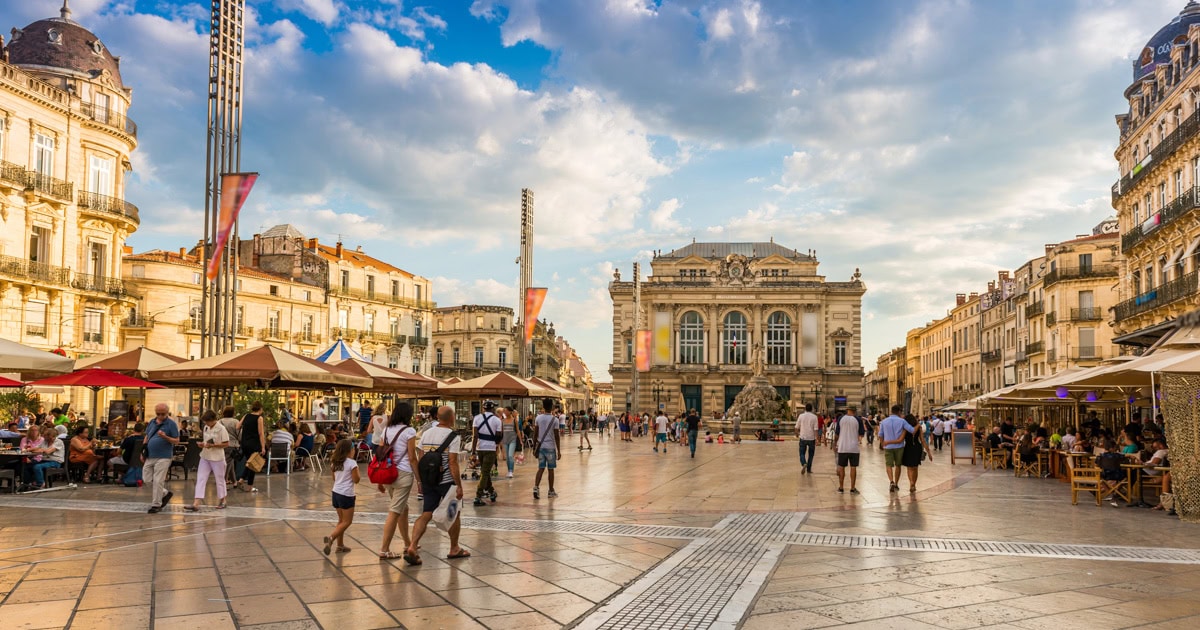
While Paris remains the most-visited city in the world’s most-visited country, the summer of 2024 and beyond has highlighted the city’s struggle with density. Paris expects millions of visitors annually, leading to significant congestion at landmarks like the Louvre and the Eiffel Tower. In contrast, Montpellier, located in the Occitanie region, offers a viable alternative for those seeking French elegance without the metropolitan fatigue.
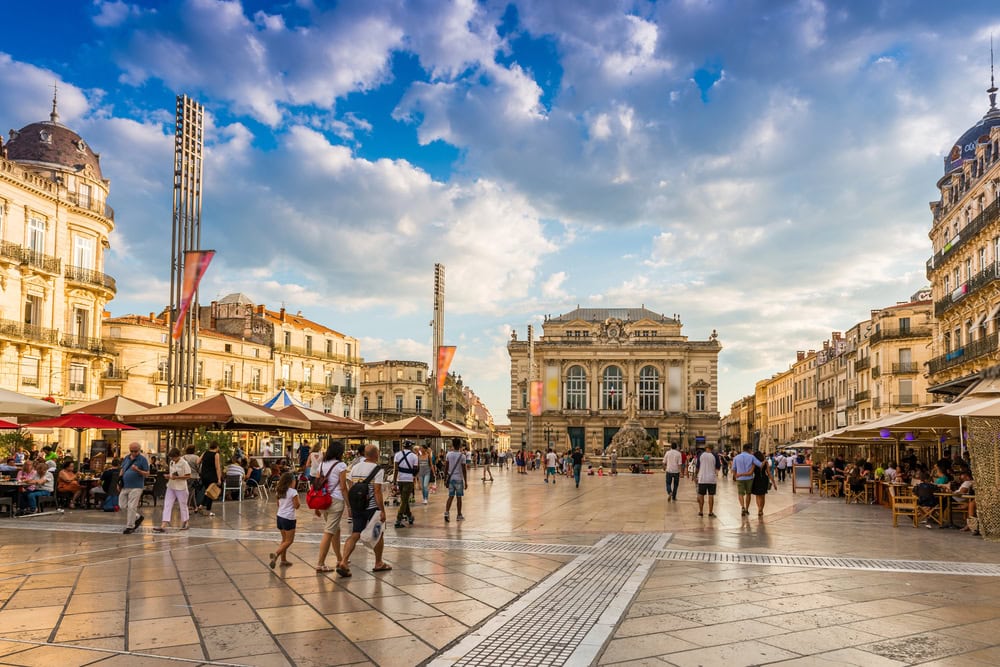
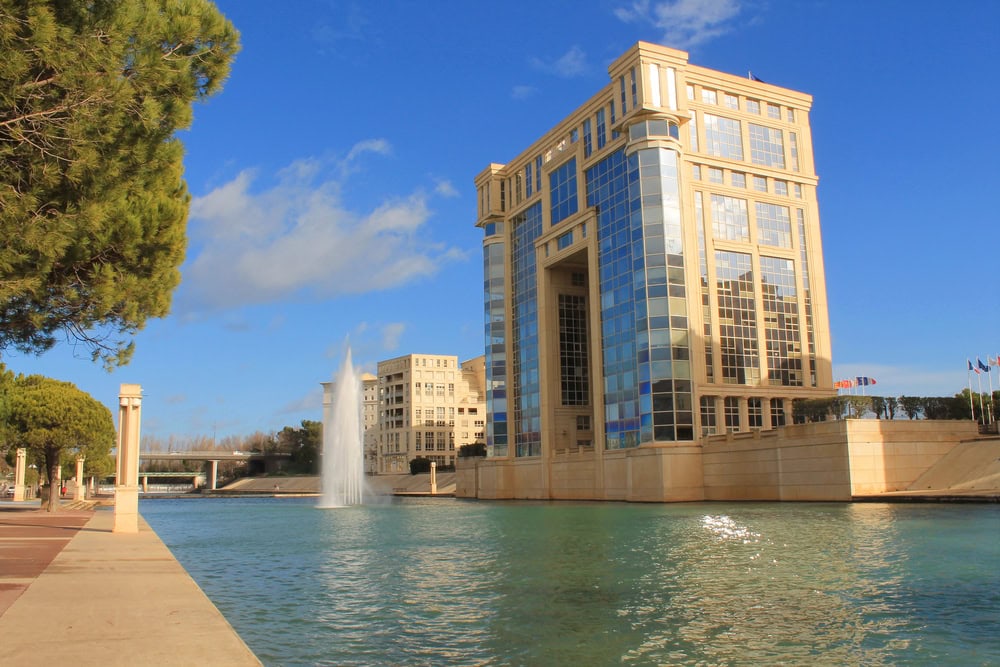
Montpellier is one of the few French cities to have seen consistent population growth over the last 25 years. Historically a center for education—home to one of the world’s oldest medical universities—the city transforms in the summer. As its large student population departs for the break, the city becomes more accessible. The Antigone district, designed by architect Ricardo Bofill, provides a postmodern take on neoclassical themes, offering an architectural grandeur that rivals Parisian boulevards. Furthermore, its proximity to the Mediterranean coast—just 11 kilometers away—allows for a "city-and-sea" hybrid vacation that Paris cannot provide.
Italy and Bulgaria: Ancient Heritage Beyond the Roman Congestion
Rome’s tourism statistics are staggering, with approximately 35 million visitors annually. The city’s ancient infrastructure often struggles under the weight of "hit-and-run" tourism, where day-trippers crowd the Colosseum and Trevi Fountain. Consequently, Plovdiv, Bulgaria, has emerged as a scholarly and aesthetic alternative.
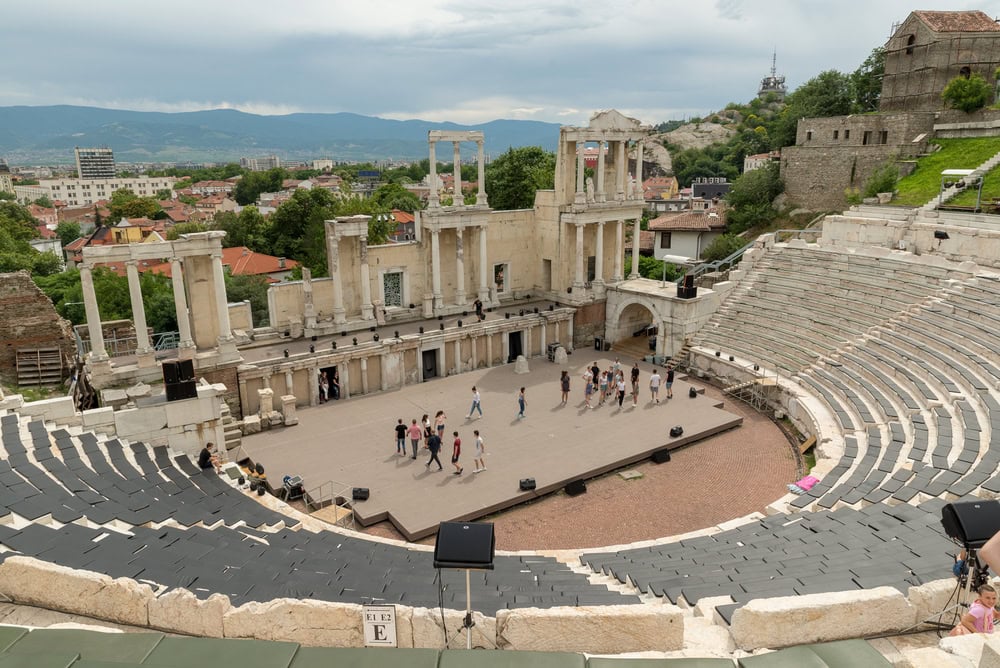
As one of the oldest continuously inhabited cities in Europe, Plovdiv offers a chronological layer of history that rivals Rome. The city’s centerpiece, the Ancient Theatre of Philippopolis, was constructed in the 2nd century AD under Emperor Trajan and remains one of the best-preserved ancient theaters in the world. Plovdiv’s designation as the European Capital of Culture in 2019 spurred significant investment in its Kapana Creative District, a pedestrianized zone of galleries and cafes. Economically, Bulgaria remains one of the most affordable destinations within the European Union, providing a high-end historical experience at a fraction of the Italian price point.
The Northern Shift: Stockholm as an Alternative to Amsterdam
Amsterdam has become the poster child for the fight against overtourism. The city council recently moved to ban cruise ships from the city center and has placed strict caps on the number of tourist flights at Schiphol Airport. For travelers seeking the "Venice of the North" aesthetic—canals, historic gabled houses, and a progressive atmosphere—Stockholm offers a spacious alternative.
Spread across 14 islands where Lake Mälaren meets the Baltic Sea, Stockholm provides nearly 30% green space within its city limits. The city’s "Vasa Museum," housing a 17th-century warship, serves as a world-class cultural anchor. During the summer solstice, Stockholm experiences up to 18.5 hours of daylight, allowing for extended exploration in temperatures that typically hover between 20°C and 22°C (68°F–72°F). This climatic stability is increasingly attractive as Central Europe faces more frequent 40°C (104°F) summer days.
Central European Alternatives: Basel, Strasbourg, and Kraków
The traditional "Grand Tour" route often includes Berlin, Munich, and Prague. However, current travel patterns show a pivot toward Basel, Strasbourg, and Kraków.
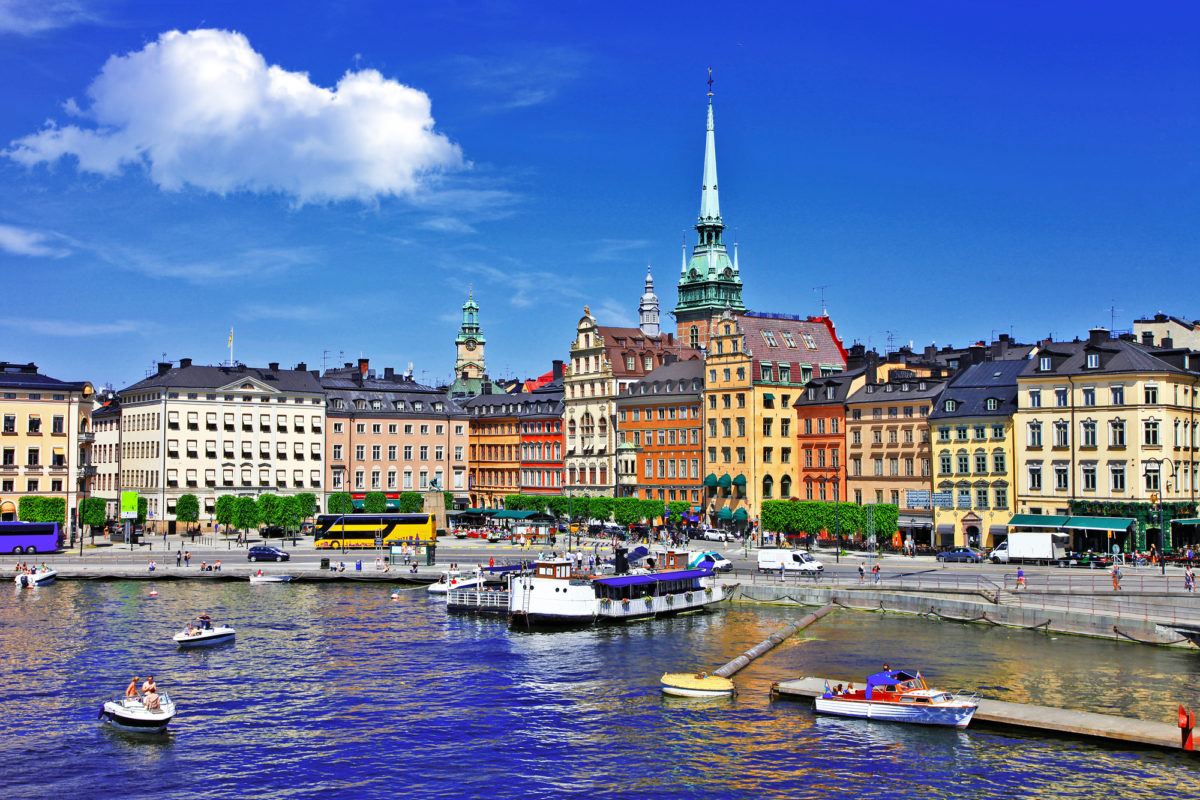
Basel vs. Berlin
While Berlin is celebrated for its modern history and nightlife, Basel, Switzerland, serves as a concentrated hub for art and architecture. With nearly 40 museums in a relatively small area, including the world-renowned Kunstmuseum, Basel offers a refined cultural experience. The summer tradition of floating down the Rhine River using waterproof "Wickelfisch" bags has become a symbol of the city’s high quality of life and relaxed summer pace.
Strasbourg vs. Munich
Strasbourg, the seat of the European Parliament, offers a unique Franco-German cultural synthesis. Its "Petite France" district, characterized by half-timbered houses and canal locks, provides a fairytale aesthetic without the intense crowds found in Munich’s Marienplatz. The city’s Gothic cathedral, once the world’s tallest building, remains a pinnacle of medieval engineering.
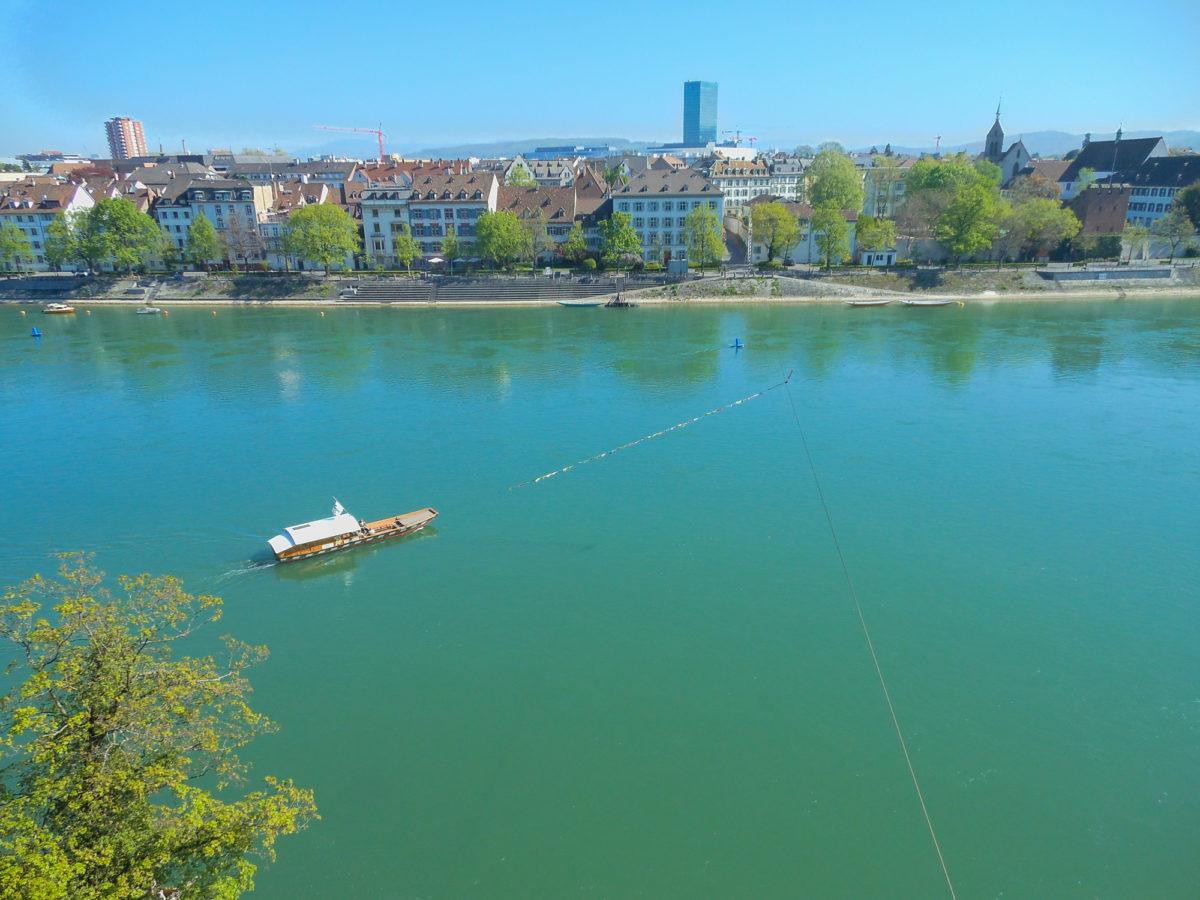
Kraków vs. Prague
Prague’s tourism industry has faced criticism for the "Disneyfication" of its Old Town. Kraków, Poland, provides a similar medieval atmosphere centered around the Rynek Główny (Main Market Square) but at a lower price point and with a more authentic local pulse. The Wawel Royal Castle and the historic Jewish quarter of Kazimierz offer deep historical narratives that are easily navigated on foot.
Emerging Coastlines: The Rise of the Albanian Riviera
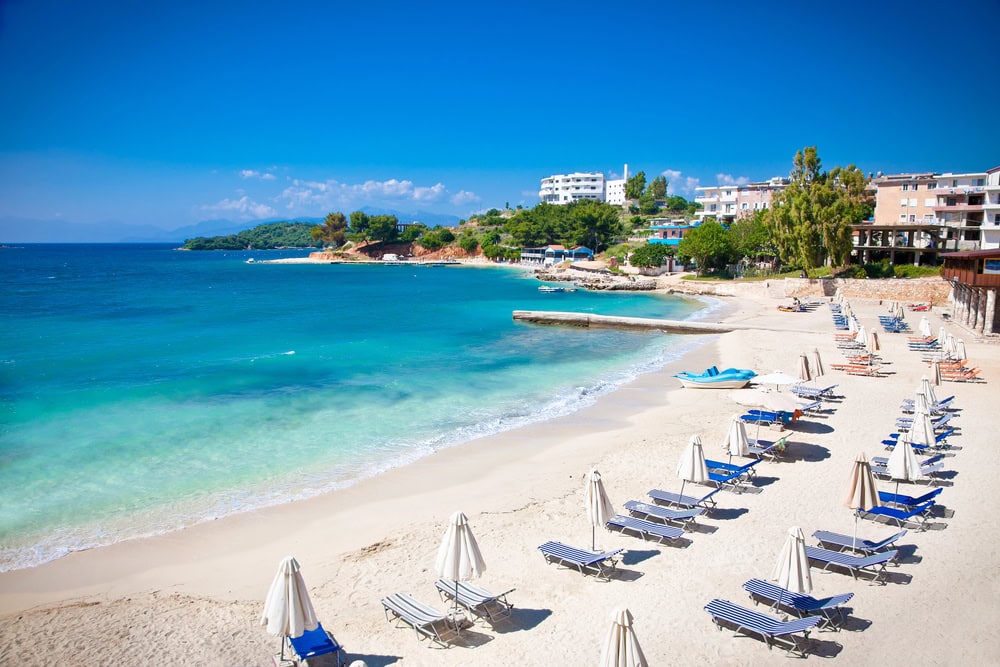
For decades, the French Riviera (Côte d’Azur) has been the global standard for luxury summer travel. However, the saturation of markets in Nice and Saint-Tropez has led to the "discovery" of the Albanian Riviera. Stretching along the Ionian Sea, destinations like Sarandë and Ksamil offer turquoise waters and white sandy beaches that draw comparisons to the Maldives.
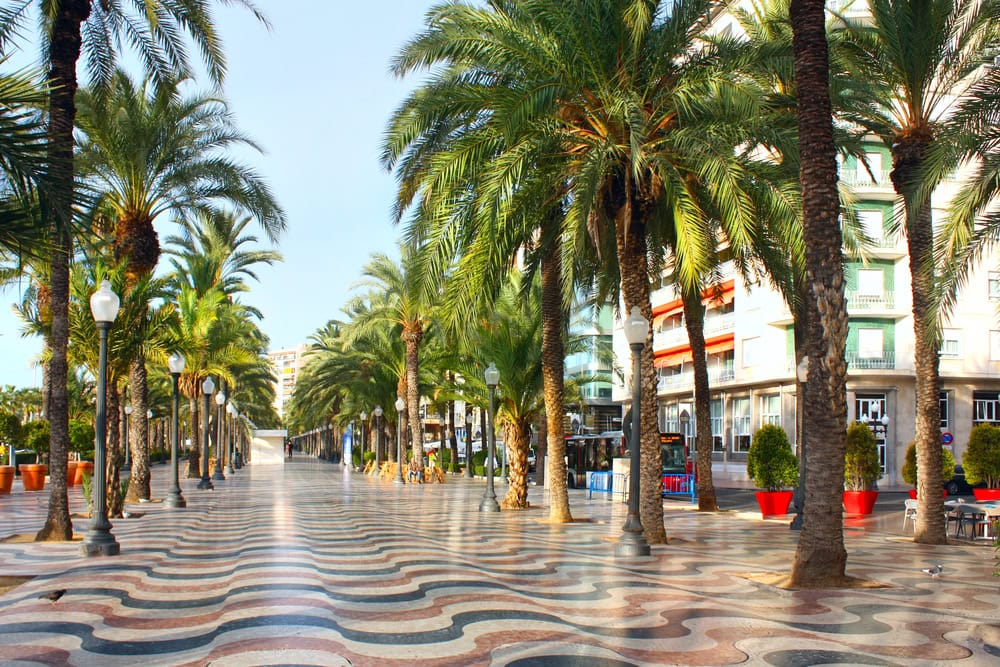
The broader impact of Albania’s tourism boom is significant for the nation’s economy. The Albanian government has reported a double-digit percentage increase in tourism arrivals over the last two years. Unlike the exclusive beach clubs of France, many Albanian beaches remains accessible to the public, and the cost of luxury accommodation is often 60% to 70% lower than its French or Italian counterparts.
Climate and Connectivity: The Case for Reykjavik
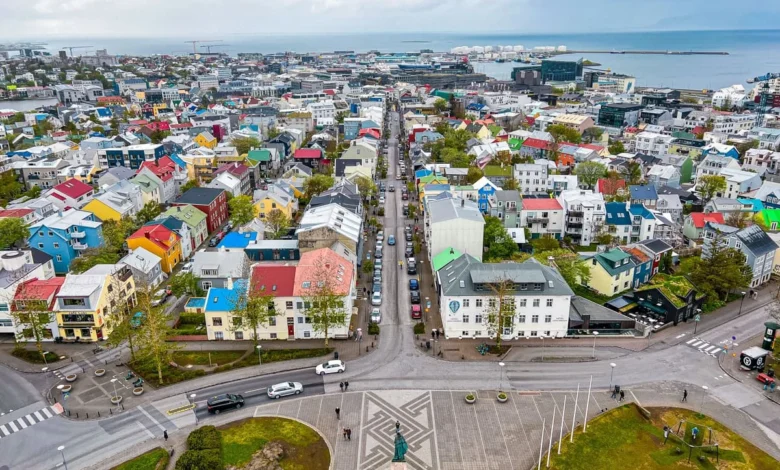
As heatwaves intensify across the continent, Iceland has seen a surge in summer bookings. Reykjavik serves as a gateway to the country’s geothermal wonders. While the city itself is small, its infrastructure is designed for high-volume tourism, with efficient bus networks and a robust airport (Keflavík) that serves as a major transatlantic hub.
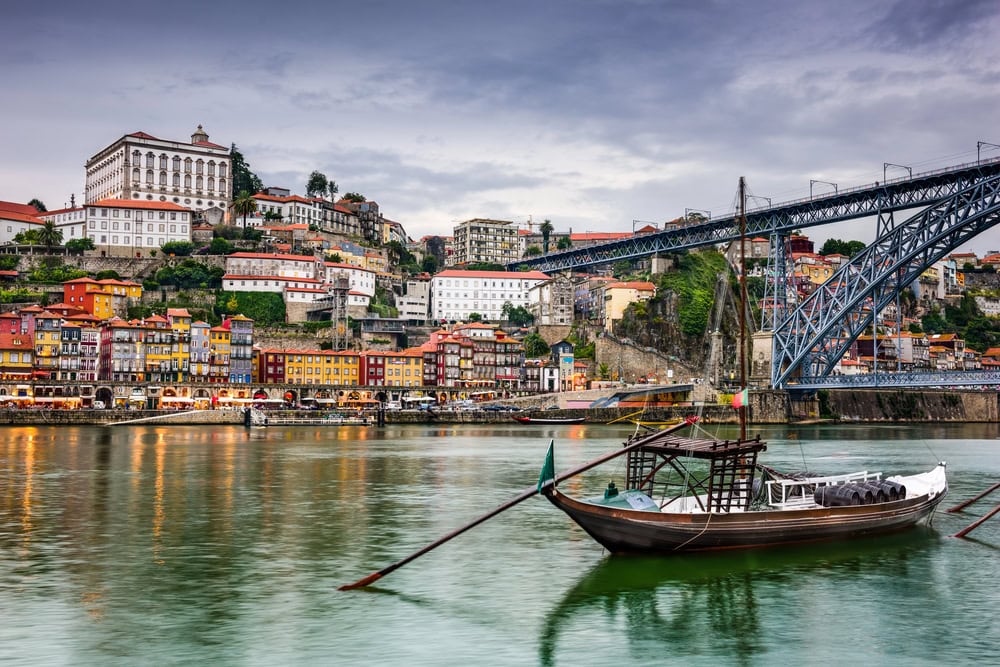
The "Golden Circle" route—encompassing the Þingvellir National Park, the Gullfoss waterfall, and the Geysir geothermal area—allows travelers to witness geological processes in real-time. With summer temperatures rarely exceeding 16°C (61°F), it has become the premier destination for "heat escape" travelers.
Strategic Implications for Future Travel
The shift toward these ten destinations reflects a broader trend in the travel industry: the move from "ticking boxes" at famous landmarks to seeking "authentic engagement" in secondary cities. Urban planners in these alternative hubs are now faced with the challenge of managing this new interest sustainably to avoid the pitfalls seen in Paris or Venice.
Key Takeaways for Summer Travelers:
- Infrastructure Advantage: Most secondary cities are connected by high-speed rail (such as the TGV in France or the Renfe in Spain), making them easily accessible from major hubs.
- Economic Efficiency: By stepping outside the "top-tier" cities, travelers can often extend their trips or upgrade their accommodation levels due to lower baseline costs.
- Climatic Comfort: Northern and coastal alternatives provide a safeguard against the health risks associated with Southern Europe’s increasing summer temperatures.
In conclusion, the diversification of European tourism is a necessary evolution. As the continent’s primary hubs reach their environmental and social carrying capacities, the "Best Places to Visit" are increasingly those that offer room to breathe, historical depth, and economic value. Whether it is the Roman ruins of Plovdiv or the breezy canals of Stockholm, these alternatives represent the future of sustainable and enjoyable European summer travel.