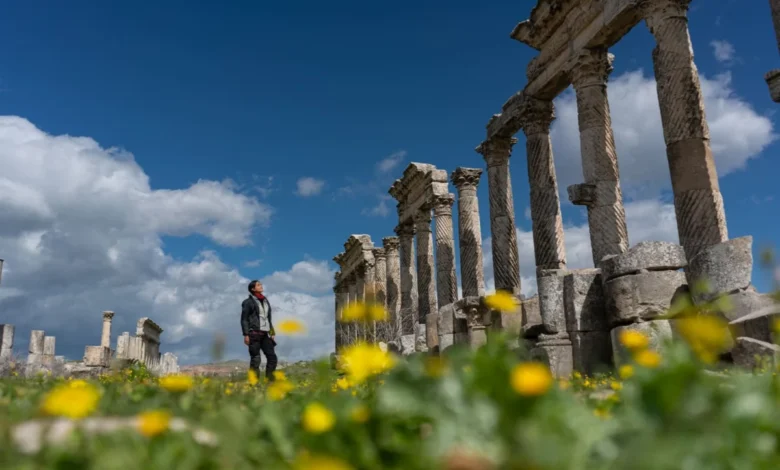
Syria has re-emerged as a complex destination on the global tourism map, balancing the allure of its immense historical significance against the stark realities of a nation still grappling with the long-term consequences of a protracted civil war and severe economic instability. While the intensity of active, large-scale combat has diminished in several key regions, the country remains a landscape defined by sharp contradictions: ancient Roman ruins juxtaposed with pockmarked facades, and a resilient local hospitality industry attempting to bridge the gap between a pre-2011 past and an uncertain future.
Historical Context and the Evolution of Conflict
The Syrian conflict, which began in 2011, fundamentally altered the country’s socioeconomic fabric. Before the outbreak of hostilities, Syria was a regional hub for tourism, attracting millions of international visitors annually and generating significant revenue for the national economy. The subsequent decade-plus of civil war—compounded by regional proxy rivalries involving global powers—led to the destruction of critical infrastructure, the displacement of a large portion of the population, and the implementation of international sanctions.
The geopolitical landscape remains volatile. The country is currently segmented by various zones of influence, involving the Syrian government, Kurdish-led forces in the northeast, and pockets of opposition control in the northwest. Foreign military presence continues to complicate the security environment, particularly regarding the control of oil fields and strategic transit routes. These factors have contributed to the "electrical blackouts" and infrastructure shortages that characterize daily life for the average Syrian citizen today.
The Current Regulatory Framework for Travelers
International travel to Syria is currently governed by a strict regulatory environment. The Syrian Ministry of Tourism mandates that all foreign visitors must be accompanied by a government-approved guide or be part of an organized tour group to obtain a visa. This policy serves a dual purpose: it ensures the state maintains oversight of foreign presence in sensitive areas and provides a structured mechanism for international visitors to navigate a country that lacks the commercial tourism infrastructure of stable nations.
Local tour operators, such as Damascus-based agencies, have stepped into this vacuum to facilitate travel. These organizations emphasize their role in the "rebuilding of the national narrative," acting as intermediaries for tourists who wish to witness the country’s heritage. The requirement for a guide is not merely a formality; it is a logistical necessity in a country where navigation is hampered by checkpoints, fuel shortages, and evolving security restrictions.
Chronology of Recent Conditions
- 2011: The onset of civil unrest marks the beginning of a sharp decline in international tourism.
- 2011–2018: The period of peak conflict, during which major heritage sites, including the Old City of Aleppo, suffered significant structural damage.
- 2019–2022: A period of stabilization in central and western government-controlled areas, leading to the tentative reopening of some cultural sites.
- 2023–2024: The current phase, characterized by localized economic crises and occasional regional tensions related to the conflict in Gaza. While major cities like Damascus remain under government control, the economic impact of the Syrian Lira’s devaluation continues to dictate the pace of infrastructure restoration.
Assessing the Security Landscape
For prospective travelers, the question of safety is often framed by Western media headlines. However, current security assessments suggest a distinction between high-risk conflict zones and urban centers that cater to visitors. While the regional volatility—specifically regarding cross-border strikes—remains a concern, most incidents have historically targeted military installations, logistics hubs, or specific political targets rather than tourist areas.
Statistically, the risk to a foreign visitor is categorized as extreme by most Western governments, which maintain "Do Not Travel" advisories. These warnings are based on the potential for arbitrary detention, kidnapping, and the unpredictable nature of regional hostilities. Despite these warnings, the experience of those who visit via regulated channels often highlights a disparity between official travel advisories and the daily reality of cities like Damascus or Homs, where civilian life, while austere, continues with a sense of normalcy.
The Ethical Implications of Dark Tourism
The emergence of "dark tourism"—defined by travel to locations associated with death, suffering, or tragedy—has created an ethical debate regarding Syria. There is a growing concern among humanitarian observers that the influx of foreign visitors could lead to the commodification of the Syrian struggle. Critics argue that treating a nation in recovery as a backdrop for "survival" vlogs or photographic vanity projects ignores the human cost of the conflict.
The tourism industry in Syria is caught in this tension. On one hand, tourism provides vital foreign currency to local businesses, guesthouses, and service providers who have been impoverished by the conflict. On the other, the risk of "voyeuristic" tourism is high. Consequently, the consensus among ethical travel advocates is that visitors must prioritize a "learning-first" approach. This involves engaging with local history, acknowledging the sensitivity of the regions visited, and respecting the privacy and dignity of residents who are navigating the long road to reconstruction.
Economic Impact and Infrastructure Challenges
The economic crisis in Syria is one of the most significant barriers to both local recovery and the tourism industry. The loss of oil field revenues and the impact of the Caesar Syria Civilian Protection Act have left the country with limited resources to repair the physical damage to cities like Aleppo. For the tourist, this manifests as a lack of modern amenities, frequent power outages, and limited access to international banking systems. Visitors are almost entirely reliant on cash, as credit cards and international payment platforms remain largely non-functional.
Despite these hurdles, the hospitality sector is attempting to revive traditional guesthouses—often historical homes in the Old City of Damascus—which have become the hallmark of the current Syrian tourism experience. These establishments offer a glimpse into the country’s architectural history and provide a more intimate connection with local culture than international hotel chains.
Conclusion: The Responsibility of the Traveler
Traveling to Syria is an exercise in navigating nuance. It is a country that is physically accessible through regulated channels but remains politically and ethically fraught. For those who choose to visit, the mandate is clear: the journey should be centered on historical education and cross-cultural understanding rather than the spectacle of conflict.
As Syria attempts to regain its footing on the international stage, the role of the visitor is that of a witness. By supporting local guides, patronizing small-scale businesses, and approaching the country with humility, tourists can contribute to the economic stabilization of the regions they visit. However, this must be balanced against the recognition that Syria is a sovereign nation in the midst of a deep, multi-generational recovery. The future of tourism in Syria will likely depend on the country’s ability to maintain its relative stability while providing a transparent, respectful, and safe environment for those who seek to look beyond the headlines.