57hours Announces 2024 Guide Education Fund Scholarship Recipients, Bolstering Professional Mountain Guiding Across Global Communities

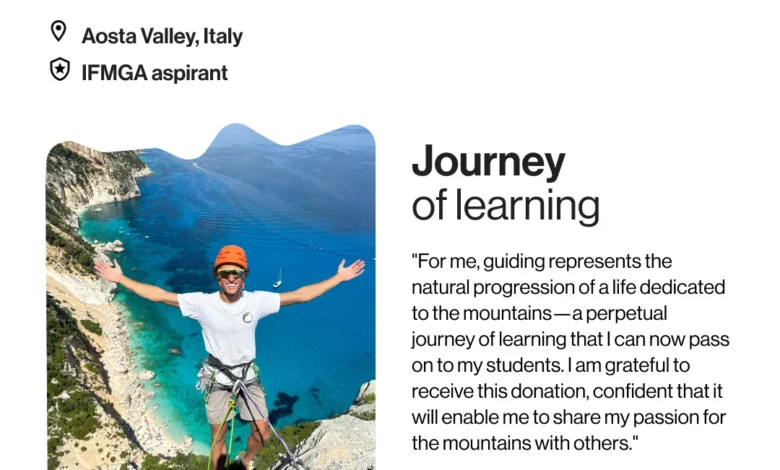
The 57hours Guide Education Fund has officially revealed the ten distinguished recipients of its 2024 scholarship, a testament to the surging interest and diverse talent within the professional outdoor guiding community. This year’s application cycle witnessed an impressive engagement, attracting 60 highly qualified candidates from 11 countries and spanning 21 U.S. states, underscoring the global reach and critical need for such educational support. Initially planning to award eight scholarships, the overwhelming quality and volume of applications prompted 57hours to expand its commitment, granting two additional awards to ensure more aspiring guides could benefit from vital professional development.
The 2024 Scholarship Recipients: A Diverse Cohort

The ten individuals selected for the 2024 57hours Guide Education Fund Scholarship represent a broad spectrum of backgrounds and guiding aspirations, collectively embodying the future of professional outdoor leadership. The recipients are Nat Vorel, Ada Jones, Austen Bernier, Jesse Ramos, Shea Freedom, Landon Warton, Lorenzo Pernigotti, Nicholas Metz, Orri Sigurjonsson, and Shea McCrary. These guides will receive funding to pursue advanced certifications through the American Mountain Guide Association (AMGA) and the International Federation of Mountain Guides Associations (IFMGA), two of the most respected and rigorous guiding accreditation bodies worldwide. Their journeys will be closely watched by the guiding community, serving as examples of dedication and the transformative power of investment in professional development.
Understanding the 57hours Guide Education Fund: A Commitment to Professional Excellence
The 57hours Guide Education Fund was established with a clear mission: to alleviate the significant financial burden associated with acquiring professional guiding certifications. These certifications, while expensive, are indispensable for guides seeking to advance their careers, enhance safety standards, and provide exceptional experiences for clients in complex outdoor environments. The fund recognizes that the path to becoming a certified mountain guide, particularly through internationally recognized organizations like the AMGA and IFMGA, involves substantial investment in tuition, equipment, travel, and time away from work. For many, these costs present an insurmountable barrier, preventing talented and passionate individuals from reaching their full potential within the industry.

57hours, a platform dedicated to connecting adventurers with certified guides, inherently understands the value of highly trained professionals. The company’s very existence is predicated on ensuring access to safe, expert-led outdoor experiences. Therefore, investing in guide education is a natural extension of its core philosophy. By offering scholarships, the Guide Education Fund not only supports individual career trajectories but also contributes directly to the overall professionalization and safety culture of the outdoor guiding sector.
The Critical Role of AMGA and IFMGA Certifications
The American Mountain Guide Association (AMGA) and the International Federation of Mountain Guides Associations (IFMGA) set the global benchmark for mountain guiding excellence. AMGA is the leading organization for professional mountain guides in the United States, offering a comprehensive certification program that covers rock, alpine, and ski guiding. Its certifications are recognized domestically and are often a prerequisite for employment with reputable guiding services. The IFMGA, on the other hand, is the highest international standard for mountain guiding. Guides certified by the IFMGA are recognized worldwide for their expertise in all aspects of mountain travel, including climbing, mountaineering, and ski touring in challenging terrain.

Achieving these certifications requires years of dedicated training, rigorous assessments, and a deep commitment to safety, judgment, and client care. The courses themselves are intensive, demanding both physical prowess and intellectual acumen, covering subjects from advanced rope systems and rescue techniques to wilderness medicine and risk management. The financial outlay for these multi-stage certifications can range from thousands to tens of thousands of dollars, making financial assistance programs like the 57hours Guide Education Fund not just beneficial, but often essential for many aspiring guides.
An Unprecedented Response: Global Interest and Expanded Opportunity
The 2024 scholarship application process demonstrated a robust and widespread demand for support within the guiding community. The reception of 60 applications from diverse geographical locations—11 countries and 21 U.S. states—highlights the global aspiration for professional guiding excellence. This significant international interest underscores the universal challenges faced by guides in accessing high-quality education and the unified desire to uphold international safety standards. The fact that candidates hailed from nearly half of the U.S. states further emphasizes the nationwide impact and reach of 57hours’ initiative.

The initial plan to award eight scholarships was a substantial commitment, but the caliber and quantity of applications compelled the selection committee to re-evaluate. The decision to increase the number of scholarships to ten reflects 57hours’ profound understanding of the need and its dedication to fostering more talent. This expansion means two additional individuals will have the opportunity to pursue advanced training, directly impacting their careers and, by extension, enriching the pool of qualified guides available to the public. This flexibility and responsiveness to applicant needs exemplify a program truly aligned with its stated goals.
The Rigorous Selection Process: Identifying Transformative Potential
The task of selecting the scholarship recipients was described as both exciting and difficult, a sentiment common in competitive award processes. The selection committee undertook a meticulous review of each application, moving beyond mere qualifications to delve into the individual narratives and the potential "transformative impact" a scholarship could have. This holistic approach ensured that the awards went to individuals not only demonstrating existing skill and potential but also those for whom the scholarship represented a pivotal opportunity for career advancement and personal growth.

Candidates were likely evaluated on a multitude of criteria, including their guiding experience, existing certifications, future career aspirations, financial need, and their overall commitment to the guiding profession and outdoor ethics. The emphasis on "individual stories" suggests a desire to support a diverse range of voices and experiences within the guiding community, acknowledging that varied perspectives contribute to a richer and more inclusive industry. The profound passion evident in the applications made the final decisions challenging, a testament to the dedication of all who applied.
Leadership Perspectives and Industry Impact
While specific quotes from 57hours leadership were not provided in the original text, the sentiment expressed throughout the announcement allows for a clear inference of their perspective. Perica Levatic, co-founder of 57hours and an avid climber, would undoubtedly articulate the immense pride the organization feels in the response to the fund and the quality of the recipients. He would likely emphasize that the fund is a direct investment in the safety, professionalism, and future growth of the outdoor industry.

"The overwhelming response to this year’s Guide Education Fund Scholarship reinforces our belief in the critical importance of supporting professional development for guides," a representative from 57hours might state. "We are deeply impressed by the passion, dedication, and diverse aspirations of all applicants. Our decision to expand from eight to ten scholarships reflects our unwavering commitment to empowering more individuals to achieve the highest standards in guiding, ultimately benefiting the entire outdoor community and the safety of adventurers worldwide."
Such initiatives are also crucial for organizations like AMGA and IFMGA, which rely on a continuous influx of motivated individuals committed to rigorous training. Scholarship programs help broaden the accessibility of these demanding courses, ensuring that financial barriers do not preclude talented individuals from joining the ranks of elite guides. This, in turn, strengthens the integrity and reputation of the guiding profession globally.
Broader Implications for the Outdoor Guiding Industry

The 57hours Guide Education Fund Scholarship program carries significant implications for the broader outdoor guiding industry. Firstly, it directly addresses the issue of accessibility to high-level training. By easing financial burdens, it helps democratize access to elite certifications, potentially leading to a more diverse and representative cohort of professional guides. This diversity can enrich the industry by bringing new perspectives, experiences, and cultural understandings to guiding practices, ultimately making outdoor adventures more welcoming and inclusive for a wider range of clients.
Secondly, the program contributes to raising the overall standard of professionalism and safety within the industry. As more guides achieve AMGA and IFMGA certifications, the collective expertise and adherence to best practices in risk management and client care will improve. This enhanced professionalism is vital for maintaining public trust in guided outdoor adventures and for promoting responsible recreation.
Furthermore, the initiative highlights the growing recognition of guiding as a legitimate and demanding profession, requiring specialized skills and continuous education, akin to other professional fields. It helps to elevate the status of guides beyond mere enthusiasts, acknowledging their roles as educators, risk managers, and leaders in challenging environments.

Finally, such a fund can inspire other organizations within the outdoor industry to invest in similar educational initiatives. Corporate social responsibility in the outdoor sector often focuses on environmental conservation, which is crucial, but investing in human capital—the guides who lead people into these environments—is equally important for the sustainable future of outdoor recreation and adventure tourism. By fostering a well-trained and passionate guiding workforce, the industry ensures that future generations can safely and responsibly experience the wonders of the natural world.
Looking Ahead: Following the Journey of the 2024 Scholars
As the ten scholarship recipients embark on their respective AMGA and IFMGA courses throughout 2024, their progress will be a source of inspiration and learning for the wider guiding community. 57hours encourages individuals to follow the journeys of Ada Jones, Orri Sigurjónsson, Jesse Ramos, Shea Freedom, Shea McCrary, Nat Vorel, Lorenzo Pernigotti, Austen Bernier, Nicholas Metz, and Landon Warton through their social media channels. These platforms will offer a glimpse into the dedication, challenges, and triumphs inherent in pursuing the highest levels of professional guiding.

The 57hours platform itself will also continue to provide updates on the scholars and other initiatives aimed at supporting the outdoor community. This ongoing engagement serves to build a stronger, more connected network of guides and enthusiasts, all committed to the spirit of adventure and the pursuit of excellence. The success of the 2024 Guide Education Fund Scholarship program not only celebrates the achievements of these ten individuals but also sets a precedent for future investment in the vital profession of outdoor guiding, ensuring a safer, more skilled, and more accessible adventure landscape for everyone.
Related posts: