Unlocking the Culinary Heritage of Kelantan: A Comprehensive Guide to Nasi Ulam and Regional Malaysian Gastronomy

The northernmost state of Peninsular Malaysia, Kelantan, remains one of the country’s most culturally distinct regions, heavily influenced by its geographical proximity to Thailand and its coastal access to the South China Sea. At the heart of Kelantan’s culinary identity is Nasi Ulam, a traditional dish that translates literally to "herb rice." While simple in nomenclature, Nasi Ulam represents a complex convergence of indigenous foraging, coastal trade, and centuries-old preservation techniques. Culinary establishments such as D’Umi Nasi Ulam, strategically situated near the Thai border, serve as cultural epicenters where these traditions are preserved, drawing both domestic travelers and international food historians.
Main Facts and the Anatomy of Nasi Ulam
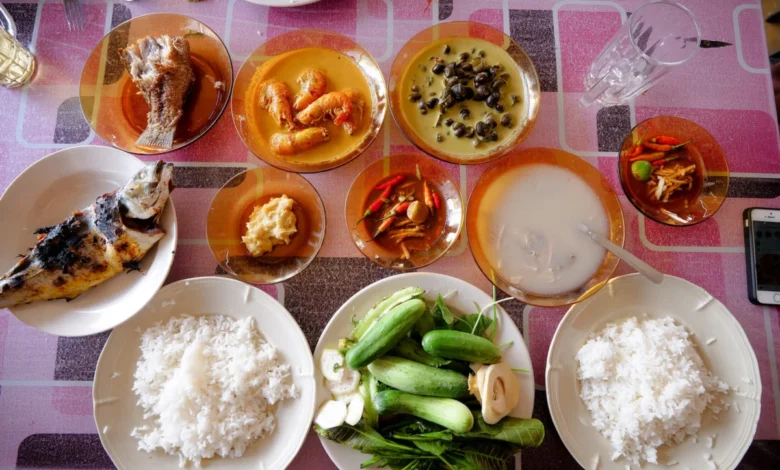
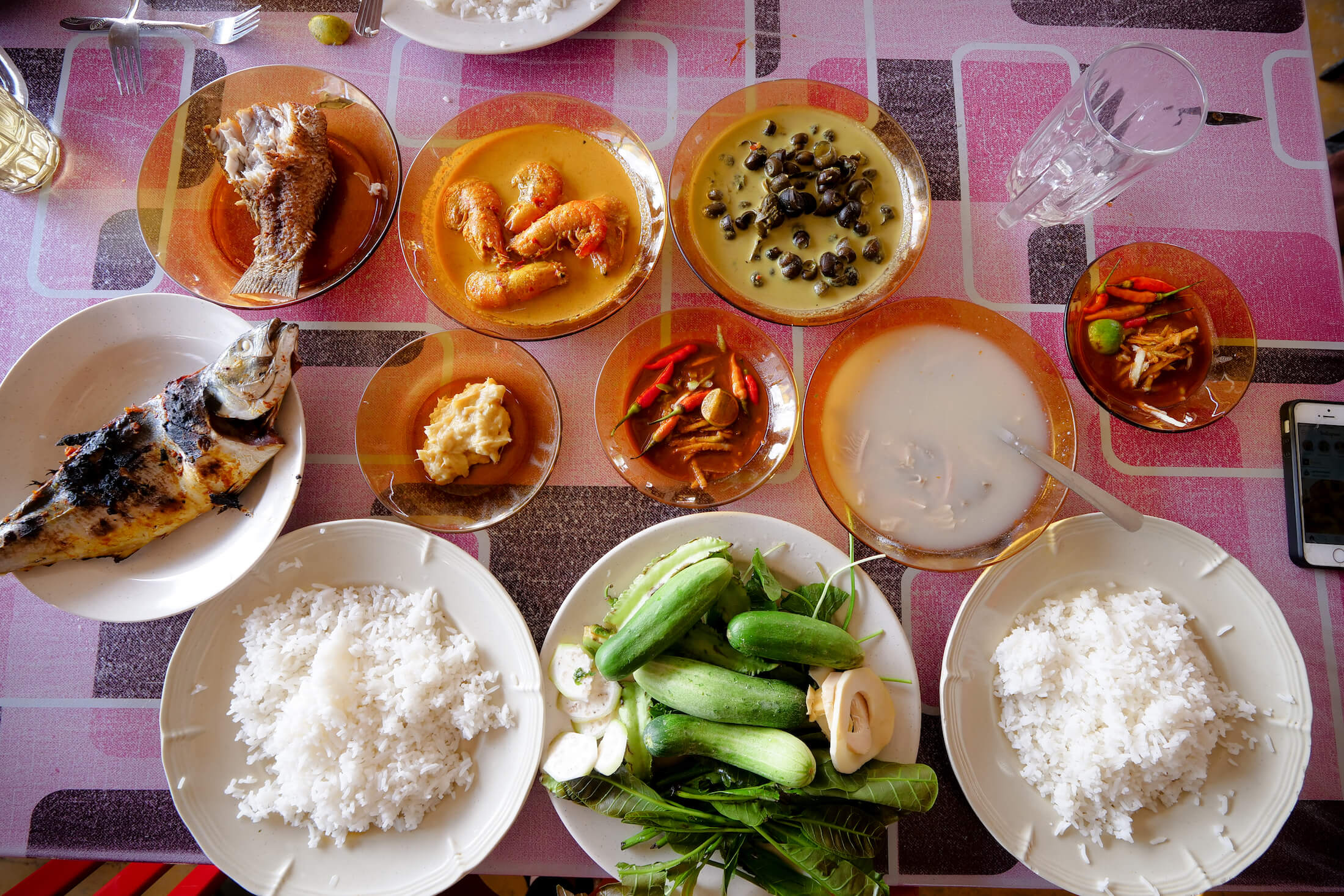
Nasi Ulam is fundamentally a composition of steamed white rice served cold or at room temperature, meticulously tossed with an assortment of finely shredded raw herbs, wild leaves, and aromatics. However, as a dining experience, it extends far beyond a single bowl. A standard meal at a specialized Kelantanese restaurant involves a multi-tiered spread: a base of herb-infused rice accompanied by freshly grilled coastal seafood, rich curries, and an extensive, self-serve buffet of raw vegetables, forest greens, and pungent fermented condiments.

The vegetable selection reflects the biodiversity of the Malaysian rainforest and local agricultural practices. Diners routinely curate plates featuring jungle pepper (wild pepper leaves), cashew tree leaves, mango tree leaves, Indian pennywort, Vietnamese mint, and betel nut leaves. These botanicals are not merely decorative; their astringent, bitter, and peppery profiles are chemically necessary to balance the rich, high-fat, and heavily spiced main dishes that accompany the meal.
Chronology and Operational Realities of Borderland Dining

The operational model of D’Umi Nasi Ulam highlights the socio-economic dynamics of Malaysia’s northern borderlands. Historically functioning as a daytime meal service, establishments in this corridor adapted to the schedules of cross-border trade and long-haul transportation. Because the restaurant occupies a strategic transit node—functioning as the first major dining stop for overnight truck transport entering Malaysia from Thailand—it maintains extended operational hours, remaining open from 10:00 AM until 5:00 AM the following morning (closing only on Fridays).
This unorthodox schedule underscores the integration of local foodways with regional logistics. Long-haul drivers, nocturnal travelers, and culinary tourists converge at the restaurant during off-peak hours, transforming a traditional daytime lunch into a 24-hour cultural exchange point.

Supporting Data: The Chemistry of Budu and Tempoyak
The defining sensory characteristics of Kelantanese cuisine derive from its reliance on indigenous fermentation science, notably Budu and Tempoyak. These condiments serve as foundational flavor agents that elevate the simpler components of the meal.

Budu is a traditional liquid fish sauce produced through the salt-fermentation of anchovies, typically aged for months in large vats alongside palm sugar and tamarind. Nutritionally and culturally, Budu shares similarities with Southeast Asian fish sauces like the Thai nam pla or Vietnamese nước mắm, but its Kelantanese iteration is darker, thicker, and deeply savory. Recent food science analyses highlight that traditional Budu preparation fosters halophilic (salt-tolerant) bacterial cultures, contributing significant probiotic properties to the diet long before modern functional foods gained traction in Western markets.
Complementing Budu is Tempoyak, a paste made from the flesh of durian fruit that has undergone salt-fermentation. While durian is globally renowned for its pungent aroma when fresh, fermentation transforms the fruit into a sour, umami-rich condiment. In Kelantanese culinary tradition, diners frequently combine Budu and Tempoyak into a single dipping medium, often incorporating whole bird’s eye chilies (cili padi). This juxtaposition of salty, sour, pungent, and fiery elements creates a complex flavor profile unique to the East Coast of Peninsular Malaysia.

Main Dishes: Seafood and Regional Preparation Techniques
The geographical advantage of Kelantan’s coastline dictates the protein offerings at Nasi Ulam establishments. Ocean shrimp and locally sourced fish feature prominently, prepared using distinct regional methodologies.

-
Ocean Shrimp in Coconut Curry: Harvested from the nearby South China Sea, large marine shrimp are served in a creamy, orange coconut-based curry. Unlike richer, heavily spiced southern curries, the Kelantanese variant balances mild sweetness with the natural brininess of the seafood, cut intentionally by the herbaceous bitterness of the surrounding Nasi Ulam greens.
-
Ikan Bakar (Kelantan-Style Grilled Mackerel): Grilled fish is a staple across Malaysia, but regional variations are pronounced. While styles in Kuala Lumpur and Melaka often rely on exterior spice rubs or banana-leaf wrapping, D’Umi Nasi Ulam employs a distinct technique: chefs slice the mature mackerel, pack the interior cavity with a fiery red sambal (chili paste), close the fish, and grill it over an open flame. This double-exposure method infuses the smoke directly into the spice paste while protecting the delicate white meat of the fish from drying out.

-
Sea Shells in Coconut Broth: Small marine mollusks are prepared in a spiced coconut broth, with the sharp apex of each shell pre-broken to facilitate consumption. This dish emphasizes tactile engagement, requiring diners to manually extract the meat, reflecting a communal and unpretentious dining culture.
Broader Impact and Economic Implications

The culinary tourism sector in Kelantan plays a vital role in the state’s economy, bridging the gap between agriculture, fishing, and hospitality. By maintaining traditional preparation methods for items like Budu and Tempoyak, local enterprises support micro-economies centered on artisanal fermentation and small-scale farming of indigenous herbs.
From a broader sociological perspective, the cuisine of Kelantan demonstrates how regional identity is preserved through foodways. Despite modernization and the homogenization of diets in urban centers like Kuala Lumpur, the East Coast maintains strict adherence to its ancestral palate. The culinary dialogue between Southern Thailand and Northern Malaysia, visible in shared ingredients like Budu, illustrates porous cultural boundaries that transcend geopolitical lines.

Visitor Information and Practical Guidelines
For travelers planning an excursion to Kelantan, D’Umi Nasi Ulam provides an accessible entry point into regional gastronomy.
- Location: Accessible via major routes in Kelantan, with precise coordinates available on digital mapping platforms.
- Hours: Operating daily from 10:00 AM to 5:00 AM (Closed on Fridays).
- Pricing: Standard full-service meals average between 15 to 20 Malaysian Ringgit (MYR) per person, making it an exceptionally accessible option for high-quality, regionally distinct cuisine.