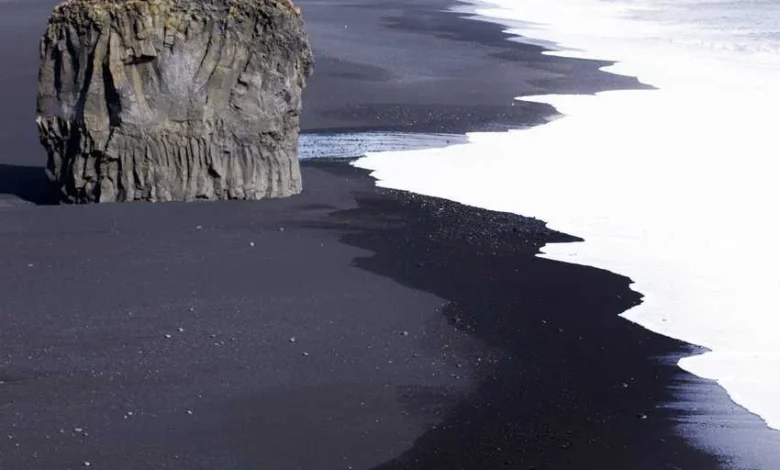
Renting a campervan has emerged as one of the most popular methods for navigating Iceland’s dramatic landscapes, offering travelers the ultimate blend of mobility and autonomy. From chasing favorable weather patterns to lingering at remote waterfalls and waking up beside pristine glacial fjords, the campervan lifestyle unlocks the full potential of an Icelandic road trip. However, beneath the romanticized facade of open-road freedom lies a complex regulatory, financial, and environmental framework that routinely catches unprepared tourists off guard. While experienced travelers quickly learn that the true challenges of an Icelandic campervan journey rarely stem from the act of driving itself, the hidden hurdles found at rental counters, automated fuel pumps, and evening parking spots can easily derail a vacation if not anticipated.

Understanding the Financial and Logistical Realities of Icelandic Insurance
For many international travelers—particularly those hailing from the United States—the reflexive instinct to decline optional rental car insurance is a costly mistake. Under Icelandic law, third-party liability is automatically included in vehicle rentals, and Collision Damage Waiver (CDW) is bundled into nearly every baseline rate. However, CDW functions strictly as a financial cap rather than a comprehensive shield, leaving renters with a substantial out-of-pocket deductible typically ranging between 250,000 and 450,000 Icelandic Króna (ISK), equivalent to approximately $1,800 to $3,400 USD. To mitigate this exposure, drivers routinely purchase Super Collision Damage Waiver (SCDW), which reduces the deductible to a more manageable tier of 50,000 to 150,000 ISK.

Beyond standard collisions, Iceland presents unique environmental hazards that demand specialized insurance add-ons. Gravel protection is arguably the most critical and frequently purchased policy upgrade, designed to cover inevitable stone chips to windshields, headlights, and body paint caused by the country’s vast expanses of loose volcanic rock. Similarly, sand and ash protection guards against catastrophic exterior damage incurred when high winds pick up abrasive volcanic grit, effectively sandblasting a vehicle down to bare metal—a frequent hazard along the windy South Coast between Vík and Jökulsárlón. Tire protection is equally vital for long stretches of unpaved roadway, ensuring drivers are not left entirely financially responsible for remote blowouts.
Furthermore, travelers relying on standard credit card rental coverage often discover too late that major issuers entirely exclude Iceland-specific risks, including gravel damage, ash storms, F-roads, and campervan classes. Securing written confirmation of coverage limits prior to departure is essential. Furthermore, certain high-risk incidents remain entirely uninsured across all tiers and vehicle categories, including standard four-wheel-drive platforms. Water damage and river crossings are strictly excluded; if water infiltrates the engine block, the renter assumes full financial responsibility for replacement. Undercarriage and roof damages face identical blanket exclusions.
Navigating the Strict Regulations of Icelandic Terrain and F-Roads
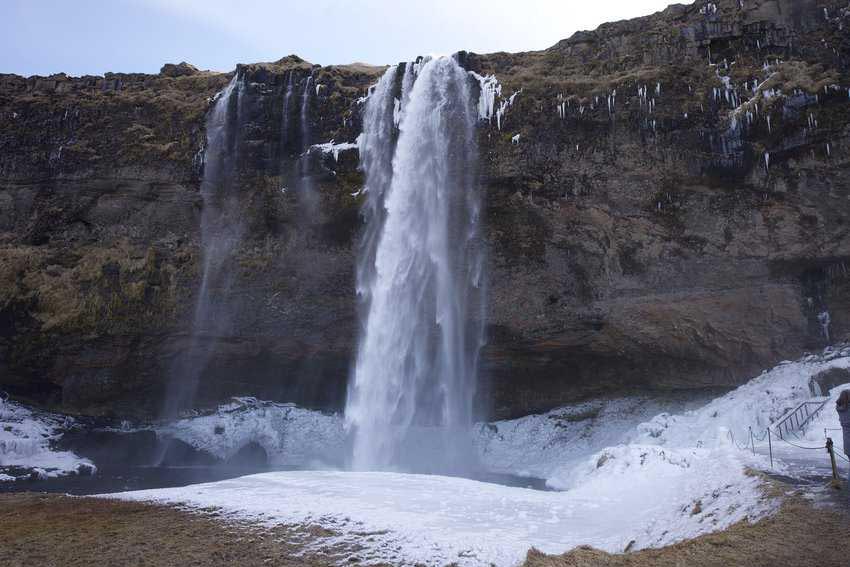
Off-road driving is strictly illegal throughout Iceland, governed by stringent environmental protections designed to safeguard fragile ecosystems. Icelandic moss requires decades to recover from a single set of rogue tire tracks, and enforcement agencies levy severe financial penalties for violations, with fines starting around 100,000 ISK and escalating rapidly into the hundreds of thousands.

Vehicle damage caused by weather events—particularly wind-whipped doors—represents another major source of unrecoverable claims. When a driver or passenger opens a campervan door during a sudden gust, the prevailing wind can violently hyperextend the hinges, snapping them instantly. This damage is excluded from virtually all insurance policies, leaving the renter liable for costly repairs. Mitigating this risk requires disciplined habits: parking nose-first into the wind, maintaining a firm grip on the door handle at all times, briefing passengers before exit, and utilizing sheltered sides when conditions deteriorate.
For those venturing into the mountainous interior, navigating F-roads requires strict adherence to legal and mechanical classifications. The designation "F" denotes a mountain road legally restricted to four-wheel-drive vehicles. Operating a two-wheel-drive campervan on an F-road is illegal, instantly voids all damage coverage, and can result in recovery fees approaching 450,000 ISK for stranded vehicles in remote regions. F-roads are strictly seasonal, opening in phases between late May and July as winter snowpacks melt, and closing uniformly by October. Even with an approved 4×4 camper, river crossings remain universally uninsured, necessitating careful route verification and written confirmation from rental agencies regarding permitted pathways.

Road Safety, Infrastructure, and the 2026 Kilometergjald Tax
While Iceland’s paved primary network—most notably the Ring Road—is exceptionally maintained, transitions to unpaved surfaces can occur abruptly without warning signs or gradual tapering. Excessive speed entering gravel zones is the primary catalyst for single-vehicle accidents among tourists. National speed limits are firmly capped at 90 kilometers per hour on paved rural roads, 80 kilometers per hour on gravel, and 50 kilometers per hour in urban areas.
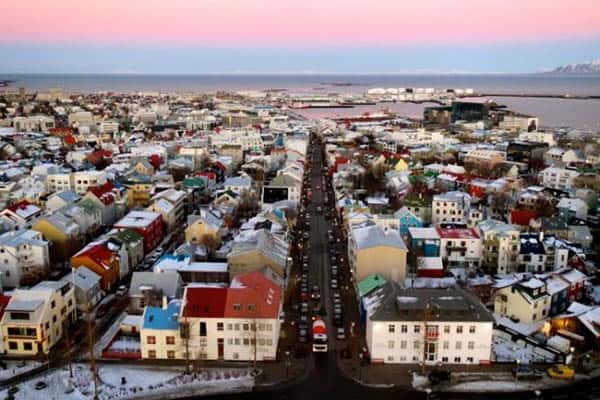
Drivers must also navigate unique infrastructure hazards, such as blindhæð (blind rises over crests where oncoming traffic is hidden) and einbreið brú (single-lane bridges where the vehicle closer to the bridge holds the right of way). Mandatory safety regulations dictate that headlights must remain illuminated around the clock, seatbelts are compulsory for all occupants, and the legal blood alcohol concentration limit is an uncompromising 0.02 percent. Additionally, livestock—particularly sheep—possess an absolute right of way across all rural corridors.
Financial planning for Icelandic road trips underwent a fundamental shift with the implementation of the kilometergjald road tax. Transitioning away from traditional fuel duties to a distance-based levy, this tax charges 6.95 ISK per kilometer for vehicles under 3.5 tonnes, directly impacting campervan rentals as a separate billing line item. While this change successfully reduced baseline retail gasoline prices—dropping from approximately 300 ISK per liter down to a range of 210 to 225 ISK—it adds a predictable mileage cost. Traversing the entire 1,332-kilometer Ring Road incurs an additional tax of roughly 9,300 ISK ($74 USD), making it essential for travelers to clarify billing methods with their rental provider prior to booking.
Overnight Camping Laws and Fuel Logistics in the Highlands
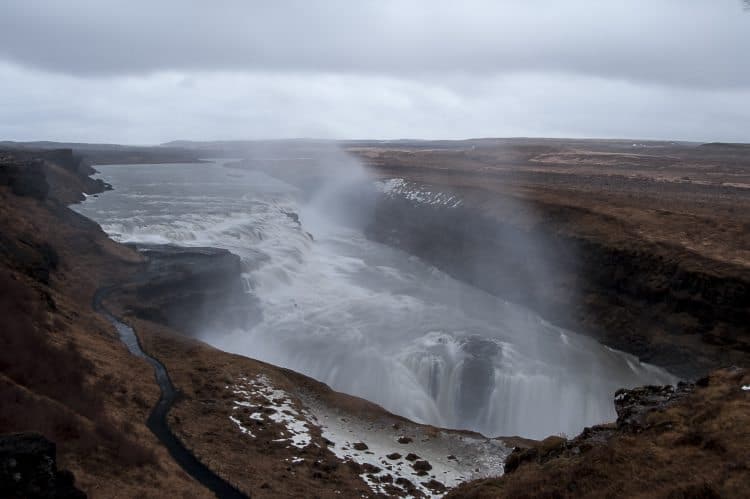
A widespread misconception among international visitors is the freedom to pull over and camp anywhere. Under Iceland’s Nature Conservation Act, overnighting in any motor vehicle, campervan, motorhome, or rooftop tent is strictly prohibited outside of designated, registered campsites or private land granted explicit landowner permission. Scenic highway pullouts, trailhead parking lots, and quiet gravel tracks do not qualify as legal overnight stops.

Fortunately, Iceland boasts a robust infrastructure of over 200 registered campsites—operational primarily from May through September—offering essential amenities including sanitary facilities, hot showers, communal kitchens, laundry rooms, and electrical hookups. Fees typically range from 1,500 to 2,500 ISK per adult per night. For extended itineraries, purchasing the seasonal Camping Card can offer significant savings, covering up to 28 nights for families across a network of participating sites, though major hubs such as Reykjavík, Vík, and Akureyri remain excluded.
Fueling logistics also require strategic planning, particularly outside major municipalities where unmanned automated fuel pumps are standard. These terminals do not accept cash and universally require a chip-enabled payment card paired with a four-digit PIN—a standard feature for European banking cards, but a frequent obstacle for travelers from North America. Mitigating this friction involves carrying a dedicated debit card with an active PIN, purchasing prepaid fuel cards at staffed N1, Olis, or Orkan stations during operating hours, or timing refuel stops accordingly. Furthermore, selecting the "fill up" option at automated pumps can trigger temporary authorization holds of approximately 22,000 ISK, while venturing into the interior requires maintaining a healthy fuel margin given that stretches exceeding 120 miles often feature zero refueling infrastructure.
Fleet Characteristics, Seasonal Pricing, and Essential Safety Resources
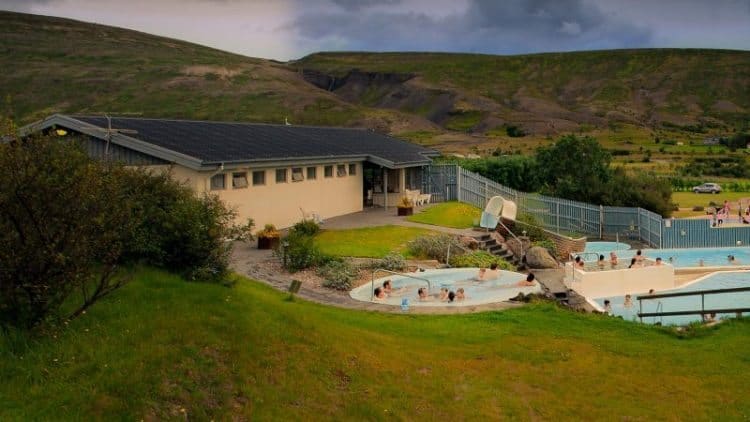
Travelers must recognize that Icelandic campervans differ significantly from large American recreational vehicles. Standard two-person campervans typically feature a converted chassis housing a fold-out sleeping platform, a compact cooler or refrigerator, a dual-burner gas stove, and basic cookware, while generally lacking onboard bathrooms, showers, or integrated water holding tanks. Consequently, personal hygiene relies on geothermal pools and campsite bathhouses. Manual transmissions remain the industry default, requiring explicit filtering and advance reservation for automatic variants.

Rental pricing exhibits high seasonal volatility. A compact two-person camper commanding $120 to $200 USD per night during peak July operations can drop to $65 to $120 per night in shoulder months like May and September. Securing summer reservations three to six months in advance is vital, while opting for shoulder-season travel offers an optimal balance of extended daylight, accessible terrain, and reduced financial overhead. Comparison platforms such as Campstar assist travelers in navigating disparate fleet options and transparently reviewing baseline insurance inclusions across regional operators.
To ensure safety throughout an expedition, experienced drivers continually monitor three core digital platforms: Veður for localized meteorological forecasts and high-wind warnings, Road.is for real-time road conditions and closures, and SafeTravel.is for emergency alerts and mandatory highland itinerary registration. Pairing these resources with the official 112 Iceland mobile application enables instantaneous GPS emergency transmission at the push of a button. Ultimately, while an Icelandic campervan journey demands meticulous preparation and respect for local regulations, the reward is an unparalleled, fluid exploration of one of the planet’s most awe-inspiring landscapes.