Beyond the Traditional Safari Circuit: An In-Depth Exploration of Miavana by Time + Tide in Madagascar

The landscape of luxury travel is shifting away from crowded urban epicenters and traditional tourist hubs toward hyper-remote, ecologically sensitive sanctuaries. Among these emerging frontiers, Miavana by Time + Tide, situated on Nosy Ankao off the northeastern coast of Madagascar, represents a new paradigm in experiential travel. Accessible exclusively via helicopter, this private-island resort merges high-end hospitality with deep-dive conservation and rare wildlife encounters, offering a compelling alternative or extension to the conventional African safari.
Main Facts and Geographic Context
Nosy Ankao is the largest island in a remote, pristine archipelago in the Indian Ocean, located approximately 250 miles (400 kilometers) off the southeastern coast of the African mainland. Because of Madagascar’s millions of years of geographic isolation, the island nation developed a unique biodiversity profile, with a vast majority of its flora and fauna existing nowhere else on Earth.
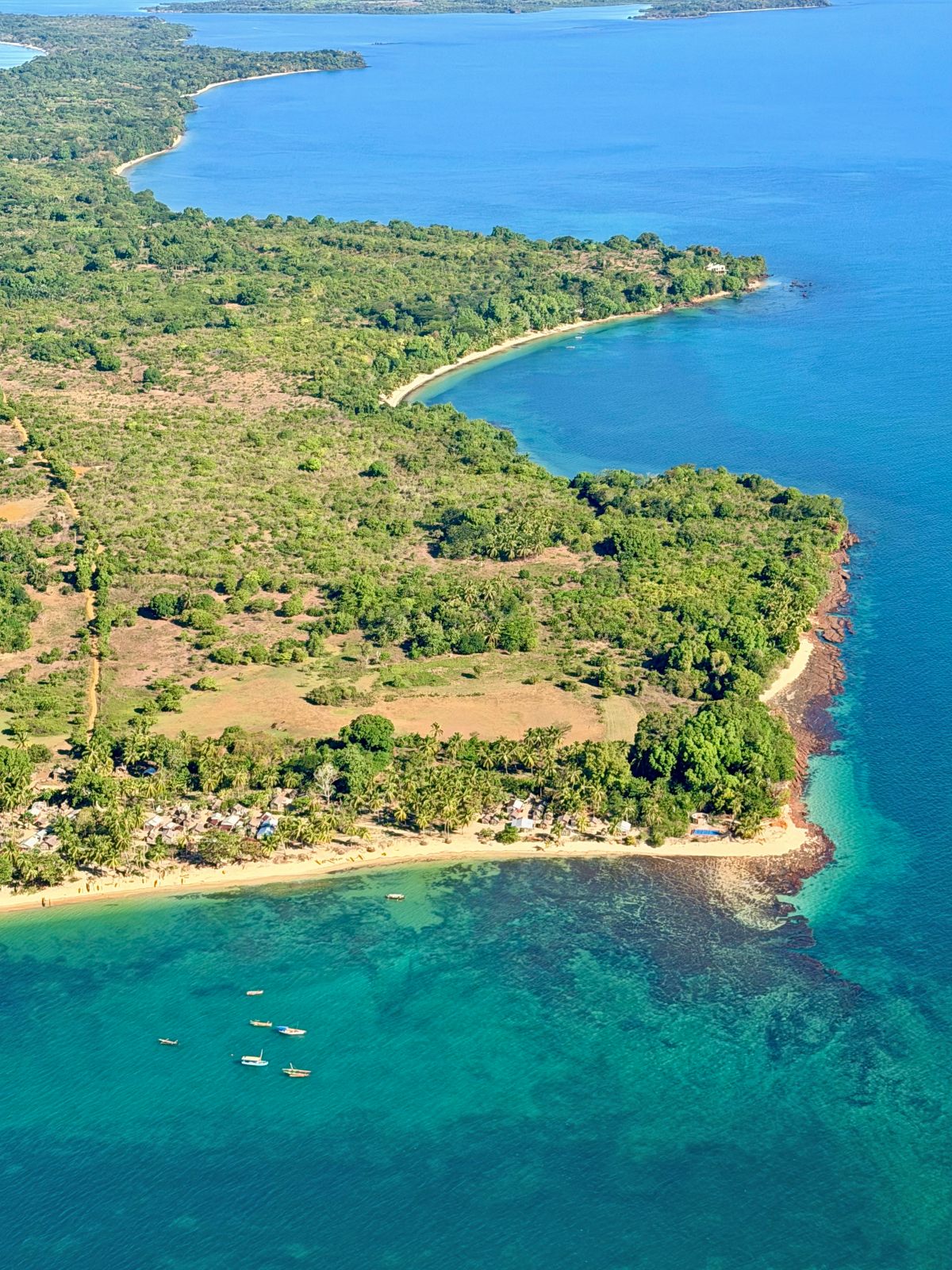
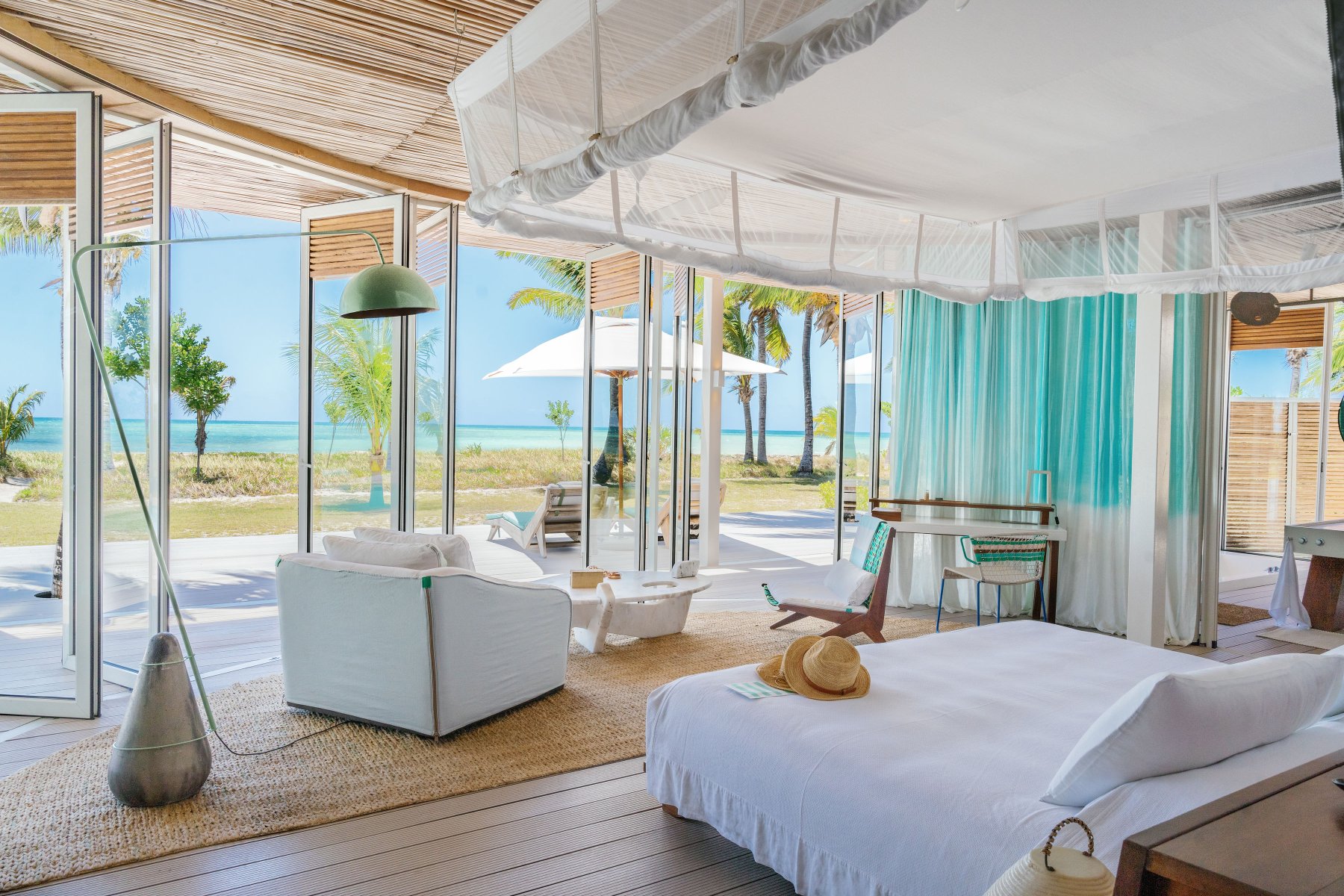
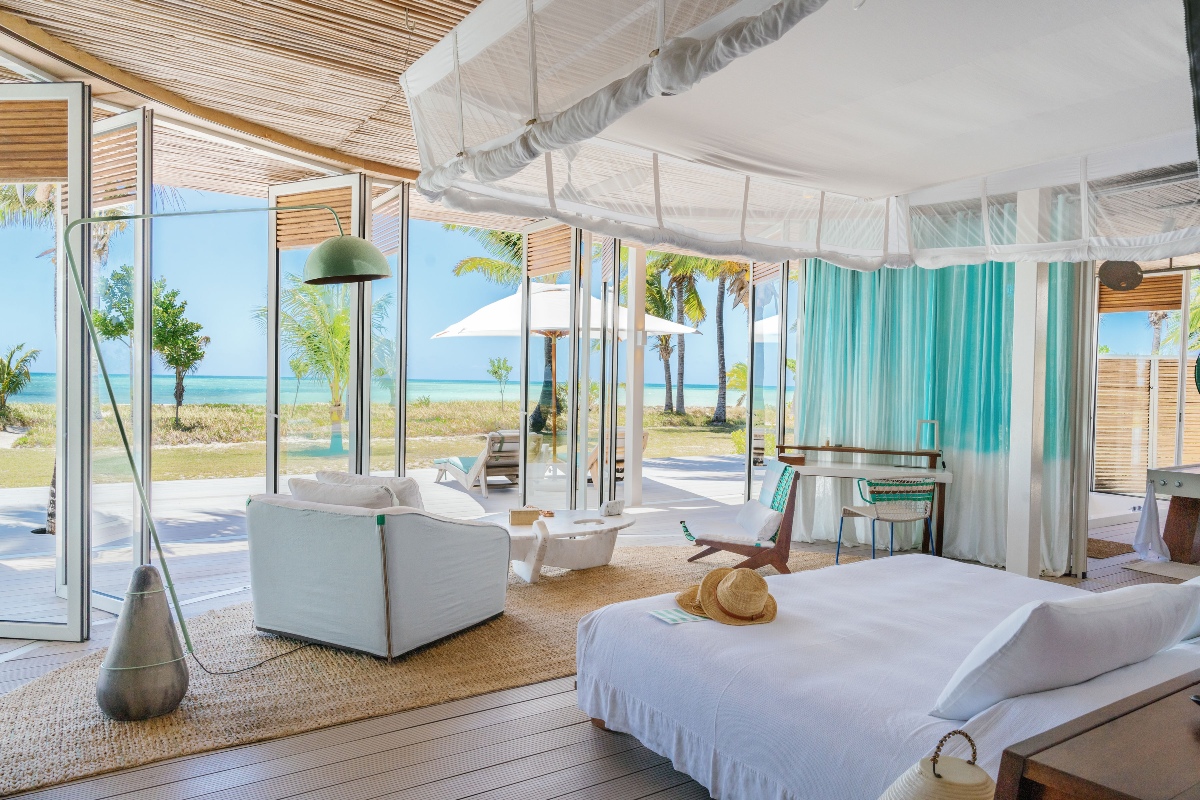
Miavana capitalizes on this ecological rarity while offering uncompromising infrastructure. The property comprises 13 expansive beachfront villas—ranging from one to three bedrooms—constructed with natural materials and modern coastal aesthetics. Each residence features a private freshwater pool, direct access to powdery white-sand beaches, floor-to-ceiling retractable glass walls, and dedicated butler service. The resort operates its own fleet of helicopters, which serve not only as the primary mode of arrival from regional hubs but also as aerial transit for excursions into mainland Madagascar’s rugged interior.
Logistical Chronology and Planning
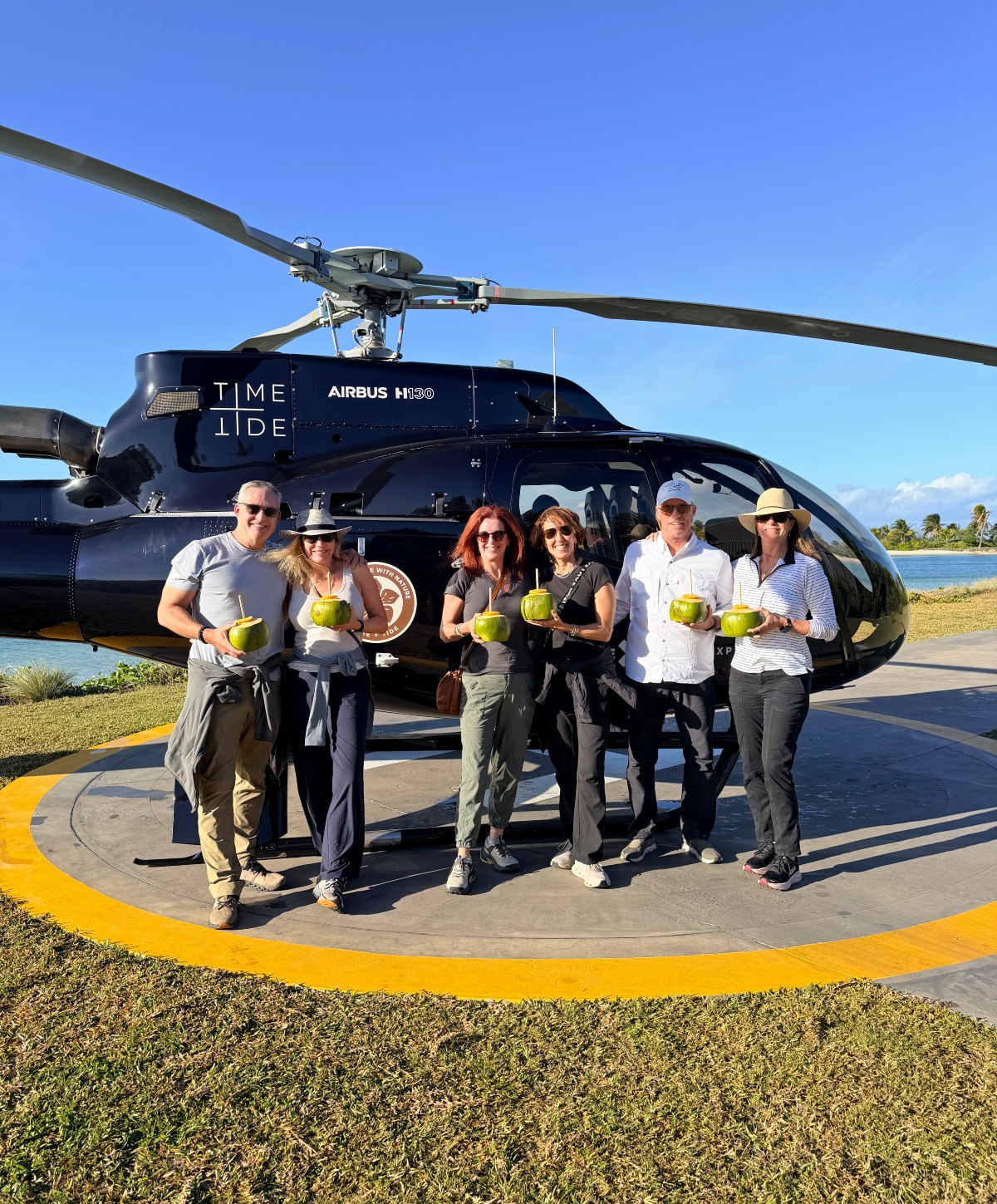
Traveling to a destination of this magnitude requires rigorous coordination, given the absence of commercial infrastructure in the immediate region. A typical journey from North America or Europe involves long-haul international flights, frequently routed through Johannesburg, South Africa, for an overnight transit. From there, travelers board regional flights to northern Madagascar before transferring to the resort’s private Airbus helicopters for the final leg to Nosy Ankao.
Recognizing the complexity of these multi-staged itineraries, specialized agencies such as Ciao Bambino and the Exeter Safari Company frequently manage the end-to-end logistics. This includes securing international connections, coordinating ground transfers, scheduling helicopter charters, and curating daily excursions. Industry analysts note that as demand for ultra-remote experiential travel grows, the role of specialized travel advisors has become critical in mitigating transit friction and ensuring seamless execution for multi-generational families and private groups.
Flora, Fauna, and Mainland Excursions
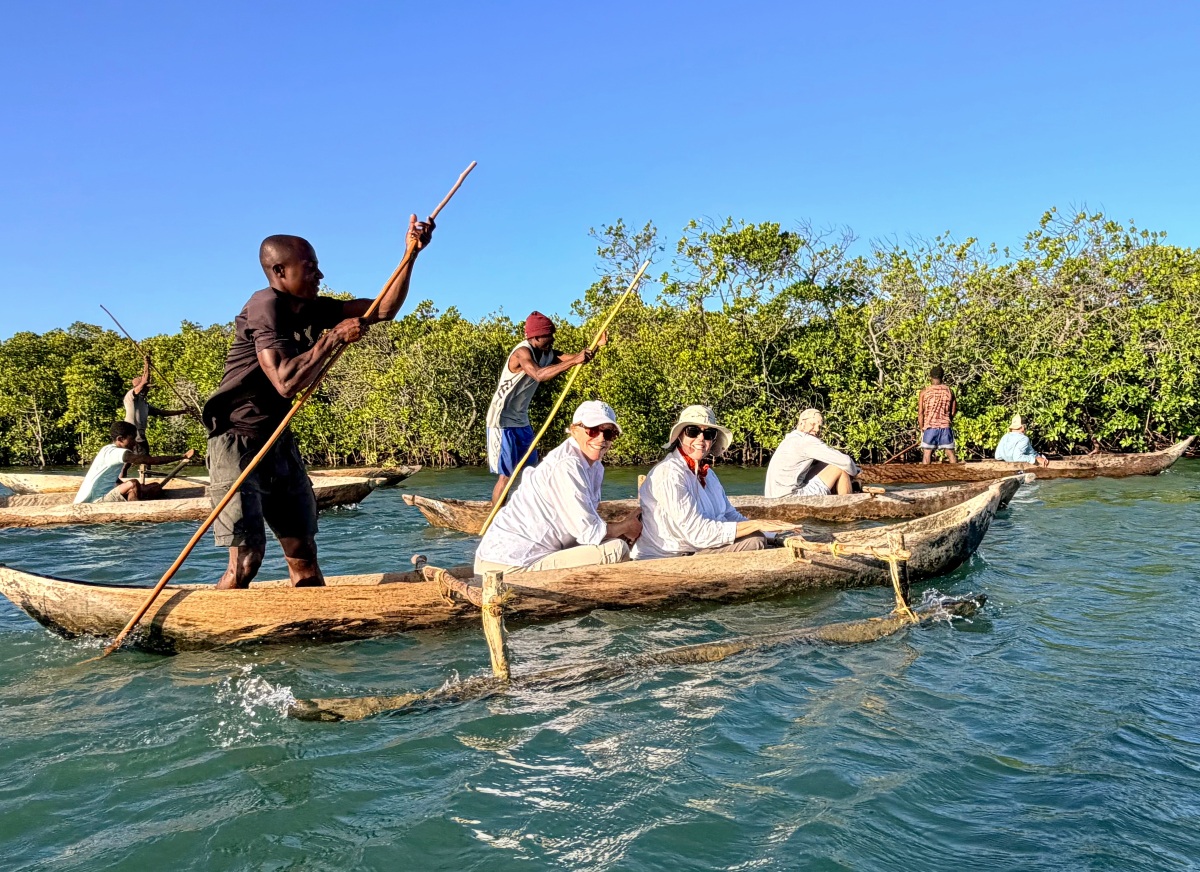
While the Indian Ocean setting provides a backdrop for marine activities—including scuba diving, deep-sea fishing, kite surfing, and mangrove canoe tours—the core differentiator of a Miavana stay lies in its terrestrial biodiversity.
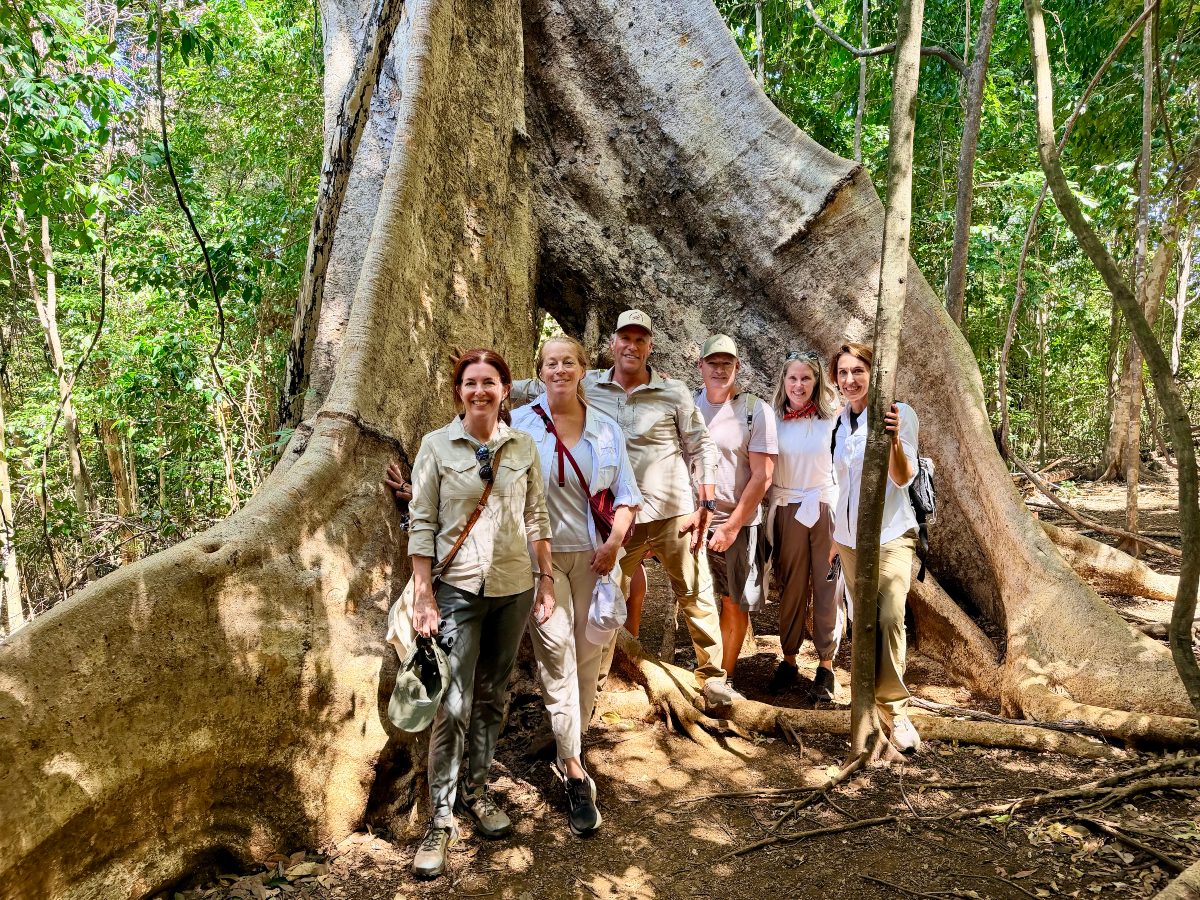
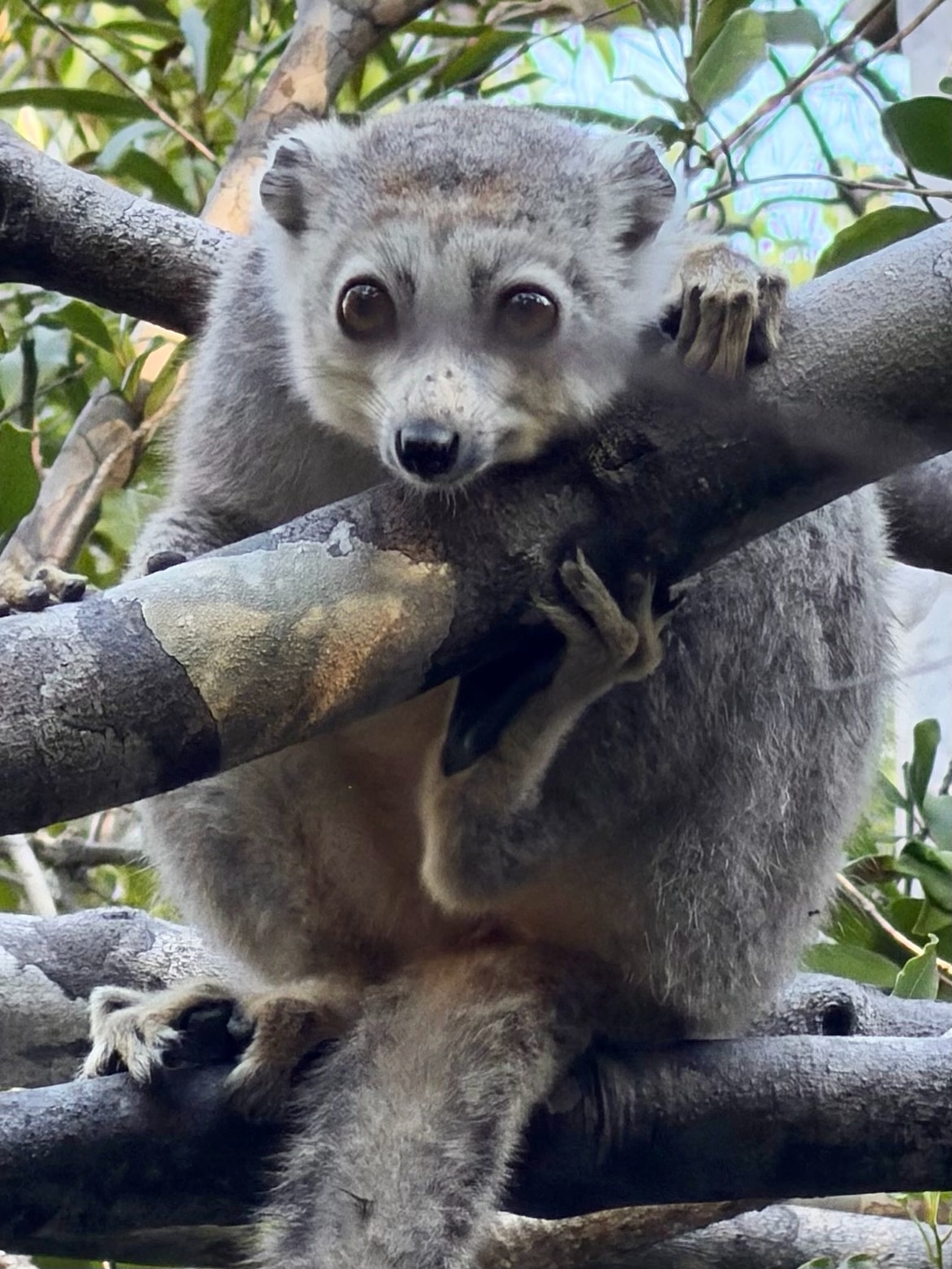
Madagascar is globally renowned for its lemur populations, many of which are classified as vulnerable or critically endangered. Utilizing the resort’s helicopters, guests can bypass impassable roads to reach mainland forests and protected reserves within minutes. Guided treks offer visitors the opportunity to observe several lemur species in their natural habitat, alongside other endemic wildlife such as chameleons, and striking flora including monumental baobab trees and ancient fig forests.
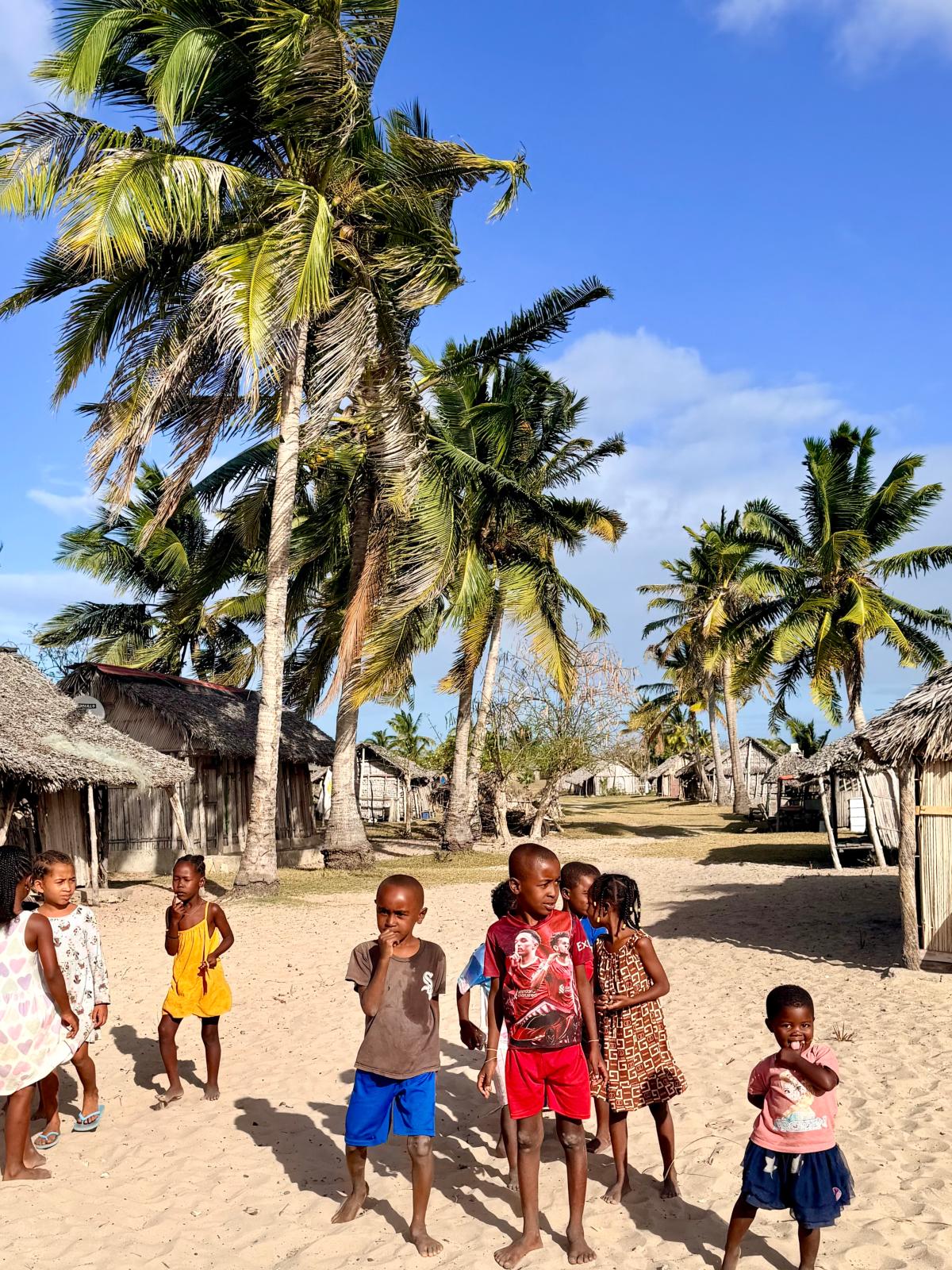
According to conservation and wildlife tourism experts, high-end ecotourism plays a vital role in funding local conservation initiatives and providing sustainable economic alternatives for surrounding rural communities. By integrating guided village visits, local school interactions, and cultural education into the guest itinerary, properties like Miavana foster a symbiotic relationship between high-net-worth tourism and regional preservation efforts.
Hospitality, Culinary Programs, and Infrastructure
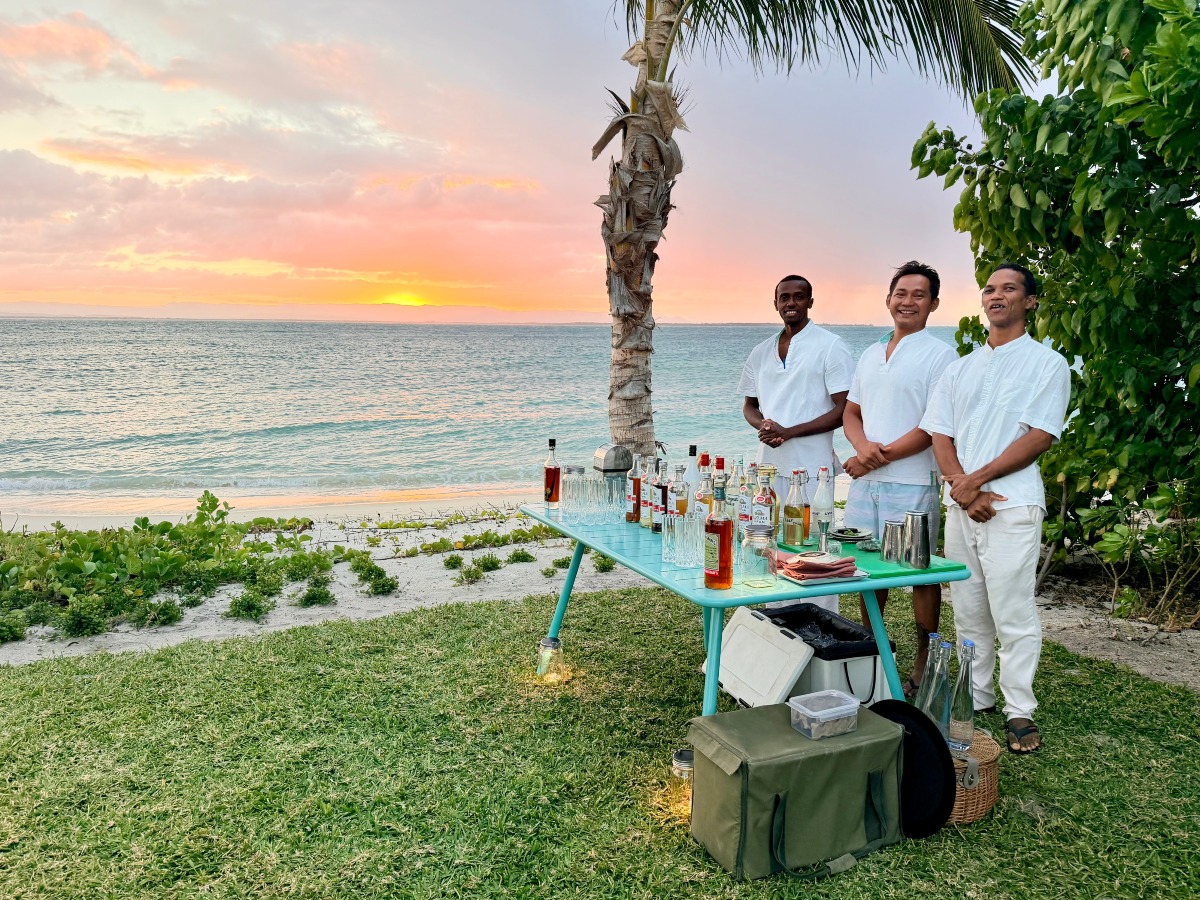
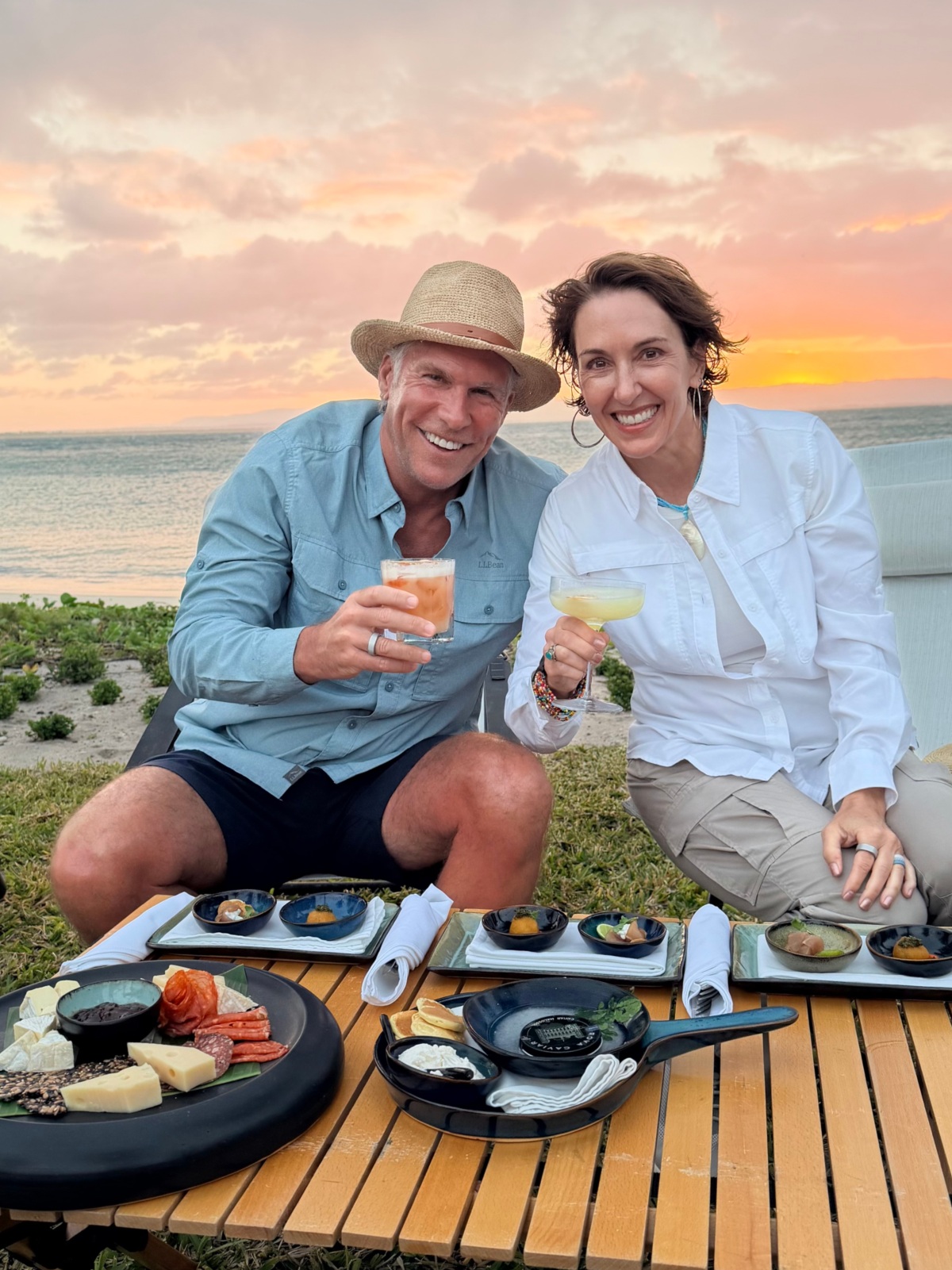
Operating a luxury resort on an isolated island presents significant supply chain and operational challenges. Despite its remote coordinates, Miavana maintains a sophisticated culinary program anchored by fresh seafood—including locally sourced line fish and deep-water crustaceans—alongside imported prime meats and regional delicacies. Dining takes place across multiple venues, including the main Piazza Restaurant and Lounge, Silvio’s, and the beachside Crab Shack, supplemented by private in-villa dining and customized beach setups.
The resort’s service model relies heavily on a high staff-to-guest ratio, highlighted by personal butlers assigned to each villa. Standard amenities include comprehensive laundry services, electric buggies, bicycles, a fully equipped gym with panoramic ocean views, and an on-site museum detailing the natural and archaeological history of Madagascar.
Economic and Market Implications
The launch and sustained operation of properties like Miavana signal broader shifts within the luxury travel sector. Wealthy consumers increasingly prioritize privacy, exclusivity, and transformative educational experiences over traditional leisure travel. However, these offerings come with substantial financial barriers. The considerable expense associated with private-island resorts, combined with complex logistical overheads, positions these destinations firmly within the ultra-luxury market segment.
Furthermore, the emphasis on sustainability and low-impact tourism reflects a growing consumer demand for responsible travel models. As travelers seek out destinations beyond the traditional African safari circuit—such as the gorilla treks of Rwanda, the wilderness reserves of Zambia, or the island sanctuaries of Madagascar—the tourism industry faces the ongoing challenge of balancing high-end guest expectations with the fragile ecosystems that draw visitors in the first place.
Broader Impact on Regional Tourism
The success of remote island lodges in Madagascar has broader implications for the country’s national tourism strategy. By demonstrating that high-yielding international travelers are willing to navigate complex logistics for unique ecological access, Madagascar stands to attract increased investment in regional aviation, conservation parks, and hospitality infrastructure.
As global interest in specialized wildlife and nature itineraries continues to expand, destinations offering a synthesis of seclusion, adventure, and biodiversity are expected to remain at the forefront of the luxury travel market. For families and private groups equipped for the financial and logistical investment, locations like Miavana redefine the boundaries of modern exploration, bridging the gap between wild nature and refined comfort.