Historical Origins and the Highland Clearances
To understand the significance of crofting in Assynt, one must examine the socio-political climate of the 18th and 19th centuries. The crofting system as it is understood today emerged in the wake of the Highland Clearances, a period of forced evictions and migration that redefined the demographic landscape of Northern Scotland. Following the Jacobite rising of 1745 and the subsequent collapse of the traditional clan system, landowners increasingly prioritized large-scale sheep farming over tenant farmers.
Thousands of families were displaced from fertile glens to small, marginal plots of land known as crofts. These allotments were intentionally designed to be insufficient for full-time subsistence, forcing the heads of households to seek supplementary income through seasonal labor in fishing, kelp harvesting, or peat cutting. This historical trauma, while catastrophic for the Gaelic-speaking populations of the time, inadvertently created a unique communal structure. Because the land was often poor and the climate unforgiving, crofters relied on shared grazing lands—common grazings—which fostered a culture of mutual interdependence and collective decision-making that persists to this day.
The Modern Crofting Landscape
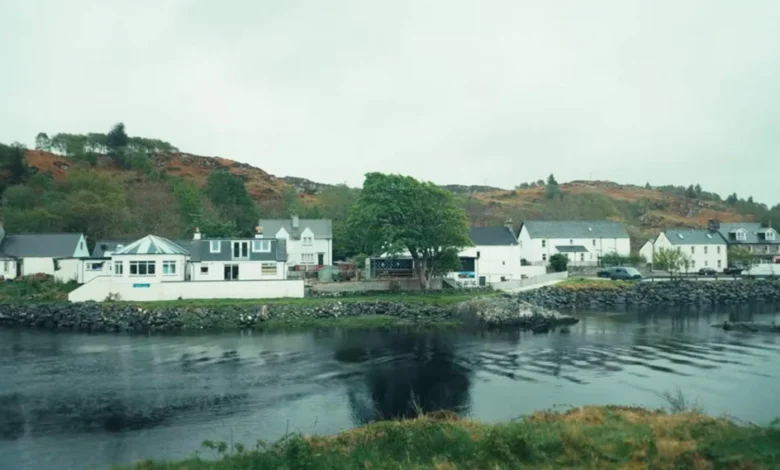
In the contemporary era, the definition of a croft has shifted from a necessity for survival to a lifestyle choice rooted in stewardship. In Assynt, a community of just over 1,000 people, the croft is viewed by its inhabitants as an integral component of personal and regional identity. As Lewis MacAskill articulates in the documentary, the croft is an extension of the individual. This sentiment is shared by a diverse group of residents, including those who manage livestock, traditional artisans, and those who prioritize the preservation of the Gaelic cultural heritage.
The documentary introduces viewers to practitioners such as Anna, a sheepdog trainer who utilizes centuries-old herding techniques. These methods are not merely archaic traditions; they are highly efficient practices that account for the unique terrain of the Highlands. Similarly, the inclusion of local potters, musicians, and textile spinners highlights a "creative economy" that has blossomed in the region. By utilizing local raw materials—clay, wool, and wood—these artisans reduce their carbon footprint and maintain a direct, tactile connection to the landscape.
Chronology of Community Development
The preservation of the Assynt community has not been an accident of history but a result of deliberate efforts to combat depopulation.

- 18th-19th Century: The period of the Highland Clearances forces families onto small, marginal crofts.
- Late 20th Century: The region faces severe economic decline as traditional industries like fishing and agriculture struggle to compete in a globalized market.
- 1992: A pivotal moment occurs when the Assynt Crofters Trust famously buys out the North Lochinver Estate, marking one of the first major community land buyouts in Scotland. This move grants residents control over their own future.
- 2000s-Present: A steady, albeit small, influx of "in-migrants" and returning youth begins to stabilize the population, drawn by the desire for sustainable living and connection to the land.
Supporting Data and Demographic Challenges
The Highlands and Islands of Scotland face significant demographic pressures. While the population of Assynt remains relatively stable at around 1,000 residents, the region as a whole struggles with an aging demographic and a lack of affordable housing for younger generations. According to data from the National Records of Scotland, remote rural areas often see an "out-migration" of those aged 18–30, who leave for education or employment in urban centers like Inverness, Glasgow, or Edinburgh.
However, the "Assynt model" suggests that land ownership and cultural preservation can act as a buffer against these trends. The ability for residents to hold tenure over their crofts—protected by the Crofters (Scotland) Act 1993—provides a level of security that is absent in many other rural economies. The legal status of a "croft" includes specific rights and responsibilities, such as the right to reside on the land and the obligation to cultivate it, which prevents the total conversion of these landscapes into luxury second-home developments, a common issue in other parts of the UK.
Economic and Environmental Implications
The reliance on small-scale, localized production in Assynt offers a compelling case study for environmental sustainability. Unlike industrial-scale farming, which often leads to soil degradation and habitat loss, traditional crofting practices generally involve lower stocking densities and a mosaic of land use that encourages biodiversity.
Economically, the "creative industries" segment highlighted in the documentary—spinners, potters, and musicians—provides a secondary income stream that is vital for the survival of the crofting household. This diversified income model is a direct descendant of the 19th-century crofter’s need to combine farming with other labor. Today, instead of peat cutting, the modern crofter might engage in digital entrepreneurship, tourism, or high-end craft production, proving that the system is flexible enough to adapt to the digital age.
Official Perspectives and Regional Policy
The Scottish government has recognized the importance of crofting through the work of the Crofting Commission. The Commission, a non-departmental public body, oversees the regulation of crofting and provides grants for agricultural improvement. Official policy has increasingly shifted toward "crofter-led" development, acknowledging that the people living on the land are best positioned to determine how it should be managed.
In response to the documentary, local planning officials and cultural heritage advocates have noted that the survival of such communities relies on the "pull factor" of lifestyle. As urban stress increases and the search for meaningful, community-centric living intensifies, remote regions like Assynt are experiencing a renewed interest. The challenge for policymakers, however, is to ensure that infrastructure—specifically high-speed internet and transport links—can support this influx without destroying the very isolation that makes the area attractive.

Broader Societal Impact
The story of Assynt is a microcosm of a global trend: the movement toward "re-wilding" and the search for a slower, more deliberate pace of life. By choosing to stay, or to return, to the croft, residents are participating in a form of resistance against the homogenization of culture. The documentary’s focus on the intergenerational transfer of knowledge—such as the sheepdog training and traditional music—underscores that the survival of the croft is not just about agriculture; it is about the transmission of a specific worldview.
When the documentary concludes with an elderly crofter singing a traditional homecoming song, it strikes at the core of the Scottish Highland experience: the cycle of departure and return. The "Home is where the croft is" subtitle is not merely a play on words; it represents the emotional tether that keeps people anchored to a landscape that was historically defined by its harshness.
Conclusion: The Future of the Croft
As the 21st century progresses, the future of Assynt will likely be defined by its ability to balance traditional methods with modern requirements. The threat of depopulation remains a persistent shadow, but the documentary illustrates a community that is acutely aware of its own value.
The integration of technology, the strength of community land ownership, and the revival of local crafts provide a blueprint for other rural areas facing similar pressures. Whether Assynt can continue to attract the next generation remains to be seen, but the commitment of current residents like Lewis MacAskill suggests that the crofting tradition is far from obsolete. Rather, it is being reimagined as a viable, sustainable, and deeply fulfilling path for those who seek to live in harmony with the Scottish landscape. The lessons from Assynt extend far beyond its borders, serving as a reminder that the land we inhabit, and the way we choose to interact with it, is ultimately a defining feature of who we are.