The Rise and Fall and Rebirth of Jerome Arizona: A Comprehensive Study of Americas Largest Ghost Town

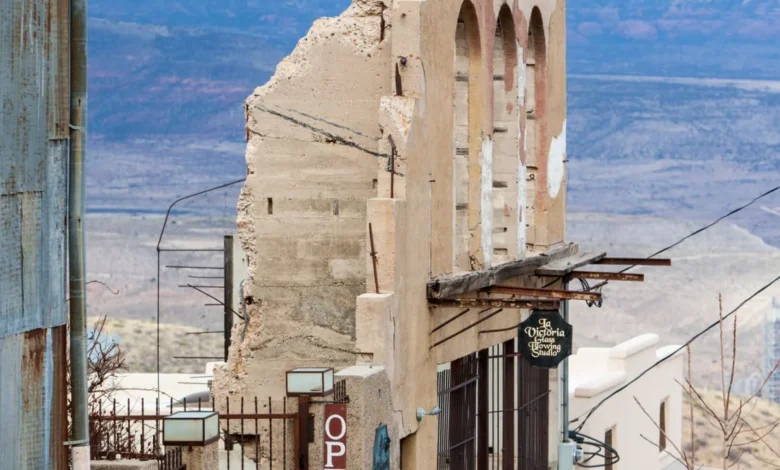
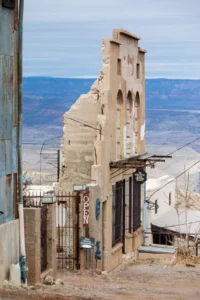
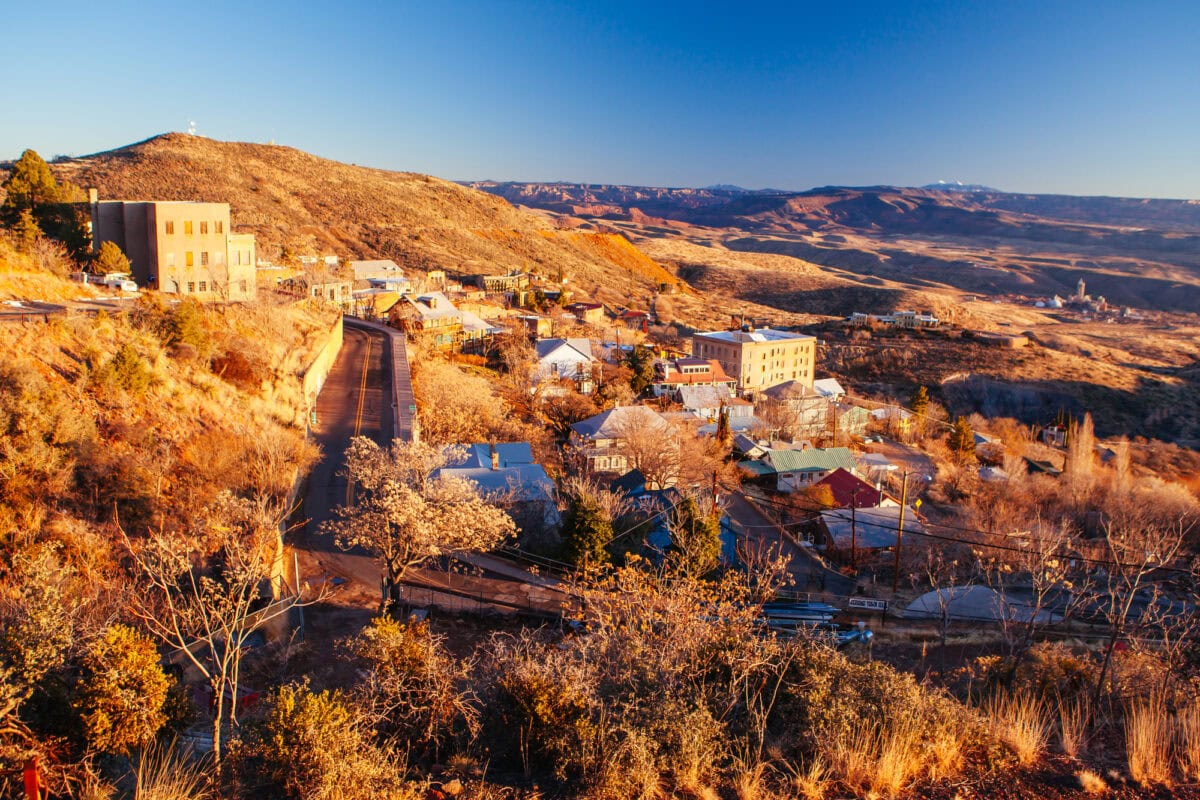
Perched precariously on the side of Cleopatra Hill in Yavapai County, Arizona, the town of Jerome serves as a living laboratory for the volatility of the American industrial frontier. Once a bustling epicenter of copper production, the town has transitioned from a lawless mining camp to a desolate ghost town, and ultimately to a thriving, protected National Historic Landmark. With its population fluctuating from a peak of nearly 15,000 residents in the 1920s to fewer than 500 today, Jerome represents a unique case study in economic resilience and historical preservation.
Historical Chronology and Industrial Significance
The genesis of Jerome dates back to 1876 when original mining claims were filed. However, it was not until 1883, with the formation of the United Verde Copper Company, that the town began its transformation into a major industrial powerhouse. By the turn of the 19th century, the mines beneath Jerome were among the most productive in the world. The town quickly earned the moniker of the Wickedest Town in the West, a reputation earned through its rapid expansion and the proliferation of saloons, brothels, and opium dens serving a diverse, transient, and high-risk workforce.
The town’s economic trajectory was defined by the success of the United Verde and the later United Verde Extension mining companies. Throughout the early 20th century, the geology of the region—characterized by complex fault lines and extensive mineral deposits—required sophisticated engineering. However, the reliance on a single commodity made the town vulnerable. As global copper prices shifted and the ore bodies began to deplete, the economic feasibility of the mines declined. Following the conclusion of the second World War, labor unrest and rising operating costs accelerated the decline. The United Verde mines ceased operations in 1953, effectively stripping the town of its economic purpose and leading to a mass exodus of the population.
From Desolation to Preservation
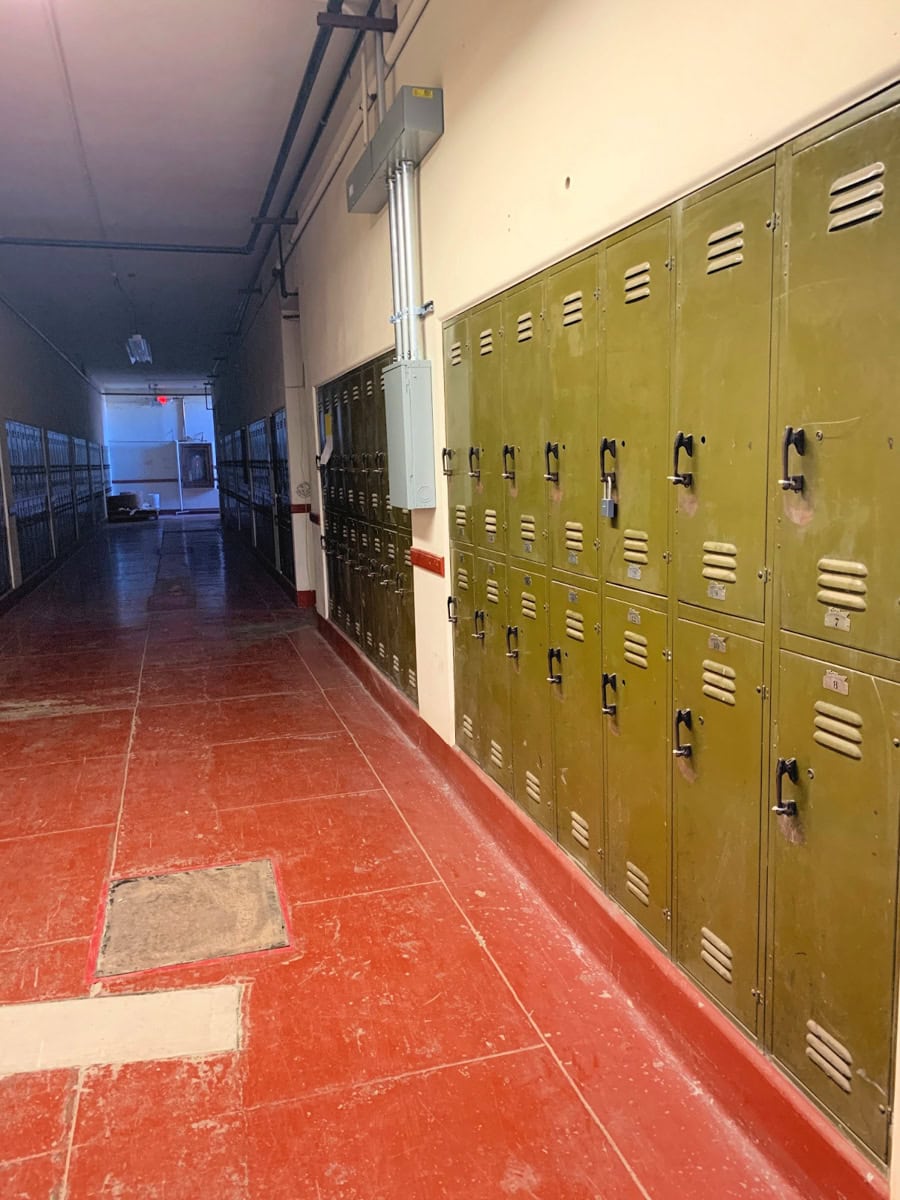
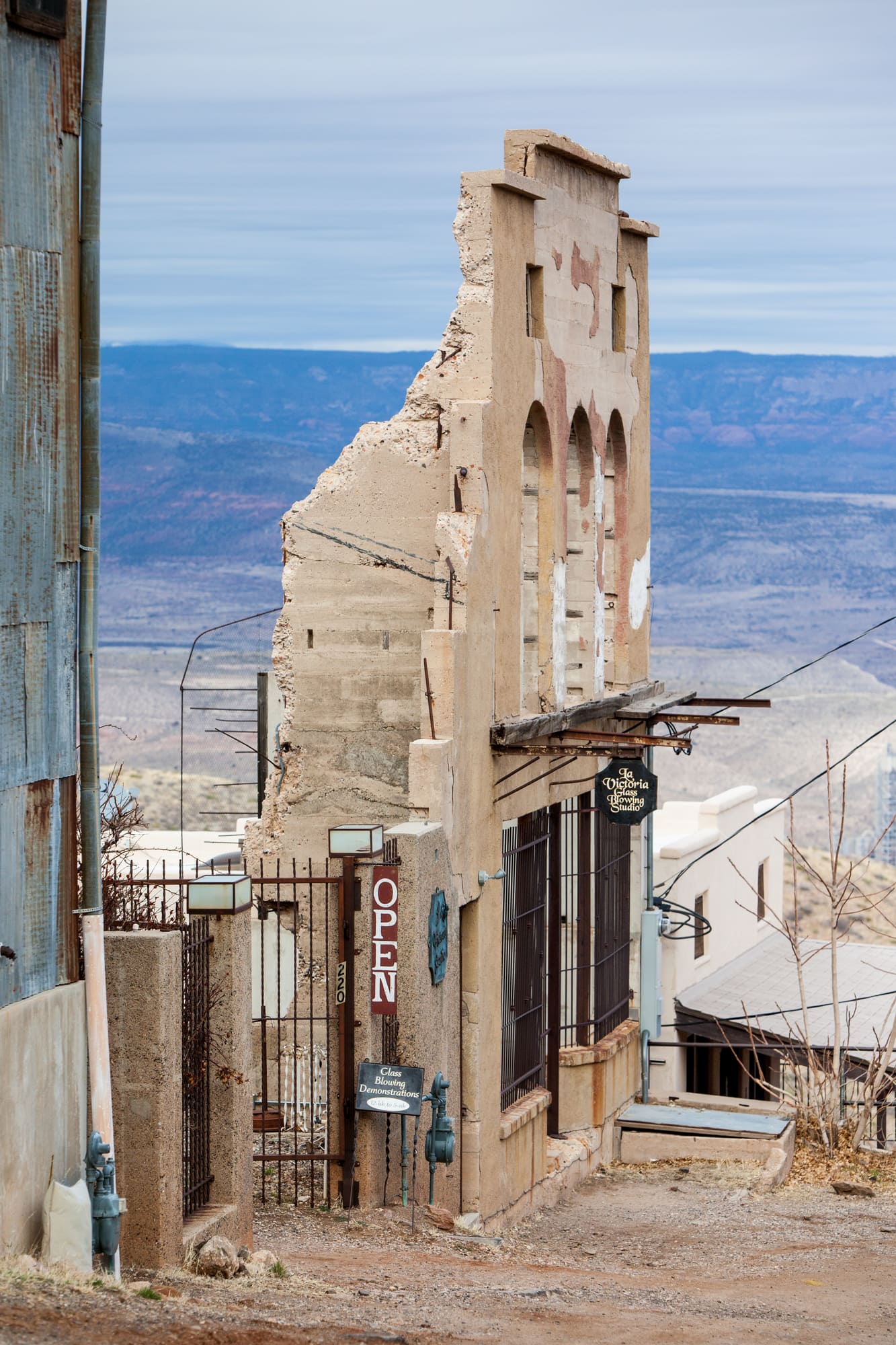
The period between 1953 and the late 1960s was the most critical juncture for Jerome. Abandoned by corporate entities, the town faced the threat of total erasure. However, a demographic shift occurred as artists, retirees, and counter-culture figures began moving into the vacant housing stock. This influx of residents prioritized heritage over industrial output.
In 1967, the United States Department of the Interior designated Jerome a National Historic Landmark District. This move was pivotal, providing federal protection to more than 100 buildings and ensuring that the town’s architectural legacy was not lost to development or decay. This transition marked a shift from an extractive economy to a tourism-based economy, where the town’s past—including its "ghost" status—became its primary commodity.
The Modern Economic Landscape of Jerome
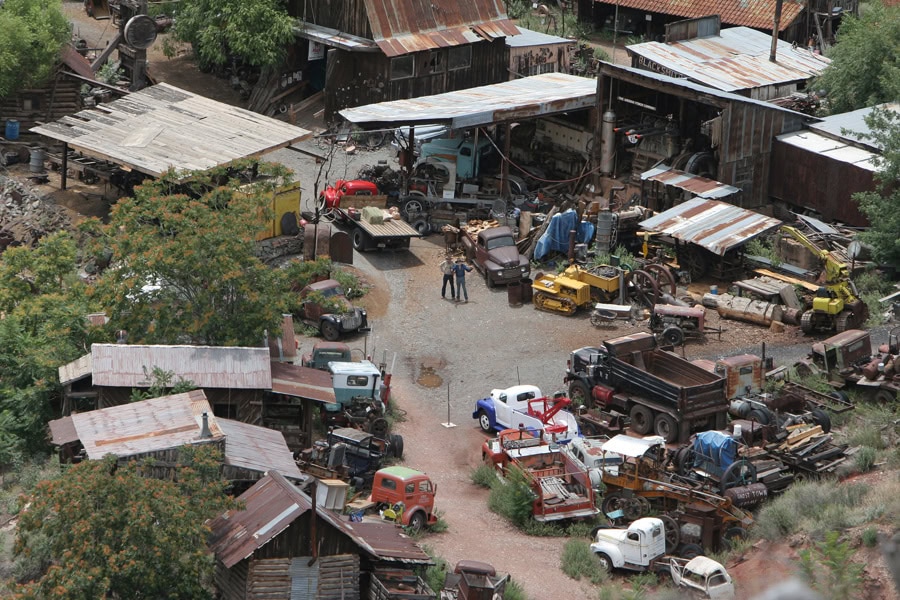
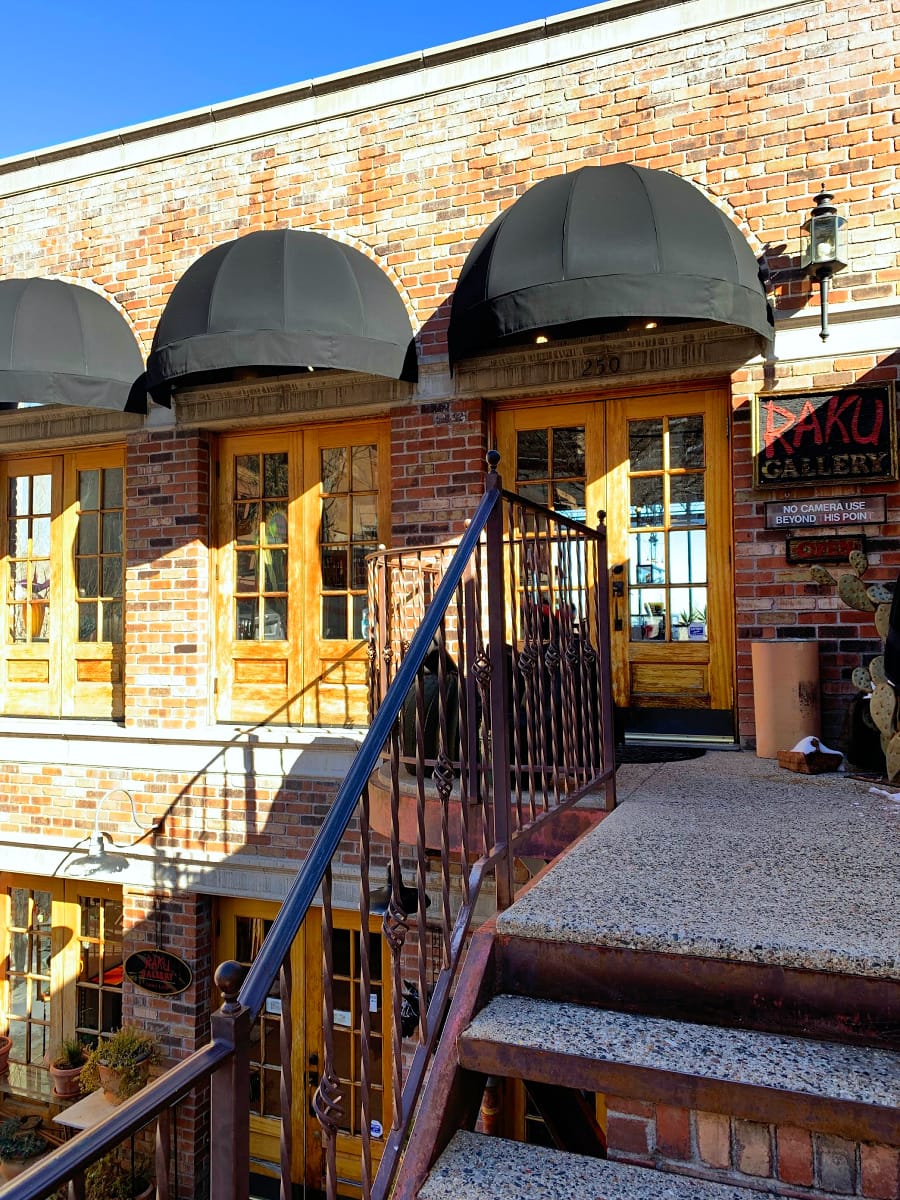
Today, Jerome functions as a destination for cultural and historical tourism. The economic implications of this transition are significant. By leveraging its history, the local government and private stakeholders have fostered an environment that supports small businesses, art galleries, and hospitality venues.
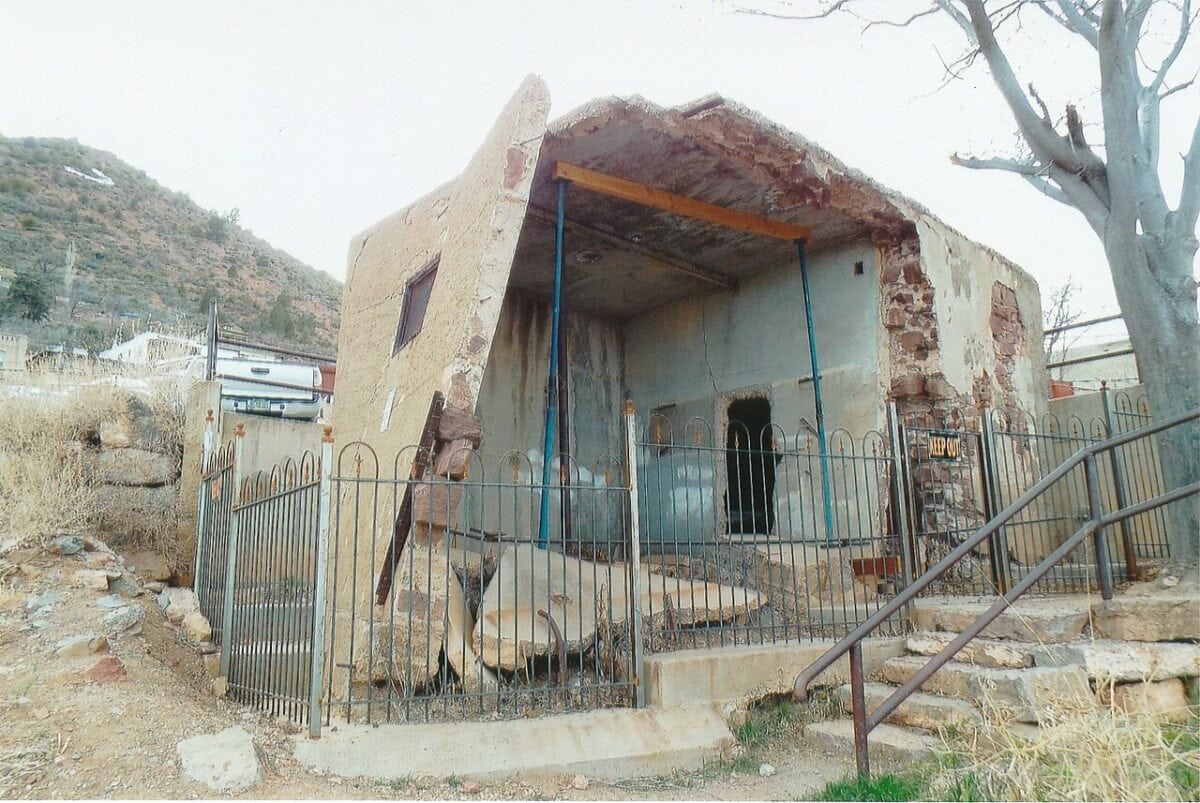
The infrastructure of the town remains a testament to the challenges of its geography. Built on a 30-degree incline, the town is subject to seismic shifts and geological instability. The infamous Sliding Jail, which moved 225 feet from its original site following a 1938 mine blast, serves as an ongoing reminder of the physical risks associated with the town’s development. Modern preservation efforts involve continuous monitoring of these geological features, as the very terrain that built the town continues to pose a threat to its structural integrity.
Key Sites and Institutional Roles
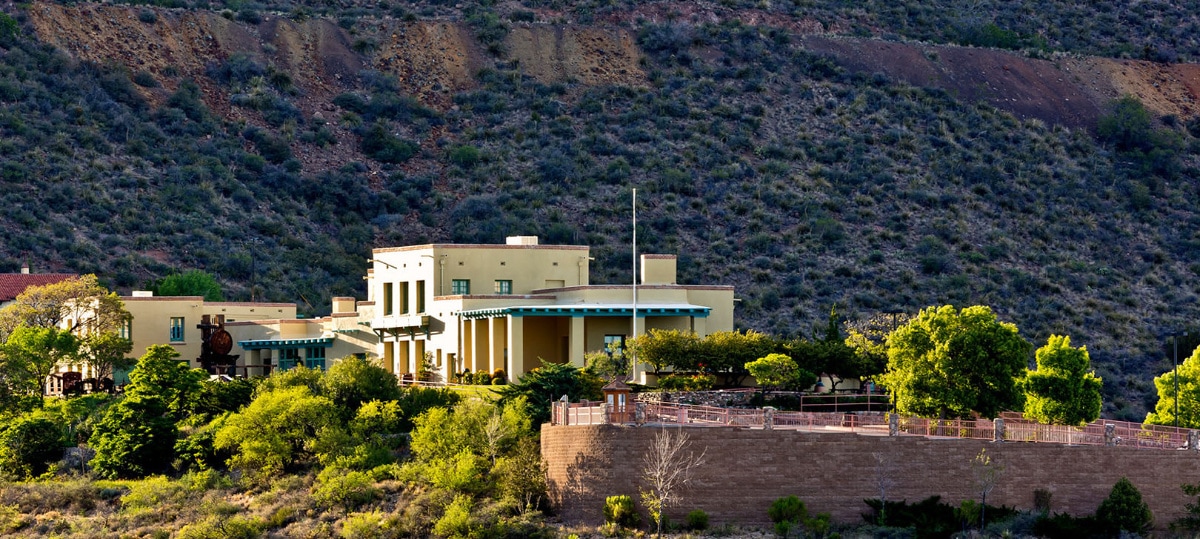
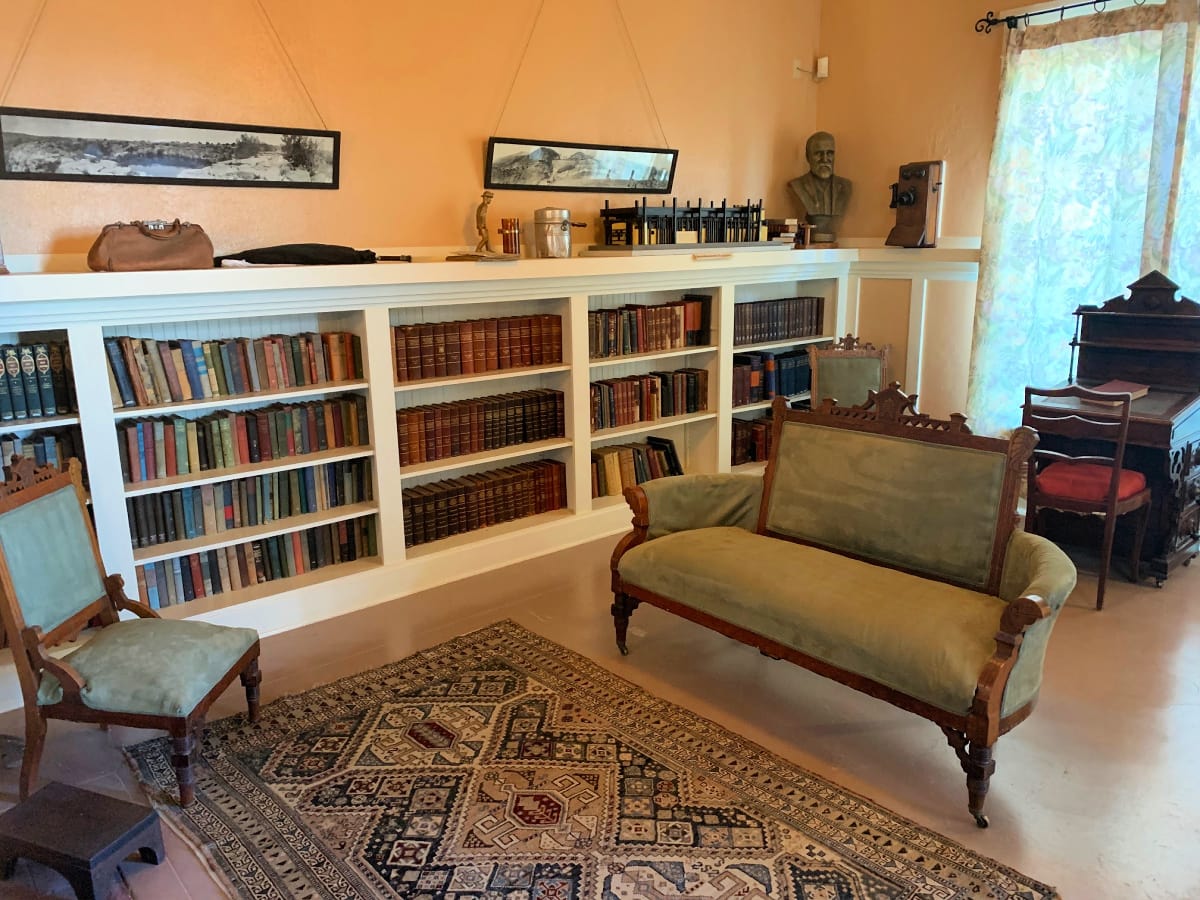
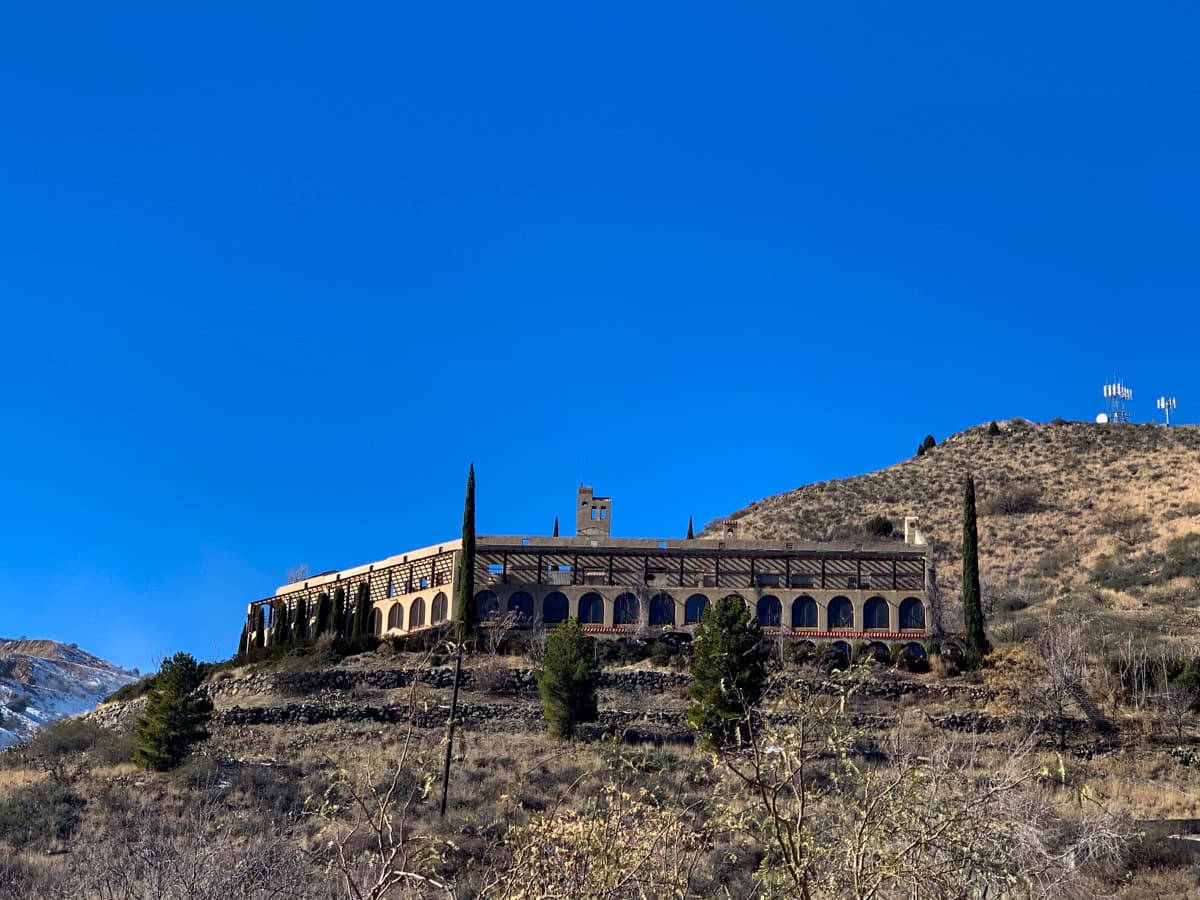
The preservation of Jerome’s history is anchored by several key institutions. The Jerome State Historic Park, situated in the former Douglas Mansion, serves as an educational hub. Constructed in 1916 by the Douglas family—who held significant stakes in the mining industry—the mansion provides a comprehensive look at the mineral extraction techniques and the social conditions of the early 1900s.

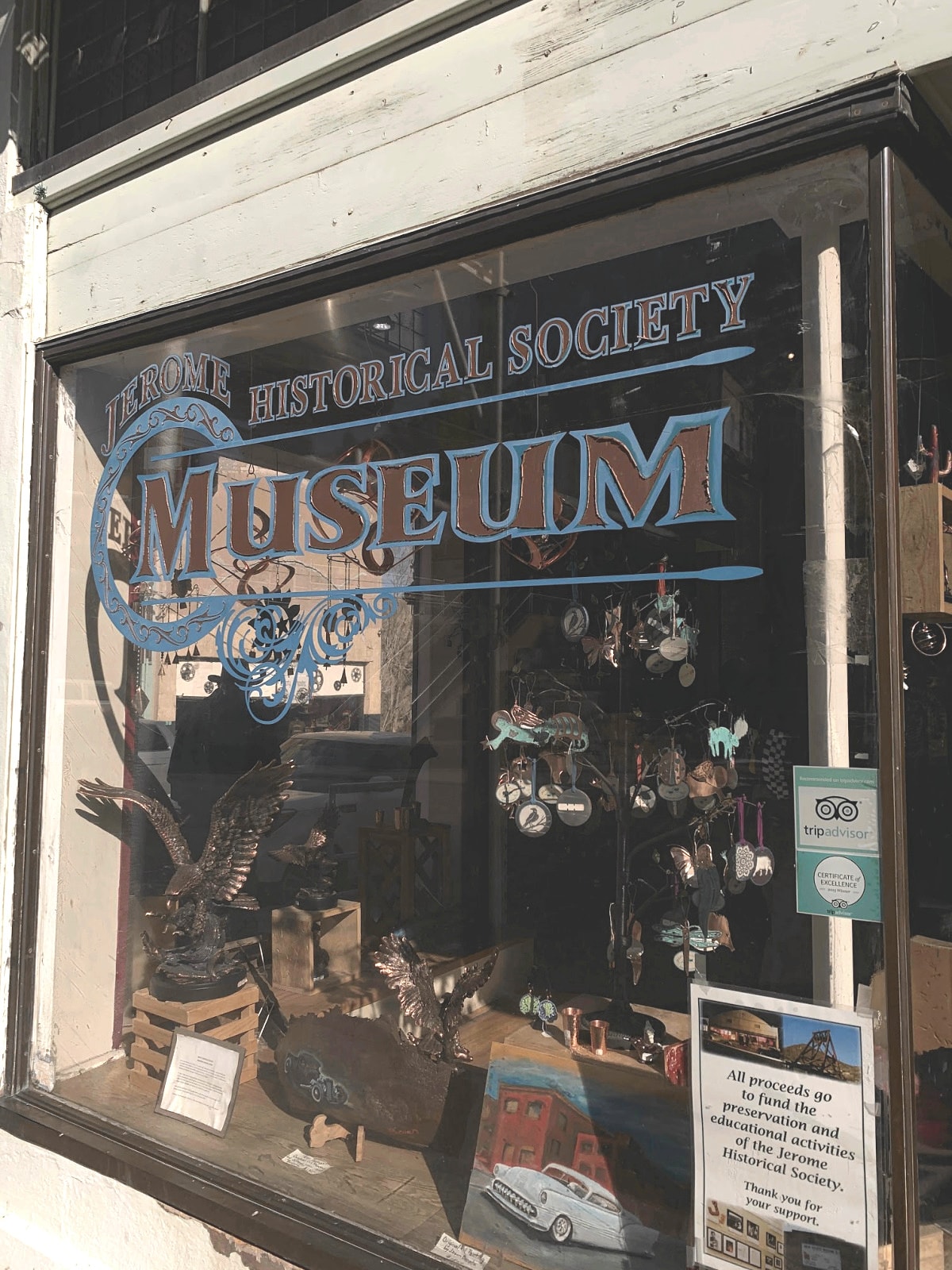
Furthermore, the Jerome Historical Society plays a vital role in documenting the town’s heritage. Through the management of the Mine Museum, the society maintains a repository of artifacts that detail the daily lives of miners, including the specialized tools used in the underground shafts and the records of the commercial businesses that once serviced the population.
Analysis of Contemporary Challenges
While the town has achieved a degree of stability, it faces contemporary challenges common to historic districts. These include the maintenance of aging infrastructure, the limitations of space for expansion, and the impact of seasonal tourism on local resources.

The reliance on tourism necessitates a delicate balance between welcoming visitors and maintaining the character of the community for its permanent residents. The town’s economy is sensitive to broader travel trends, with peak periods during the spring and fall. Local business associations, such as the Jerome Chamber of Commerce, actively manage the flow of visitors through events like the First Saturday Artwalk, which helps distribute the impact of tourism across the month rather than focusing it solely on weekends.

Furthermore, the rise of "ghost tourism"—the commercialization of the town’s history through tours and dramatic storytelling—has provided a secondary economic stream. While critics may argue that this risks oversimplifying the complex history of the mining era, supporters note that it engages younger audiences and ensures that the narrative of Jerome remains part of the popular discourse.
Broad Implications for American Mining Towns

Jerome’s survival offers a model for other "boom-and-bust" towns across the United States. While many similar settlements in the American West have vanished, Jerome’s ability to pivot toward historical and creative industries provides a blueprint for sustainable development. The success of this transition is attributed to a combination of federal recognition, local grassroots activism, and the unique geographical setting that acts as a natural barrier to sprawl.

The town serves as a poignant reminder of the ephemeral nature of industrial prosperity. The transition from a site of extraction to a site of reflection underscores the importance of public memory. By maintaining the physical remnants of the mining era, Jerome allows for an objective assessment of the industrial policies and human costs that defined the American West.

In conclusion, Jerome, Arizona, stands not merely as a relic of the past, but as a resilient entity that has successfully redefined its role in the 21st century. Through rigorous preservation, strategic economic planning, and the cultivation of a unique cultural identity, the town continues to offer valuable insights into the history of American industry and the potential for the revitalization of abandoned urban spaces. Whether viewed through the lens of history, geology, or economics, Jerome remains a significant focal point in the study of Arizona’s development and the enduring legacy of the American frontier.