The completion and opening of the Nichupté Bridge mark a pivotal shift in the infrastructure of the Mexican Caribbean, addressing long-standing logistical challenges in one of the world’s most frequented tourism corridors. By establishing a direct link between downtown Cancún and the renowned Hotel Zone, the project represents a significant departure from previous traffic patterns that relied almost exclusively on a single primary access point. This infrastructure milestone, which was formally highlighted during the EDGE 2026 conference in San Diego, is designed to reduce congestion for millions of annual visitors and residents alike.
The Geography of Congestion
Cancún’s urban layout has historically been defined by a bottleneck. The Hotel Zone, a narrow barrier island stretching along the Caribbean Sea, has long been connected to the mainland primarily by the Kukulcán Boulevard. As tourism numbers surged over the last two decades, this artery became increasingly prone to gridlock, particularly during peak travel seasons, major holidays, and inclement weather.
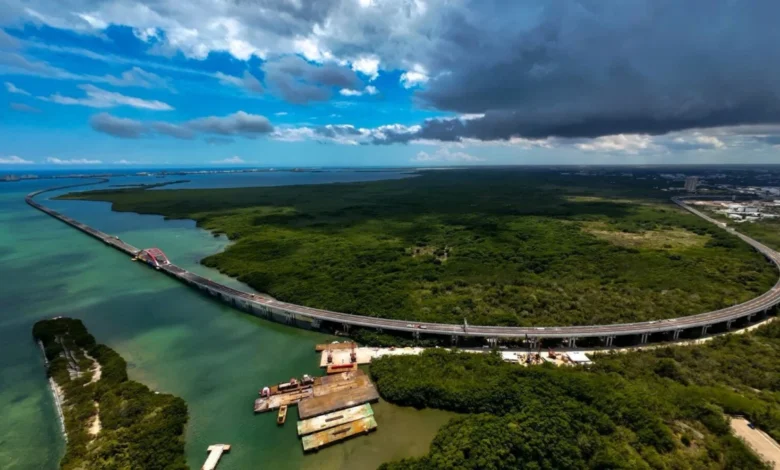
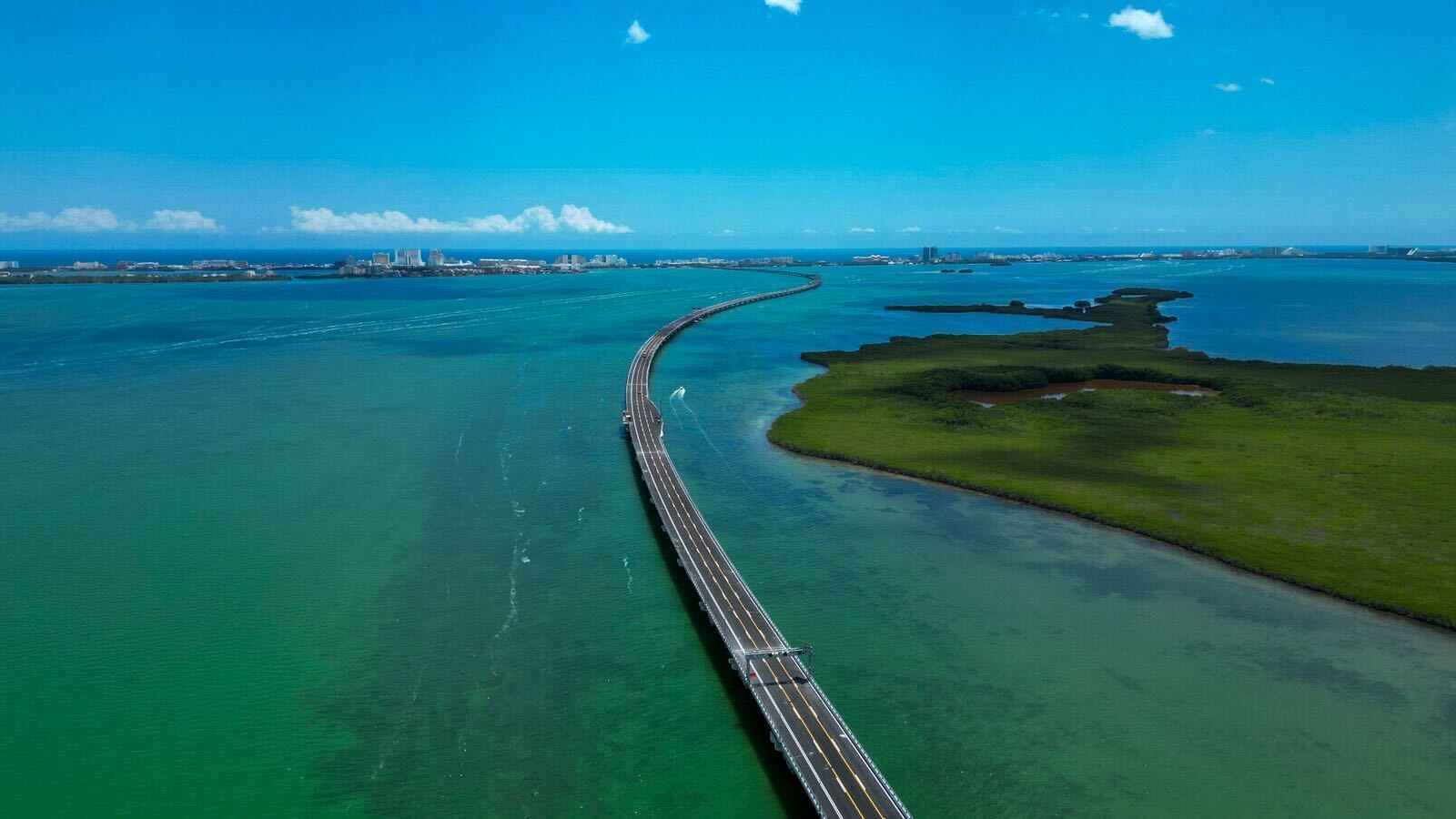
The Nichupté Bridge offers an alternative route, spanning the Nichupté Lagoon to connect the city’s mainland urban center directly to the resort district. This project is not merely an engineering feat but a strategic response to the physical constraints of the region. By diversifying access points, municipal and federal planners aim to stabilize traffic flow, improve emergency response times, and enhance the overall reliability of the regional transportation network.
Project Timeline and Development Milestones
The development of the Nichupté Bridge was a multi-year undertaking that required significant environmental oversight and complex structural planning. The timeline of the project reflects the growing ambition of the Mexican government to modernize the state of Quintana Roo.
- Early Conceptualization (2020–2021): Recognizing that the Kukulcán Boulevard was reaching its maximum capacity, regional authorities began feasibility studies for a bridge spanning the lagoon.
- Approval and Environmental Impact Assessments (2022): The project underwent rigorous scrutiny, given the delicate ecosystem of the Nichupté Lagoon, a protected area rich in mangroves and local wildlife.
- Commencement of Construction (2023): Work began on the pilings and structural foundations, involving high-grade materials designed to withstand the tropical climate and potential hurricane-force winds.
- Operational Integration (2026): Following rigorous safety testing and structural inspections, the bridge opened to the public, significantly shortening travel times for transit from the airport and downtown hubs.
Economic and Logistical Implications
The implications of this infrastructure upgrade extend far beyond the convenience of a shorter commute. For the tourism sector, which remains the lifeblood of the Mexican Caribbean, the ability to guarantee a more predictable arrival experience is a distinct competitive advantage.
Data from the Mexican Caribbean Tourism Board suggests that transportation efficiency is a primary driver of repeat visitation. When guests experience excessive delays—often referred to in the industry as "logistical friction"—their overall perception of a destination’s quality can decline. By reducing the time spent in transit, the Nichupté Bridge effectively expands the usable hours of a traveler’s stay, allowing for easier access to downtown cultural centers, local dining, and residential amenities that were previously difficult to reach from the resort strip.
Furthermore, the project supports the broader regional goal of decentralizing tourism. By making it easier to move between the mainland and the island, the city encourages travelers to explore beyond the confines of all-inclusive properties, potentially increasing revenue for small businesses and independent operators in downtown Cancún.
Official Perspectives and Regional Strategy
The importance of the bridge was underscored at the EDGE 2026 event in San Diego, where the Mexican Caribbean Tourism Board solidified plans for the 2027 edition of the summit to be hosted in the Cancún–Riviera Maya region. Andrés Martínez Reynoso, CEO of the Mexican Caribbean Tourism Board, has described the bridge as a "transformational project" that aligns with the evolution of global travel demands.
"The modernization of our infrastructure is a direct reflection of our commitment to the modern traveler," said representatives familiar with the project. "We are moving into an era where destination management must prioritize the experience between destinations, not just the arrival itself."
This sentiment is echoed by local planners who view the bridge as part of a "master plan" for Quintana Roo. Other initiatives in the region, including the expansion of the Cancún International Airport and the integration of regional rail links, suggest a comprehensive strategy to manage the region’s growth while maintaining its status as a premier global destination.
Fact-Based Analysis: Beyond the Infrastructure
While the primary benefit of the Nichupté Bridge is the mitigation of traffic, its secondary effects are equally noteworthy. In recent years, the Mexican Caribbean has seen a shift in demographic trends. Digital nomads and long-term expatriates have begun to settle in the region in higher numbers, necessitating a more robust urban infrastructure that functions like a major metropolitan city rather than a seasonal vacation outpost.
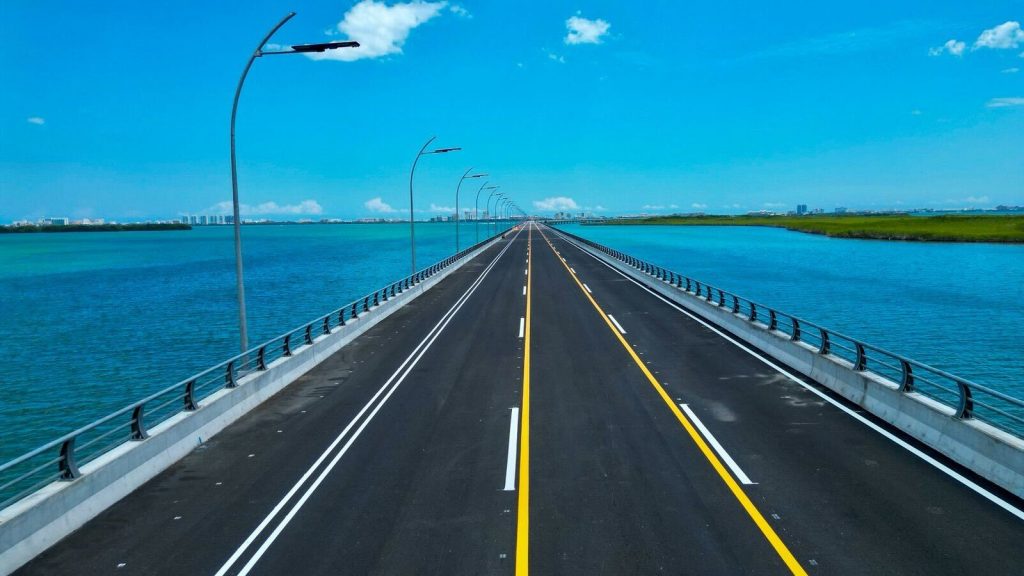
The bridge facilitates this shift by integrating the lifestyle of the mainland with the luxury of the coast. For the local workforce, which commutes daily from the mainland to the hotels, the bridge represents a substantial improvement in quality of life, reducing daily commute times and stress levels.
From an engineering perspective, the bridge utilizes advanced seismic and structural engineering, ensuring that it meets international safety standards. The choice to bridge the lagoon, rather than further widening existing coastal roads, was a tactical decision aimed at minimizing the disruption of existing coastal businesses while simultaneously providing a high-capacity thoroughfare.
Future Outlook for the Region
As the Mexican Caribbean prepares to host the EDGE 2027 conference, the focus will likely shift to how these infrastructure gains can be leveraged for sustainable growth. The success of the Nichupté Bridge will serve as a case study for other high-growth tourist destinations in Latin America.
The broader implications are clear: the region is no longer content to rest on its natural beauty alone. By investing in the "rhythm of travel"—the technical, logistical, and physical systems that support the tourism experience—the authorities are positioning the Mexican Caribbean to remain at the forefront of the global travel market for decades to come.
For the average visitor, the takeaway is simple. The next time a traveler arrives at Cancún International Airport, the journey to the hotel will no longer be a test of patience. The addition of the Nichupté Bridge confirms that the destination is not only keeping pace with its own rapid expansion but is actively sculpting a more efficient, accessible, and sophisticated environment for the millions of people who visit each year. This focus on the "logistics of luxury" ensures that the Mexican Caribbean remains a top-tier destination that values the time and comfort of its guests above all else.