Kodak Ektar 100 Brings Fine Grain and Vivid Color Saturation to the Modern Analog Landscape

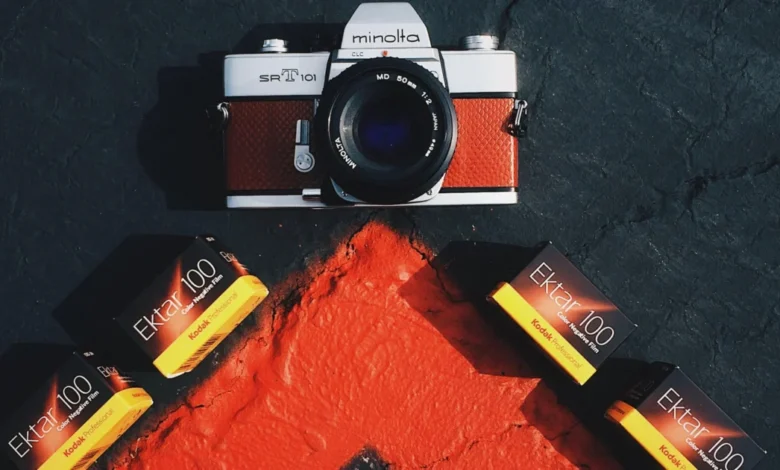
The resurgence of analog photography has seen a distinct shift in how practitioners approach color science, with Kodak Ektar 100 establishing itself as a cornerstone of the medium. Renowned for its exceptionally fine grain structure and high color saturation, Ektar 100 occupies a unique position in the professional film market, serving as a high-contrast alternative to the more neutral, portrait-oriented Portra series. As photographers increasingly seek the aesthetic benefits of medium and large-format capture, the technical specifications and historical legacy of the Ektar line provide critical insight into its enduring utility.
A Legacy of Optical and Chemical Excellence
The moniker "Ektar" holds a storied place in the history of the Eastman Kodak Company, dating back to the 1930s. Initially, the name was not applied to light-sensitive film stock but rather to a prestigious line of high-performance photographic lenses. Derived from the portmanteau of "Eastman Kodak" and the famous "Tessar" lens design, the Ektar brand served as a hallmark of optical precision. These lenses were standard equipment on everything from the consumer-grade Bantam cameras to sophisticated professional-grade large-format rigs, signaling the pinnacle of American-made optical technology until the 1960s.
The transition of the name to film products began in 1989, when Kodak launched a series of Ektar-branded professional films. This early iteration gained a cult following for its distinct color profile, though the product line was eventually discontinued in 1997 as the market shifted toward other professional emulsions. The brand remained dormant for over a decade until its triumphant return in September 2008, when Kodak introduced the current Ektar 100. This release was strategically timed to address the evolving needs of film photographers following the broader industry contraction that saw the decline of traditional slide films like Kodachrome.

Technical Specifications and Performance Metrics
Kodak Ektar 100 is a color negative film characterized by its ISO 100 sensitivity, which inherently lends itself to high-resolution, low-grain captures. In the context of modern film scanning—particularly drum scanning or high-end camera scanning—the film’s fine grain is often cited as a standout feature. The emulsion technology utilized in Ektar 100 leverages T-Grain (tabular grain) structures, a proprietary advancement that allows for high light sensitivity while maintaining a significantly smaller physical grain profile compared to traditional cubic-grain films.

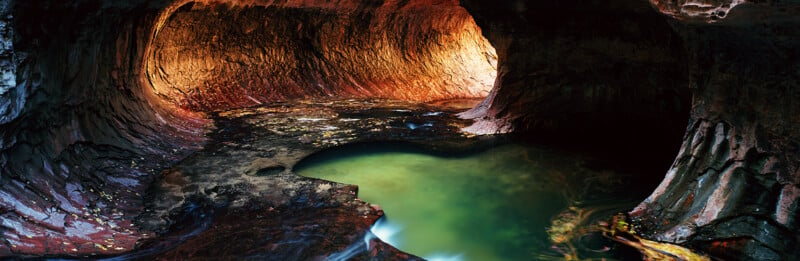
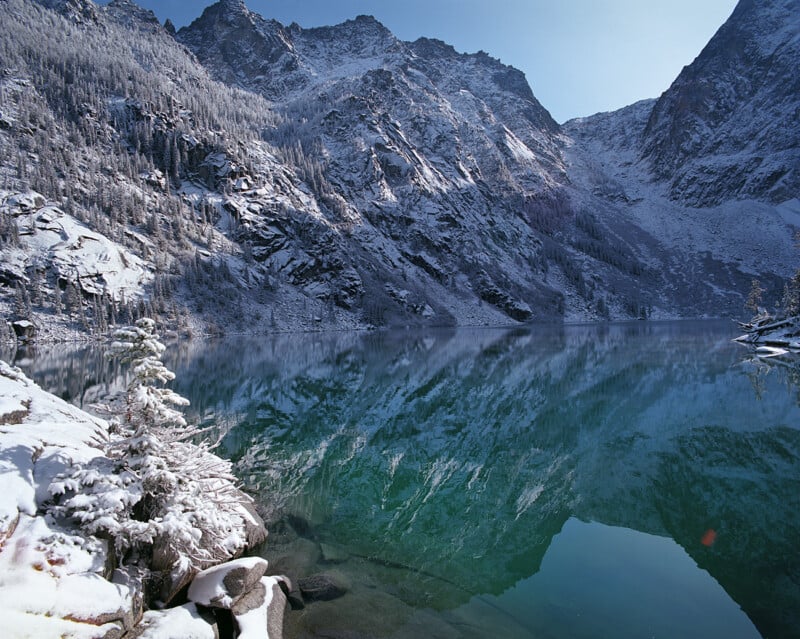
The film is particularly noted for its performance in landscape photography. Its color palette is designed for high saturation and "poppy" contrast, which allows for the rendering of deep blues, vibrant greens, and punchy reds. This makes it a primary competitor to traditional color reversal (slide) films like Fujifilm’s Velvia 50. For photographers looking to move away from the delicate, sometimes unpredictable nature of slide film, Ektar 100 provides a more forgiving exposure latitude while maintaining the vibrant output required for large-format printing and gallery-quality displays.

Navigating Reciprocity Failure
For long-exposure photographers, understanding the reciprocity characteristics of film is vital. Reciprocity failure occurs when the film’s response to light is no longer proportional to the intensity of the light source during long exposures. Kodak’s technical documentation for Ektar 100 suggests that no compensation is required for exposures up to 1 second. However, as the shutter duration extends, photographers must implement specific adjustments to prevent underexposure and color shifts.

For exposures between 1 and 10 seconds, minimal adjustments are required. Once the exposure time approaches 30 seconds, it is standard practice to provide at least one full stop of additional light. This nuance makes Ektar 100 a preferred choice for pinhole photography and architectural long-exposure work, where the slow ISO speed naturally forces the photographer into long-duration exposures, allowing for the artistic blurring of water, clouds, or city traffic.

Strategic Market Positioning
The continued availability of Ektar 100 is significant in an era where the supply chain for specialized analog products remains fragile. While the market has seen the emergence of various rebranded emulsions and limited-run color films, Ektar 100 remains one of the few high-speed, consistent-supply, slow-ISO color films available in 135 (35mm), 120 (medium format), and large-format sheet sizes (4×5 and 8×10).

This versatility ensures its place in the workflow of both commercial landscape photographers and dedicated hobbyists. Unlike Portra 160 or 400, which are engineered with a focus on skin-tone neutrality, Ektar 100’s aggressive color science can sometimes present challenges in portraiture. The film’s tendency toward high saturation can result in ruddiness if not carefully controlled, though it excels when the goal is to emphasize high-contrast environmental elements, such as bright clothing or vibrant natural backdrops.

Implications for Modern Analog Photography
The survival and success of Ektar 100 highlight a broader trend in the photographic industry: the prioritization of high-quality, high-resolution analog assets. As digital sensors push the boundaries of megapixels, the ability of film—specifically 120 and large-format Ektar—to produce images with no visible grain even at high magnification keeps it relevant in a professional context.

The ongoing demand for this specific emulsion has prompted retailers, such as Portland-based Blue Moon Camera and Machine, to maintain robust inventories and provide specialized education for users. As the industry moves further into the mid-2020s, the reliance on stable, time-tested film stocks becomes increasingly important. Ektar 100 is not merely a nostalgia-driven product; it is a precision tool that provides a specific aesthetic output that remains difficult to replicate through digital post-processing alone.
Conclusion and Future Outlook
For the contemporary photographer, Ektar 100 serves as a bridge between the historical rigor of the 20th-century film industry and the modern requirements for high-resolution imaging. Whether used in a vintage Hasselblad for medium-format landscape work or a modern pinhole camera to capture long-exposure cityscapes, its performance remains consistent. As autumn seasons approach, the film’s ability to render warm, saturated hues makes it an essential component of the photographer’s toolkit. By providing both the technical stability required for long exposures and the aesthetic punch needed for high-impact photography, Kodak Ektar 100 continues to secure its status as a vital medium in the digital age.