Exploring New Zealand’s Golden Bay: Isolation, Eco-Tourism, and the Challenge of Sustainable Travel

The northernmost tip of New Zealand’s South Island houses a region that routinely challenges travelers’ assumptions about modern comfort, isolation, and environmental preservation: Golden Bay. Stretching from the upper boundary of Abel Tasman National Park to the 26-kilometer expanse of Farewell Spit, this remote crescent-shaped geographic feature remains somewhat detached from the main tourist arteries of the country. Reaching the area requires deliberate intent, as it sits off the primary transit routes, buffered by rugged topography and historical infrastructure challenges.
Chronology of the Journey and Regional Logistics
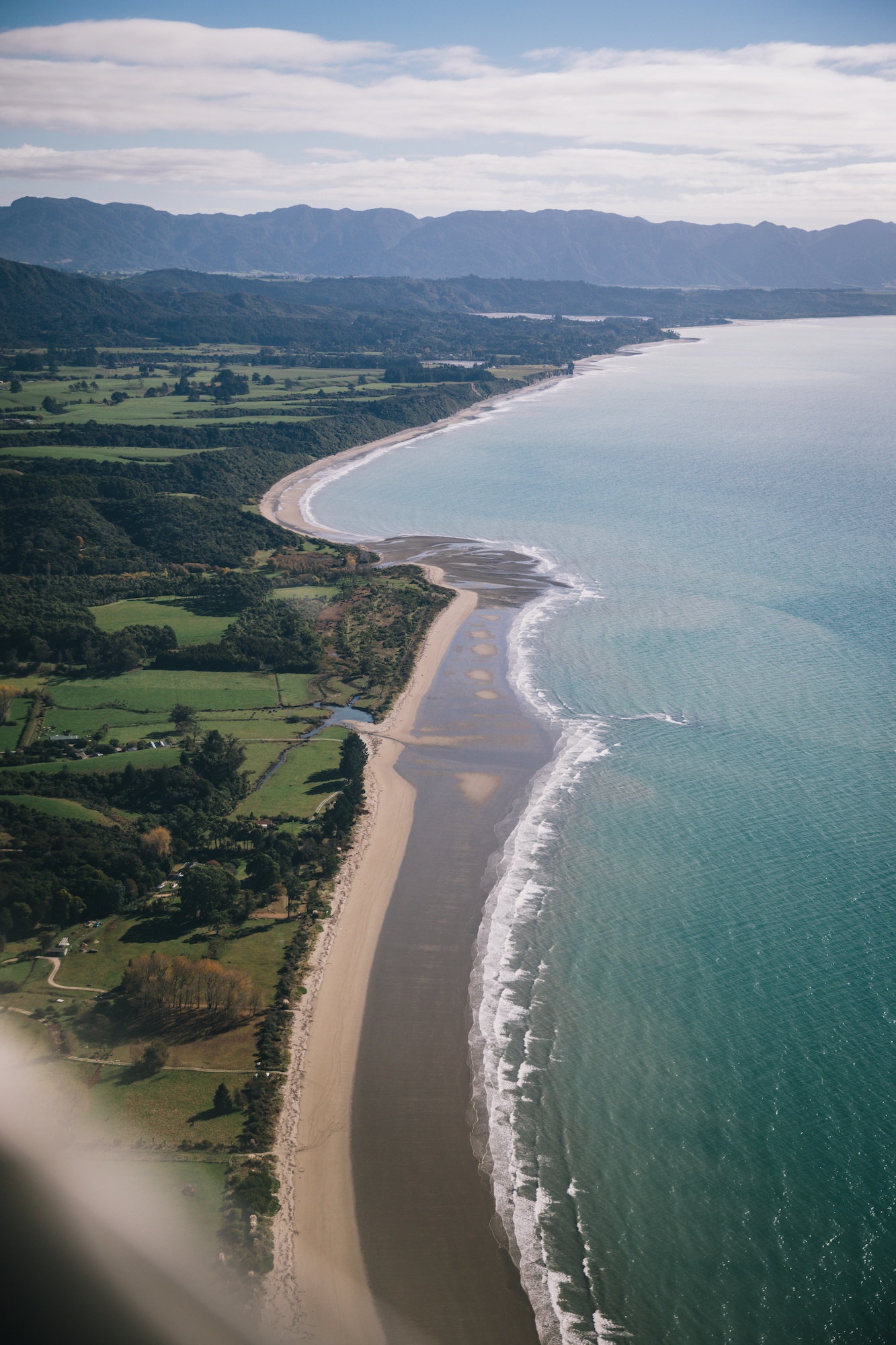
The journey to Golden Bay frequently begins following the completion of regional multi-day hikes, such as the Heaphy Track, which spans from Karamea to the northwest corner of the Nelson-Tasman region. Travelers utilizing regional carriers, such as Golden Bay Air, frequently coordinate logistically complex flight and shuttle packages to bridge the massive distances between South Island hubs. For instance, traveling by road from Wānaka to Takaka involves hundreds of kilometers and substantial fuel expenditures, making regional air links and local vehicle rentals a practical alternative.
Upon arrival at the regional air facility—essentially a localized operational office serving small aircraft—visitors transition to independent transport. The route to Takaka requires navigating Takaka Hill, a mountain pass characterized by steep elevation changes, sharp turns, and historical infrastructural vulnerabilities. Years of weather-induced damage have periodically reduced sections of the highway to single-lane corridors regulated by traffic signals, prompting local commentary on bureaucratic timelines. Despite these navigational hurdles, the hill serves as the sole arterial road connecting Motueka and the coast to the isolated inner communities of the bay.

Geographical Context and Environmental Significance
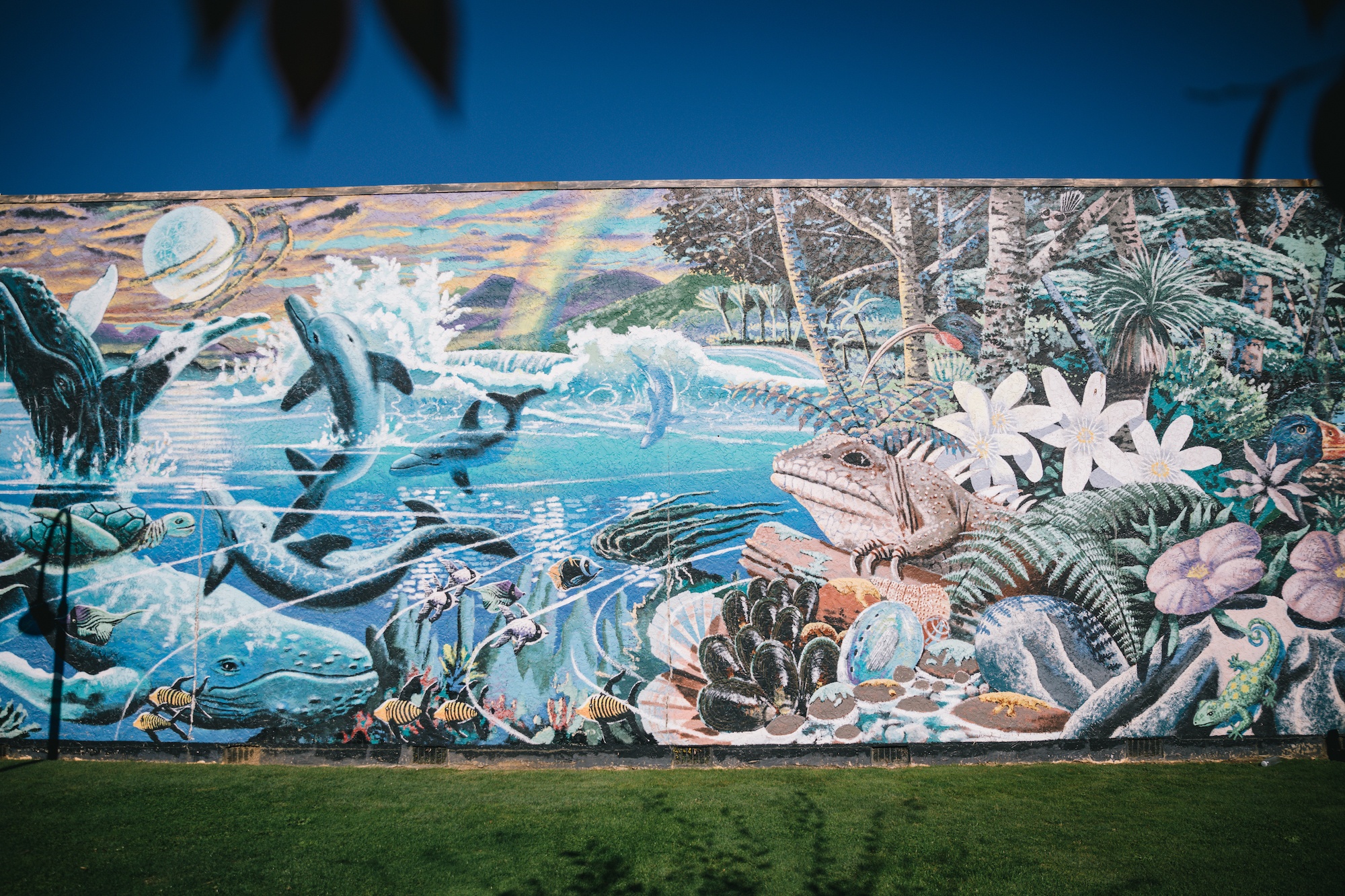
Golden Bay is historically recognized not only for its microclimate—boasting some of the highest sunshine hours in New Zealand—but also for its complex ecological dynamics. The area encompasses significant geographical landmarks, including Te Waikoropupū Springs, the largest cold-water springs in the Southern Hemisphere, known for having some of the clearest freshwater visibility recorded globally, reaching up to 81 meters. Because of its cultural significance to local Māori, the springs are classified as a taonga (treasure), strictly prohibiting physical contact or swimming to preserve their pristine state.

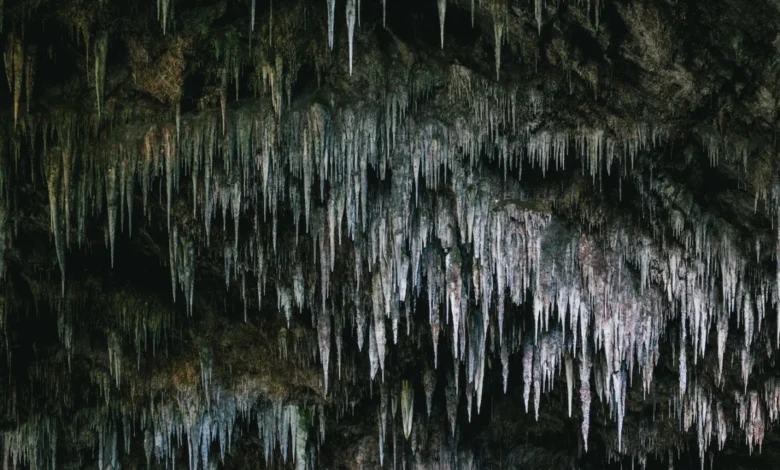
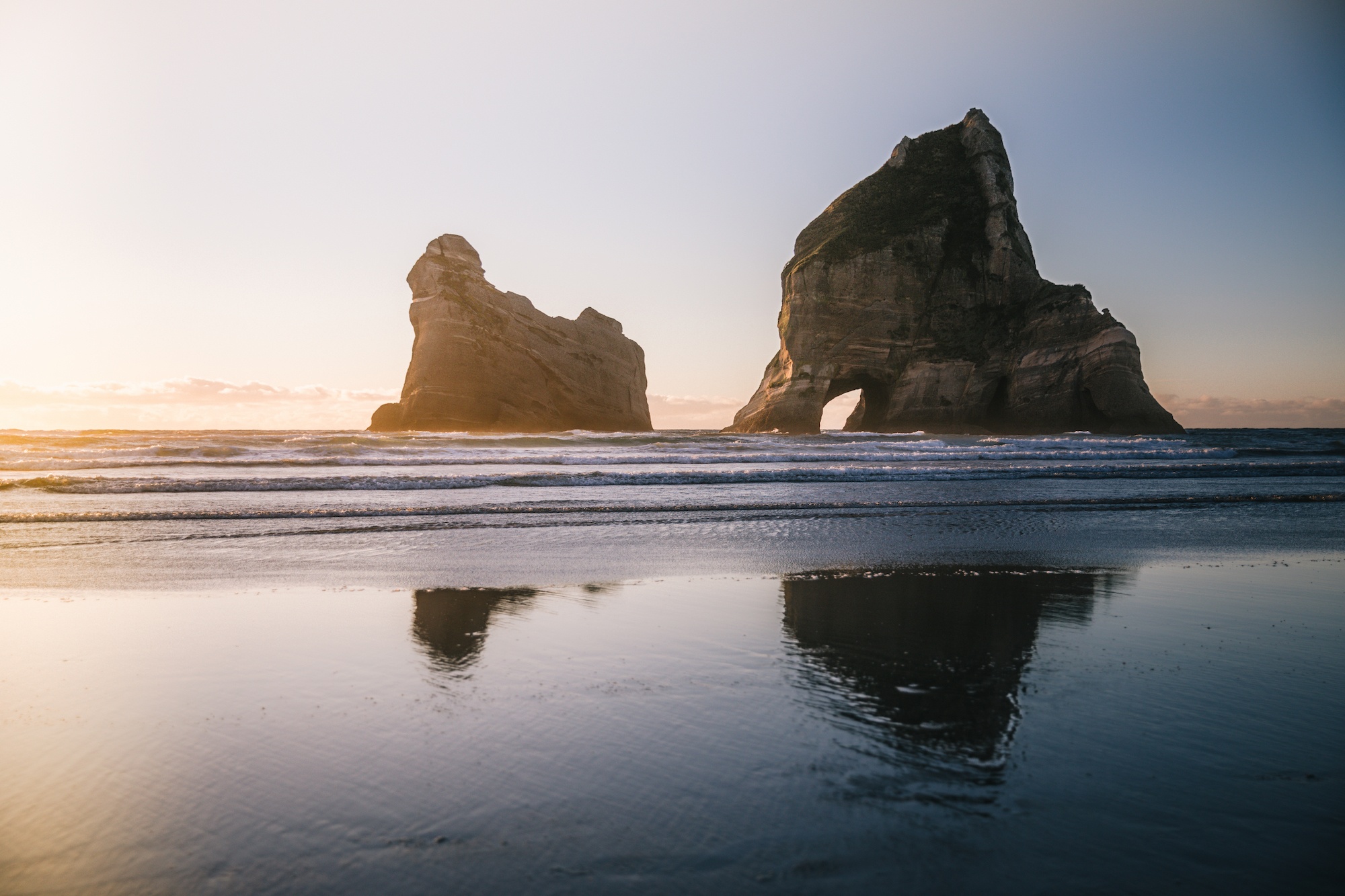
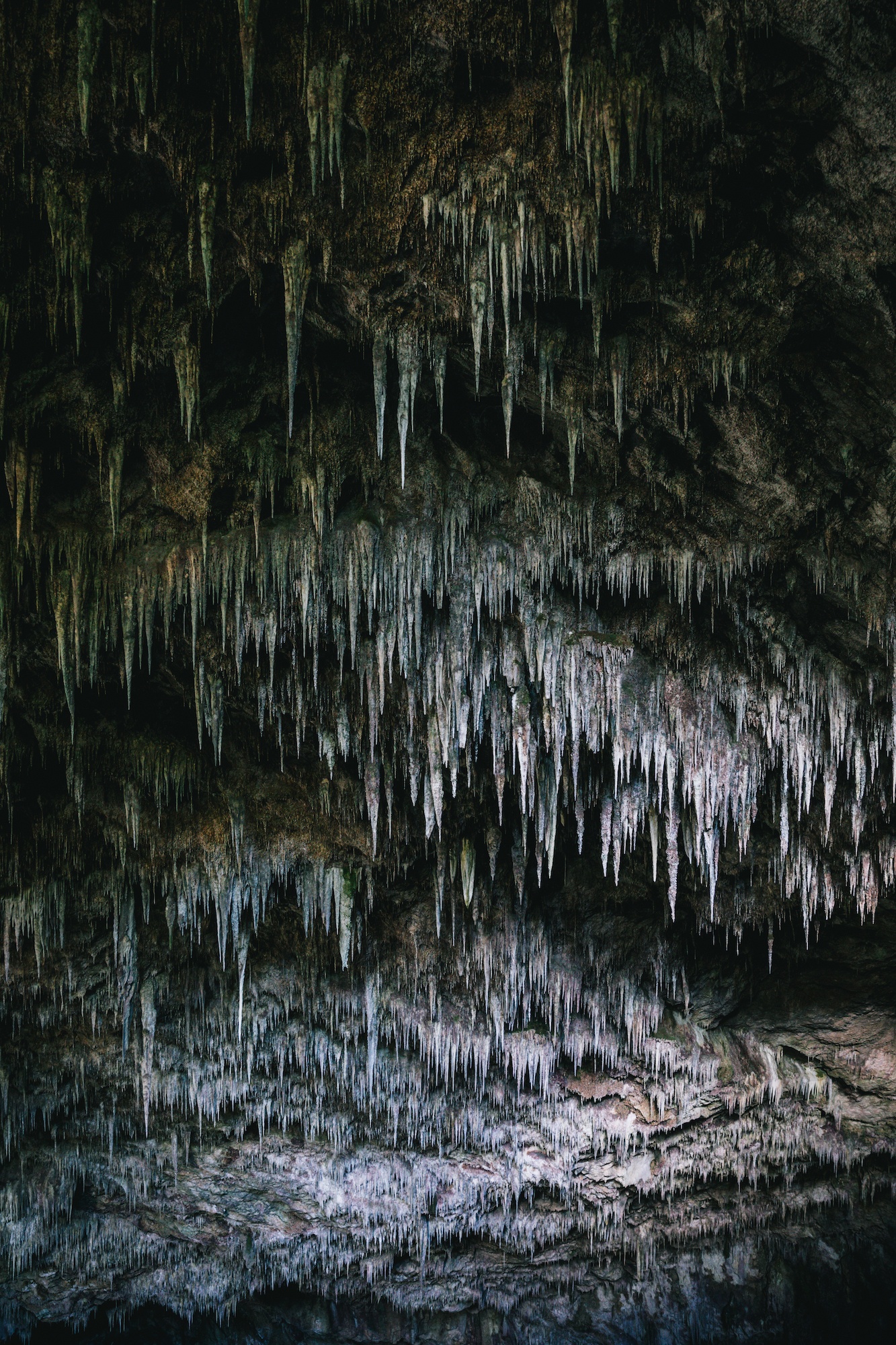
Further west, the region transitions into cave networks associated with Kahurangi National Park, as well as the coastal expanse of Wharariki Beach. The latter features dramatic sea stacks, extensive sand dunes, and resident New Zealand fur seal colonies inhabiting local tide pools.

Wildlife Conservation and Marine Stranding History
Beyond its scenic attributes, Golden Bay and the adjacent Farewell Spit have a documented history concerning marine mammal strandings, predominantly involving pilot whales. The geological composition of the spit—characterized by extensive shallow tidal flows and gently sloping sandbanks adjacent to deep oceanic waters—creates conditions that frequently confound marine navigation.

Historically, mass stranding events have required coordinated interventions by conservation groups such as Project Jonah and the Department of Conservation (DOC). A notable incident occurred approximately seven years prior, involving a mass stranding of over 400 pilot whales. These recurring events have significantly shaped regional conservation frameworks, prompting increased local and national focus on marine mammal research, stranding response protocols, and coastal monitoring infrastructure.
Socio-Economic Profile and Sustainable Tourism
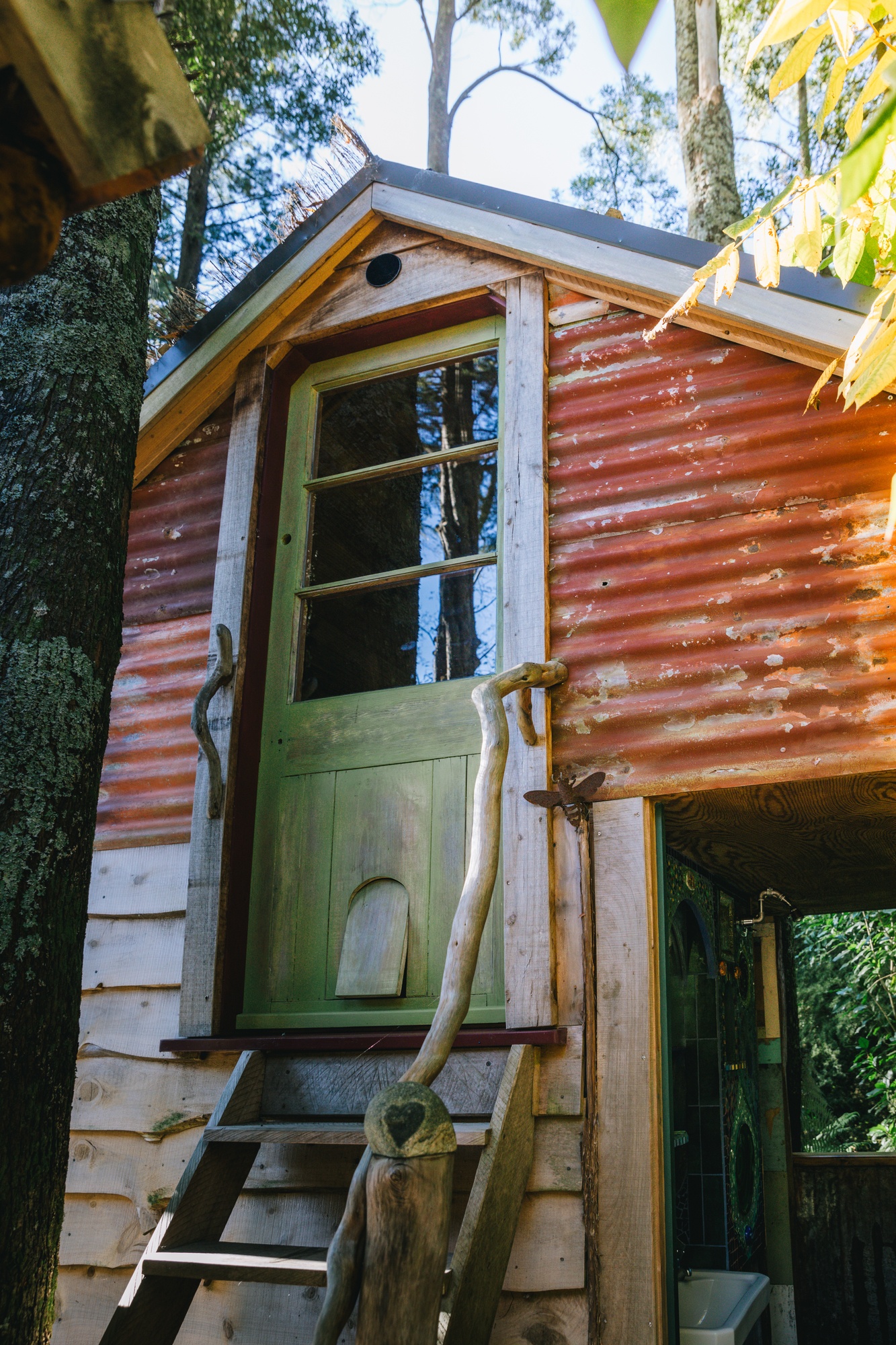
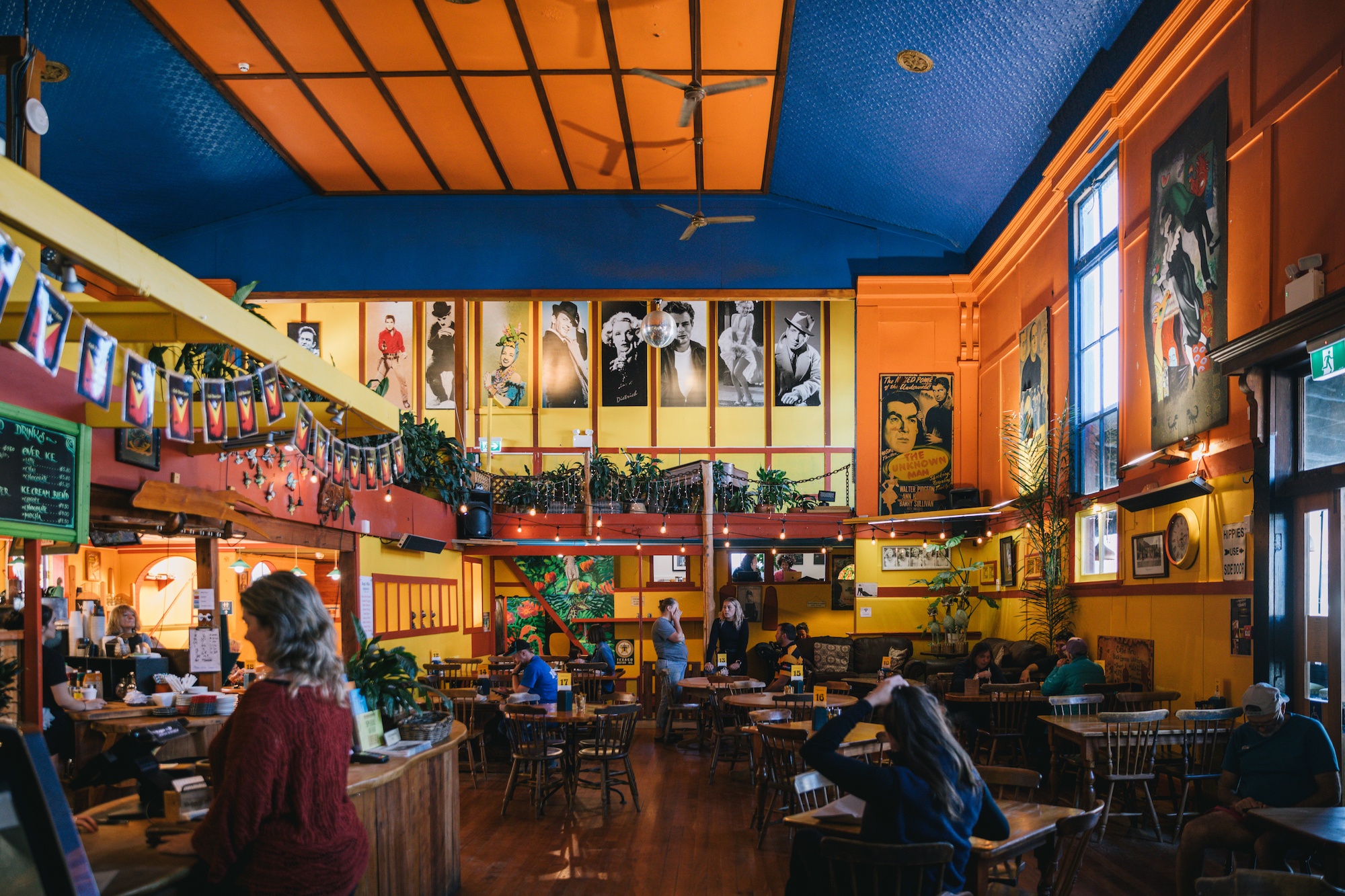
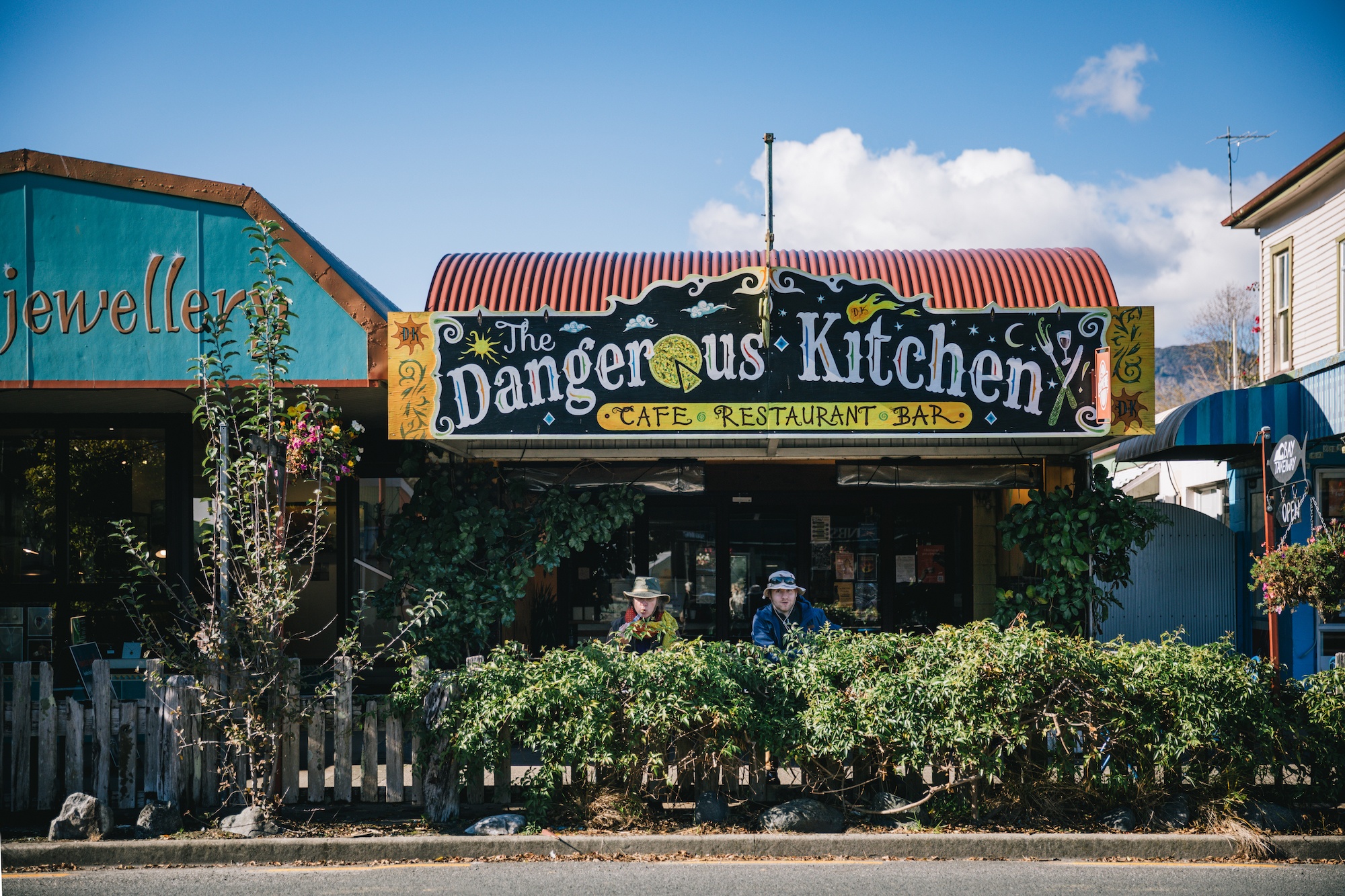
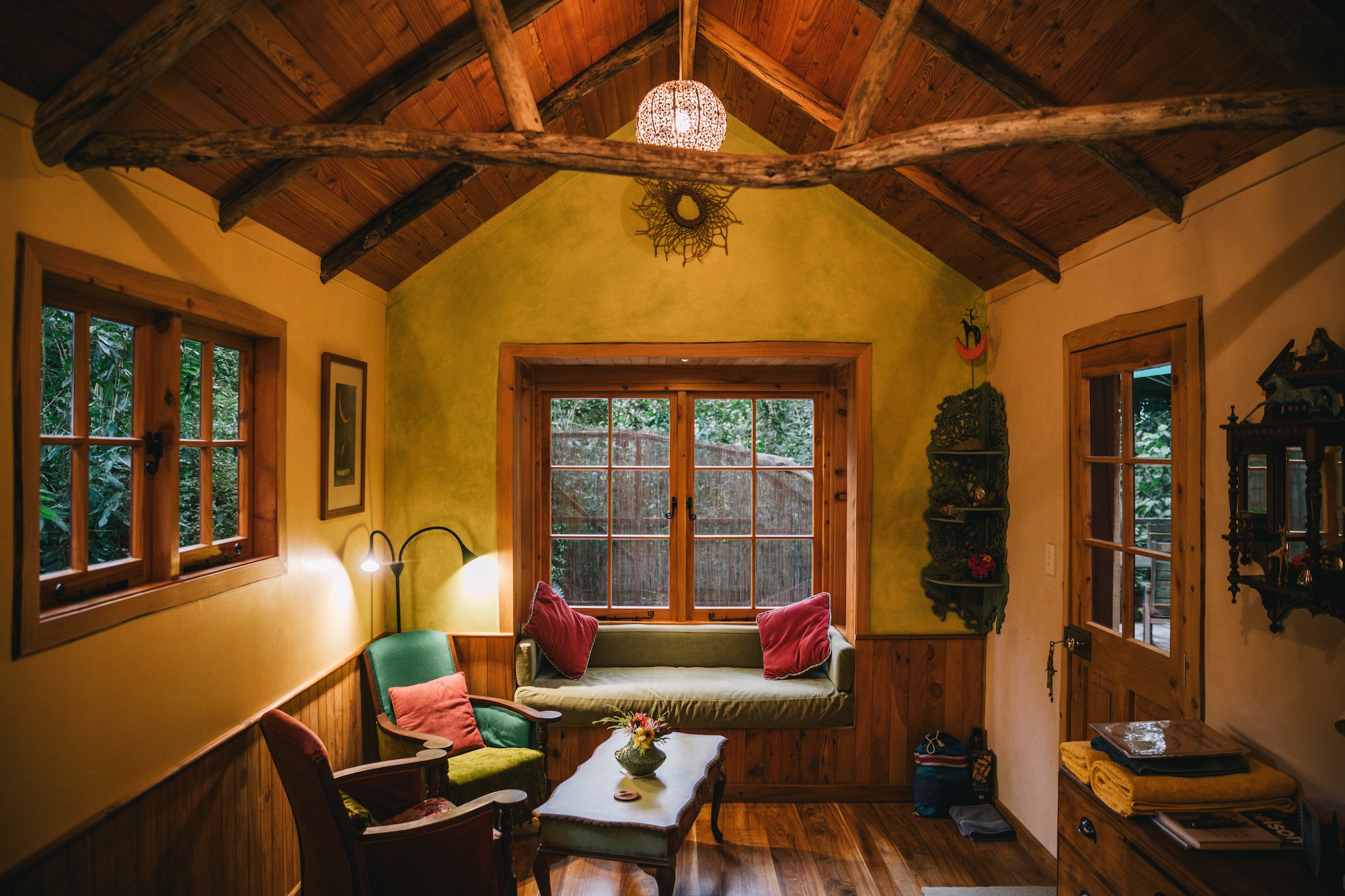
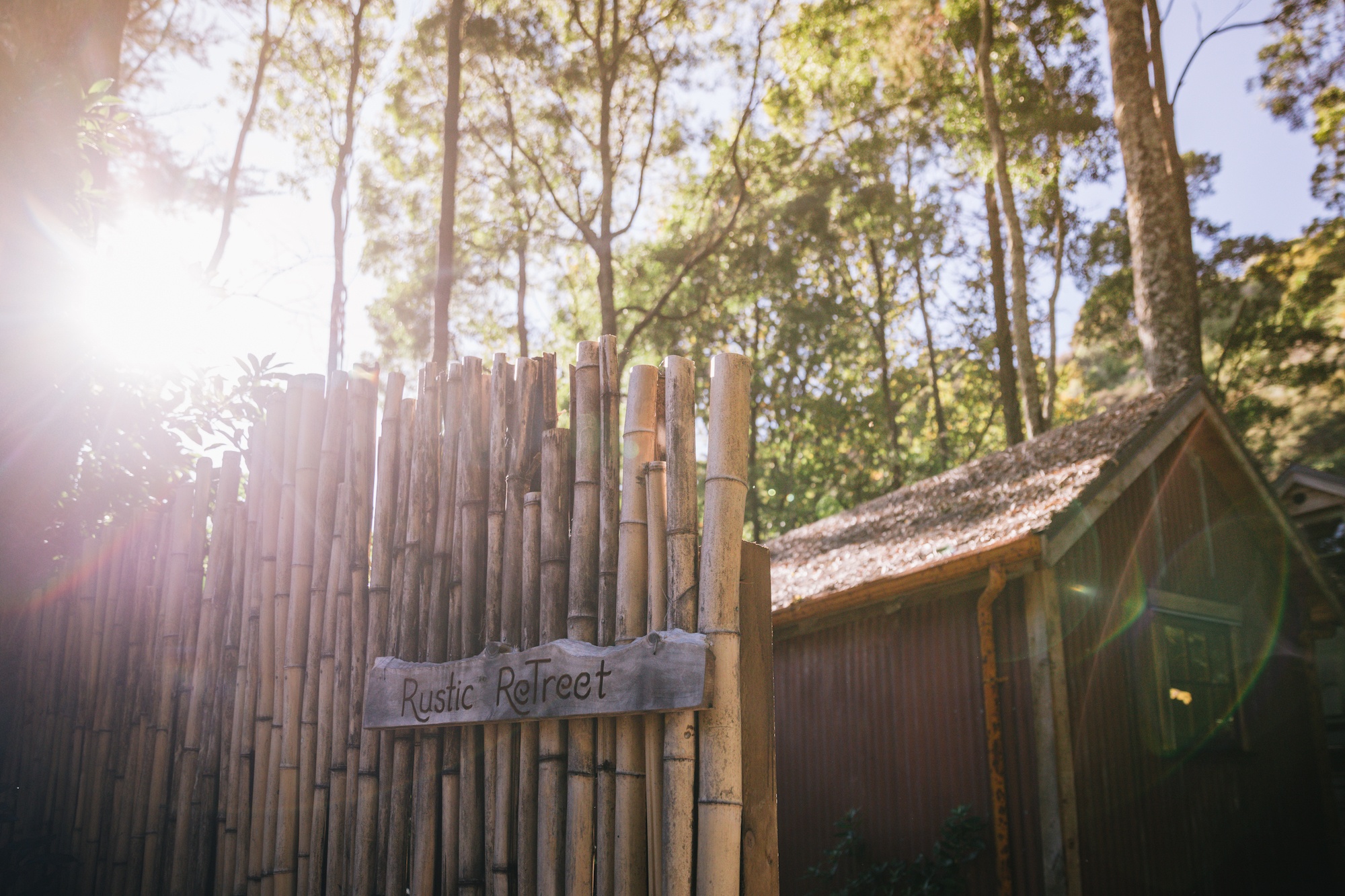
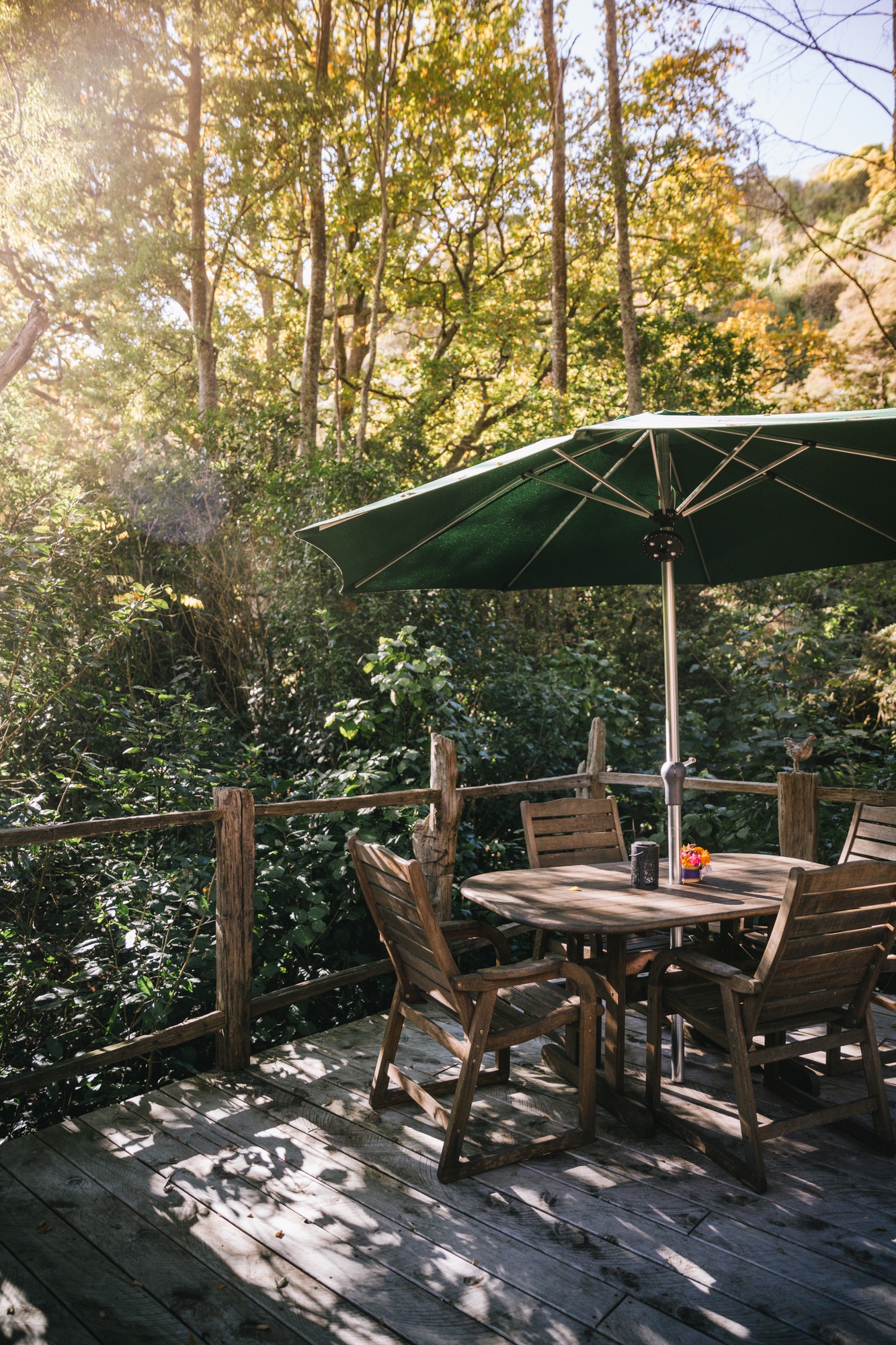
The local economy of Golden Bay relies heavily on independent agriculture, horticulture, and specialized eco-tourism. The region is distinguished by a prevalence of small-scale growers, roadside honesty-box fruit stalls, and off-grid accommodations, such as rustic glamping and timber-framed retreats constructed from locally milled materials.

Industry analysts note that regions like Golden Bay represent a growing sector in New Zealand’s domestic tourism market: slow travel and localized immersion. By maintaining a distance from major commercial centers, communities in Takaka and surrounding settlements have preserved a distinct socio-cultural identity reminiscent of late-20th-century rural New Zealand.
Broader Implications and Regional Connectivity
The logistical realities of accessing Golden Bay highlight broader infrastructure challenges facing New Zealand’s South Island. Mountain passes such as Takaka Hill and the Crown Range road between Wānaka and Queenstown experience significant strain from mixed traffic, comprising heavy commercial vehicles, resident commuters, and international tourists operating campervans. The absence of comprehensive passing lanes frequently results in traffic queuing and heightened transit times.
Despite these infrastructural limitations, regional initiatives—such as integrated fly-drive programs offered by boutique airlines—demonstrate viable models for mitigating transit fatigue and reducing vehicular wear on remote alpine roads. As domestic and international travel patterns continue to evolve, Golden Bay remains a case study in balancing infrastructural accessibility with the preservation of ecological integrity and isolated community charm.