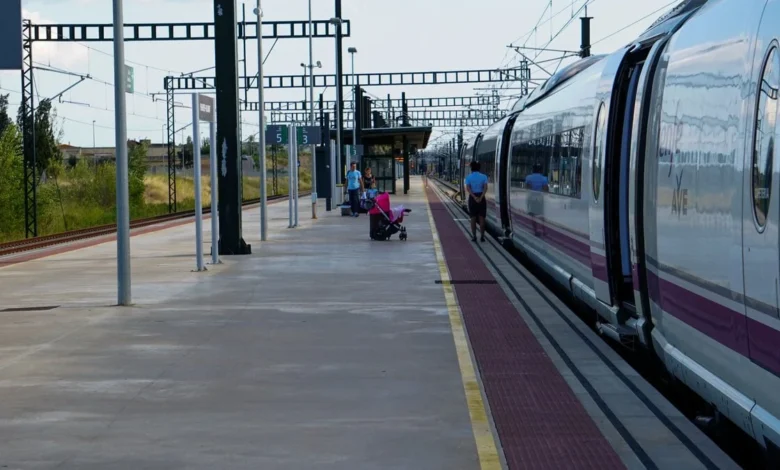
Barcelona Sants serves as the primary gateway for travelers looking to venture beyond the Catalan capital, connecting the metropolis to a diverse array of historical, cultural, and natural landmarks without the necessity of a rental vehicle. The efficiency of the regional rail network—comprising both Rodalies de Catalunya and long-distance high-speed services—allows for seamless transit to destinations within an hour or two of the city center. By leveraging these rail corridors, visitors can access the Roman ruins of the Tarraco province, the rugged mountain topography of Montserrat, the medieval architecture of Girona, and the preserved coastal heritage of the Costa Daurada.
The Infrastructure of Catalan Rail Travel
The accessibility of these locations is underpinned by a robust transport strategy designed to reduce road congestion and promote sustainable regional tourism. Data from the Generalitat de Catalunya indicates that rail travel remains the most carbon-efficient method of exploring the hinterlands surrounding Barcelona. For most of these excursions, the Rodalies network operates frequent, high-frequency services from Barcelona Sants, Plaça de Catalunya, or Passeig de Gràcia.
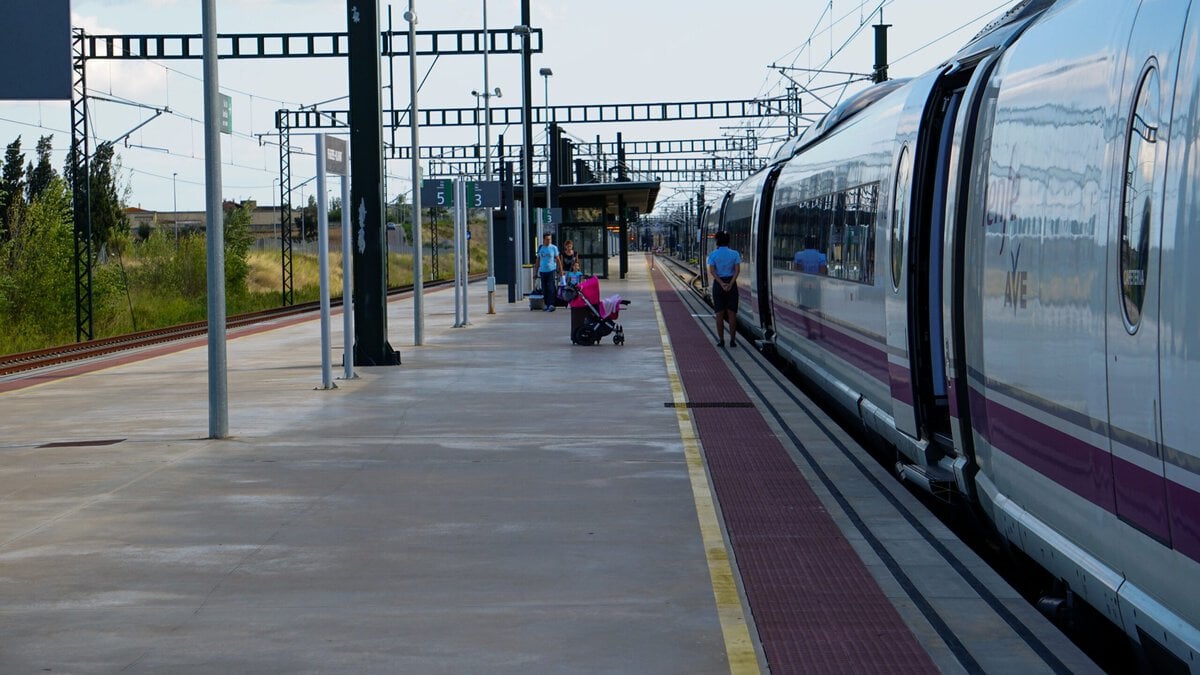
For the average commuter or tourist, the system is designed for spontaneity; most regional tickets do not require advance booking, allowing for flexibility in itinerary planning. However, the integration of high-speed AVE or Avant trains for longer distances, such as to Girona, demonstrates how infrastructure investment has halved travel times over the last decade. This connectivity has effectively transformed these historically distinct towns into satellites of the Barcelona tourism economy, fueling local growth while preserving the unique identity of each site.
1. Tarragona: The Living Roman Museum
Located approximately 100 kilometers south of Barcelona, Tarragona represents one of the most significant archaeological sites in the Iberian Peninsula. Originally known as Tarraco, it served as the capital of the Roman province of Hispania Citerior.
The site’s historical importance is recognized by UNESCO, which designated the Archaeological Ensemble of Tarraco as a World Heritage site in 2000. The centerpiece remains the 2nd-century AD amphitheater, situated directly on the Mediterranean coastline. Historians note that the arena’s survival is largely due to the layered history of the site; after the fall of the Roman Empire, the structure was repurposed for a Visigothic basilica and later a medieval church, illustrating the complex succession of Mediterranean civilizations.
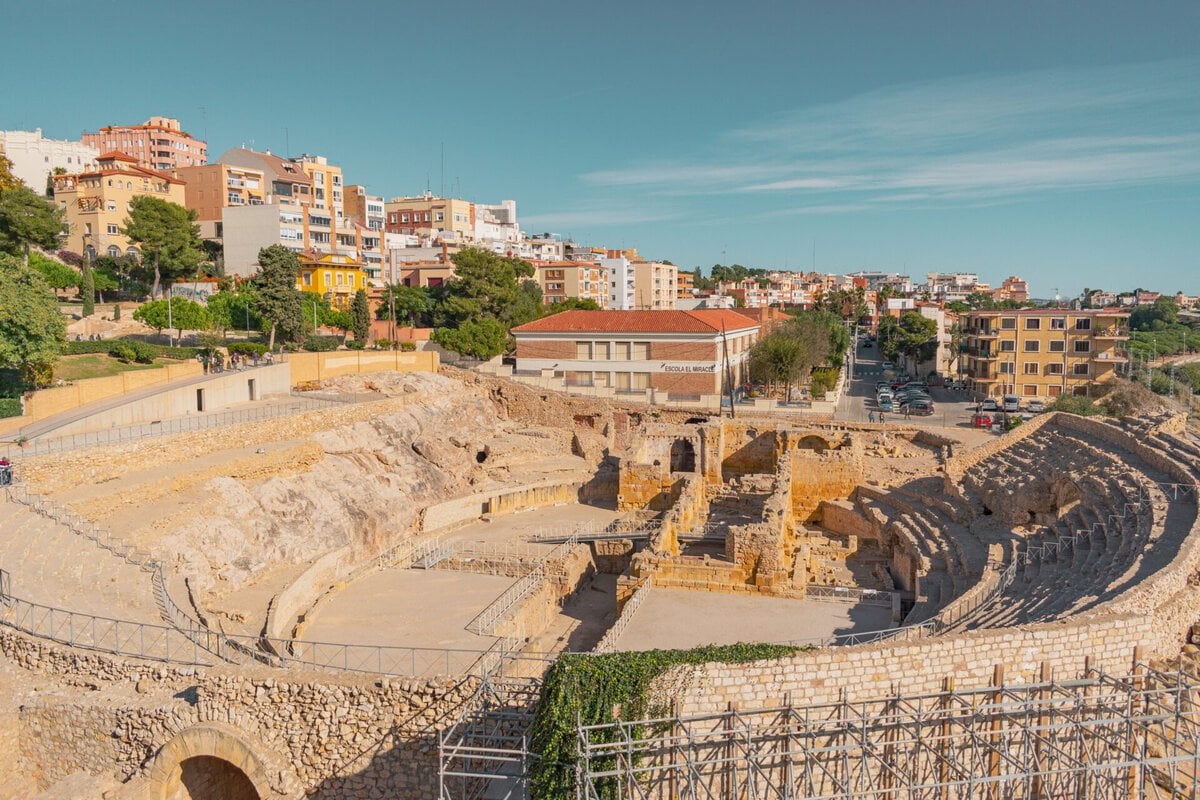
Beyond the amphitheater, the Roman circus—where chariot races once enthralled thousands—remains one of the best-preserved structures of its kind in Europe. The city walls, which date back to the 3rd century BC, provide a structural timeline of the city’s defense systems. Modern urban planning in Tarragona has been careful to integrate these ruins with the contemporary commercial center, particularly along the bustling Carrer Major, which serves as a vital artery between the medieval cathedral and the Roman remains.
2. Sitges: A Coastal Cultural Hub
Situated just 38 kilometers southwest of Barcelona, Sitges offers a distinct contrast to the industrial and historical focus of the inland cities. Historically a fishing village, the town experienced a significant economic boom in the 18th and 19th centuries due to the “Americanos”—local merchants who returned from trade in the Americas with significant wealth, constructing the modernist villas that still define the town’s architecture.
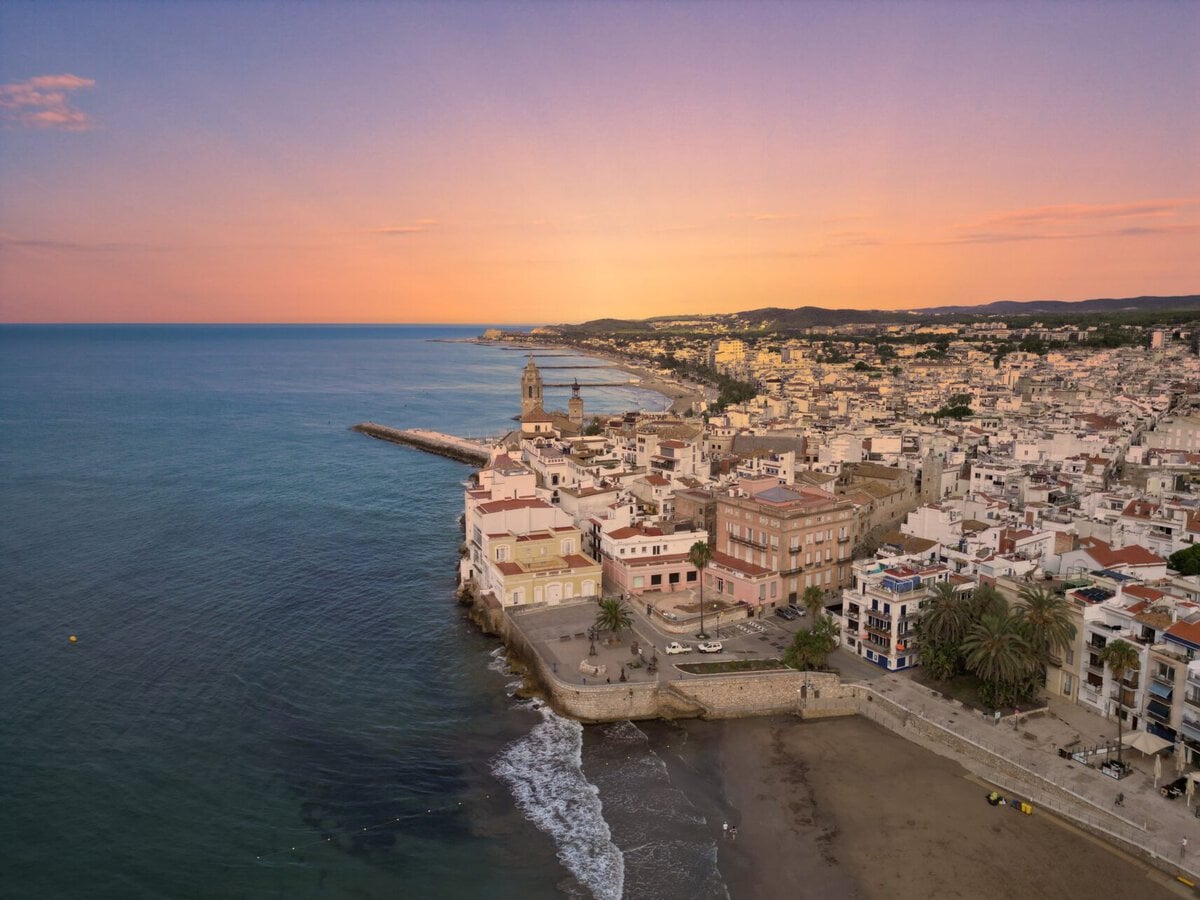
The iconic Church of Sant Bartomeu and Santa Tecla, perched on a rocky promontory, acts as the geographical and spiritual anchor of the town. From a demographic perspective, Sitges has evolved from a quiet coastal port into a global destination for film and arts. The Sitges International Fantastic Film Festival, held annually, brings in thousands of international visitors, illustrating the town’s ability to balance its historical fishing village aesthetic with a modern, cosmopolitan cultural calendar. The rail link from Barcelona Sants is among the most frequent in the region, with trains departing every 15 to 20 minutes, making it the most accessible coastal getaway for day-trippers.
3. Montserrat: Geopolitical and Spiritual Significance
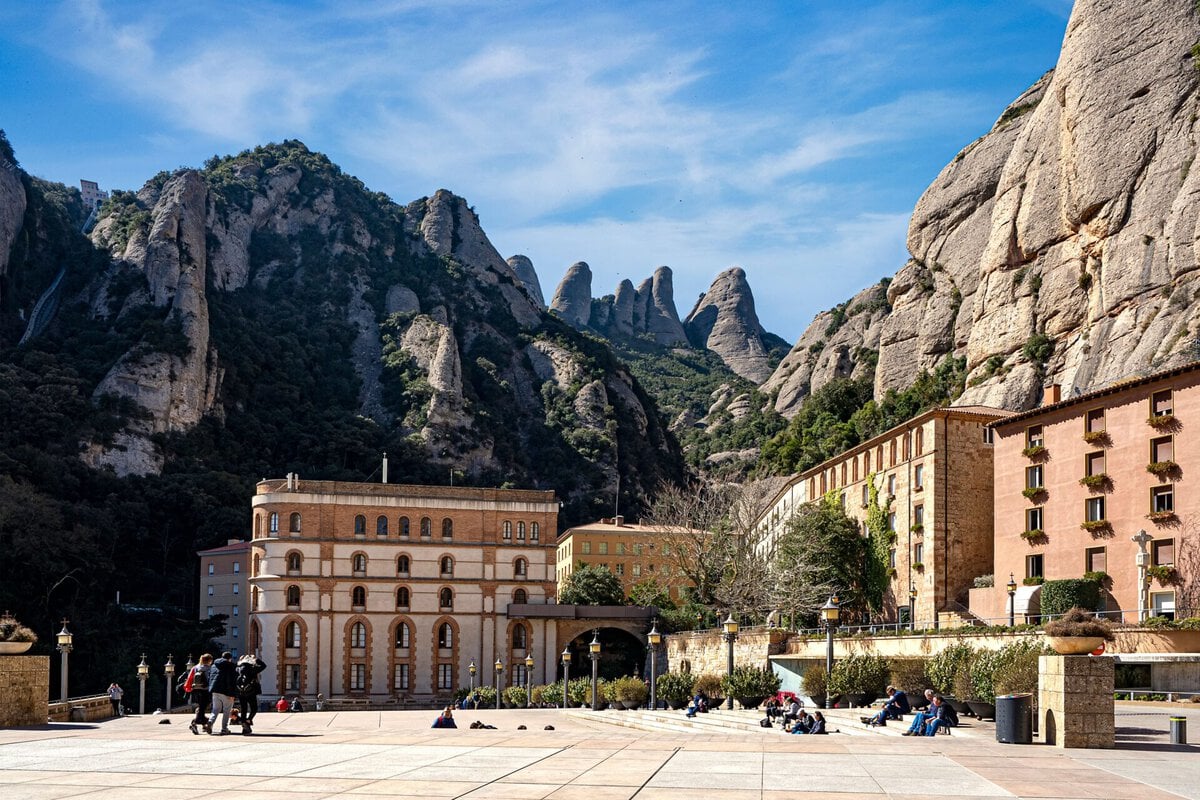
The mountain range of Montserrat, located 50 kilometers northwest of Barcelona, is not merely a religious site but a symbol of Catalan identity. The Benedictine abbey, Santa Maria de Montserrat, has been a center of pilgrimage for nearly a thousand years. The current structure, however, is a product of 19th and 20th-century reconstruction following the extensive damage sustained during the Peninsular War in the early 1800s.
The site houses the "Moreneta" (the Black Madonna), a Romanesque carving that attracts millions of visitors annually. Beyond the spiritual dimension, the mountain itself is a geological marvel. The unique conglomerate rock formations, shaped by millions of years of wind and water erosion, provide a challenging environment for hikers. The "Rosary Path," a 1.5-kilometer trail leading to the Santa Cova (Holy Cave), represents a significant cultural route where legend suggests the image of the Virgin was discovered in 880 AD. The transit experience to Montserrat is unique, requiring a combination of train and rack railway (Cremallera) or cable car, providing a panoramic ascent that underscores the geographic scale of the massif.
4. Girona: Medieval Preservation and Culinary Innovation
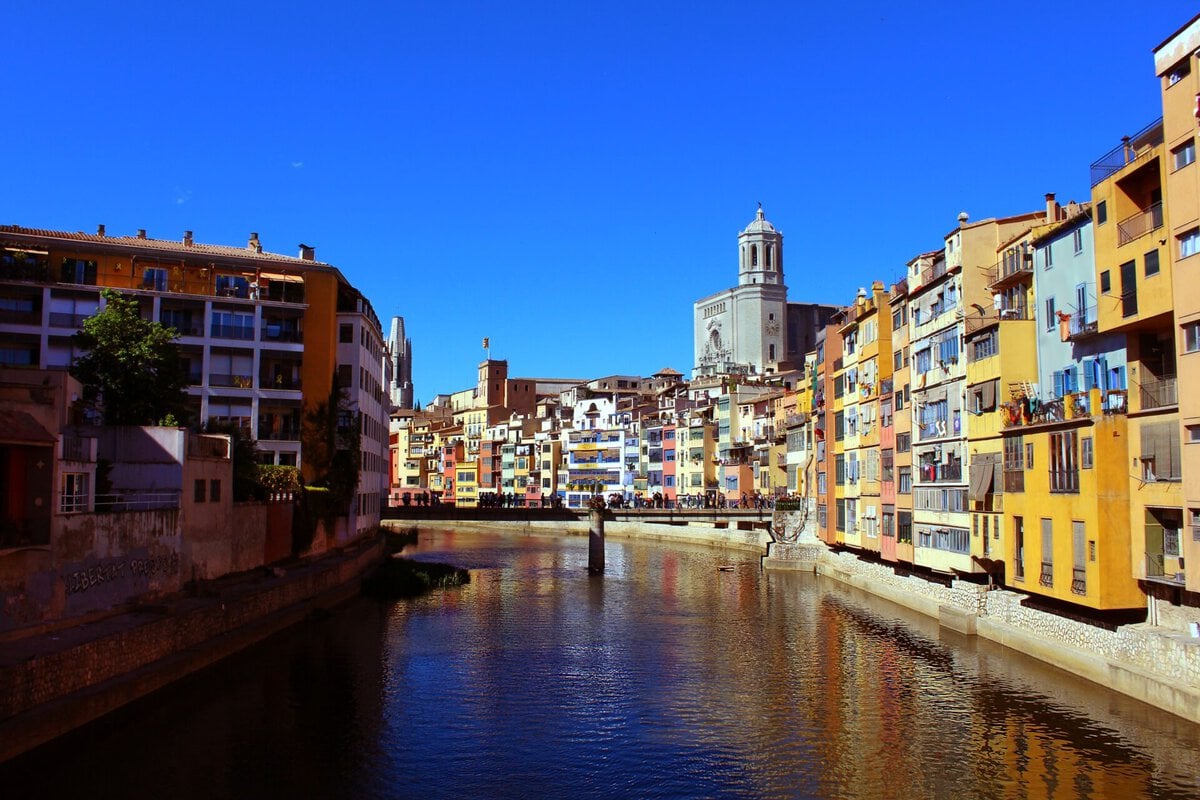
Girona, situated 100 kilometers north of Barcelona, provides a textbook study of medieval urban fortification. The city’s history is defined by its strategic position, having been besieged dozens of times throughout history. This has resulted in a dense, fortified core characterized by narrow, winding streets and the well-preserved "Call," or Jewish Quarter, which is one of the most significant in Europe.
Girona has recently gained global visibility due to its role as a primary filming location for the television series Game of Thrones. This has resulted in a measurable increase in tourism-related revenue for the city, prompting local authorities to manage foot traffic more strictly in the historic center.
However, the city’s reputation is also anchored in gastronomy. Home to El Celler de Can Roca, consistently ranked among the world’s best restaurants, Girona represents the pinnacle of the Catalan culinary movement. The influence of the Roca brothers has extended beyond the dining table, fostering a local food culture that prioritizes seasonal, regional ingredients. For the traveler, the accessibility provided by the high-speed AVE train—which reaches Girona in roughly 40 minutes—has made the city a viable half-day excursion for those focusing on the cathedral and the historical Jewish quarter.
5. Altafulla: The Medieval Enclave
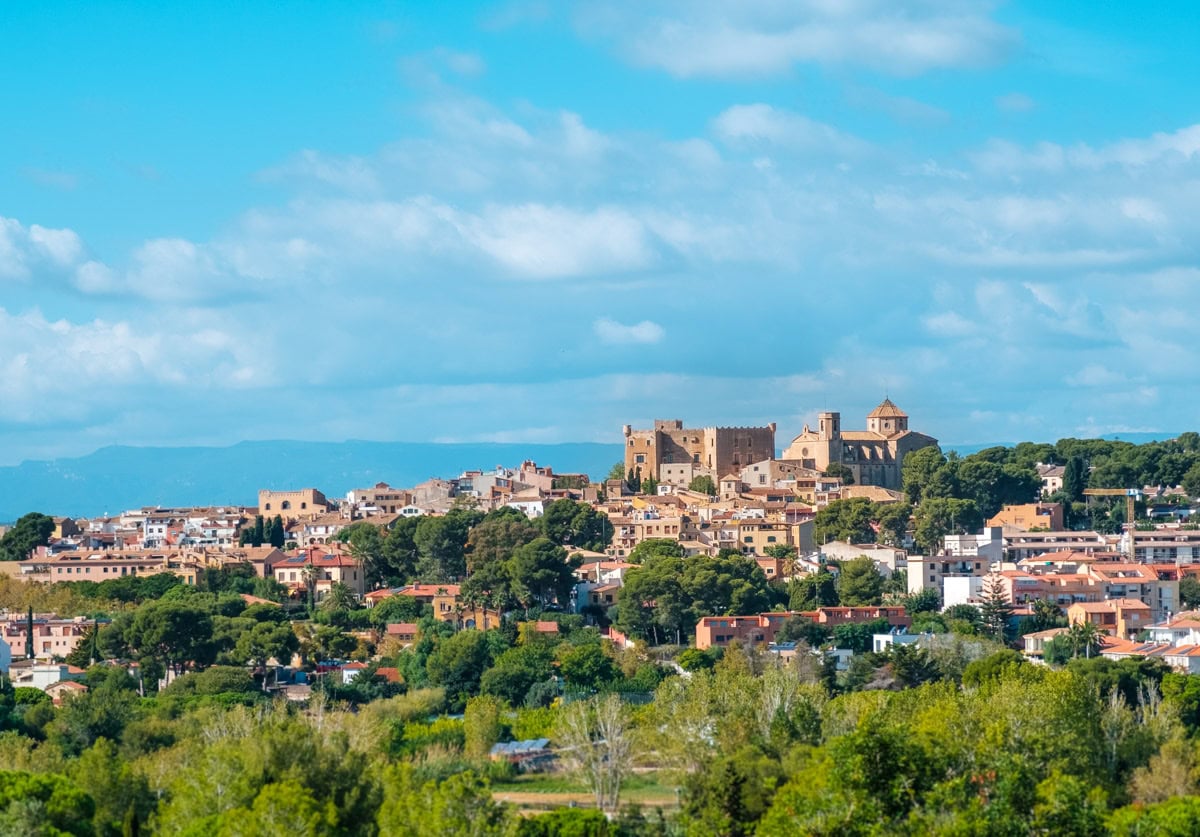
Altafulla, located near Tarragona, represents a more intimate alternative for those seeking historical depth without the crowds of major metropolitan centers. The "Vila Closa," the medieval walled core, provides an authentic glimpse into the feudal structures of the Middle Ages. Unlike the larger regional hubs, Altafulla’s economy remains deeply connected to its agricultural and coastal heritage.
The Altafulla Castle remains the town’s most restricted site, with private ownership necessitating that visitors book tours well in advance. This management strategy ensures the preservation of the Renaissance gallery and the structural integrity of the castle gardens. The town’s coastal district, Baix a Mar, retains the traditional architecture of a 19th-century fishing village, with whitewashed houses that have been largely spared from the high-density tourist development seen elsewhere on the Costa Daurada.
Comparative Analysis and Logistical Implications
When analyzing these five destinations, a clear pattern of regional development emerges. The state-subsidized rail network serves as a primary tool for dispersing tourism demand away from the overcrowded center of Barcelona.
Logistically, the following observations should be noted for travelers:
- Efficiency: The use of high-speed rail to Girona significantly changes the potential of a day trip compared to the slower, regional lines used for Sitges or Altafulla.
- Capacity: Popular sites like Montserrat operate near capacity during peak weekends. Visitors are strongly encouraged to secure rack railway tickets in advance to avoid long wait times at the base of the mountain.
- Seasonality: While coastal towns like Sitges and Altafulla are ideal for summer travel, historical sites like Tarragona and Girona are often more comfortable during the shoulder seasons (spring and autumn) when outdoor walking tours are less impacted by extreme temperatures.
In summary, the rail network radiating from Barcelona Sants provides a comprehensive infrastructure for regional exploration. By utilizing these connections, travelers can effectively engage with the history, spirituality, and geography of Catalonia, contributing to a more distributed and sustainable model of tourism.