From Influencer Burnout to Polar Expedition Leader: The Career Evolution Driving Modern Adventure Tourism

The post-pandemic landscape of digital media has forced a structural reckoning among independent travel creators, prompting a visible migration from screen-based influence to hands-on operational leadership. A notable case within the adventure tourism sector involves long-form travel writers and photographers transitioning into specialized expedition guiding and polar consultancy. This shift highlights a broader economic and psychological departure from the traditional influencer economy toward tangible, community-driven employment in remote environments such as the Arctic and Antarctica.
Background Context and the Evolution of Polar Tourism
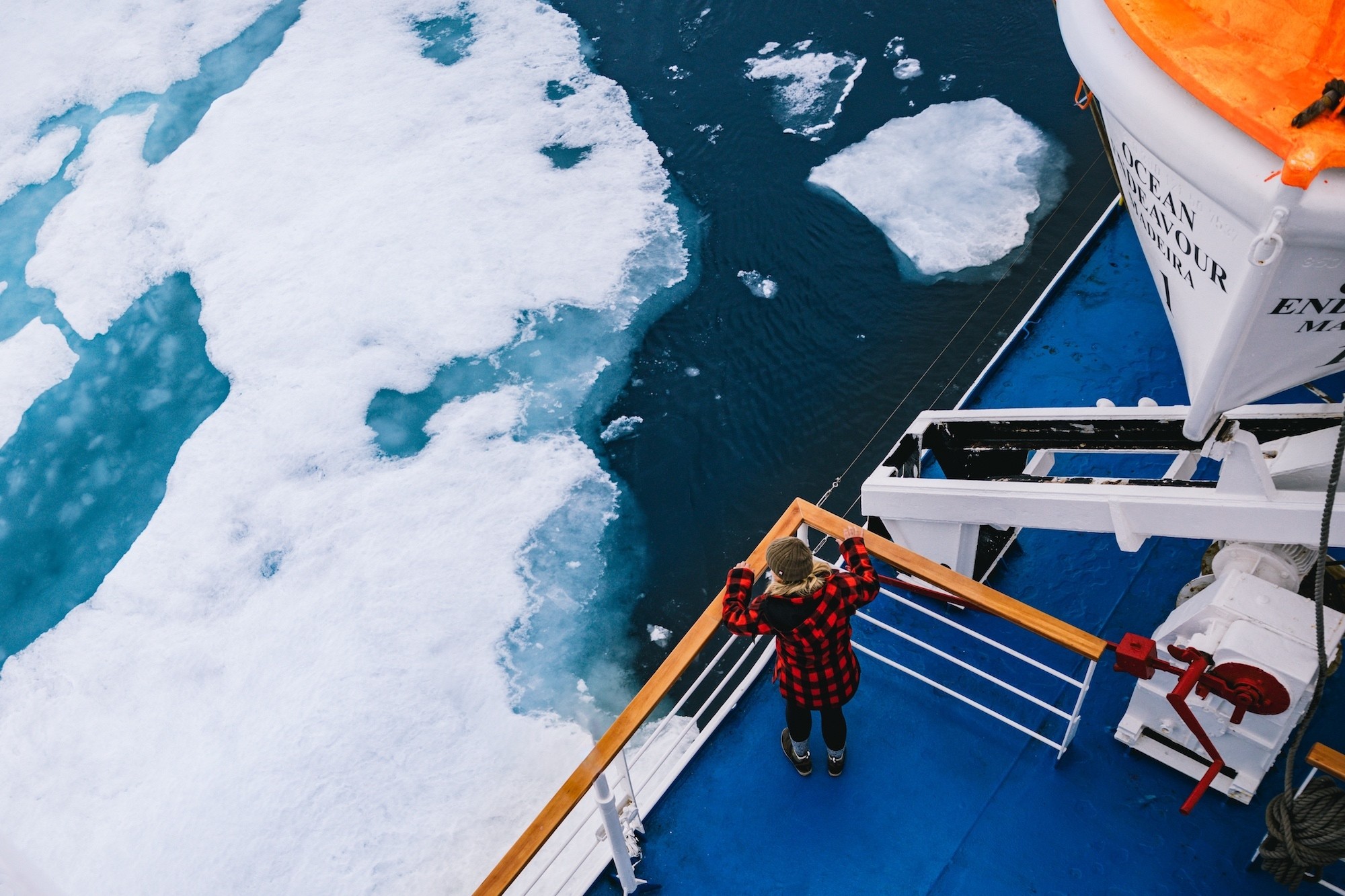
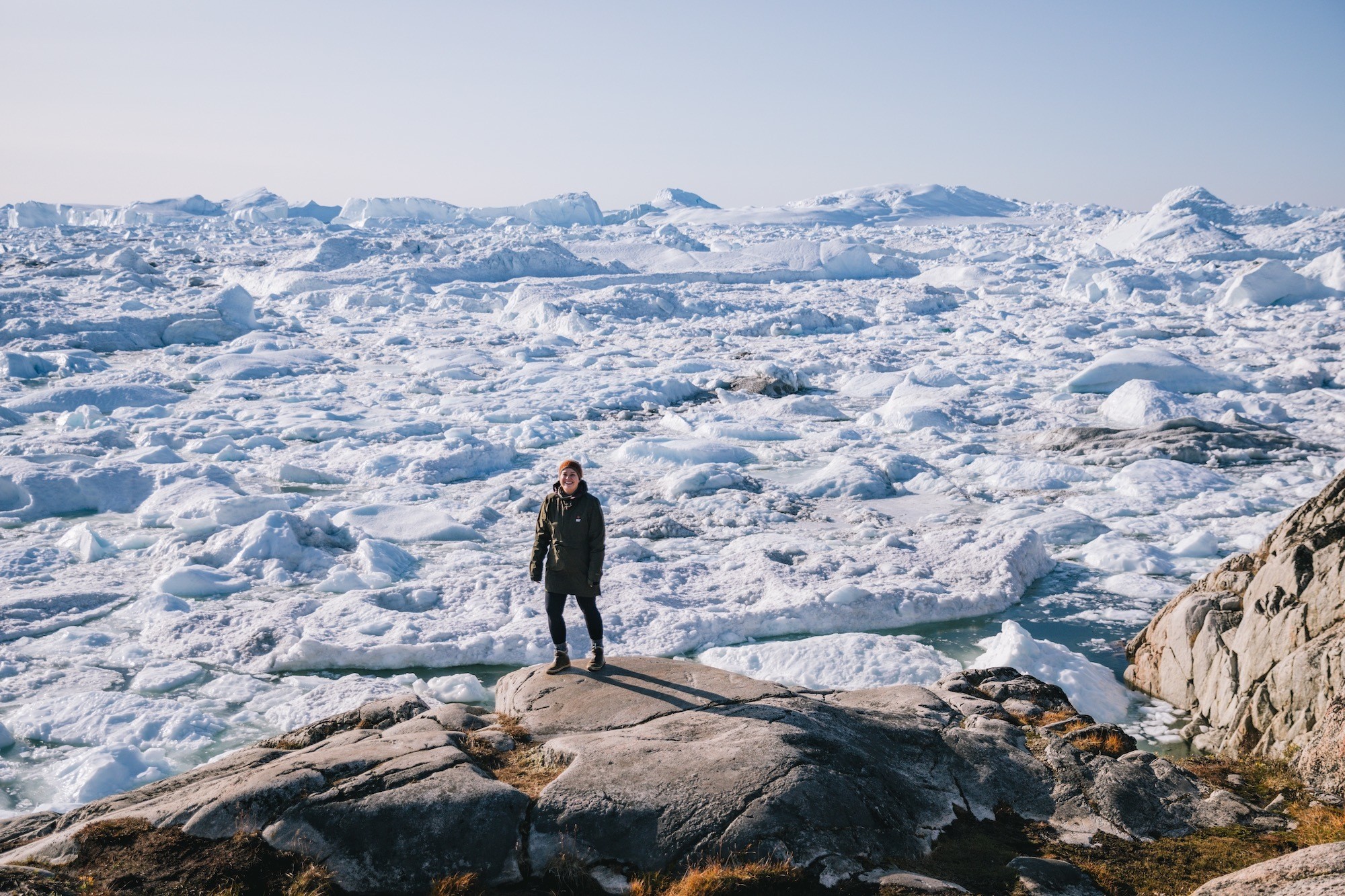
Polar travel, once reserved exclusively for scientific researchers and elite mountaineers, has evolved into a specialized segment of the global expedition cruise industry. Historically restricted by severe environmental barriers, the Arctic and Antarctic regions remain largely inaccessible for the majority of the year due to heavy sea ice. Commercial access is typically limited to a brief summer weather window spanning from June through September. During these months, specialized ice-strengthened expedition vessels, small aircraft, and Zodiac boats serve as the primary lifelines for navigating these extreme latitudes.
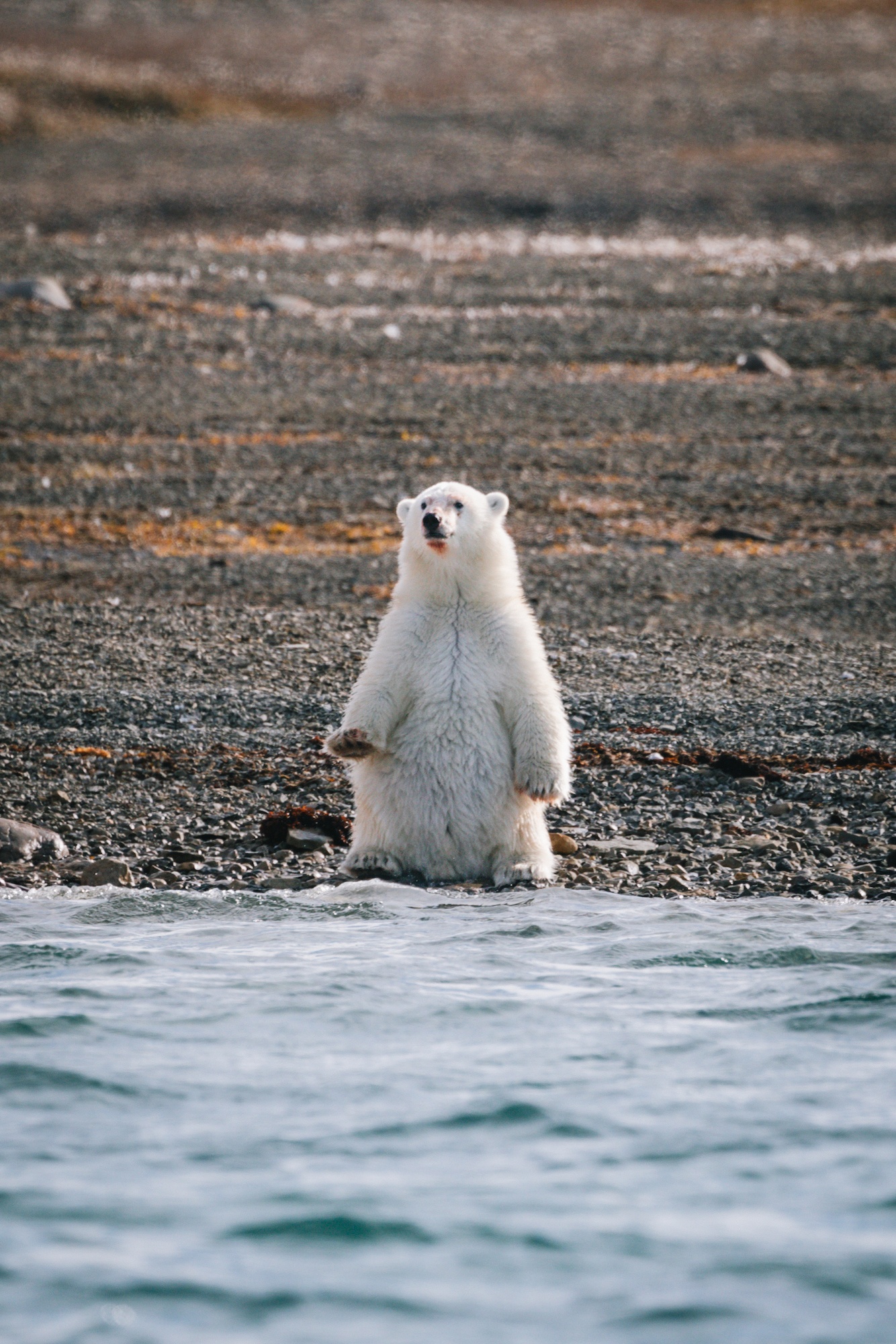
In recent decades, demand for polar tourism has experienced steady growth, driven by travelers seeking remote wilderness experiences, wildlife observation, and cultural immersion with Indigenous northern communities. According to industry tracking data from the International Association of Antarctica Tour Operators (IAATO) and parallel Arctic monitoring networks, passenger volumes to both polar regions climbed steadily prior to 2020 and have rebounded strongly as global travel restrictions dissolved. This resurgence has placed a premium on experienced field personnel, navigational guides, and regional specialists capable of safely managing operations in unpredictable environments.

The Structural Shift from Digital Creation to Field Guiding
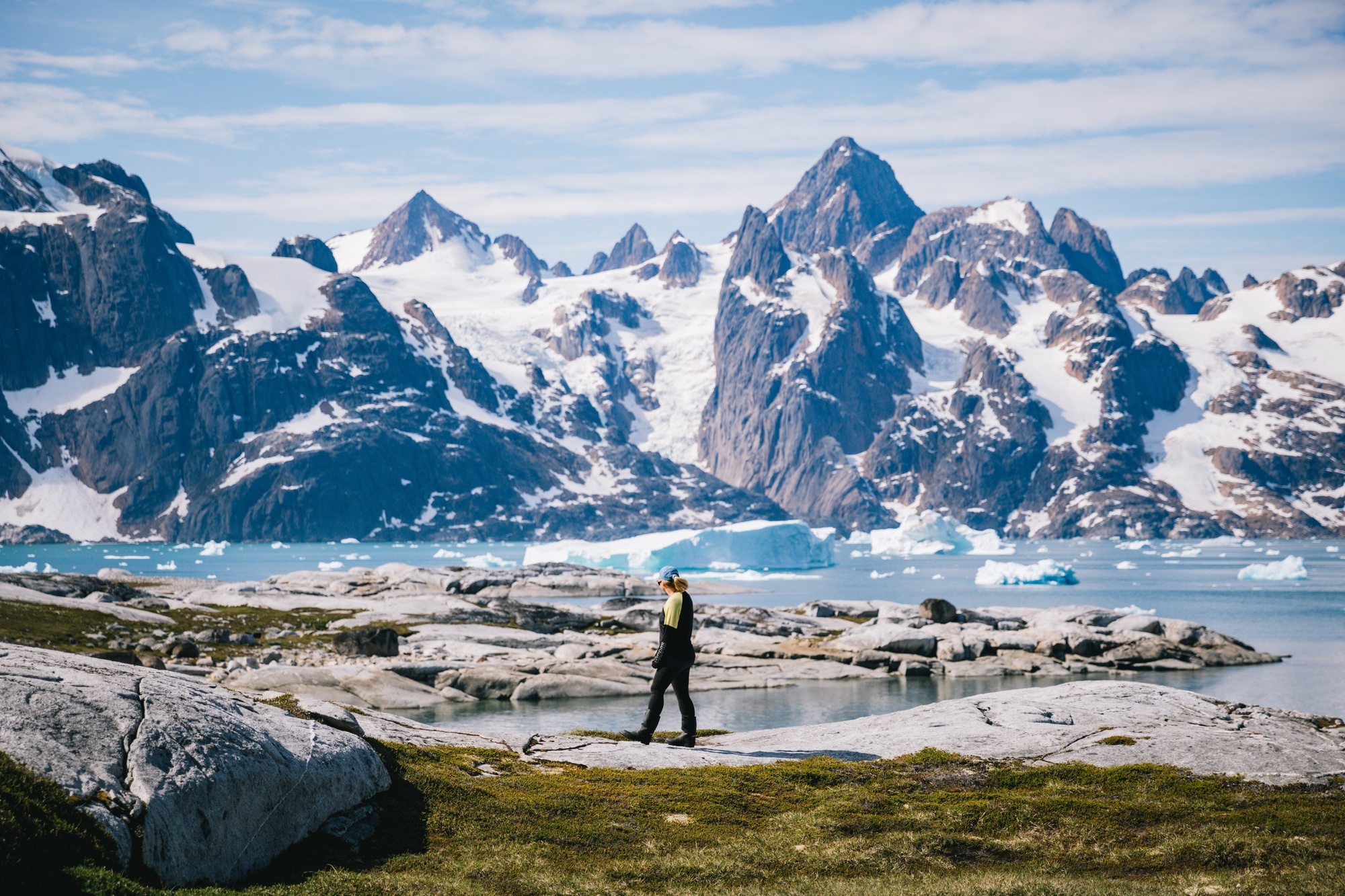
For many content creators who established careers during the boom of travel blogging in the early 2010s, the operational reality of maintaining a digital brand shifted dramatically following the global disruptions of 2020. The saturation of social media platforms, coupled with the pressure of constant algorithmic competition, fostered widespread professional disillusionment. Creators who once relied heavily on sponsored content and ad revenue have increasingly sought refuge in vocationally demanding, offline roles.
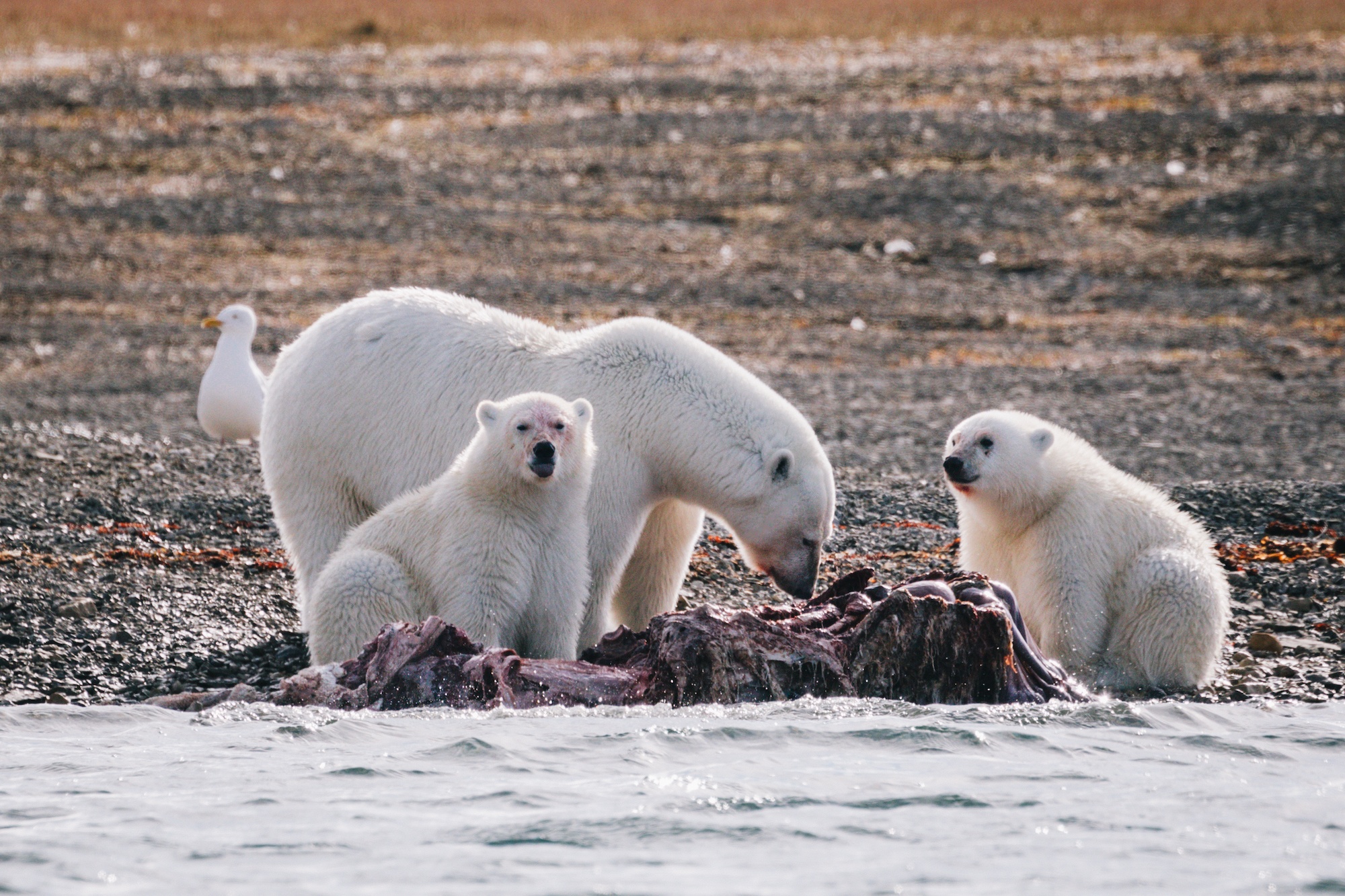
The transition toward expedition guiding offers a distinct alternative. Rather than engaging in continuous digital self-promotion, professionals with extensive field experience are leveraging their specialized knowledge to secure long-term contracts with established polar operators. For instance, partnerships with Canadian-owned and operated lines like Adventure Canada—which frequently feature multi-month summer deployments across the Canadian Arctic and Greenland—demonstrate how operators utilize seasoned travel writers not merely for marketing collateral, but as core members of operational and interpretive expedition teams.
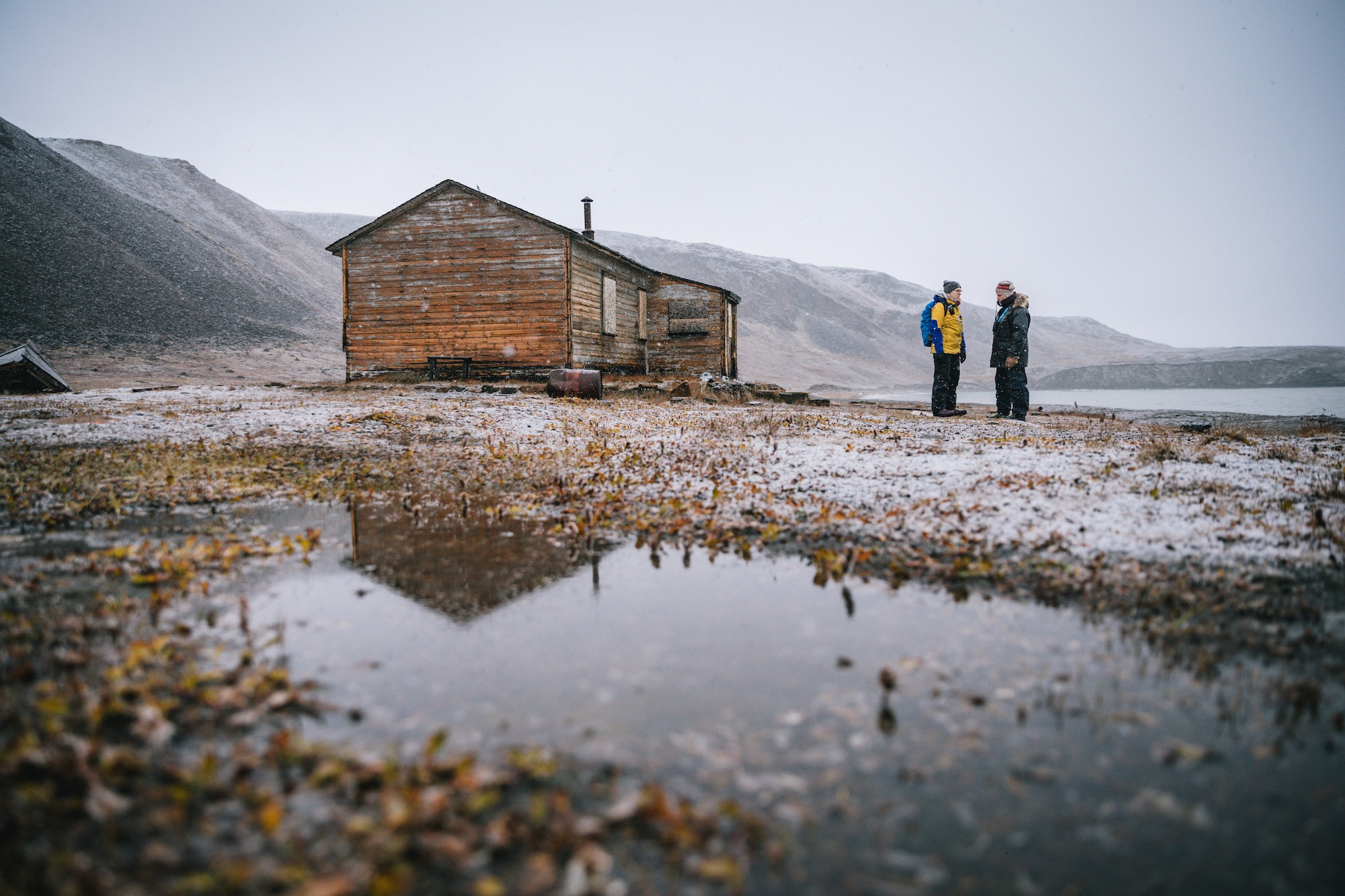
Operational Realities and Field Dynamics in the Extreme North
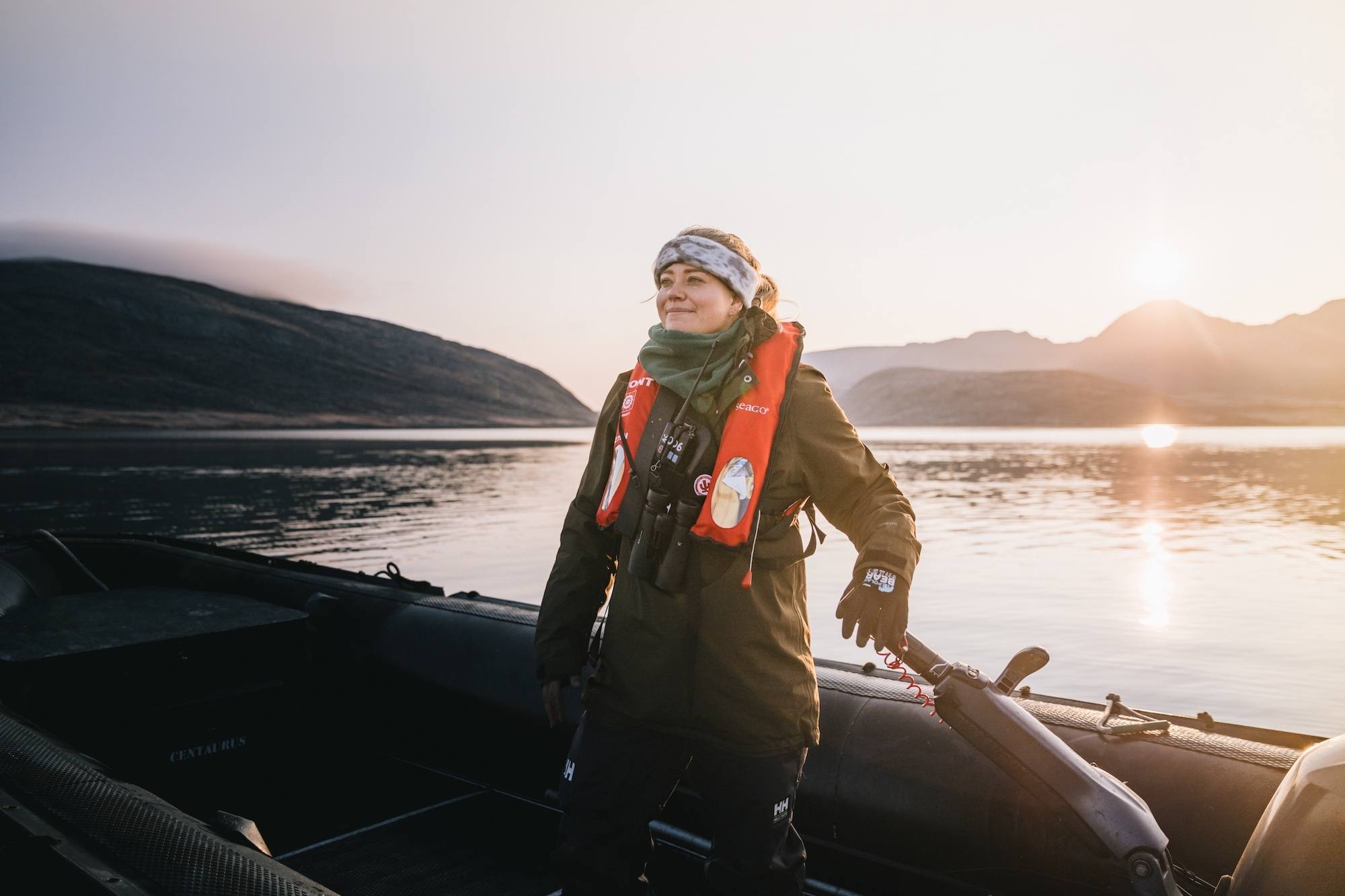
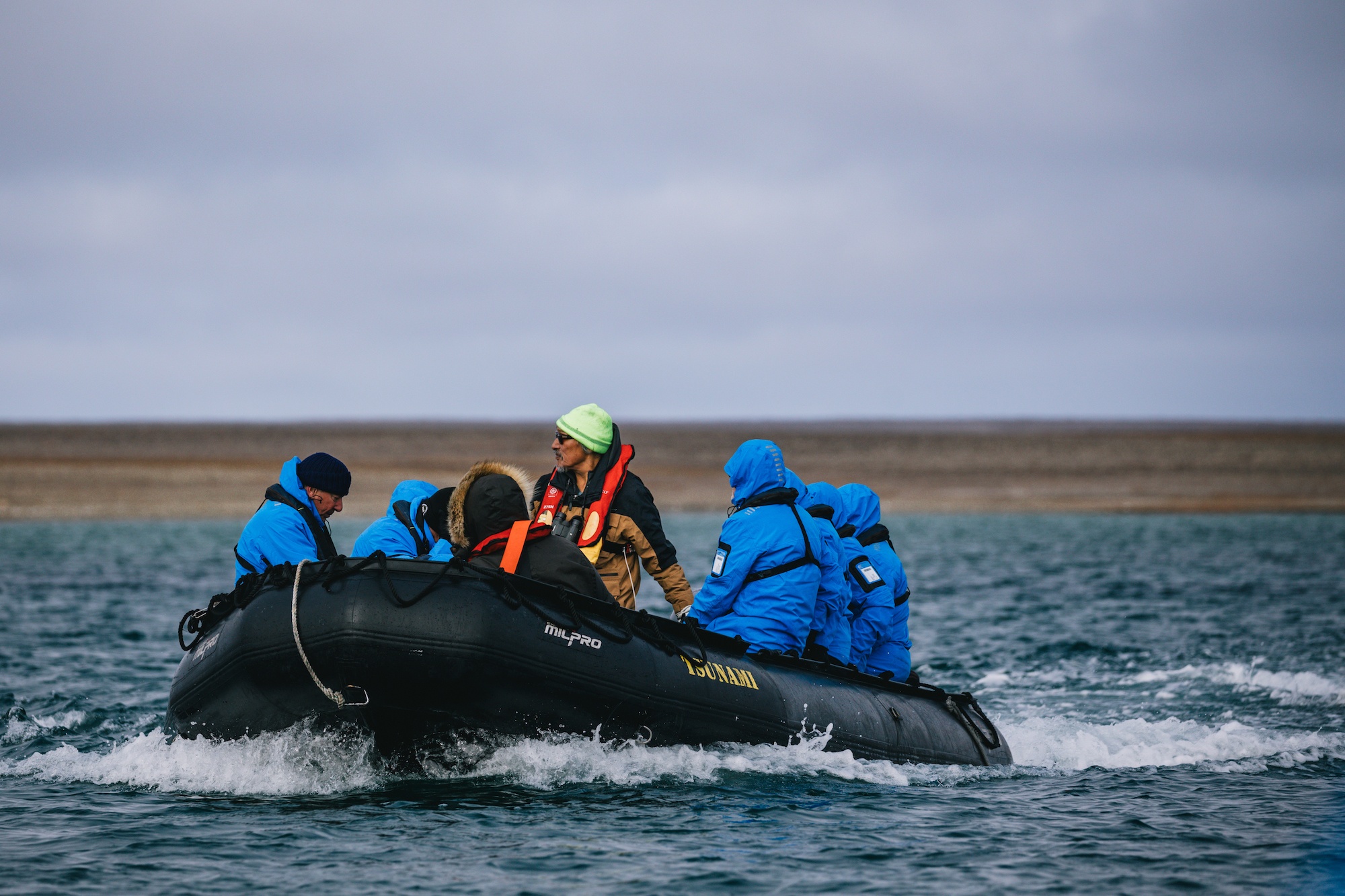
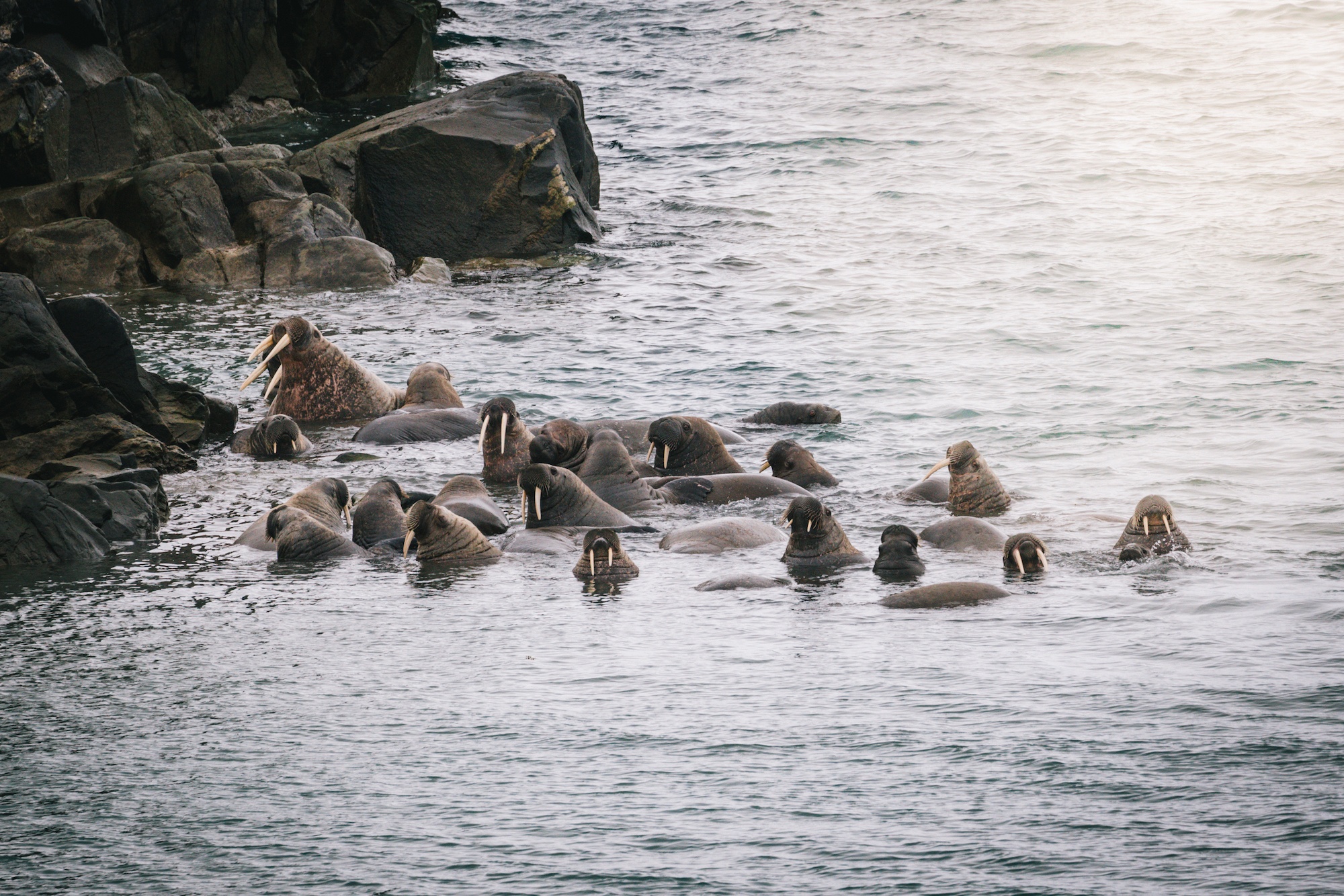
Life aboard an expedition vessel operating in high-latitude environments diverges significantly from conventional leisure cruising. Field personnel endure rigorous schedules, combining safety monitoring, wildlife spotting from the ship’s bridge, piloting Zodiac craft through iceberg fields, and delivering educational lectures on regional history, glaciology, and marine biology.
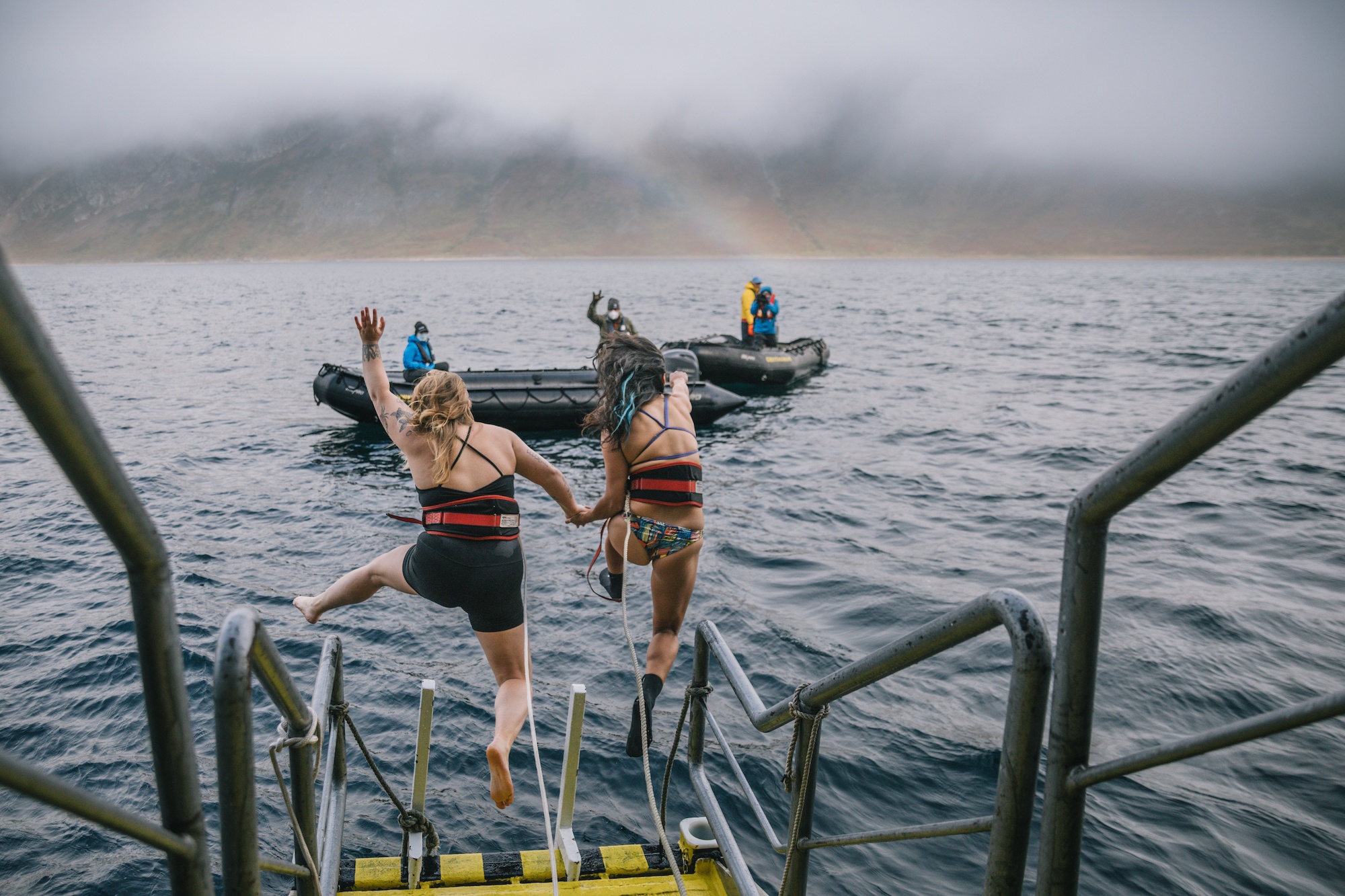
The logistical challenges are substantial. Unpredictable weather patterns, shifting sea ice, and rapid meteorological changes require constant adaptability from both crew and passengers. Despite these physical demands, the role provides deep professional fulfillment and operational camaraderie. Multi-season retention rates among expedition guides and passengers tend to be exceptionally high, often exceeding 50 percent return rates on select itineraries. This retention mirrors the close-knit community structure reminiscent of traditional field stations or educational programs, offering a stark contrast to the isolated nature of digital content creation.
Economic Implications: The Rise of Specialized Travel Consultancy
As industry professionals pivot away from traditional influencer models, a new hybrid economic framework is emerging within adventure travel. Many veteran guides are integrating direct referral and travel consultancy models into their professional portfolios. By acting as specialized intermediaries between prospective travelers and high-end polar operators, these guides earn referral commissions while providing tailored, expert-level advice.

This model addresses a critical consumer need. Booking a polar expedition involves significant financial investment, complex logistical planning, and nuanced considerations regarding ship types, environmental regulations, and specific regional itineraries. By utilizing trusted industry insiders who possess firsthand operational experience, consumers gain access to curated guidance that generic travel agencies may struggle to replicate. For the guides, this diversification of income reduces reliance on volatile digital advertising revenue while maintaining a sustainable connection to their primary passion.
Environmental stewardship and the Cultivation of Polar Ambassadors
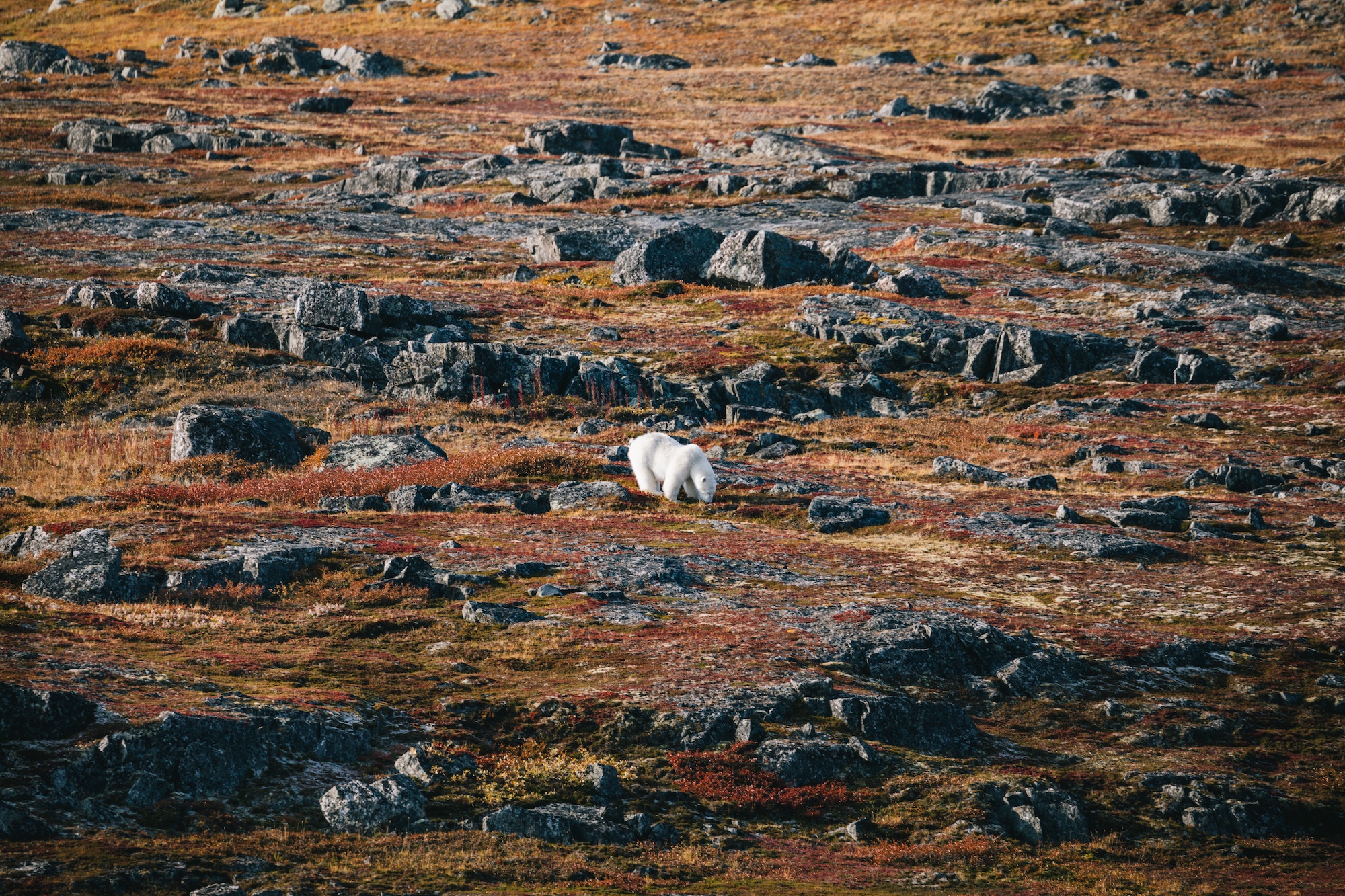
Beyond economic and career restructuring, the influx of specialized guides into the polar tourism sector carries vital implications for environmental advocacy. Both the Arctic and Antarctic are experiencing accelerated environmental transformations due to global climate shifts, including diminishing glacier mass and changing sea-ice dynamics.
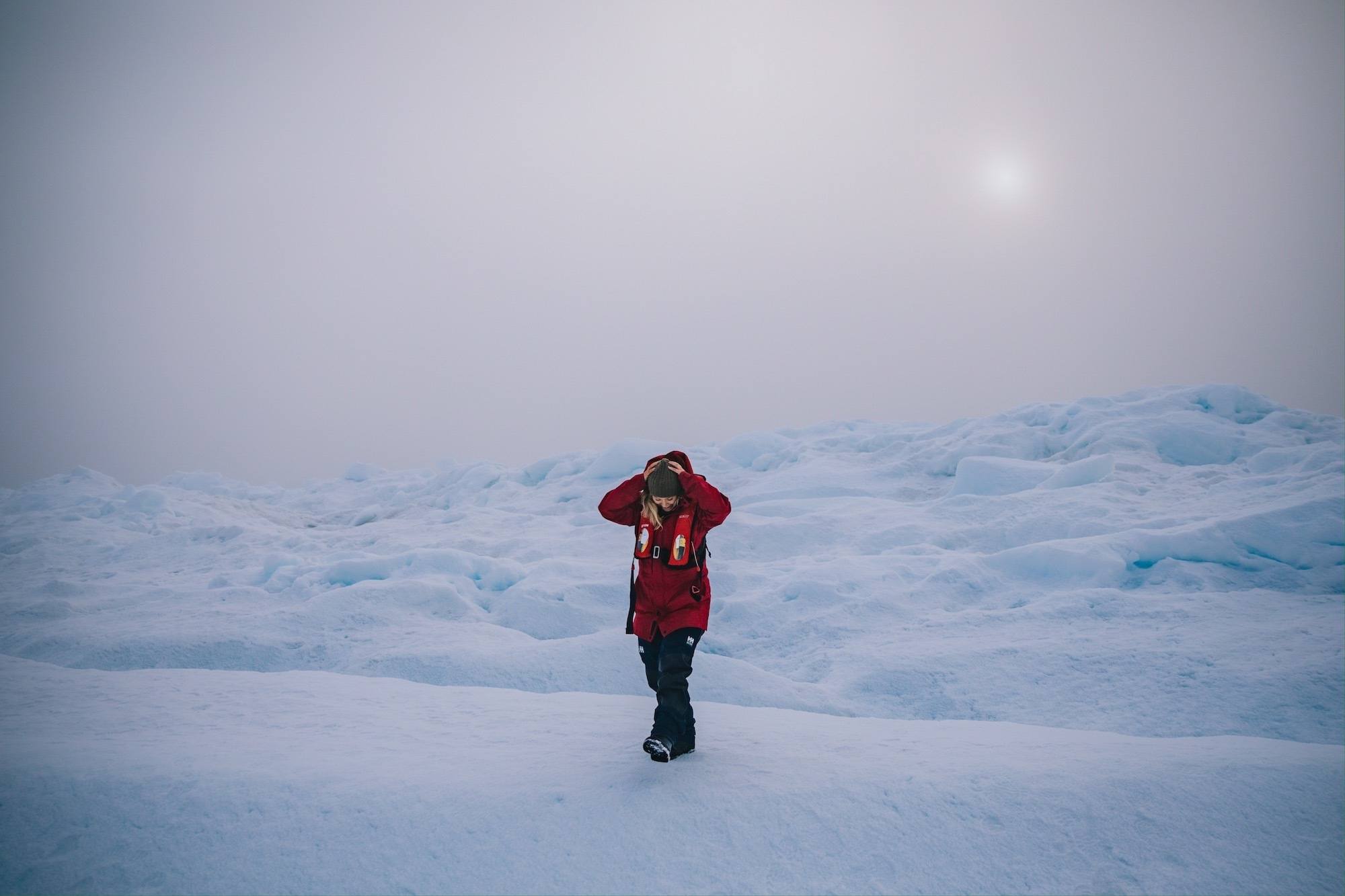
Industry leaders and environmental scientists consistently emphasize that travelers who witness these remote ecosystems firsthand frequently return home as permanent advocates for polar conservation. By scaling the pipeline of travelers visiting the high north through trusted guides and educators, the industry fosters a dedicated network of global ambassadors. This grassroots advocacy plays an increasingly significant role in shaping international conservation policy, supporting Indigenous cultural preservation, and holding commercial operators to stringent environmental standards. As polar tourism navigates its next phase of growth, the integration of experienced field professionals into operational and advisory roles will remain central to balancing ecological preservation with meaningful traveler education.
Related posts: