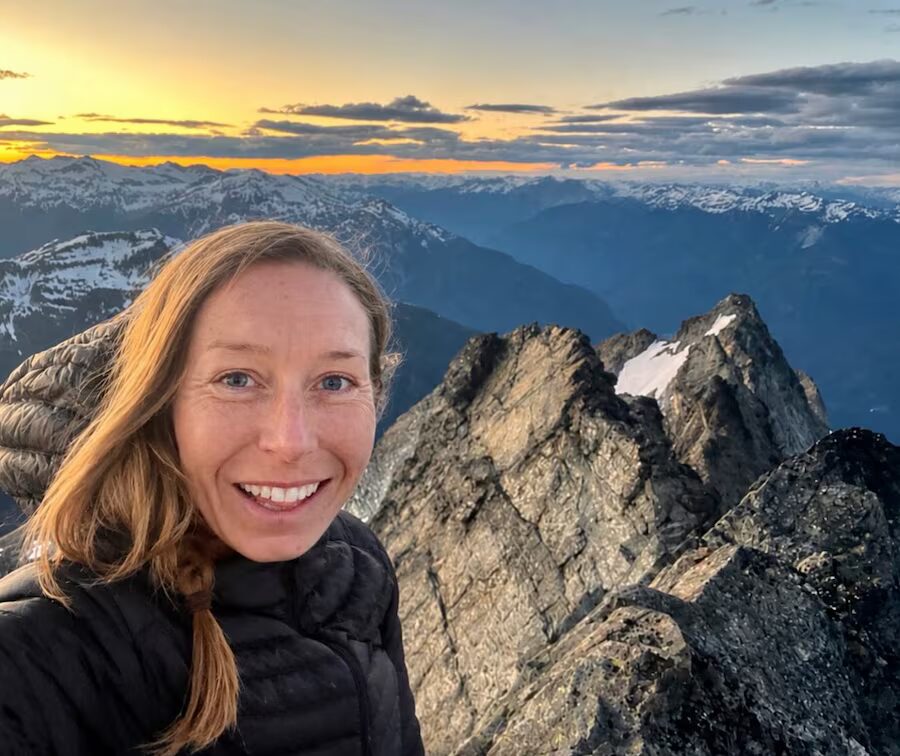
The international search and rescue operation for 38-year-old Canadian trail runner Kalie McCrystal has officially concluded, with her family confirming that she is now presumed dead. McCrystal, a highly skilled athlete, disappeared on September 1 while scouting the rugged terrain of the Matterhorn in preparation for a Fastest Known Time (FKT) attempt. Despite an exhaustive multi-day search involving aerial reconnaissance and ground support from elite local mountain guides, no trace of the athlete has been recovered.
The conclusion of the search marks a somber end to a week-long ordeal that drew international attention to the inherent dangers faced by elite mountain athletes pushing the limits of speed and endurance on one of the world’s most iconic, yet treacherous, peaks.
Chronology of the Disappearance
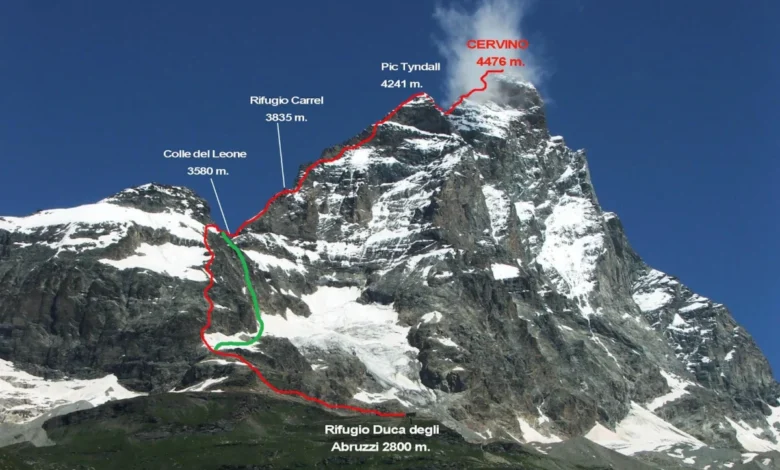
The timeline of the incident began in late August, a period characterized by volatile conditions on the Matterhorn. Following an exceptionally hot and dry summer that caused significant rock instability, local mountain guides had largely suspended operations on the mountain to ensure client safety. The Carrel Hut, a vital refuge on the Italian side of the mountain, had been closed for a period due to these hazardous conditions.
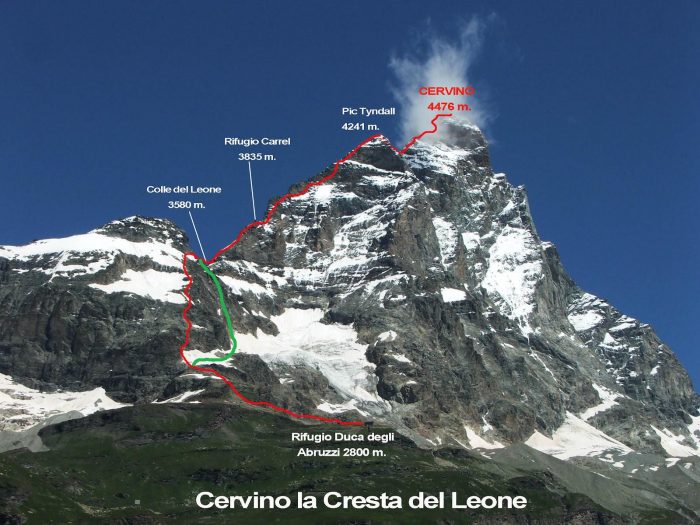
McCrystal arrived in the region with the intent of training for an FKT attempt. Having previously successfully navigated the Hörnli Ridge—the standard route on the Swiss side originating from Zermatt—she shifted her focus to the Italian approach. On September 1, she set out onto the mountain. While she was not officially engaged in her timed record attempt, the nature of her preparation involved rapid, unroped movement across technical terrain.
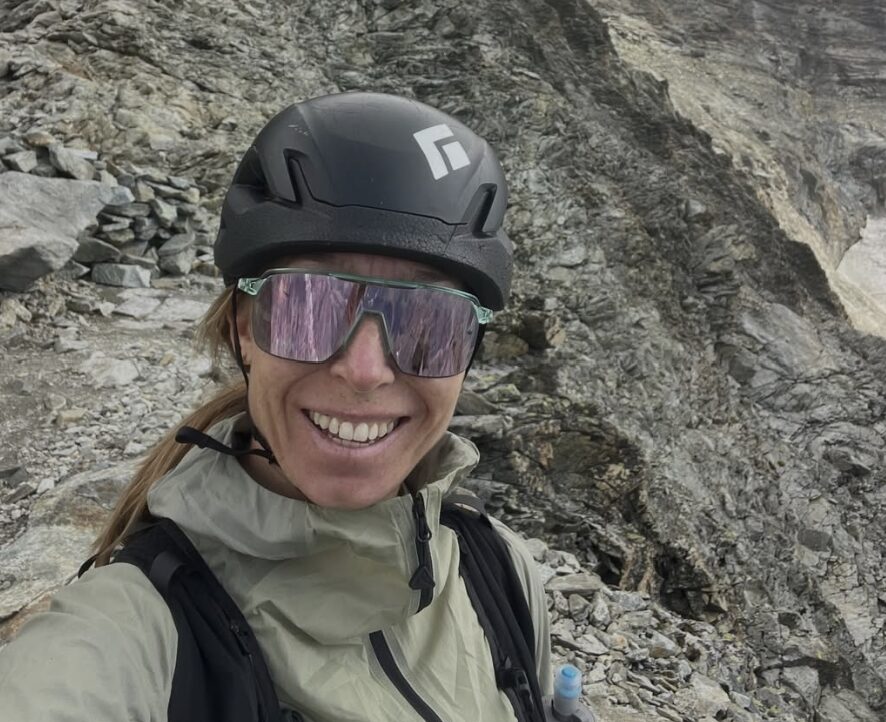
When she failed to return, a massive search operation was launched. Because the specific route she intended to take for her descent remained unconfirmed, search teams were forced to divide their efforts between the Italian Lion’s Ridge and the Swiss Hörnli Ridge. Despite high-altitude drone surveillance and the deployment of mountain rescue experts across both faces of the peak, the search proved fruitless. On September 8, following the professional assessment of search coordinators, the family released a formal statement acknowledging that the search had transitioned into a recovery mission, and that McCrystal is presumed to have suffered a fatal fall during her descent.
The Risks of High-Speed Alpine Mountaineering
The tragic loss of McCrystal has reignited a complex conversation regarding the philosophy of "fast-and-light" mountaineering. In professional trail running and speed climbing, the objective is to move as efficiently as possible, which often necessitates the abandonment of traditional safety measures like ropes, harnesses, and belay systems.
On the Matterhorn, the standard routes are equipped with fixed iron chains and ropes, designed to assist recreational climbers. While these aids allow for a degree of safety, elite athletes often view them as obstacles to speed. By bypassing these safety systems, climbers significantly increase their velocity; however, they simultaneously eliminate the margin for error. A single misplaced step, a patch of loose shale, or a sudden change in wind speed can result in a catastrophic fall.
This risk is amplified by the geological state of the Alps. The climate-driven degradation of permafrost has led to increased rockfall activity, rendering previously "stable" routes unpredictable. Even for an athlete of McCrystal’s caliber, who possessed deep familiarity with technical terrain, the mountain environment remains indifferent to skill level.
Broader Implications and Safety Standards
The Matterhorn, which straddles the border between Switzerland and Italy, remains one of the deadliest peaks in the Alps. Historically, it has claimed hundreds of lives since its first ascent in 1865. The influx of modern endurance athletes, who often treat the mountain as an extension of a running track, has created a new category of risk.
Mountain safety experts emphasize that the distinction between "recreational climbing" and "speed mountaineering" is profound. While the former relies on a system of redundancies, the latter relies entirely on the athlete’s ability to maintain perfect execution for the duration of the climb. Following this incident, there is an expected increase in discourse regarding the need for better communication between professional athletes and local mountain guides.
"The mountain does not care about your records," noted an anonymous mountain guide operating out of Cervinia. "When the temperatures rise and the rocks begin to shift, the window for safe movement closes for everyone, regardless of their training or experience."
Official Response and Family Statement
In a poignant statement released through the Canadian Athletics community, the family expressed their profound grief while honoring McCrystal’s memory. "Despite Kalie’s exceptional skill and experience in technical mountain terrain, including her previous experience on the Matterhorn itself, everything we know now suggests she fell while descending," the statement read.
The family’s transparency has provided some closure to a community that has followed the search with bated breath. By confirming the presumed nature of her death, the family has allowed the global running community to move from a state of anxious waiting to collective mourning.
Analyzing the "Fastest Known Time" Culture
The rise of the FKT movement—where athletes track their speed on specific trails or mountain routes using GPS-based verification—has been a boon for endurance sports, encouraging innovation and higher levels of physical fitness. However, the Matterhorn incident highlights the dark side of this trend: the pressure to perform in increasingly hazardous, high-altitude environments.
Data from the International Climbing and Mountaineering Federation (UIAA) suggests that while overall climbing participation has increased, the percentage of incidents involving experienced, unroped soloists is a point of concern for rescue agencies. The incident involving McCrystal serves as a sobering reminder of the physical limits of human performance in the high mountains.
As the search operations officially cease, the focus now shifts to the legacy of the athlete. Kalie McCrystal was widely regarded as a formidable talent, and her commitment to the sport of trail running was evident to all who knew her. Her loss is not only a tragedy for her family but a significant moment of reflection for the entire mountaineering fraternity.
Moving Forward
Local authorities in both Zermatt and Cervinia have confirmed that they will continue to monitor the area as part of standard mountain patrol duties. Should conditions improve and the mountain become safer for ground teams, there remains a possibility that further recovery efforts could be mounted. For now, the mountain remains as it was—a formidable, beautiful, and unforgiving challenge that commands respect from every person who dares to set foot upon its slopes.
The incident will likely influence future protocols for solo athletes attempting to traverse the Matterhorn. Enhanced check-in procedures, mandatory satellite communication devices, and more robust coordination with the local guides’ bureaus are likely to become the standard for any athlete attempting to tackle such high-stakes terrain.
Ultimately, the disappearance of Kalie McCrystal underscores the thin line between athletic excellence and the overwhelming power of nature. As the global community pays its respects, the focus remains on the importance of safety, the reality of mountain hazards, and the memory of an athlete who sought to push the boundaries of what is possible in the high peaks.
Related posts: