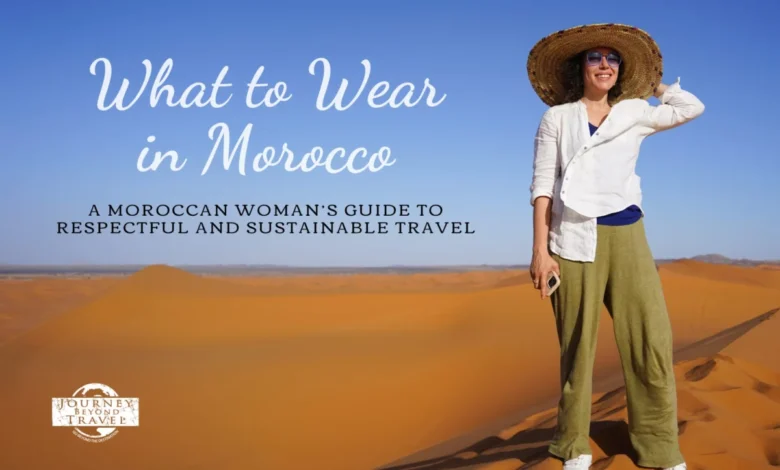
Morocco, a nation defined by its diverse geography and rich cultural heritage, serves as a bridge between the Mediterranean, the Sahara, and the Atlantic. As tourism figures continue to climb—with the country welcoming record-breaking numbers of international visitors annually—the question of appropriate attire remains a primary concern for those unfamiliar with local customs. While Morocco does not enforce a national dress code by law, the intersection of traditional Islamic values and a modern, liberalized economy creates a nuanced landscape for travelers. Understanding these cultural expectations is not merely a matter of social etiquette but a practical necessity for navigating the country’s varied urban and rural environments.
Historical Context and Modern Shifts
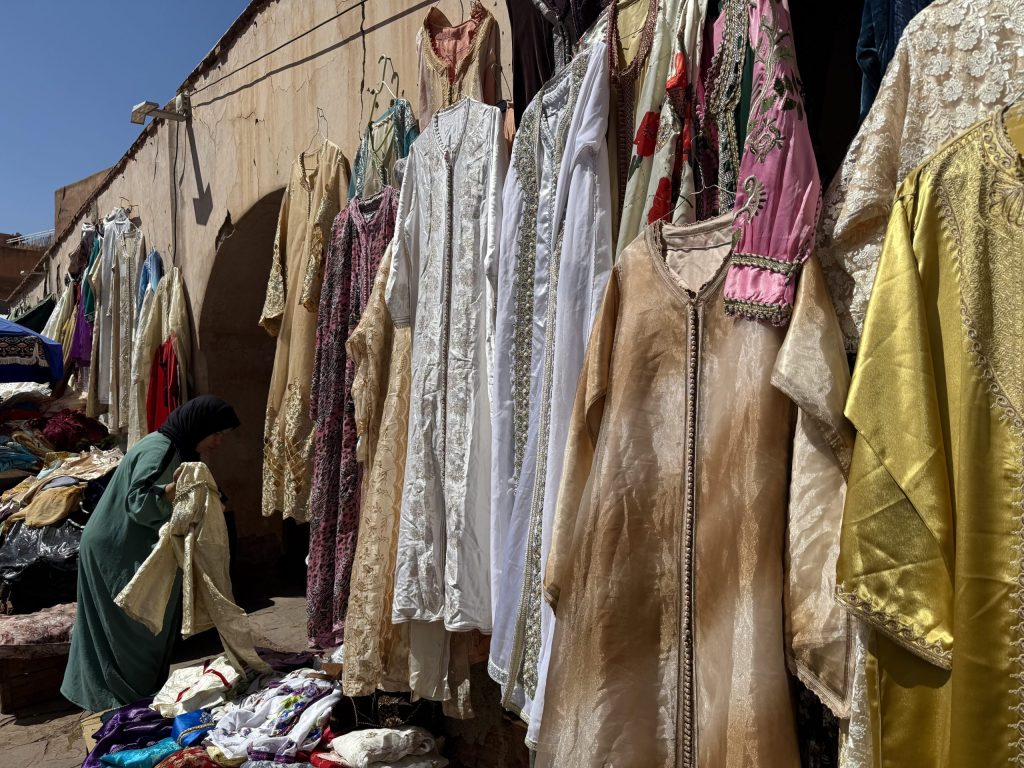
The evolution of Moroccan dress has been marked by a transition from traditional, highly distinct regional garments—such as the jellaba (a hooded, long-sleeved robe) and the caftan—to a synthesis of local traditions and global fashion trends. During the 1980s and 1990s, the public sphere in cities like Tangier and Casablanca was characterized by a diverse visual spectrum, where Western swimwear and traditional robes existed in common space without friction.
In the early 21st century, however, shifts in social discourse have led to a more conservative approach in public spaces. Sociological observations suggest that the increase in verbal harassment and unsolicited social commentary directed at women in urban centers has prompted many locals to adopt more modest attire as a defensive measure. For international travelers, the goal is to balance personal comfort with a respectful acknowledgment of these social realities.
Seasonal Climate and Environmental Considerations

Morocco’s climate is not monolithic; it is heavily influenced by the Atlantic coastline, the arid Sahara interior, and the high-altitude Atlas Mountains. Planning a wardrobe requires an understanding of these micro-climates.
Spring (March to May) offers mild conditions, though the northern regions, including Chefchaouen, remain prone to rain and temperatures hovering near 55°F (13°C). Conversely, the southern desert regions may experience early heatwaves exceeding 110°F (43°C). Summer (June to August) is characterized by extreme heat, with inland cities such as Marrakesh often exceeding 100°F (38°C). Coastal cities benefit from maritime breezes, maintaining a more temperate 75°F–85°F (24°C–29°C) range.
Fall (September to November) is widely considered the optimal period for travel, with moderate temperatures and a decrease in humidity. Winter (December to February) introduces significant temperature fluctuations. While coastal regions remain mild, nighttime temperatures in desert regions can approach freezing, and the Atlas Mountains consistently experience snowfall, requiring specialized winter gear for those participating in trekking or skiing.
Strategic Packing: The Three C’s
Industry experts suggest that travelers adopt the "3 C’s" framework: Comfort, Climate, and Customs.
Comfort is predicated on the selection of natural, breathable fibers. Organic cotton, linen, and merino wool are highly recommended. Linen, while prone to wrinkling, remains the gold standard for desert travel due to its high moisture-wicking properties and ability to shield skin from intense ultraviolet radiation.

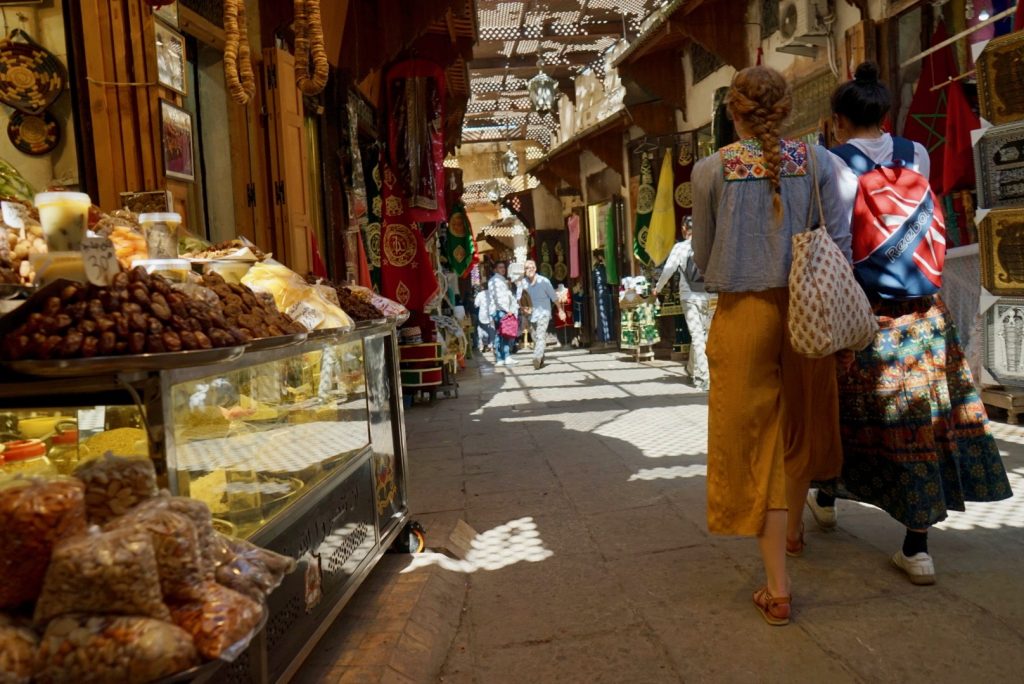
Customs dictate that regardless of the heat, excessive exposure is generally discouraged outside of private tourist resorts or coastal beaches. While the law is secular, public modesty is a cultural cornerstone. For women, this typically entails ensuring that shoulders, the chest, and the knees remain covered when navigating traditional medinas, rural villages, or religious sites. For men, the expectations are significantly more relaxed, though wearing athletic shorts in formal settings or during community gatherings is often viewed as unprofessional or insensitive.
The Role of Sustainable Fashion and Local Economy
The Moroccan retail sector, particularly within the historic medinas of Fez, Marrakesh, and Tangier, offers a unique opportunity to engage with local artisans. Rather than relying on fast-fashion imports, travelers are encouraged to purchase locally crafted items. This practice serves two functions: it reduces the traveler’s carbon footprint associated with heavy luggage and provides vital financial support to traditional cooperatives.
Artisans in Marrakesh specialize in refined leather goods and modernized traditional tunics, while the workshops in Essaouira are renowned for high-quality raffia footwear. By choosing to purchase items like the "qouffa" (palm straw bag) or handmade silver jewelry from regions such as Tiznit, visitors contribute to the preservation of indigenous craft techniques that are currently at risk of being eclipsed by mass-produced factory goods.
Footwear and Technical Apparel
Given the uneven cobblestone streets of the historic medinas and the rugged terrain of the Atlas Mountains, footwear selection is critical. Supportive, closed-toe walking shoes are essential for urban exploration. For hiking, professional-grade trekking boots with adequate ankle support are recommended. Flip-flops and sandals should be reserved exclusively for hotel environments, private riad pools, or coastal beaches.
When packing for the outdoors, travelers must account for the dramatic temperature shifts that occur between sunrise and sunset. A high-quality, lightweight, waterproof windbreaker is considered a standard necessity for year-round travel, providing protection against the sudden precipitation shifts common in the northern mountain ranges.
Official and Social Guidelines
While government authorities do not mandate specific clothing for tourists, there are informal, yet strictly observed, social expectations. When visiting a local home or a rural village, dressing more conservatively than one might in a cosmopolitan center is a sign of respect. This often involves wearing longer hemlines and ensuring sleeves reach at least the elbow.
Furthermore, it is important to distinguish between tourist-heavy zones and the interior. In major tourist hubs like Marrakesh or Agadir, the local population is accustomed to a wide array of Western attire. However, in rural areas, such as those bordering the Sahara or remote mountain villages, the local population remains significantly more conservative. In these instances, the use of a versatile scarf is encouraged. A scarf serves as a multifunctional tool: it provides protection against the sun, acts as a modesty cover for religious sites, and offers warmth during the significant temperature drops that occur after dark in desert climates.
Implications for Sustainable Travel
The rise of "conscious tourism" has influenced how travelers view their impact on Moroccan society. Beyond the selection of clothing, the inclusion of reusable, eco-friendly items—such as filtered water bottles (e.g., LifeStraw or Grayl) and solid-form toiletries—aligns with the country’s growing focus on sustainability. By minimizing the use of single-use plastics, travelers align themselves with local conservation efforts aimed at preserving the pristine environment of the desert and mountain regions.
Conclusion
The decision-making process for a trip to Morocco should be viewed as an exercise in cultural diplomacy. By opting for versatile, breathable, and culturally mindful attire, travelers can facilitate smoother interactions with the local population and gain a deeper appreciation for the country’s traditional aesthetics. The modern Moroccan wardrobe is a blend of heritage and contemporary influence; international visitors who embrace this duality not only ensure their own physical comfort but also demonstrate a profound respect for the social and cultural fabric of the nation. As travel logistics become increasingly refined, the focus remains on the synthesis of style and substance, ensuring that the visitor’s footprint is as light and respectful as possible.