Portugal has experienced an unprecedented surge in tourism over recent years, cementing its status as one of Western Europe’s most sought-after destinations. To accommodate millions of international visitors and domestic commuters alike, the nation has invested heavily in modernizing its national railway infrastructure. Operated primarily by the state-owned enterprise Comboios de Portugal (CP), the rail network offers an efficient, scenic, and cost-effective way to traverse the country’s diverse landscapes, from the historic streets of Porto to the sun-drenched coastlines of the Algarve. However, navigating ticket purchases, understanding fare structures, and deciphering booking platforms can present a challenge for first-time travelers.
Understanding the Official Rail Network and Booking Platforms
At the core of Portugal’s rail infrastructure is Comboios de Portugal, the official national rail service. While travelers have the option to purchase tickets directly through the CP website, international passengers frequently encounter systemic hurdles. Common obstacles include erratic English translations, unexpected payment gateway rejections for foreign credit cards, and an inability to process cross-border international itineraries, such as journeys originating in Lisbon and terminating in Madrid.
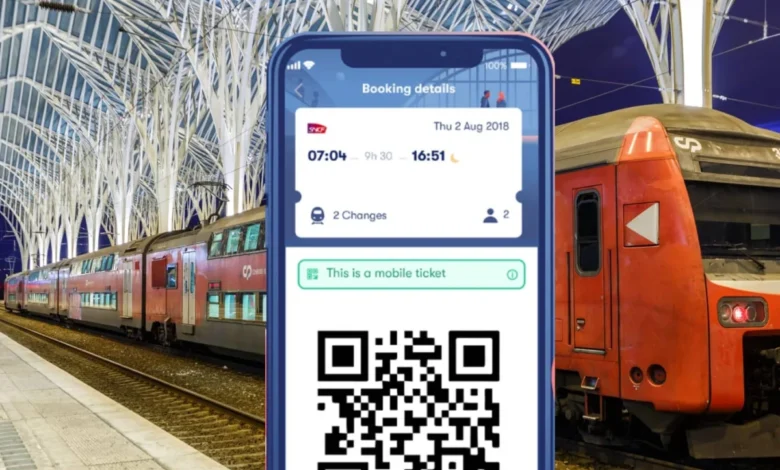
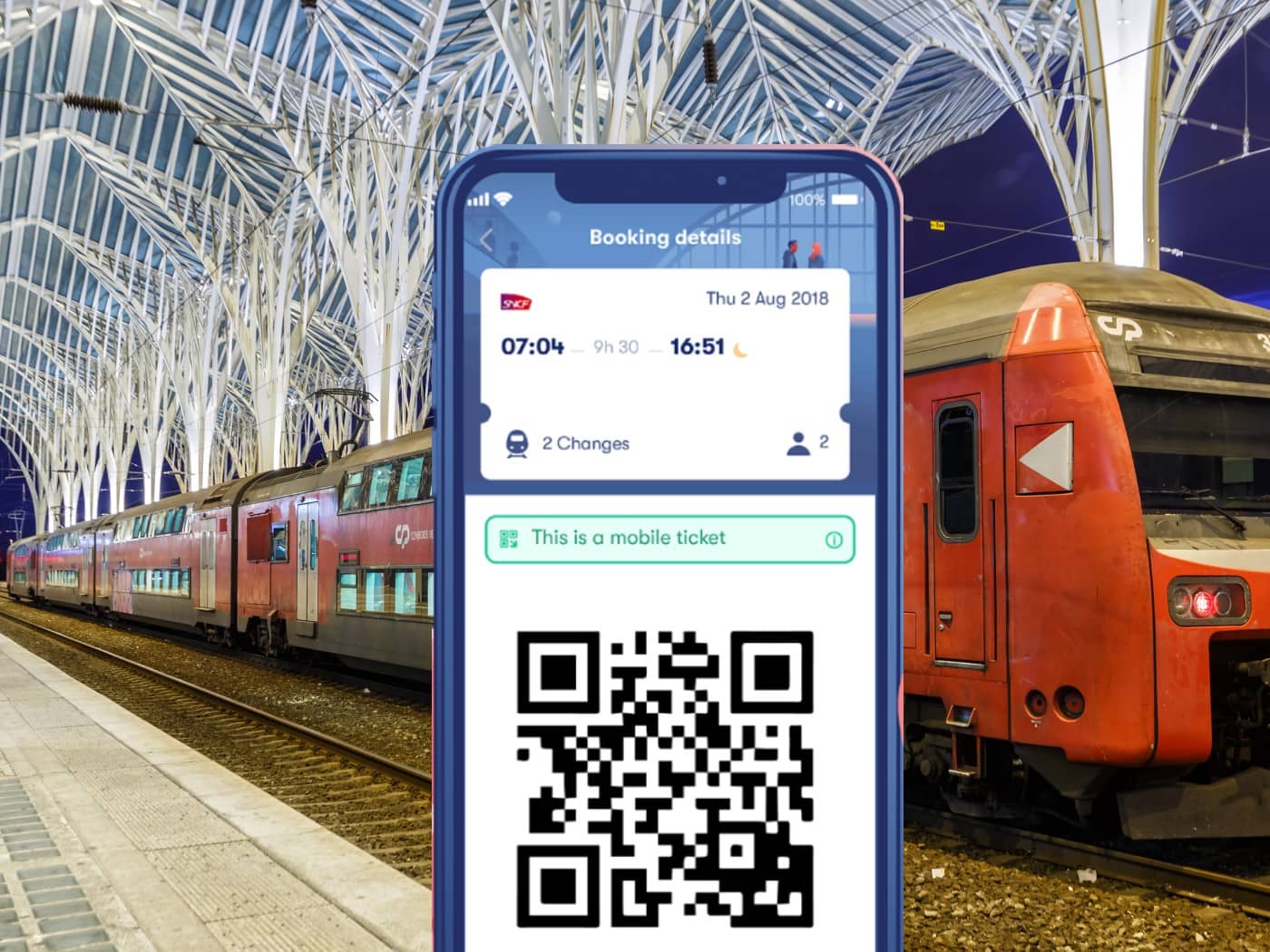
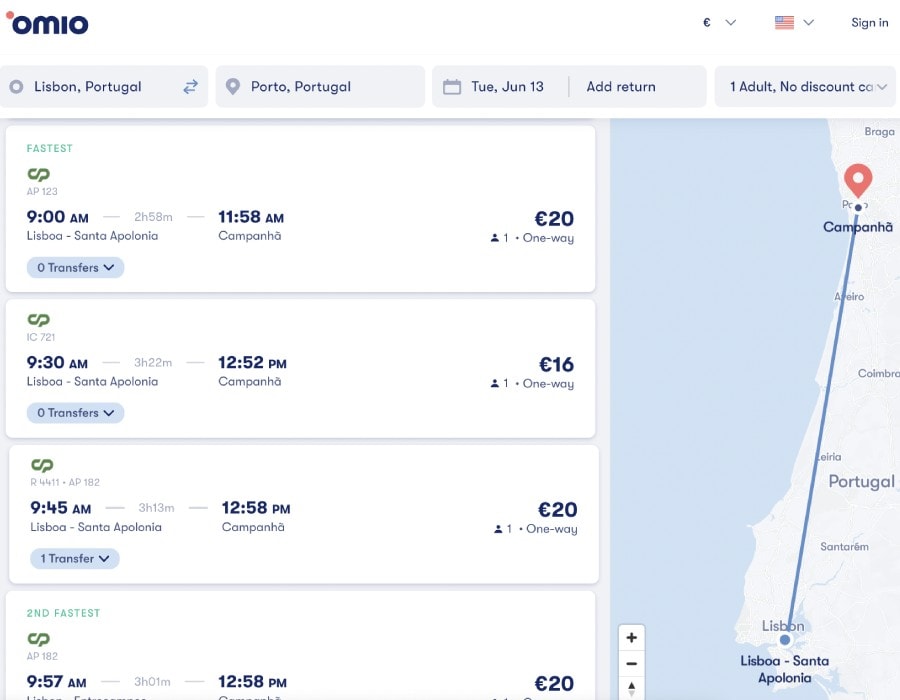
To circumvent these technological barriers, industry experts recommend utilizing third-party aggregators such as Omio or Trainline. These platforms mirror the inventory and pricing of the official CP system while offering streamlined, user-friendly interfaces tailored to international travelers. Operating systems on these platforms seamlessly accept foreign currency and credit cards without translation glitches. Although these third-party services typically levy a nominal convenience fee ranging from one to three dollars per transaction, the base ticket prices remain consistent with official railway rates. Furthermore, digital integration allows users to store e-tickets directly on mobile devices via dedicated applications or email, removing the necessity of physical ticket collection at congested station terminals.
Traditional Acquisition Methods at Railway Stations
For travelers who prefer purchasing tickets in person, Portugal’s railway stations offer both automated kiosks and staffed ticket windows. Automated ticket machines are generally the fastest option for on-the-spot purchases, featuring multilingual menus that include English. However, travelers should note that these terminals occasionally decline foreign credit cards, mirroring the processing issues found on the official CP web portal.
Staffed ticket windows serve as a reliable alternative for resolving payment issues or handling complex itineraries, as agents can process a broader array of international payment methods. Nevertheless, waiting times at ticket windows can stretch significantly during peak holiday seasons and morning rush hours. Additionally, smaller regional stations and weekend schedules often feature restricted operating hours, with ticket counters opening later in the morning. This operational constraint poses a notable risk for passengers attempting to catch early morning departures, reinforcing the recommendation to secure tickets at least a day in advance.
Fare Structures, Train Classifications, and Booking Timelines
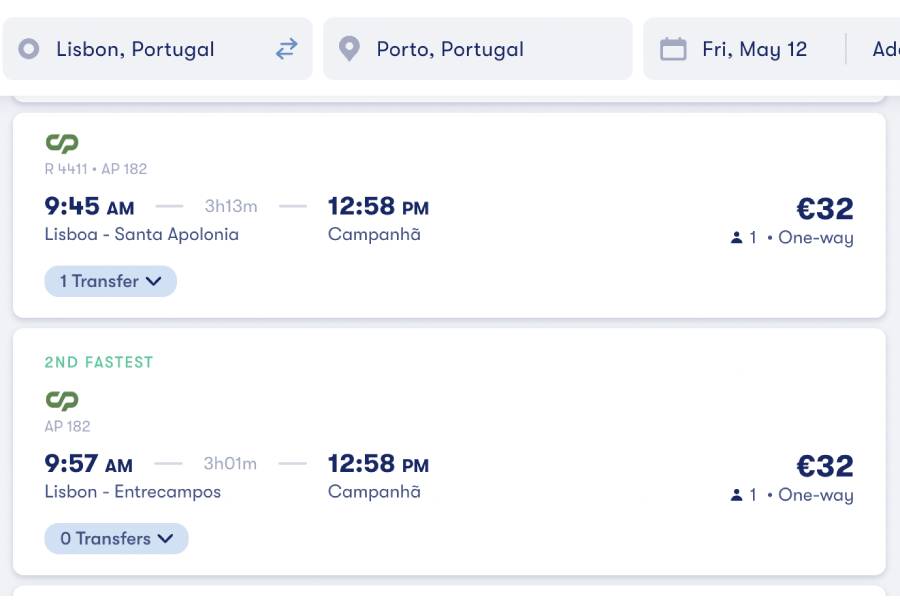
Portugal’s rail network utilizes a dynamic pricing and classification system that directly influences ticket costs and journey durations. Understanding the distinctions among train categories allows passengers to optimize their travel budgets and schedules.
Long-Distance and High-Speed Services
The Alfa Pendular (AP) represents the pinnacle of modern rail engineering in Portugal. Reaching speeds of up to 125 miles per hour, these high-speed trains connect the country’s major urban centers with minimal intermediate stops, drastically reducing transit times. Alongside the Alfa Pendular, Intercidades (IC) intercity trains service similar long-distance corridors. While slightly slower and utilizing older rolling stock than their high-speed counterparts, Intercidades trains remain a popular choice for budget-conscious travelers.
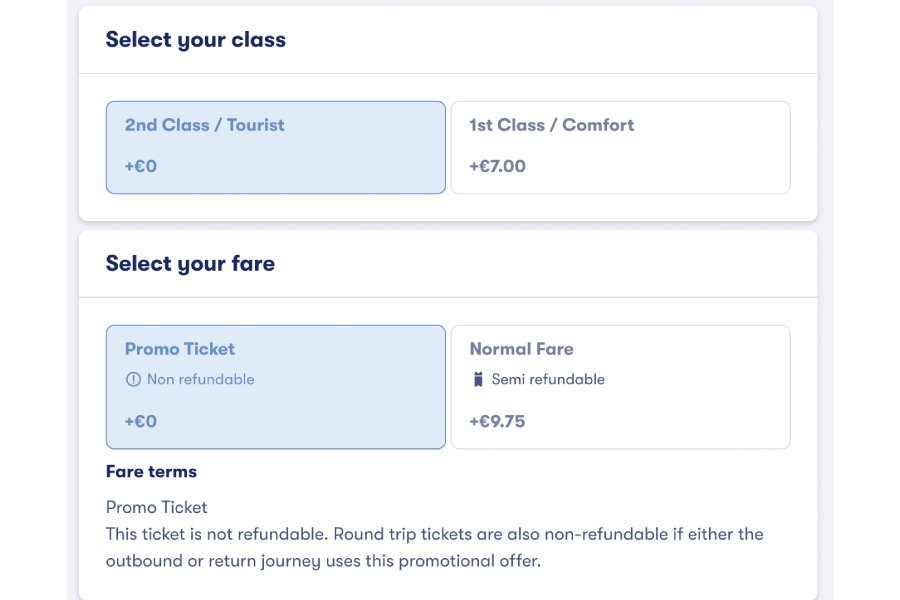
Both AP and IC services operate on a tiered pricing model. Tickets become available for purchase precisely 60 days prior to departure. Much like the airline industry, ticket prices scale upward as the departure date nears. Statistical trends indicate that securing tickets several weeks in advance can yield discounts of up to 50 to 60 percent compared to last-minute purchases. For example, a long-distance fare purchased a month ahead might cost roughly 10 euros, whereas a same-day ticket for the same route could surge to 35 euros or more.
Regional, Interregional, and Urban Networks
In contrast to high-speed corridors, Regional (R), Interregional (IR), and Urban (U) trains service short-haul, suburban, and rural routes. These services operate on fixed-price schedules that do not fluctuate based on booking timelines or demand. Consequently, these tickets cannot be reserved far in advance online and are typically purchased immediately prior to travel at station kiosks or via local transit cards.
Ticket Categories: Promotional Versus Flexible Fares
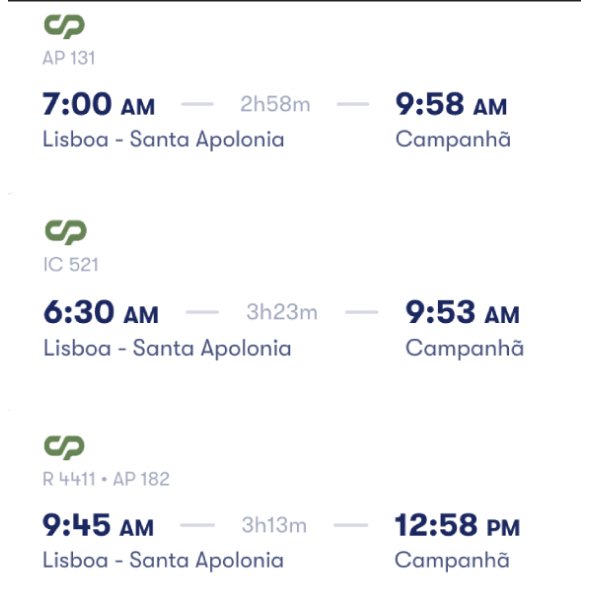
When booking long-distance journeys through platforms like Omio or Trainline, passengers are presented with various fare classes. Second-class seating is selected by default and provides ample comfort for the vast majority of travelers. First-class tickets, which cost approximately 50 percent more than standard fares, offer wider seats and additional legroom.
Beyond seating classes, fare rules dictate flexibility. The most economical options are classified as promotional fares ("promo fares"). While these tickets offer the lowest price point, they are strictly non-refundable and non-exchangeable, requiring firm travel itineraries. Conversely, normal-fare tickets permit cancellations and modifications up to 15 minutes prior to departure for a nominal administrative fee, though they carry a significantly higher initial purchase price.
Key Regional Routes and Transit Estimates
Portugal’s compact geography makes rail travel an efficient alternative to domestic air transit. Several primary corridors dominate passenger volume:
Lisbon to Porto: As the nation’s premier economic and cultural corridor, the route connecting Lisbon (Oriente Station) and Porto (Campanhã Station) is served by numerous daily direct connections. The Alfa Pendular completes the journey in approximately two hours and forty minutes, while the Intercidades takes roughly three hours and ten minutes. Base fares start around 32 euros, though early booking discounts frequently reduce costs by half.
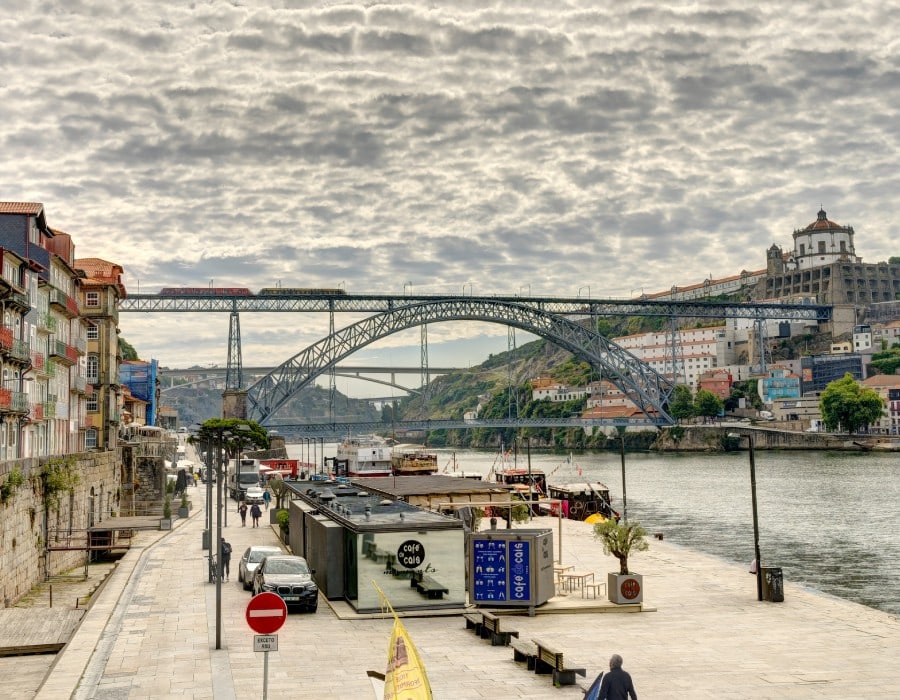
Lisbon to Coimbra: Situated roughly halfway between Lisbon and Porto, Coimbra serves as a major university hub and cultural waypoint. Direct high-speed and intercity trains connect Lisbon to Coimbra in one and a half to two hours, with standard fares ranging from 20 to 26 euros, dropping to 10 to 15 euros with advance purchase.
Lisbon to Faro: Connecting the capital to the sun-drenched Algarve region in the south, the rail journey to Faro takes approximately three hours on the Alfa Pendular and three and a half hours on the Intercidades service.
Lisbon to Sintra: Operating as the nation’s most heavily trafficked commuter and day-trip route, local urban trains connect Lisbon to Sintra in 45 minutes to one hour. Fares are fixed at a nominal rate of roughly 2.30 euros each way, with departures occurring multiple times per hour. Because online booking is unavailable for this urban line, tickets must be acquired at the station, where long queues frequently form during peak tourist months.

Practical Logistics and Passenger Guidelines
Navigating Portuguese railway stations requires attention to specific operational protocols to ensure a seamless transit experience. Travelers must verify their departure station well in advance, as major metropolitan areas like Lisbon and Porto feature multiple terminals.
Regarding luggage, official regulations restrict passengers to a personal item and a standard suitcase. However, enforcement remains lenient unless baggage volumes exceed reasonable capacity. Generous luggage racks are positioned near carriage entrances and overhead. Furthermore, high-speed AP and IC services include automated seat reservations integrated directly into the ticket purchase, while regional trains operate on a first-come, first-served seating policy.

Catering is available on most long-distance routes, with dedicated cafe or restaurant cars offering snacks, beverages, and alcoholic drinks. Passengers are also permitted to bring their own food and drinks on board all domestic services. Finally, international rail connections remain exceptionally limited due to geographic isolation; the primary cross-border route links Lisbon to Madrid, a grueling 14-hour journey that leads the vast majority of travelers to choose air transit for Iberian cross-border travel instead.