The Disconnect Dilemma: Why Modern Hospitality’s War on Wi-Fi is Becoming a Guest Relations Crisis


The modern hospitality industry is currently grappling with a growing tension between the rise of "digital detox" tourism and the practical requirements of the contemporary global workforce. As hotels, boutique lodges, and luxury resorts increasingly market the absence of Wi-Fi as a premium wellness amenity, a significant segment of the traveling public—particularly remote workers and freelancers—has begun to push back. This shift has ignited a debate over the ethics of enforced disconnection versus the professional necessity of constant connectivity in an era where the lines between work and leisure have become increasingly blurred.
The Rise of Wellness-Driven Digital Deprivation
Over the past decade, the hospitality sector has observed a marked trend toward "unplugged" travel. According to industry reports from 2024 and 2025, search queries for "digital detox retreats" and "off-grid accommodations" have increased by approximately 22% year-over-year. Marketing departments at high-end resorts have capitalized on this, rebranding the lack of internet infrastructure not as a technical limitation, but as a luxury experience designed to facilitate mindfulness and deeper engagement with nature.
Historically, this began in truly remote regions where technical infrastructure was physically impossible to maintain, such as in deep-jungle lodges, high-altitude mountain huts, or nomadic camps in the Gobi Desert. However, the current controversy centers on properties in urban or suburban environments—or accessible rural areas—where high-speed internet is readily available but deliberately withheld from guests.
Chronology of the Connectivity Conflict
The evolution of the "Wi-Fi-free" model can be mapped through several distinct phases of consumer behavior:

- 2010–2015: The Infrastructure Era. Connectivity was viewed as a basic utility. Hotels that did not offer Wi-Fi were generally considered substandard or technologically neglected.
- 2016–2020: The Wellness Pivot. Boutique hotels began positioning the lack of connectivity as a value-add. Marketing copy began emphasizing the "gift of silence" and "forced presence."
- 2021–2023: The Remote Work Surge. Following the global pandemic, the profile of the "traveler" changed. The rise of digital nomadism meant that for millions of people, travel was no longer a total break from labor but an extension of the workspace.
- 2024–Present: The Backlash. A growing cohort of professional travelers has started to critique the paternalistic nature of these policies, arguing that the decision to disconnect should rest with the individual, not the hotelier.
Professional Necessity and the Myth of the "Disconnected Vacation"
For the modern workforce, the demand for Wi-Fi is rarely driven by a compulsive need to "doomscroll" or engage with social media. Instead, it is a matter of professional continuity. Data from various labor studies suggests that the number of freelancers and remote employees in the United States alone has surpassed 70 million. For these individuals, a 90-second check of an email inbox can be the difference between maintaining a client relationship and missing a critical assignment or deadline.
The core of the issue lies in the distinction between "unplugging" as an individual choice and "unplugging" as a mandatory policy. When a property restricts Wi-Fi to a single common area, it creates a "chokepoint," forcing guests into specific, often crowded, zones to attend to their professional responsibilities. This lack of agency is cited by many experts in guest relations as a failure in hospitality. The consensus among those advocating for connectivity is that a hotel should function as a base of operations that adapts to the guest’s needs, rather than a moralizing entity that dictates the guest’s relationship with technology.
Economic and Logistical Implications
From a business operations standpoint, providing robust Wi-Fi is an increasingly standard operating cost. A 2023 industry survey of business travelers found that 88% of respondents considered reliable internet access to be the most important amenity in a hotel, ranking higher than in-room dining, gym facilities, or room service.
The decision by some properties to withhold this service can lead to significant economic consequences. When a hotel intentionally limits access, it alienates the "bleisure" traveler—the hybrid traveler who combines business with leisure. These travelers typically account for higher average daily rates (ADR) and longer stays. By failing to provide a workspace that includes stable connectivity, hotels risk losing this demographic to competitors that view the internet as an essential utility rather than an optional luxury.
The Debate on Agency and Autonomy
Psychologists studying digital usage have long noted that willpower is a finite resource. Proponents of the "no-Wi-Fi" movement argue that by removing the temptation of the internet, they are helping guests preserve that willpower. However, critics suggest this is a patronizing view of the adult traveler.
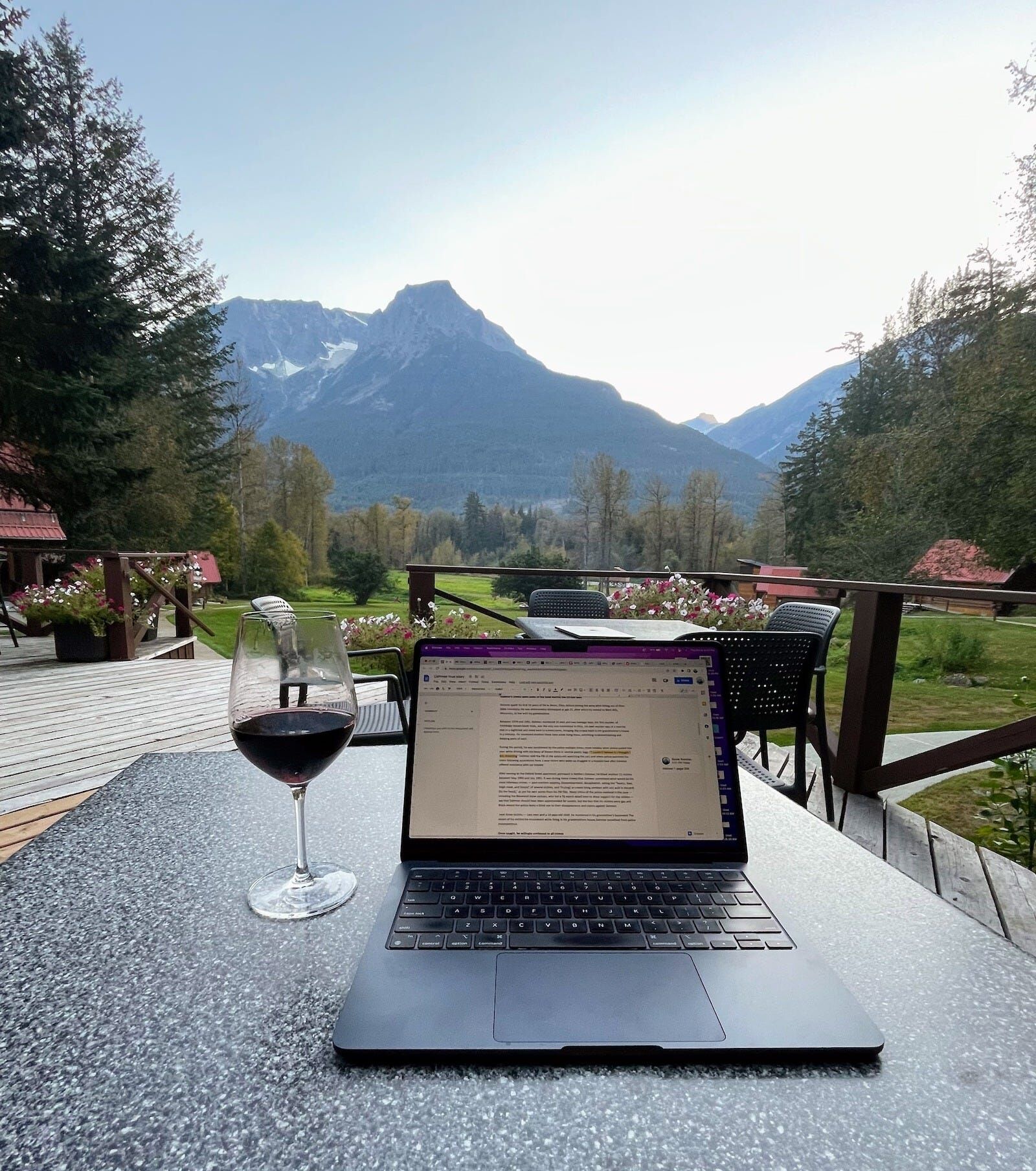
"The implication that a guest cannot handle the existence of a Wi-Fi router without becoming addicted to their screen is essentially an insult to the guest’s autonomy," says one travel industry analyst. "It conflates the availability of a tool with the compulsion to use it. A traveler should be trusted to put their phone in a drawer if they want to enjoy a forest view. They should not need the hotel to create a ‘no-signal’ prison to force them into a mindfulness exercise."
Future Trends in Hospitality Tech
As the conflict continues, some hotels are finding a middle ground. "Hybrid-connectivity" policies are emerging, where guests can opt into "unplugged" packages that disable in-room routers, while others can request full-access rooms. This approach honors the guest’s individual preference rather than imposing a universal, rigid policy.
Furthermore, the expansion of satellite-based internet services, such as Starlink, is effectively making it impossible for even the most remote lodges to claim that they "cannot" provide connectivity. As these services become cheaper and more reliable, the "we don’t have the technology" excuse is vanishing, leaving hotels with no choice but to be transparent about their policies: either they are choosing to restrict access for a perceived wellness benefit, or they are failing to invest in modern infrastructure.
Conclusion: A Call for Transparency
Ultimately, the friction surrounding hotel Wi-Fi is a symptom of a larger, ongoing negotiation between service providers and a workforce that is more mobile than ever before. The hospitality industry thrives when it accommodates the diverse needs of its guests, not when it attempts to enforce a singular, pre-packaged vision of a "perfect" vacation.
If a hotel wishes to promote a digital detox, the most professional approach is to offer it as an option—perhaps by providing a secure, high-speed connection that can be turned off at the guest’s request. By framing the absence of technology as a benefit and forcing it upon travelers who may have legitimate, time-sensitive work to conduct, properties are failing to recognize the reality of the modern professional landscape. In the hospitality business, the guest’s experience should remain the priority, and in the 21st century, that experience is increasingly defined by the ability to choose when to connect and when to look away.
Related posts: