Beyond the Hull: How Modern Superyachts Redefine Floating Architecture and Ultra-Luxury Travel

When the general public envisions a superyacht, the mental image is typically dominated by conventional metrics of opulence: an imposing length overall, high-end Italian leather upholstery, and a retinue of uniformed crew members standing at attention. However, this traditional perception captures only a fraction of contemporary maritime design. Over the past decade, the multi-million-dollar vessel sector has undergone a profound evolution. Today’s modern superyachts have transitioned from mere long-range transport vehicles into hyper-sophisticated, self-sustaining floating resorts engineered for multi-generational entertaining, corporate retreats, comprehensive wellness, and complete seclusion from the congested shores of the Mediterranean and Caribbean.
This transformation represents a convergence of naval architecture, residential interior design, and green technology. Rather than functioning simply as platforms to move from one port of call to the next, modern superyachts are built so that the vessel itself forms the core of the holiday experience. To understand how contemporary builders and designers are reshaping the industry, it is necessary to examine the five defining architectural and technological features that distinguish today’s elite superyachts from their predecessors.
1. Expansive Outdoor Living Spaces and Multi-Functional Deck Architecture
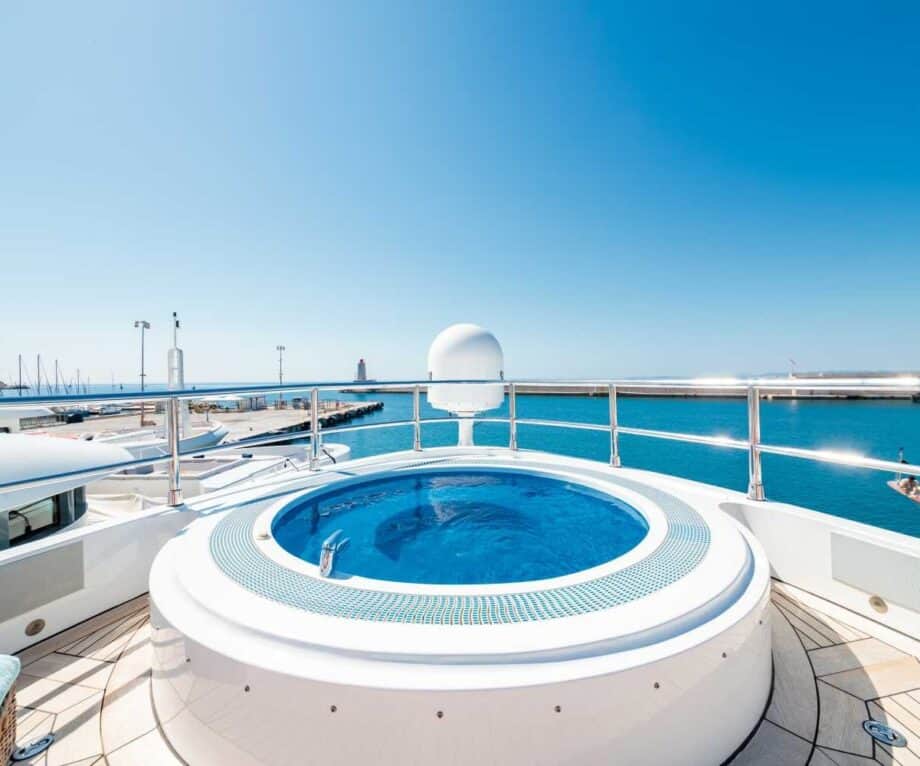
Historically, yacht decks served functional purposes for navigation, sunbathing, or formal dining. Modern naval architecture, however, treats the exterior deck space as an extension of a luxury home’s ground floor, emphasizing seamless indoor-outdoor transitions. Designers have radically reconfigured layouts to maximize square footage, particularly on the aft and sun decks.
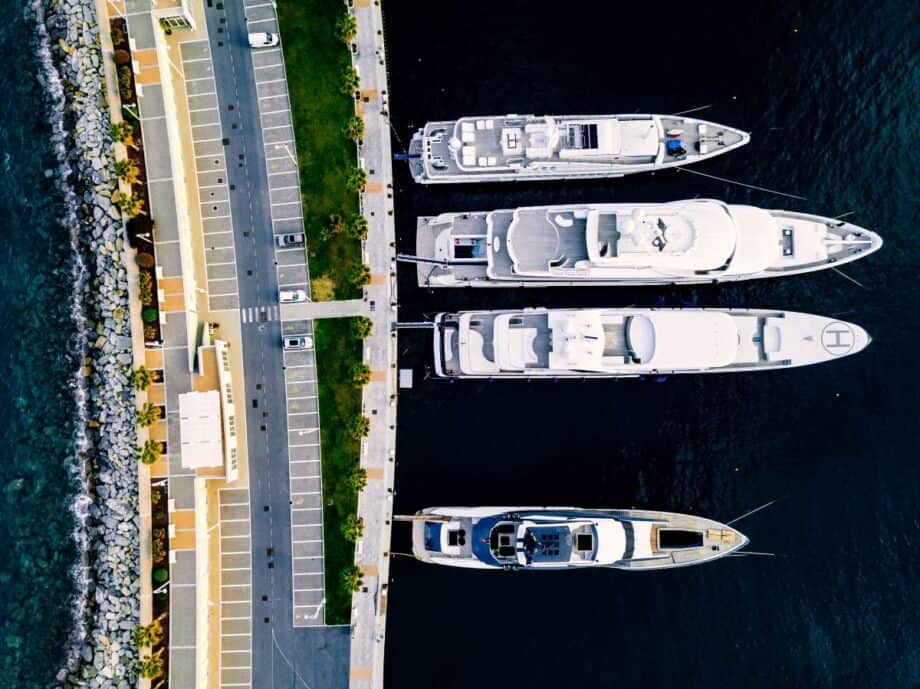
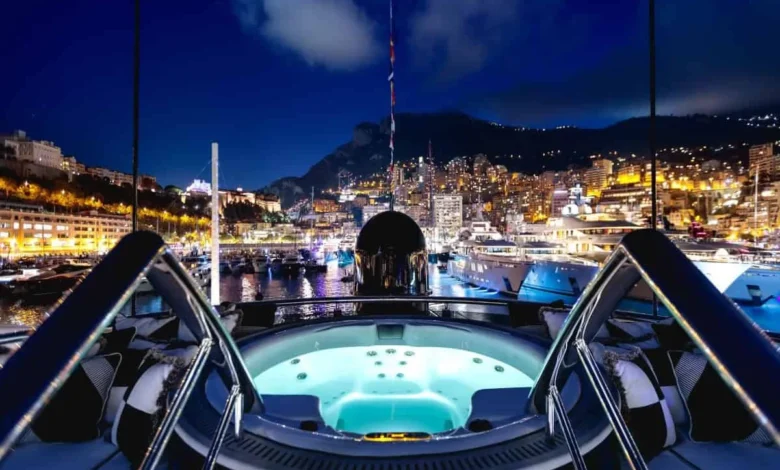
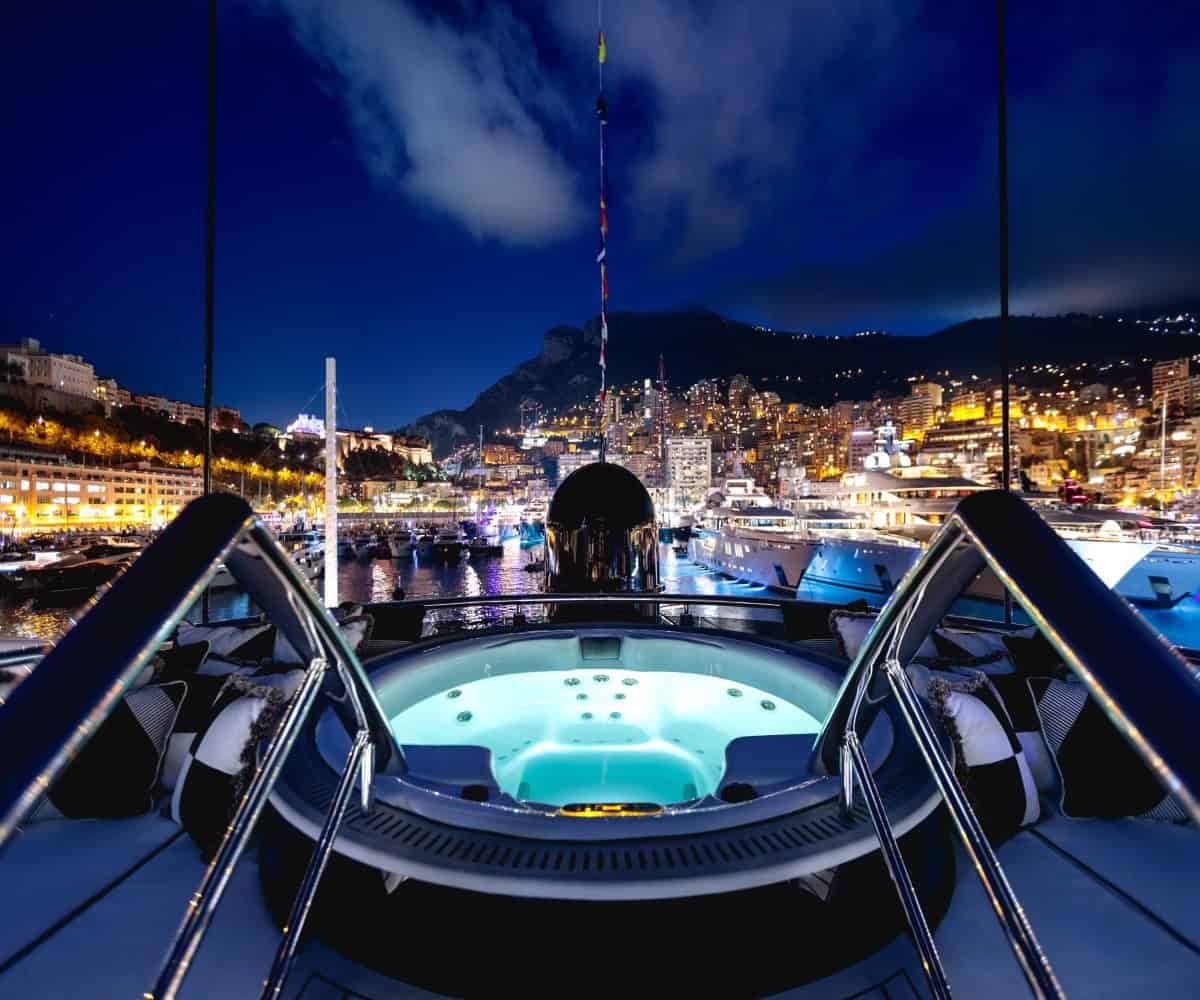
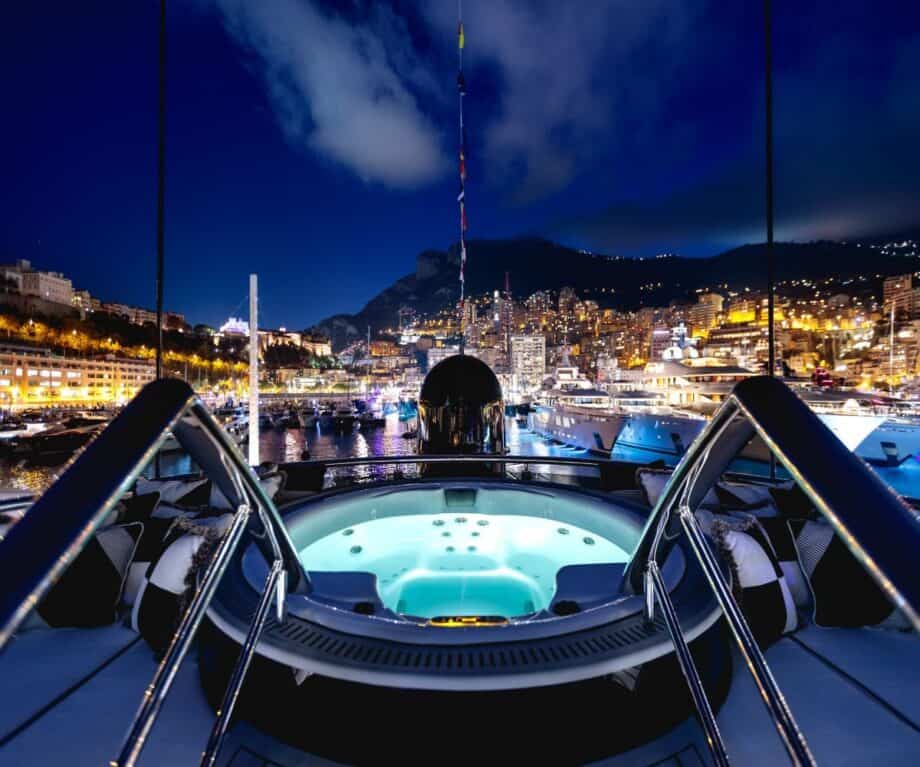
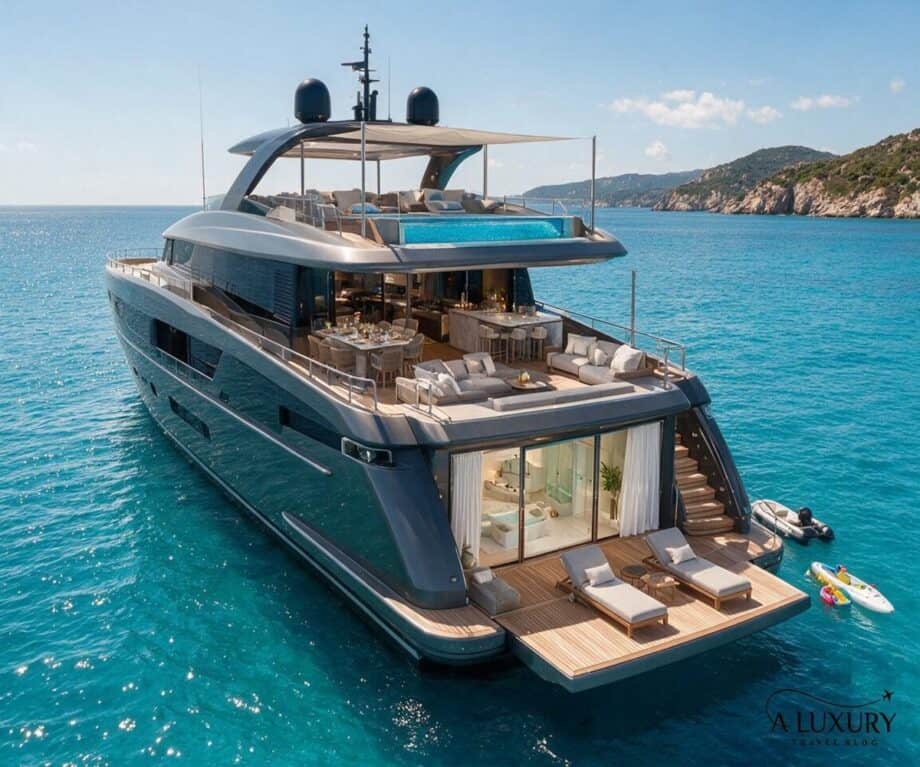
Contemporary aft decks frequently incorporate modular lounging setups that rival elite terrestrial beach clubs. Rather than standard sun loungers, these spaces feature integrated outdoor kitchens, full-service cocktail bars, glass-walled infinity pools, and raised Jacuzzis. This architectural shift allows guests to experience a continuous flow of activities throughout the day—ranging from an open-air breakfast overlooking a secluded cove to an afternoon swim in a deck-top pool, concluding with a formal dinner under the stars—all without navigating cramped stairways or altering their immediate environment. For travelers evaluating a luxury yacht charter in premier cruising grounds such as the French Riviera, deck layout and outdoor functionality have emerged as decisive factors in vessel selection.
2. Integrated Onboard Wellness and Holistic Health Facilities
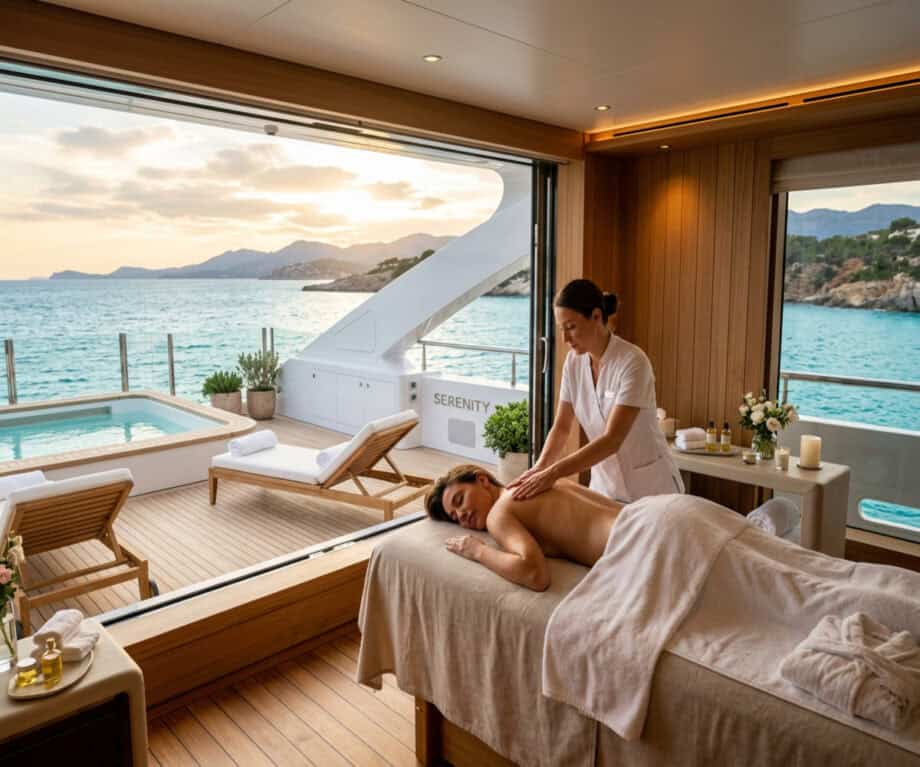
The wellness tourism sector, valued globally in the trillions, has heavily influenced superyacht manufacturing. Discerning owners and charter clients increasingly demand that elite health and wellness facilities travel with them, eliminating the need to disembark and seek out destination spas.
Modern superyachts exceeding 50 meters in length routinely feature dedicated wellness decks. These spaces encompass comprehensive thermal suites, including Finnish saunas, Turkish hammams, and cryotherapy chambers, alongside private massage and treatment rooms. High-end vessels often integrate state-of-the-art gymnasiums equipped with Technogym machinery, dedicated yoga and pilates studios with panoramic ocean views, and cold-plunge hydrotherapy pools.
According to brokerage data, the inclusion of dedicated wellness infrastructure significantly alters the daily rhythm of an extended charter. Guests can transition directly from high-intensity coastal exploration to restorative therapies in absolute privacy, insulated from the crowds typical of land-based luxury resorts.
3. The Evolution of the Transom Beach Club
Perhaps no single design innovation has revolutionized life at anchor quite like the modern beach club. Historically, the aft section of a yacht was reserved for tender storage and mechanical operations. Today, shipyards transform this lower-deck area into an expansive waterfront terrace.
Through hydraulic engineering, transom doors fold downward and side coamings extend outward, creating a massive waterside platform situated mere inches from the sea surface. These beach clubs are frequently equipped with integrated fresh-water showers, hydraulic swim steps that lower into the ocean, espresso bars, and secure storage bays for an array of water toys, including Seabobs, electric hydrofoils, jet skis, and scuba gear.

This direct interface with the marine environment removes the logistical friction of traditional swimming excursions. Guests no longer require tender rides or crowded public beaches to enjoy the water; instead, the yacht’s stern becomes a private aquatic playground.
4. Bespoke, Adaptable Interiors and Flexible Spatial Design
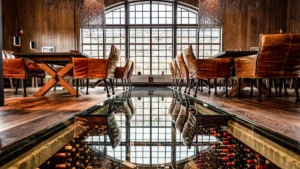
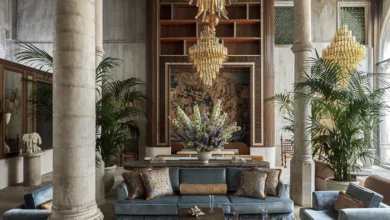
The interior of a superyacht is no longer a static showcase of expensive woods and heavy marbles. Interior designers working with high-net-worth clients now prioritize extreme personalization coupled with functional adaptability.
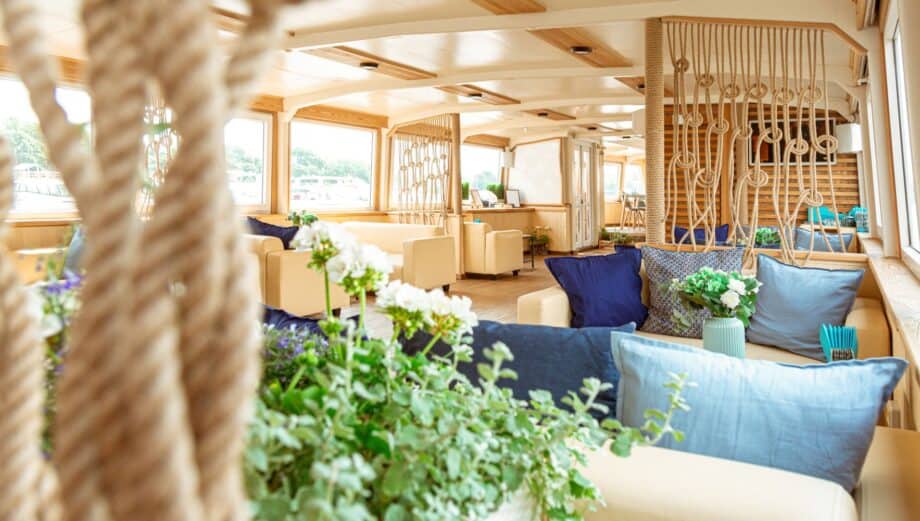
Bespoke craftsmanship ensures that no two vessels share the same aesthetic, allowing owners to curate an environment that mirrors their personal residences. More importantly, however, modern naval interiors emphasize spatial flexibility. Sliding acoustic partitions, disappearing pocket doors, and transforming furniture allow a formal dining salon to convert effortlessly into a cinema room or a large-scale social space for evening entertaining. Floor-to-ceiling glass windows and low-profile bulwarks flood the interior with natural light, ensuring that the maritime landscape remains an active component of the room’s design. This practical luxury ensures that large living areas can accommodate shifting group dynamics throughout a voyage without requiring structural alterations.
5. Seamless, Invisible Smart Technology and Acoustic Engineering
The true measure of technological advancement on a modern superyacht is its complete invisibility. Rather than exposing guests to complex control panels and technical interfaces, shipbuilders integrate sophisticated automation systems designed to operate quietly in the background.
Centralized smart-home systems allow guests to control ambient lighting, climate zones, audio-visual entertainment, and automated window shades via intuitive handheld tablets or integrated wall pads. Simultaneously, advanced engineering addresses the traditional sensory disturbances of life at sea. Modern vibration-damping materials, acoustic floating floors, and sophisticated gyro-stabilization systems significantly reduce engine noise and roll at anchor, providing a whisper-quiet, stable environment that surpasses many five-star hotels. High-bandwidth satellite communications, including low-earth orbit systems like Starlink Maritime, ensure uninterrupted global connectivity, enabling owners to conduct international business seamlessly from international waters.
Industry Implications and the Future of Maritime Luxury
The evolution of the superyacht from a symbol of status into a sophisticated floating ecosystem reflects broader shifts in luxury consumer behavior. Today’s charterers and owners place a premium on experiential privacy, health, and personalized utility.
As naval architects continue to push the boundaries of hybrid propulsion, eco-friendly operations, and modular design, the gap between land-based architectural marvels and maritime engineering will continue to narrow. For the elite travel sector, the modern superyacht stands not merely as a mode of transit, but as the ultimate expression of bespoke, self-contained living.