From MasterChef Champions to Cultural Stewards: How Karena and Kasey Bird Are Redefining Indigenous Cuisine

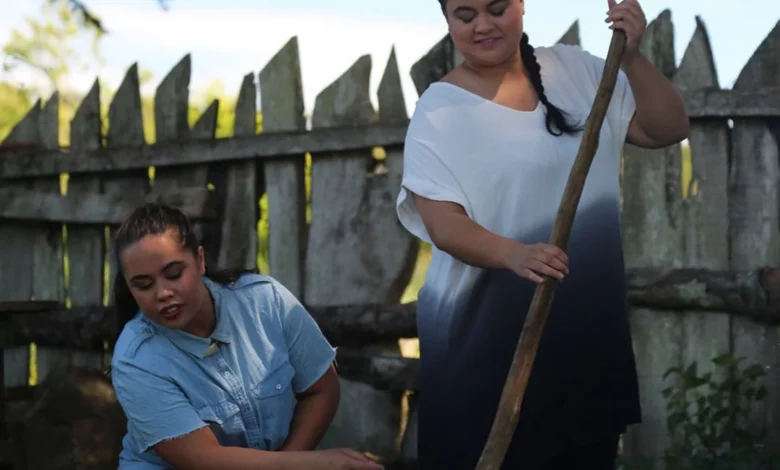
The journey of culinary success is often mapped by Michelin stars, high-end tasting menus, and international accolades. For Karena and Kasey Bird, victors of the 2014 season of MasterChef New Zealand, the trajectory of their careers has defied these conventional metrics. While their post-show professional portfolio includes authored cookbooks, television hosting contracts, and extensive global travel, their current mission pivots sharply away from elite gastronomy. Today, the sisters are concentrating their efforts on Maketu, the small, predominantly Māori community on New Zealand’s North Island where they spent their formative years, seeking to elevate indigenous culinary traditions and language reclamation through food.
This evolution from competitive television cooks to cultural standard-bearers did not happen overnight. It was catalyzed by years of international exploration, where unexpected encounters with deep-rooted indigenous food systems forced the sisters to reevaluate their own cultural inheritance.
Global Inspirations and the Catalyst for Cultural Reconnection
The philosophical shift in the Bird sisters’ culinary approach was gradual, forged across multiple continents. Ironically, the realization of how deeply connected they needed to be to their own heritage occurred thousands of miles away from Aotearoa (New Zealand).
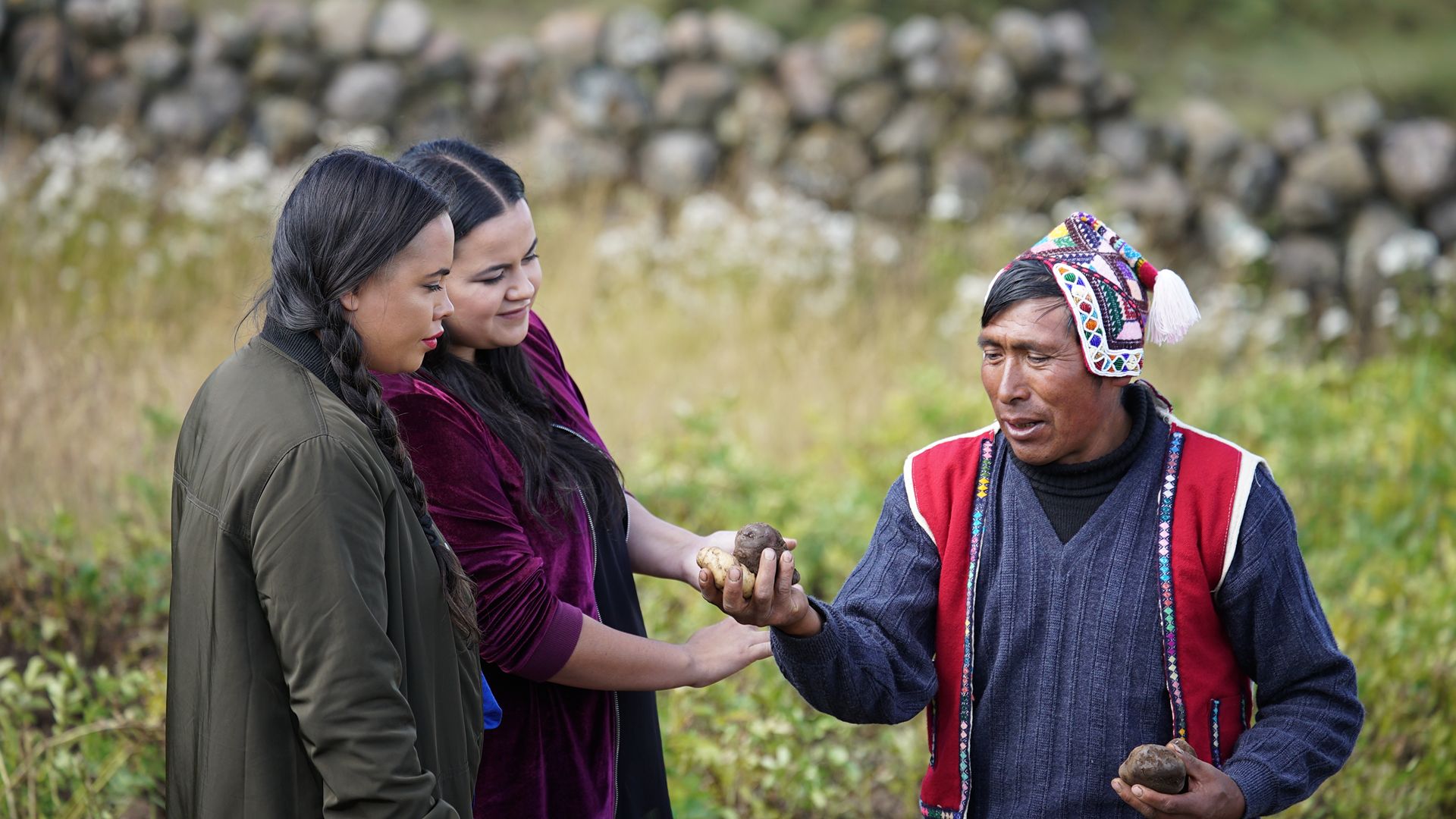
One defining moment took place on a high-altitude hillside in Peru. While visiting local farmers near Cusco, the sisters were offered an unpretentious midday meal: native potatoes cooked over burning donkey dung, paired with fresh goat’s cheese and a wild-foraged herb sauce. Sitting on the hillside, consuming ingredients harvested directly from the earth beneath them, Karena and Kasey experienced an indelible culinary epiphany. The meal lacked the sophisticated plating of the world-class restaurants they had frequented, yet its vibrant flavor and absolute proximity to the source left a permanent impression.
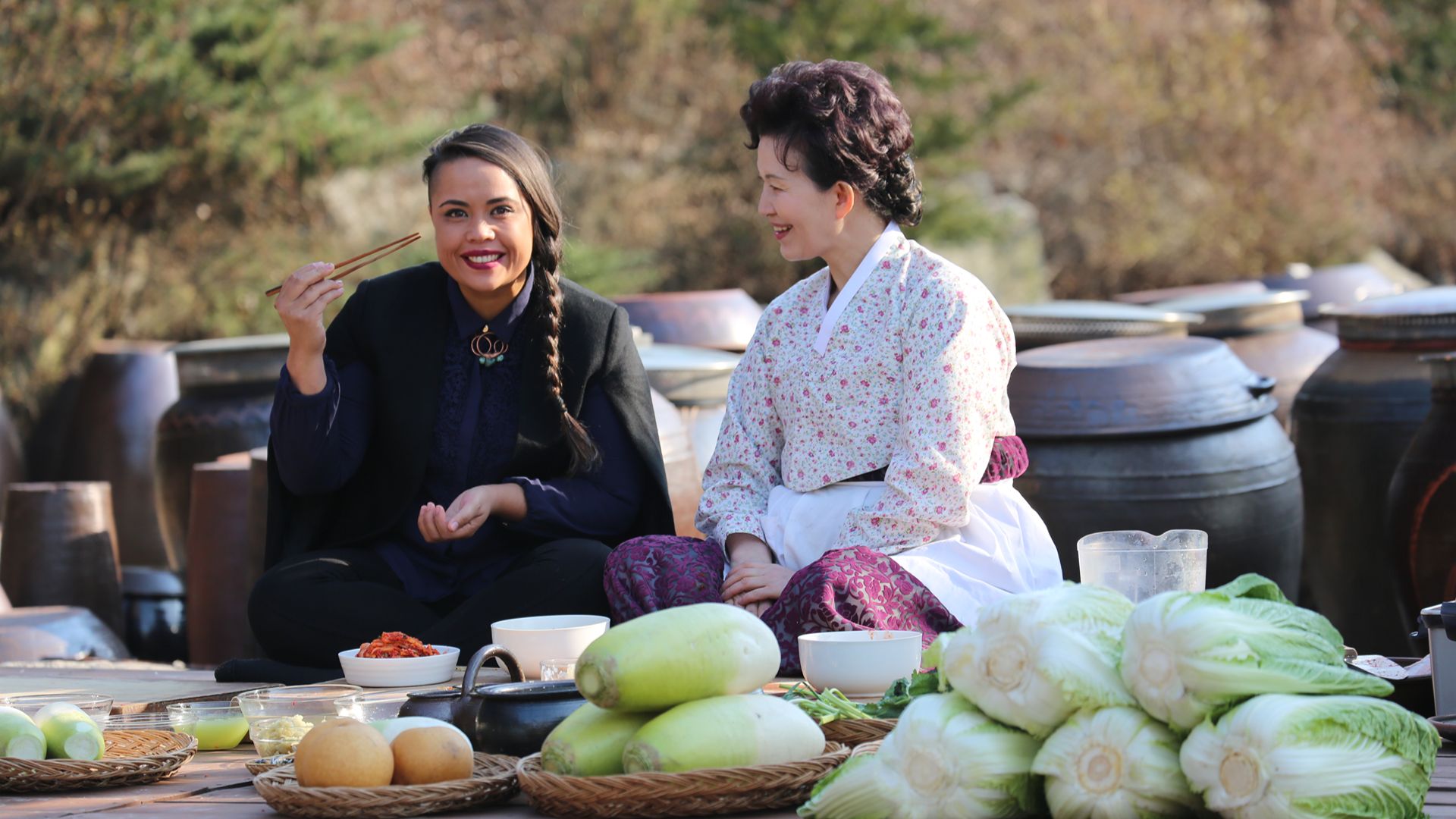
A similar revelation occurred in South Korea, where Karena worked alongside an 80-year-old master making traditional kimchi. As she tasted the fermented cabbage, she was struck by the realization that she had traveled across the globe to learn ancient preservation techniques while remaining largely unfamiliar with the traditional practices and indigenous knowledge systems of her own Māori culture. This experience served as the critical catalyst. Recognizing that their fluency in te reo Māori (the indigenous language of New Zealand) and their understanding of ancestral food preparation were incomplete, the sisters made the deliberate decision to step back from their bustling international schedules. They committed to full-time study of te reo Māori to achieve fluency, ensuring their public identities as chefs accurately reflected their heritage. This dedication culminated in the publication of their third cookbook, written entirely in te reo Māori—a milestone project that significantly deepened their cultural integration.
Childhood Roots in Maketu and the Urban Awakening
To understand the current direction of Karena and Kasey Bird, one must examine their upbringing in Maketu, a coastal settlement in the Bay of Plenty region. Their childhood was saturated with communal abundance and food systems anchored in reciprocity. Neighbors regularly dropped off bags of fresh mussels or recently smoked kahawai—a salmon-like South Pacific fish. Collecting shellfish after school and cooking them over an open fire was a standard afternoon activity rather than a novelty.
As teenagers, the sisters saved their pocket money to fund three-hour road trips to Auckland, where they would secure reservations at the city’s premier dining establishments to observe contemporary culinary trends. At 16 and 17 years old, their presence in high-end urban eateries frequently raised eyebrows among patrons and staff alike, prompting questions about who these young visitors from a small rural village were.
Yet, it was only after moving permanently to the city that the sisters realized the communal, hyper-local food sharing they took for granted in Maketu was not the societal norm. In Maketu, visits to the local marae (Māori meeting place) were routine, and households routinely featured baskets of freshly harvested tomatoes or locally grown garlic. The realization that urban populations were largely disconnected from the origin of their food reinforced the value of their rural upbringing.
Mastering the Hangi and Global Underground Cooking Techniques
Central to Māori culinary tradition is the hangi, an ancient method of earth-oven cooking that uses heated rocks buried in a pit to slowly roast meats and vegetables. This communal feast preparation is rooted in manaakitanga—the Māori principles of hospitality, care, and mutual respect—and is typically reserved for major celebrations and formal gatherings.
The process is labor-intensive and communal, requiring the digging of a pit, the construction of a wood fire over volcanic stones, and the careful layering of meats such as pork, beef, and lamb alongside root vegetables like sweet potatoes. The entire assembly is covered with damp cloths, traditional flax leaves, and earth to seal in the heat, allowing the food to cook slowly over several hours until it absorbs a distinct, earthy flavor.
While international travelers often experience the hangi as a curated cultural tourism event in New Zealand, the Bird sisters grew up treating it as an accessible, everyday method of cooking. This familiarity proved invaluable when they filmed their travel-cooking television series, Karena and Kasey’s Kitchen Diplomacy. During production, the sisters discovered parallel underground cooking traditions across the globe, inspiring a comparative culinary philosophy.
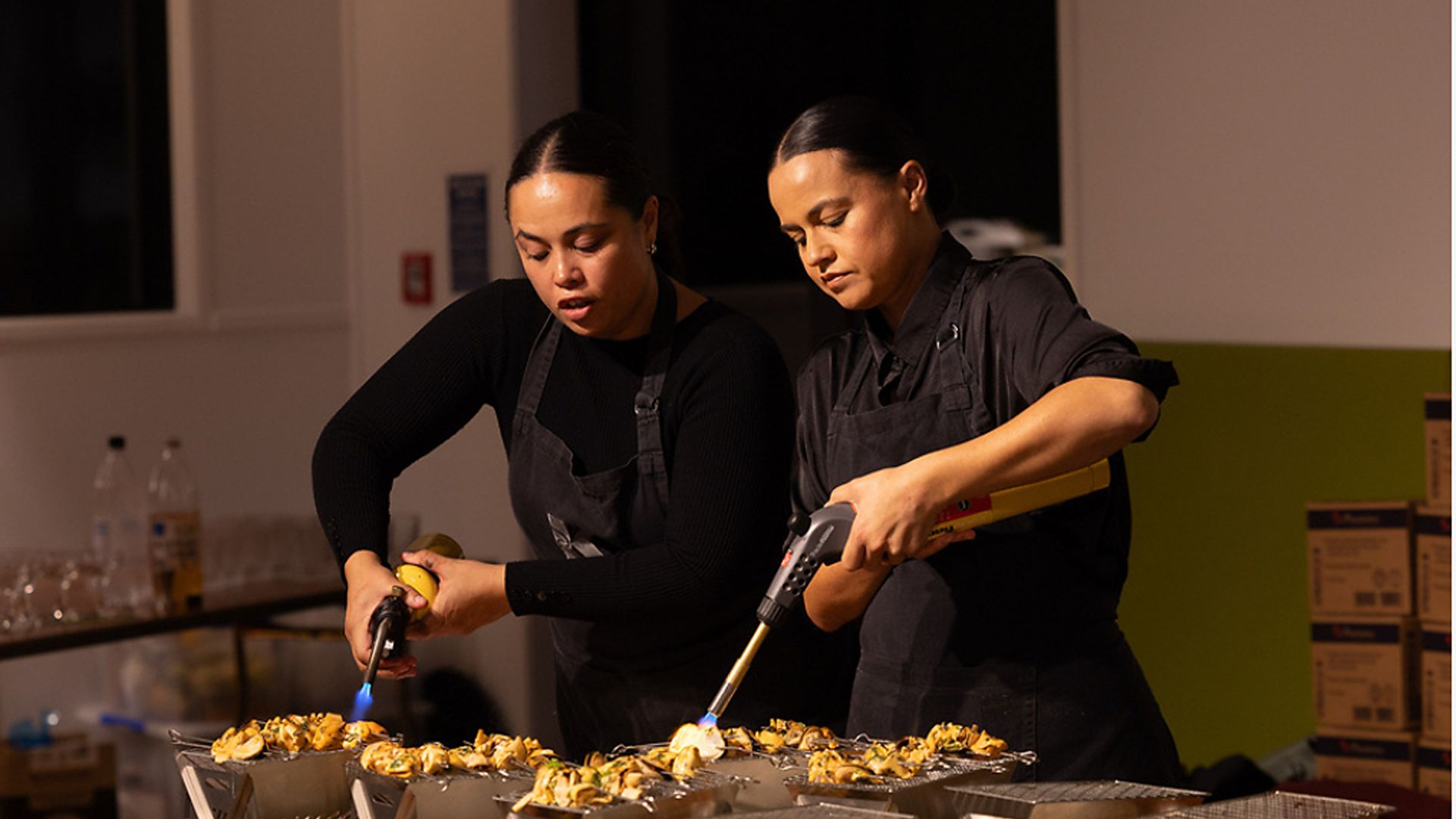
In Chile, they observed the curanto, an underground method incorporating seafood, local chorizo, and various meats. In New Caledonia, they noted techniques utilizing fresh coconut milk to create stew-like profiles within subterranean settings. These global discoveries inspired the sisters to host experimental dining events, such as "Beneath the Surface We’re All Connected," where they integrated international ingredients—such as New Zealand’s green-lipped mussels and foreign spices—into traditional hangi frameworks.

From Palatable to Political: Immersive Culinary Storytelling
Buoyed by international restaurant concepts that utilized audiovisual storytelling to provide context to dishes, the sisters transitioned from standard cooking demonstrations to immersive, narrative-driven dining experiences. Their events moved past mere gustatory pleasure, directly addressing historical injustices and cultural preservation.
Their first major conceptual project, "The Creation Dinner," explored Māori deities and traditional creation narratives. This was followed by "Maumahara" (meaning "to remember"), an event focused on nostalgia, the flavors of Aotearoa, and the pervasive impact of the Māori worldview.
One standout course within the Maumahara experience served as direct political commentary regarding the New Zealand government’s historical suppression of the Māori language. Kasey and Karena designed a palate cleanser crafted to visually resemble a bar of soap—a direct reference to their mother’s childhood experiences in native schools, where students were physically punished and had their mouths washed out with soap for speaking te reo Māori.
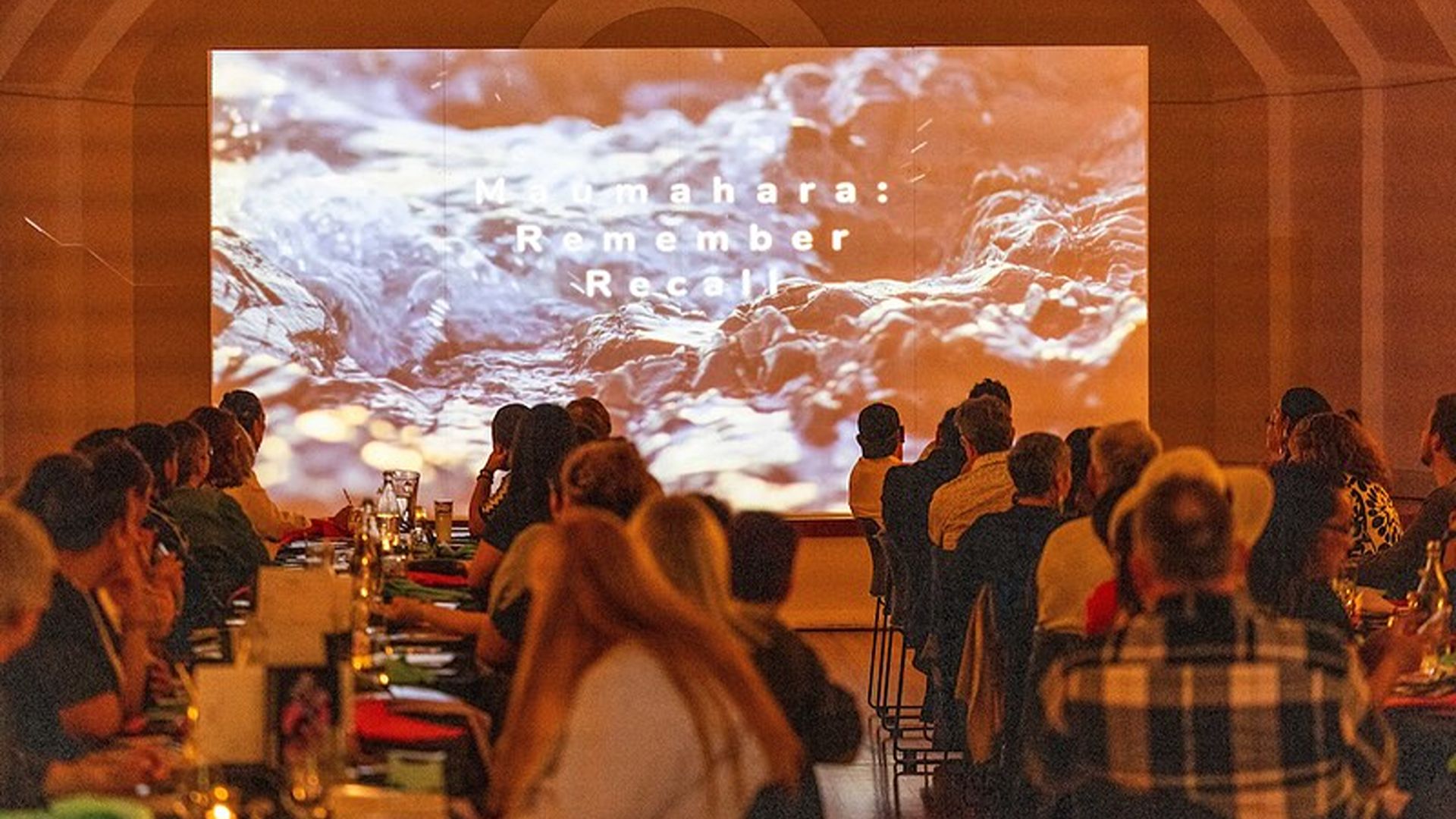
While such conceptual courses risk provoking discomfort among diners, the sisters have embraced this tension. They argue that stepping out of safe, palatable culinary spaces is essential for authentic cultural expression. Their international travels provided the self-assurance required to articulate these narratives publicly, utilizing the plate as a medium for truth and historical acknowledgment.
Broader Implications and the Future of Indigenous Gastronomy
Despite the heavy political and historical subtext embedded in their recent menus, Karena and Kasey maintain that taste and accessibility remain paramount. They express a conscious awareness that formal degustation menus can intimidate indigenous populations who historically lack access to high-end dining environments. By grounding their creations in familiar indigenous ingredients—such as watercress—they strive to bridge the gap between avant-garde gastronomy and community-accessible comfort.
The trajectory of Karena and Kasey Bird illustrates a broader global movement among indigenous chefs who are reclaiming traditional foodways, languages, and histories. By treating food not merely as sustenance or entertainment, but as an archive of resilience and a tool for cultural revitalization, the sisters have redefined their roles within the culinary landscape. Their work demonstrates that the most profound gastronomic experiences are not measured by the exclusivity of a restaurant reservation, but by the depth of connection a dish fosters with the land, the community, and the ancestral past.