25 Best Things to Do in Flagstaff: A Comprehensive Guide to Northern Arizona’s High-Country Hub


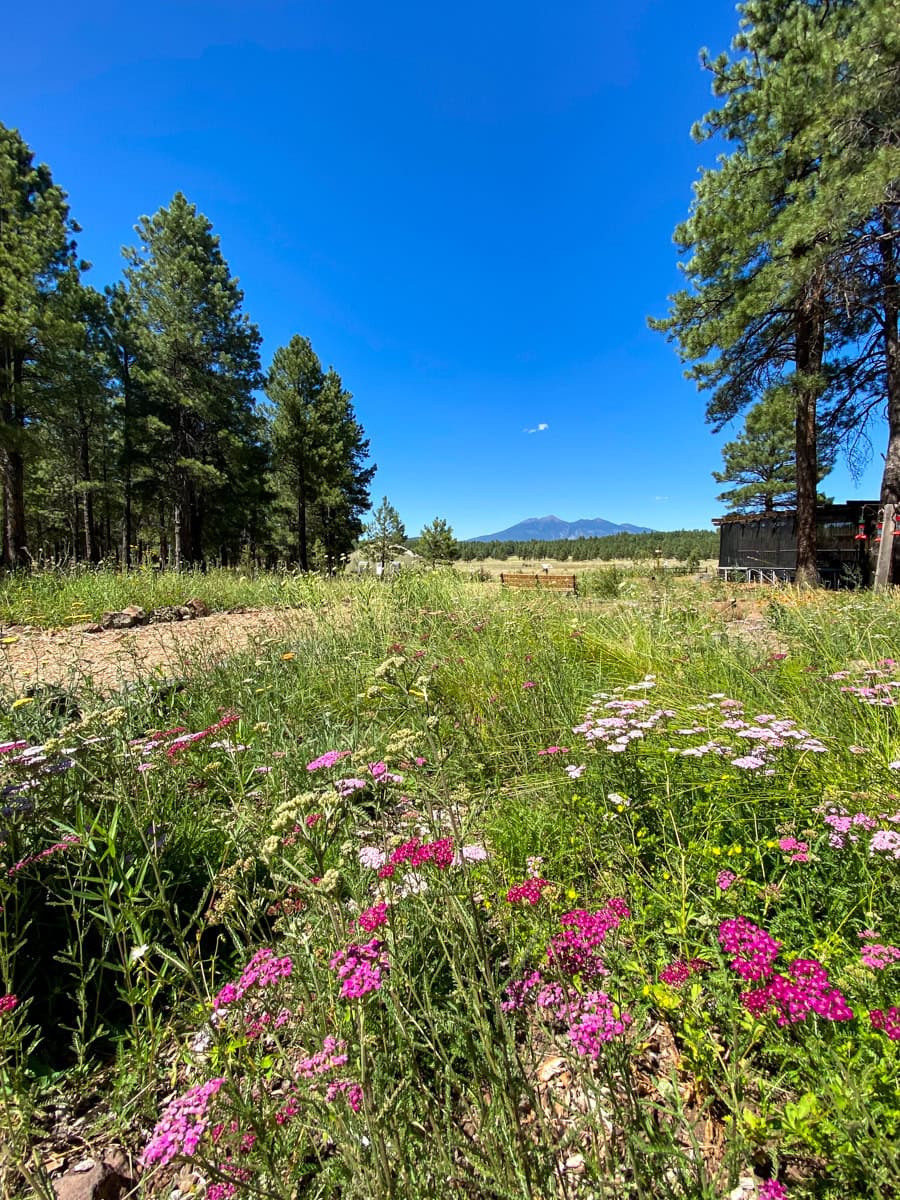
Flagstaff, Arizona, situated at an elevation of 7,000 feet on the Colorado Plateau, serves as a premier destination for year-round recreation, academic inquiry, and historical exploration. As the seat of Coconino County, this mountain city functions as a vital logistical gateway to Northern Arizona’s most significant geological and cultural landmarks, including the Grand Canyon National Park, the San Francisco Peaks, and various volcanic fields. With a population exceeding 77,000, the city balances its role as a regional economic center with a commitment to preserving its high-country aesthetic and Dark Sky heritage.
The Historical and Cultural Foundation
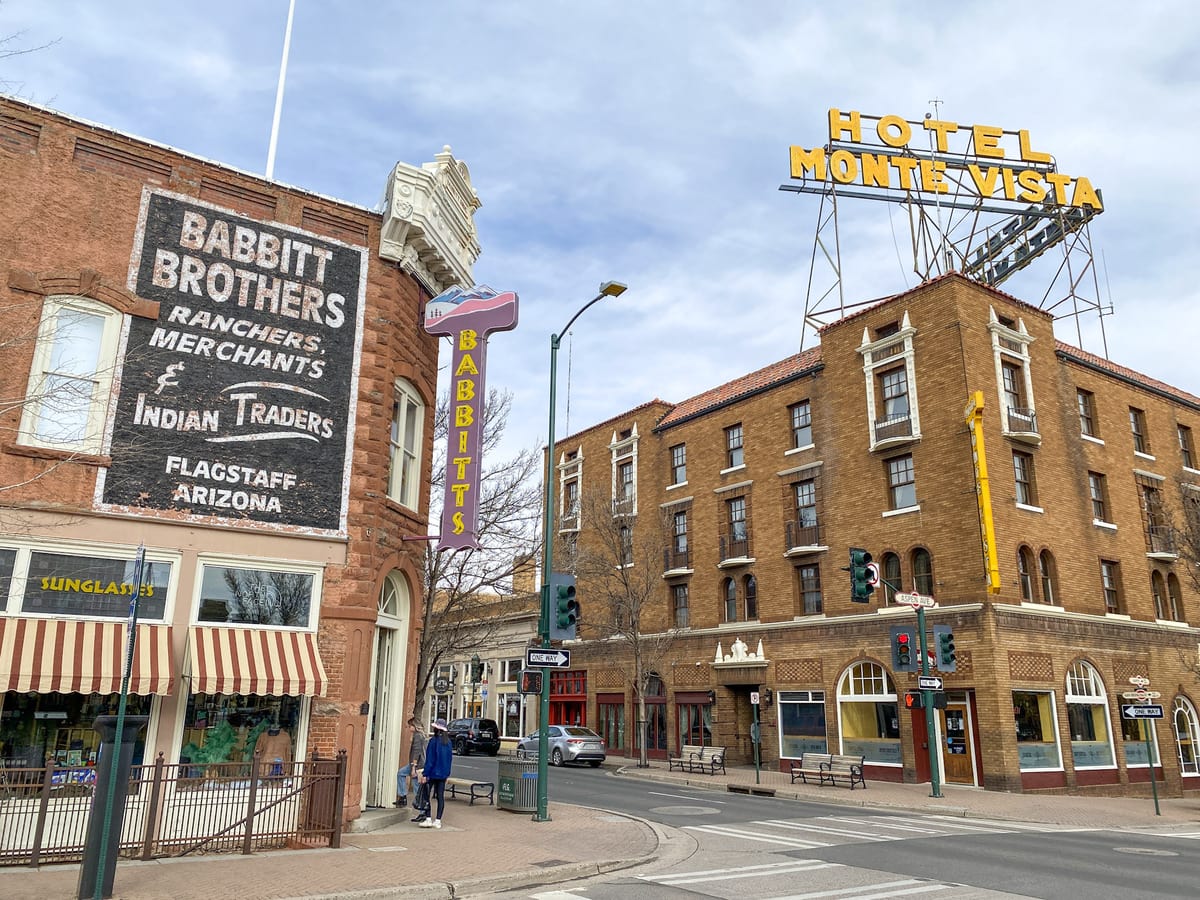
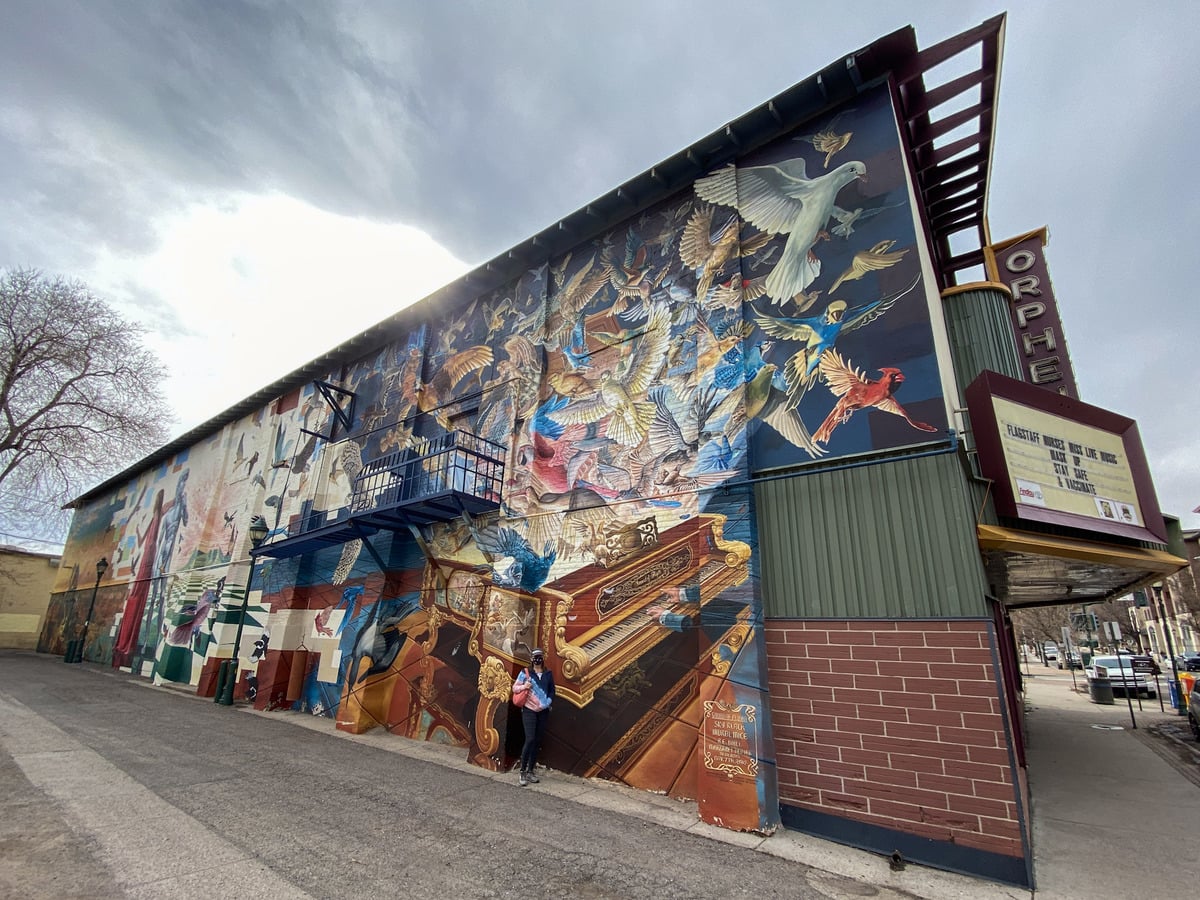
The city’s development is inextricably linked to the arrival of the Atlantic and Pacific Railroad in 1882, which spurred the local logging and ranching industries. Historic Downtown Flagstaff remains the epicenter of this legacy, featuring architecture that dates back to the late 19th century. Landmark structures, such as the site of the original Babbitt Brothers department store, provide a physical timeline of the town’s transition from a frontier outpost to a vibrant municipal center.
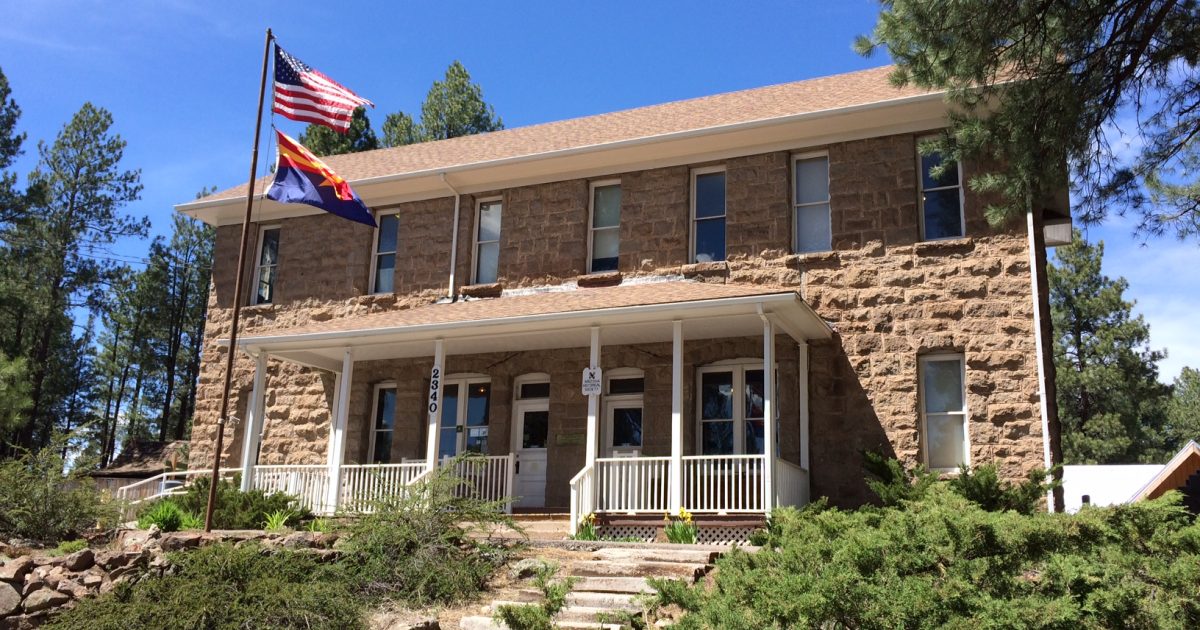
The cultural landscape is further defined by the presence of Northern Arizona University (NAU). Established in 1899, the institution not only shapes the local economy but also influences the city’s demographics, with students accounting for over a quarter of the total population. The campus, characterized by its historic Old Main building and extensive arboreal canopy, serves as a hub for both scholarly research and public engagement.
Scientific Significance and Dark Sky Preservation
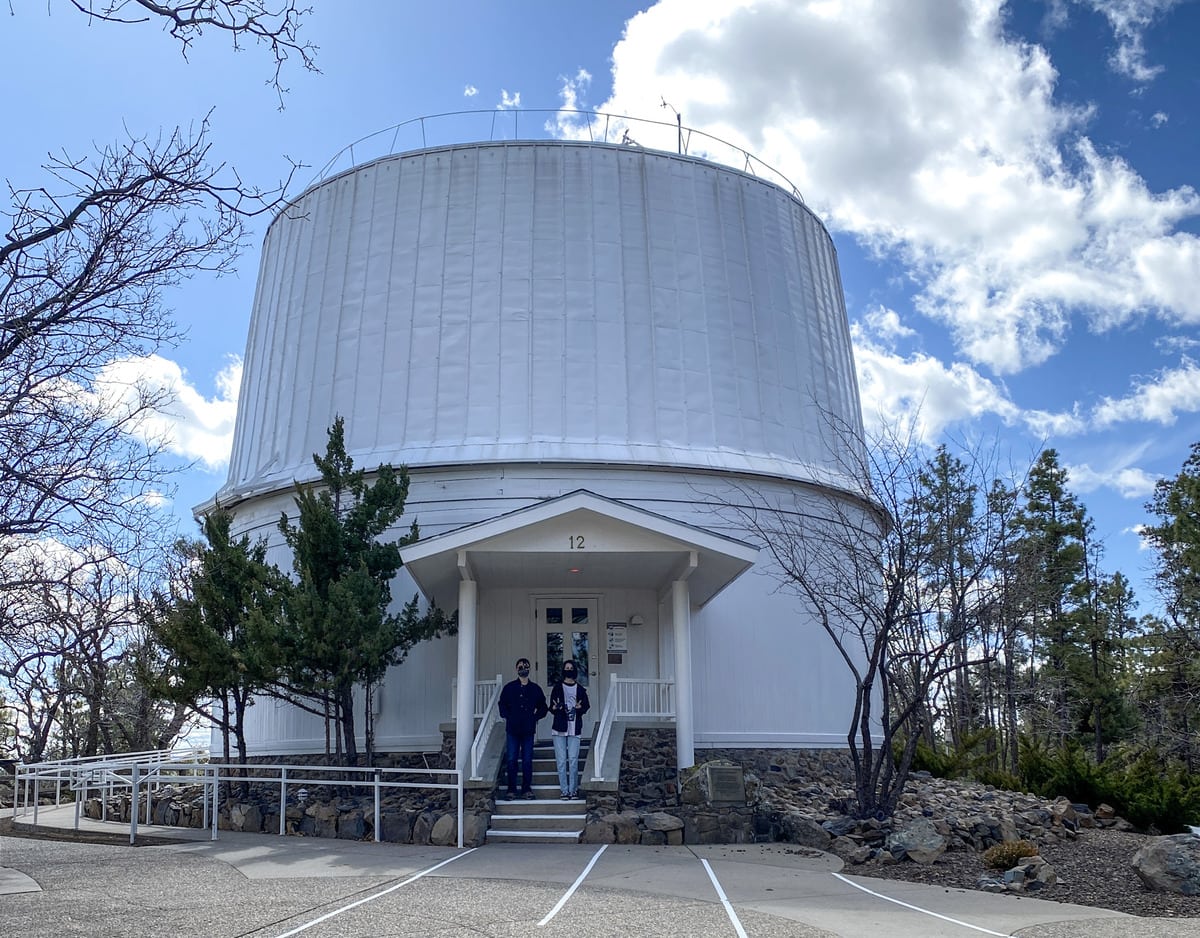
Flagstaff holds the distinction of being the world’s first International Dark Sky City, a designation awarded by the International Dark-Sky Association in 2001. This policy, which strictly regulates outdoor lighting, protects the astronomical research conducted at the Lowell Observatory.
Founded in 1894 by Percival Lowell, the observatory is globally recognized for the 1930 discovery of Pluto by Clyde Tombaugh. The facility continues to play a critical role in modern planetary science and has served as a training ground for Apollo-era astronauts who utilized the local topography to simulate lunar conditions. Today, the observatory offers the public access to the Clark Refractor, a telescope that has been in operation for over 125 years, providing a direct link to the infancy of modern American astronomy.
Geological Diversity and National Monuments
The surrounding geography of Flagstaff is defined by the San Francisco Volcanic Field, an area of profound interest to geologists. Sunset Crater National Monument marks the site of a major eruption approximately 900 years ago, which dramatically altered the local environment and influenced the migration patterns of ancestral Indigenous populations.
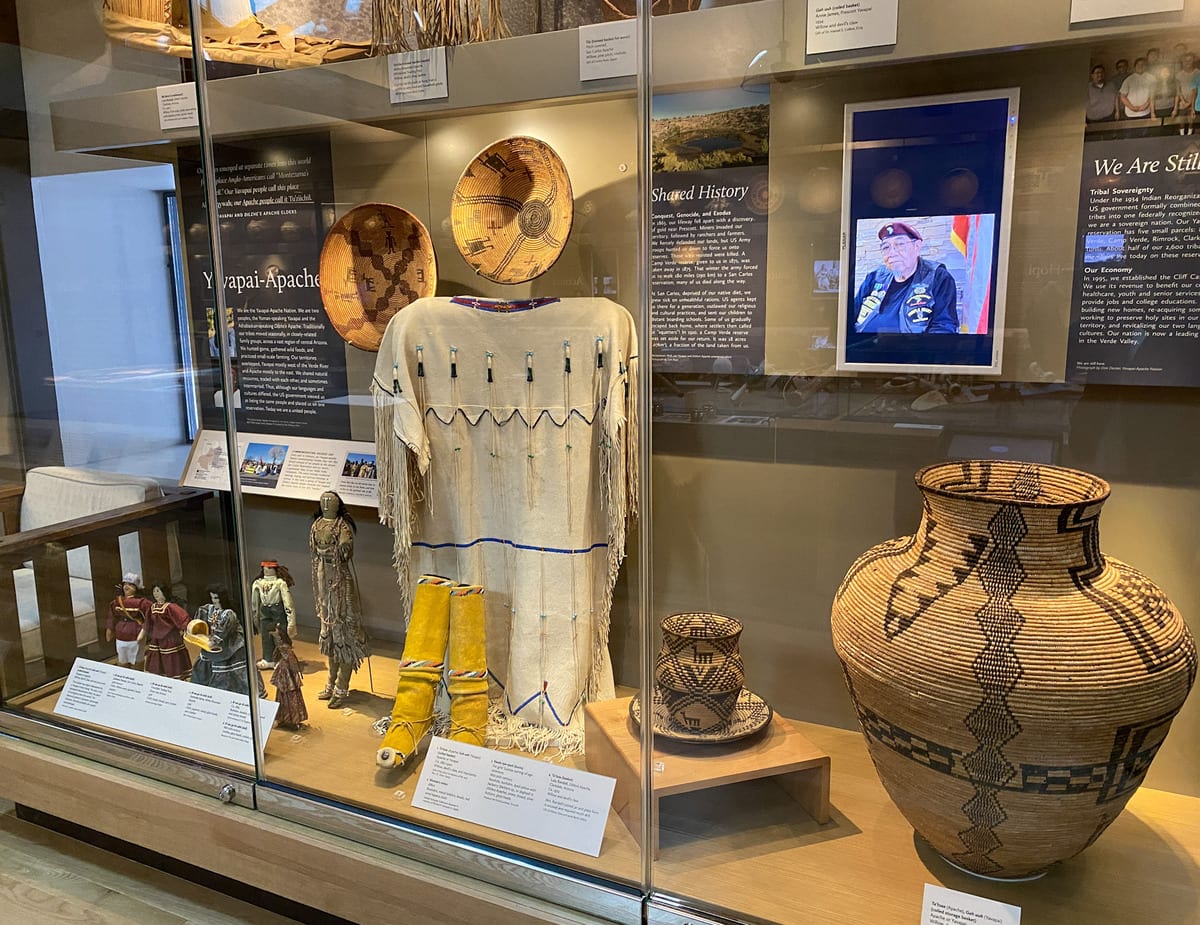
The region’s history is further evidenced by the Walnut Canyon National Monument and Wupatki National Monument. Walnut Canyon preserves 300 cliff dwellings constructed by the Sinagua people between 600 and 1400 AD. Wupatki, situated in a more arid landscape, features a multi-story pueblo and a prehistoric ball court, indicating a complex, interconnected society that thrived in the high desert for centuries before its abandonment in the early 13th century. These sites are essential for understanding the demographic shifts and adaptive strategies of the Colorado Plateau’s early inhabitants.
Economic and Recreational Infrastructure
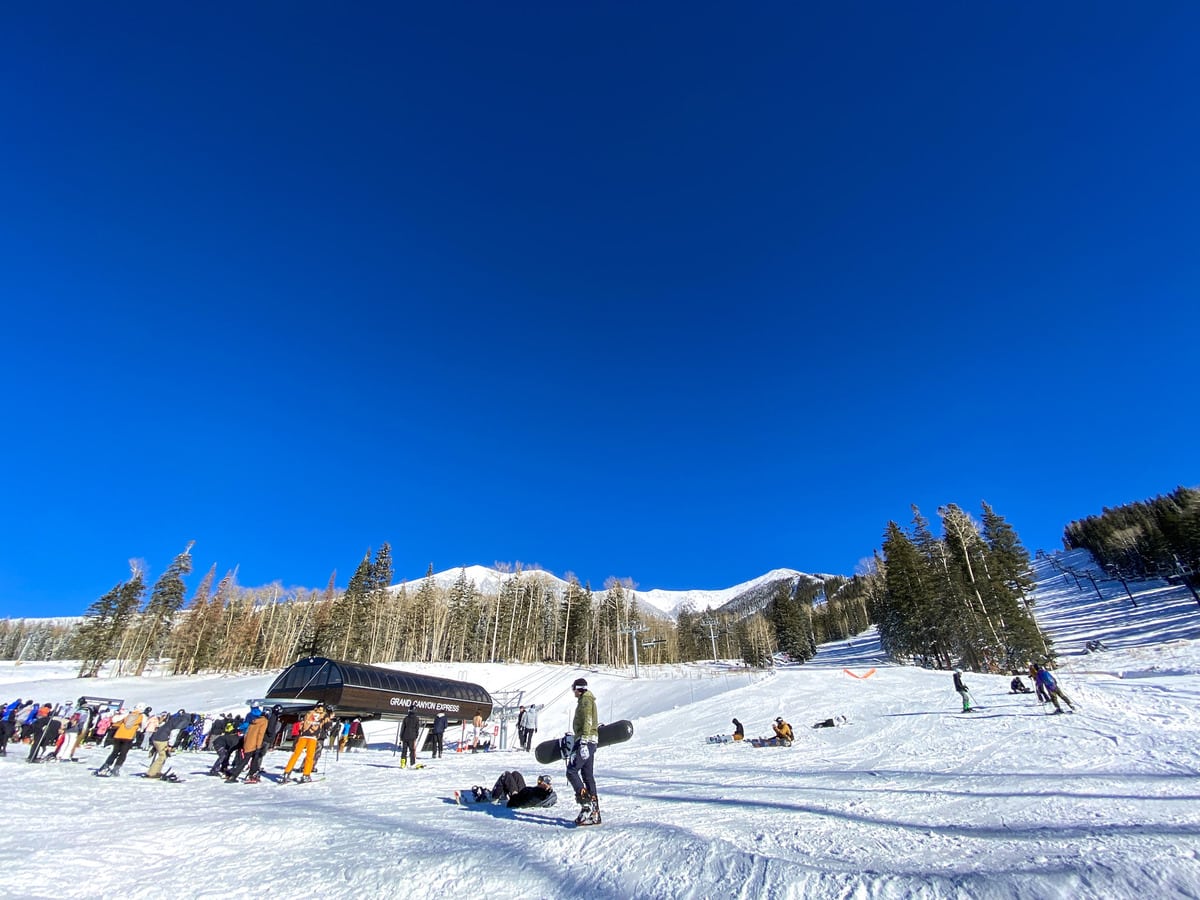
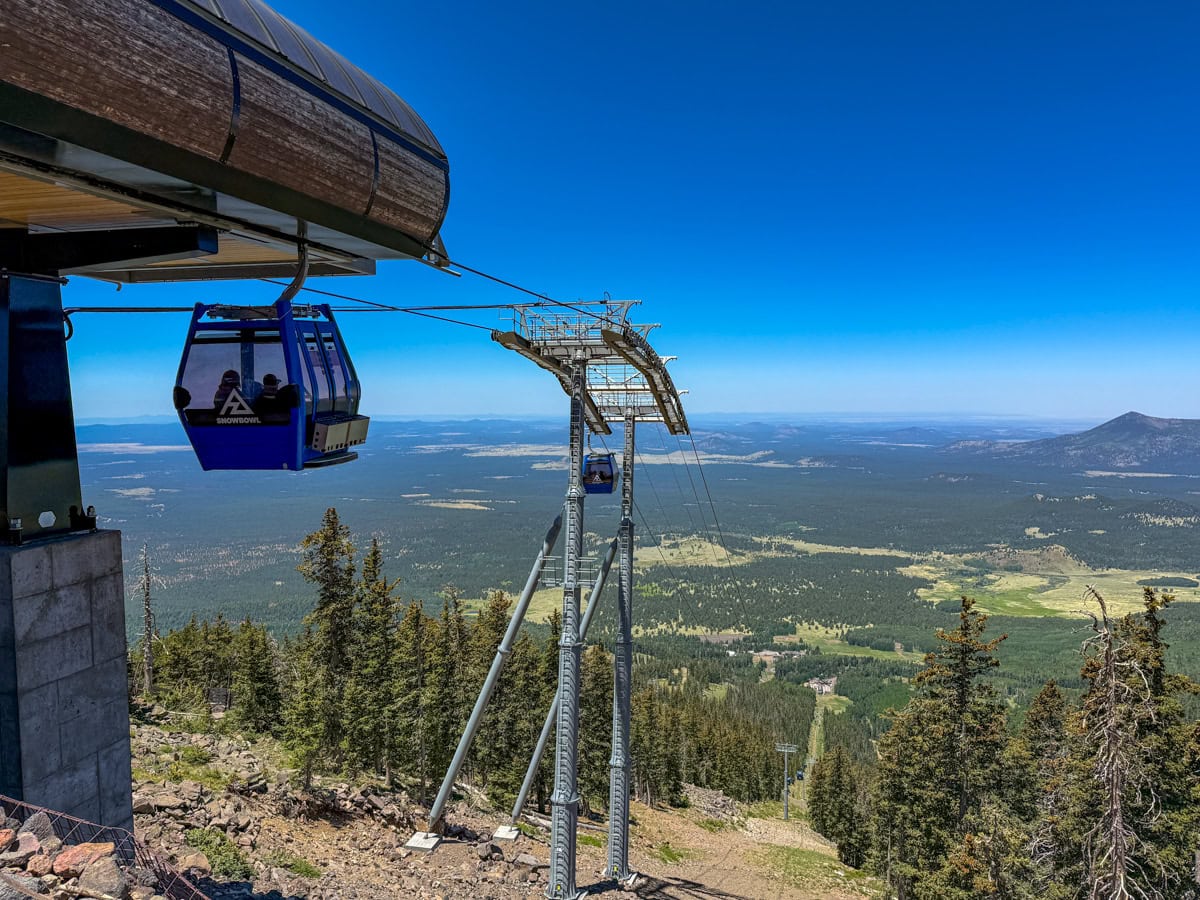
The local economy is bolstered by a robust outdoor recreation sector, anchored by the Arizona Snowbowl. Located on the San Francisco Peaks, the resort operates at an elevation reaching 11,500 feet. While primarily known for winter sports, the resort has diversified its offerings to include year-round activities such as scenic gondola rides and high-altitude hiking, supporting a consistent tourism flow throughout the summer months.
The city also promotes a diverse range of secondary attractions:
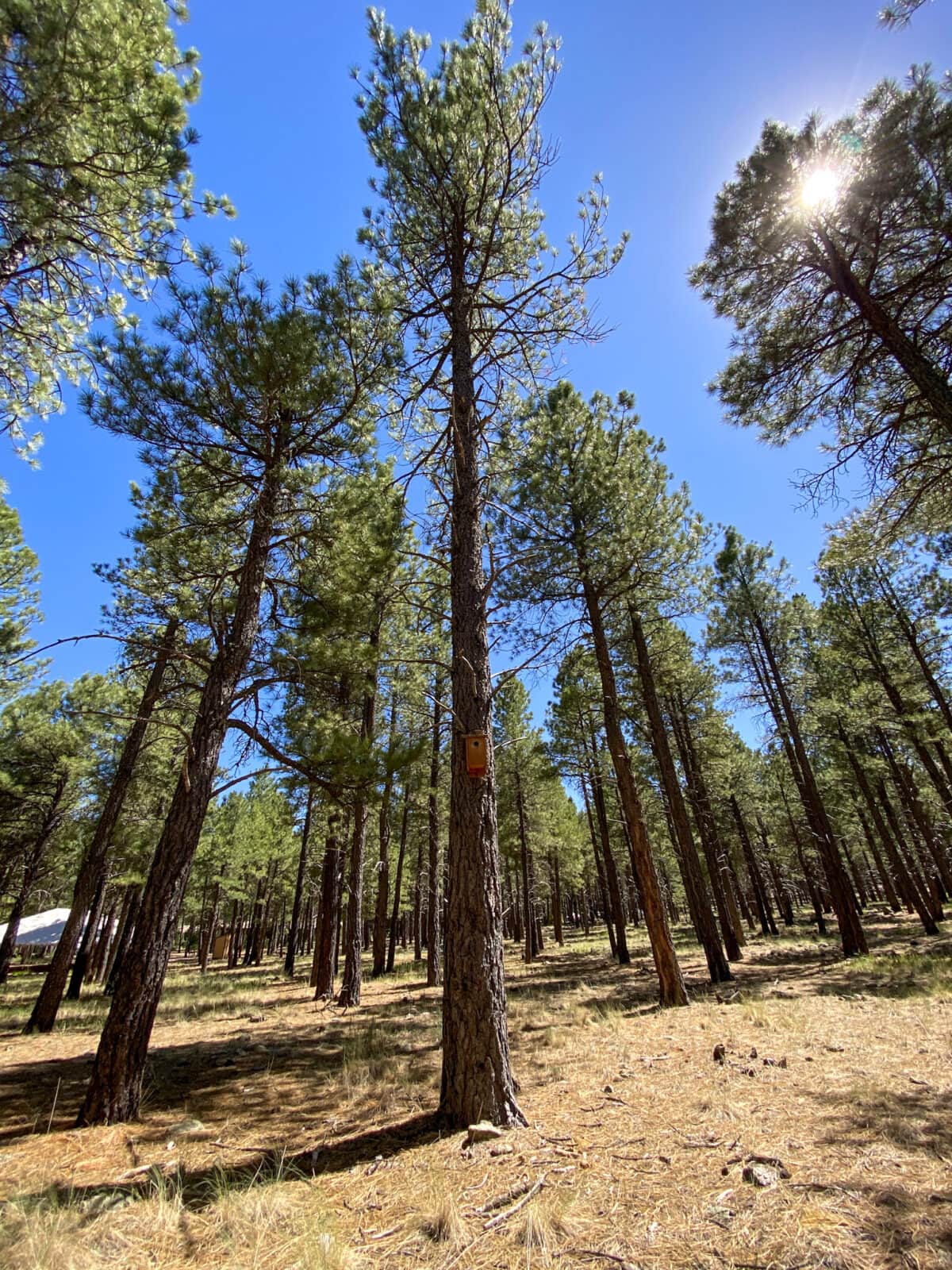
- Flagstaff Extreme: An adventure course utilizing the native Ponderosa pine forest to provide high-ropes and zipline experiences.
- Fort Tuthill County Park: A multi-use facility that hosts large-scale community events, including the Coconino County Fair and various seasonal festivals.
- Bearizona Wildlife Park: Located in nearby Williams, this facility provides a hybrid drive-through and walk-through wildlife experience, focusing on native North American species and conservation education.
Gastronomy and the Craft Beverage Industry
Flagstaff has developed a significant reputation for its craft brewing industry. The city’s Brewery Trail connects eight local establishments, reflecting a broader trend in the region toward high-quality, localized food and beverage production. This industry is supported by a robust culinary scene that ranges from historic saloons—such as Black Bart’s Steakhouse, which combines traditional regional fare with live musical performances—to modern cafes that emphasize locally roasted coffee and sustainable sourcing practices.
Practical Considerations for Visitors
For those planning an itinerary, the logistics of visiting Flagstaff require consideration of its high-altitude environment. At 7,000 feet, visitors may experience physiological changes, including fatigue or shortness of breath. Local health officials advise maintaining hydration and allowing for an acclimatization period during the first 24 to 48 hours.
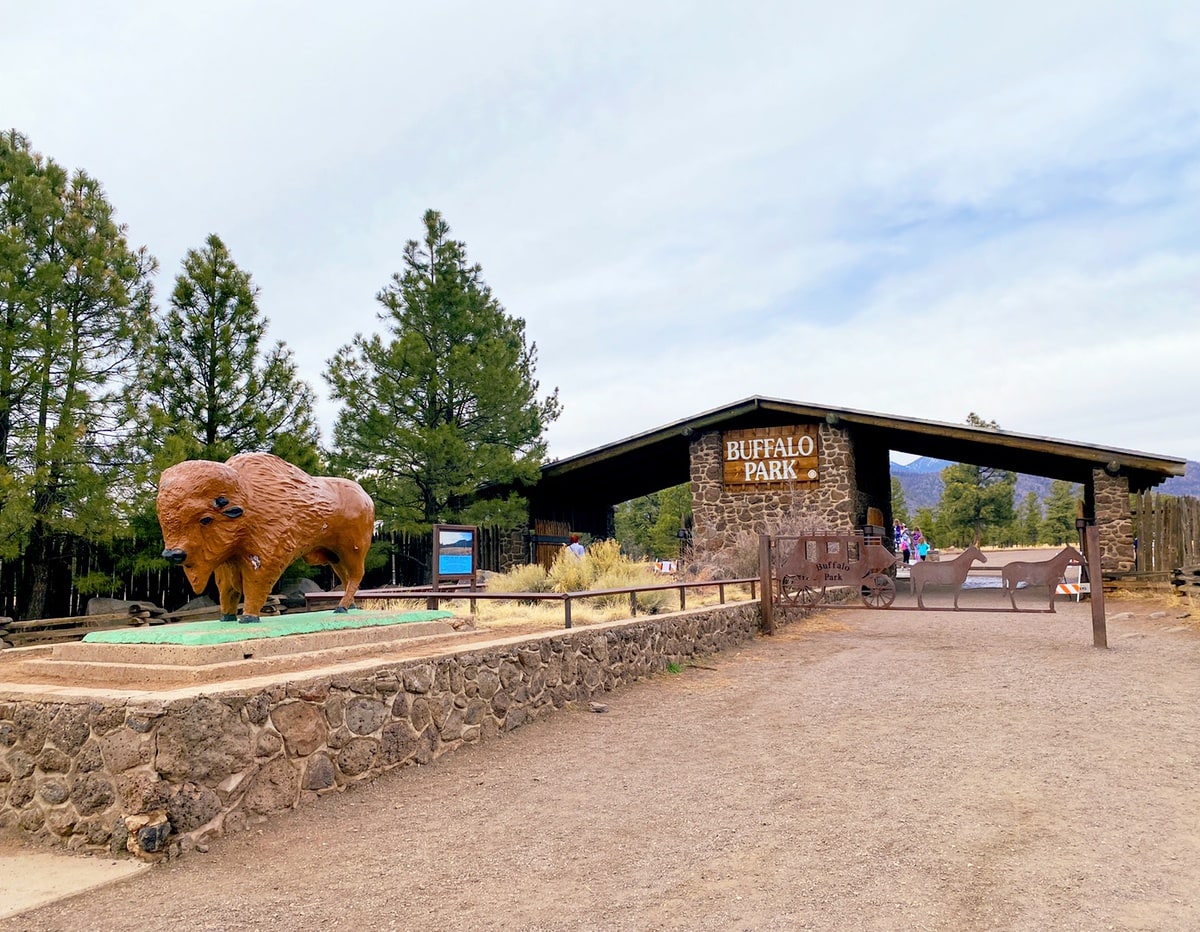
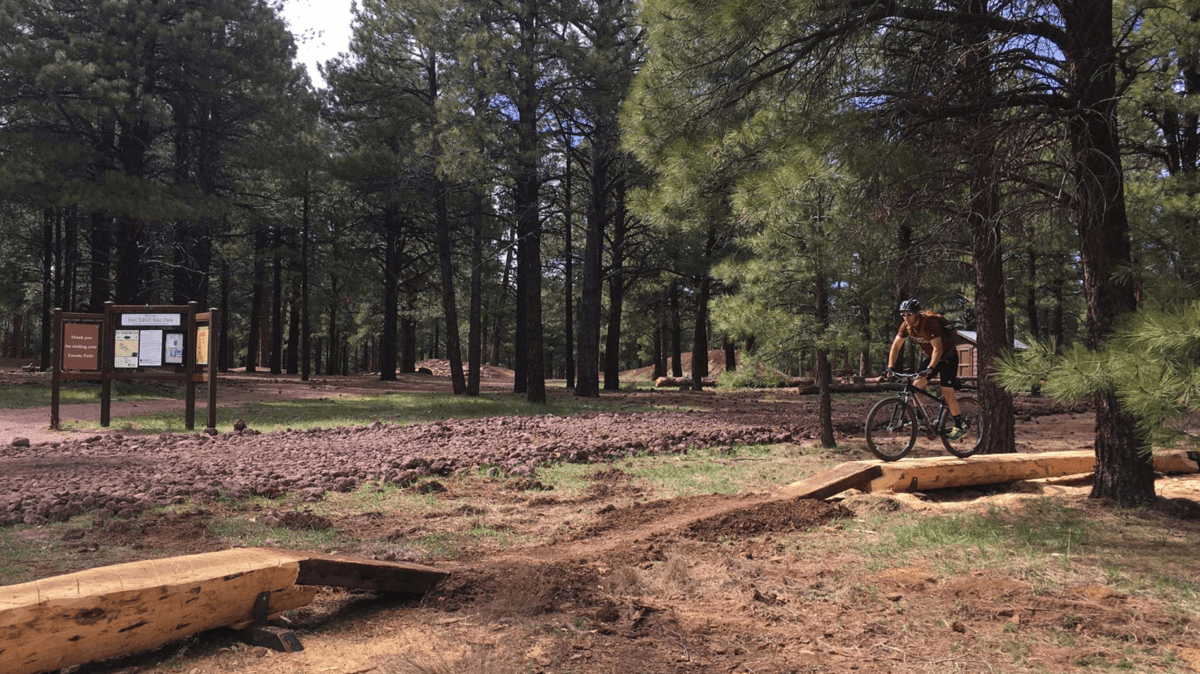
Transportation in the area is primarily automobile-dependent, though the city maintains a network of trails and public infrastructure. For those utilizing Flagstaff as a base for regional travel, the proximity to the South Rim of the Grand Canyon (approximately 90 minutes by road) makes it a strategic location for visitors seeking to balance national park exploration with urban amenities.

Broader Impact and Future Implications
Flagstaff’s model of tourism—one that emphasizes the protection of natural resources and scientific heritage while fostering a sustainable, locally-owned business environment—serves as a case study for high-country municipalities. As climate conditions impact seasonal snowpacks, the region is increasingly focusing on diversifying its recreational offerings to maintain economic stability. The city’s commitment to its Dark Sky status and the preservation of archaeological sites ensures that its growth remains aligned with the cultural and environmental values of the Colorado Plateau.
Whether one is visiting for the historical significance of its downtown, the scientific legacy of the Lowell Observatory, or the unparalleled access to Northern Arizona’s national monuments, Flagstaff continues to function as a vital, multifaceted destination. The city’s ability to integrate its past—from the logging era to the discovery of planets—with a forward-looking approach to environmental stewardship defines its enduring appeal in the American West.