The Feisty Survivor: How New Zealand’s Weka Bird Won Over Travelers and Conservationists Alike


New Zealand’s native wildlife is internationally renowned for its unique evolutionary history, characterized by flightless birds that evolved in the absence of major mammalian predators. Among these species, the weka (Gallirallus australis)—a large, brown, flightless bird belonging to the rail family (Rallidae)—occupies a distinct ecological and cultural niche. Often overshadowed by more charismatic or endangered fauna such as the kiwi, the takahe, and the kea, the weka has increasingly captured the attention of ecologists, conservationists, and travelers due to its resilient demeanor, opportunistic foraging strategies, and complex relationship with human settlements.
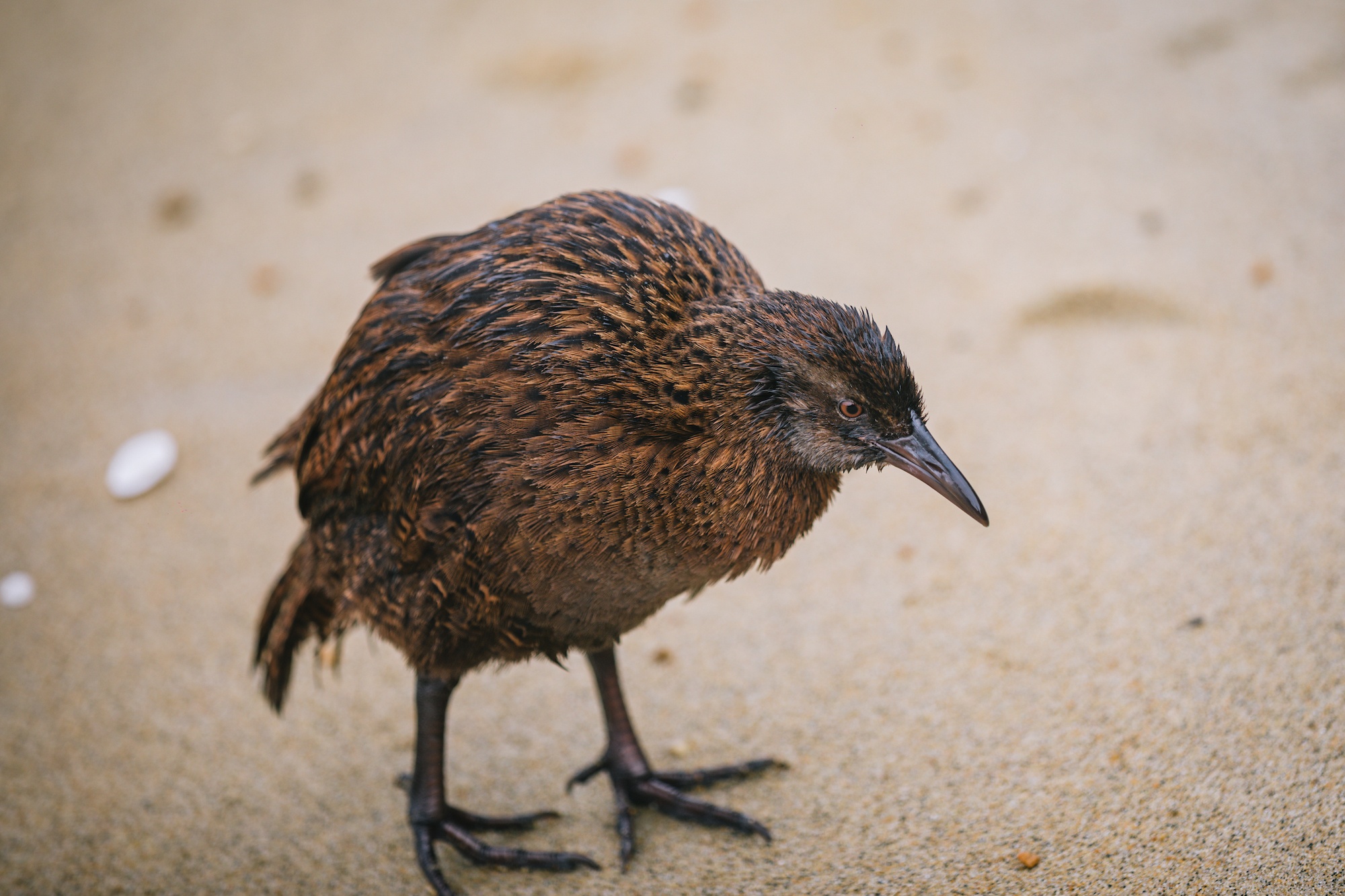
Recent observations along prominent wilderness routes, including the Heaphy Track on the South Island, highlight the bird’s pervasive presence and distinct behavioral traits. Far from the elusive nature typical of many endemic New Zealand species, the weka is defined by its robust adaptability, assertive curiosity, and intricate historical and ecological standing within the country’s diverse landscapes.

Taxonomic Profile, Physical Characteristics, and Behavior
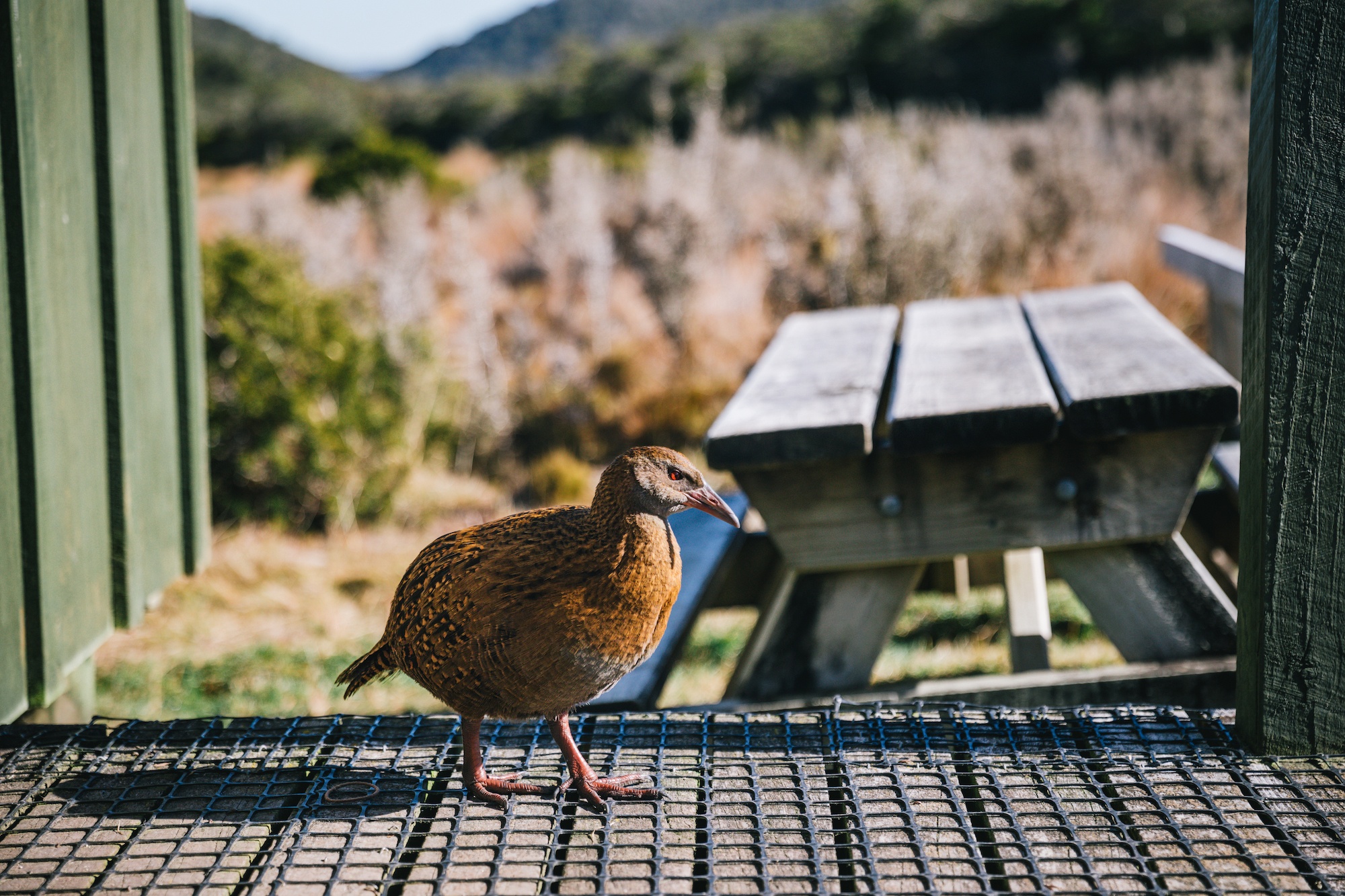
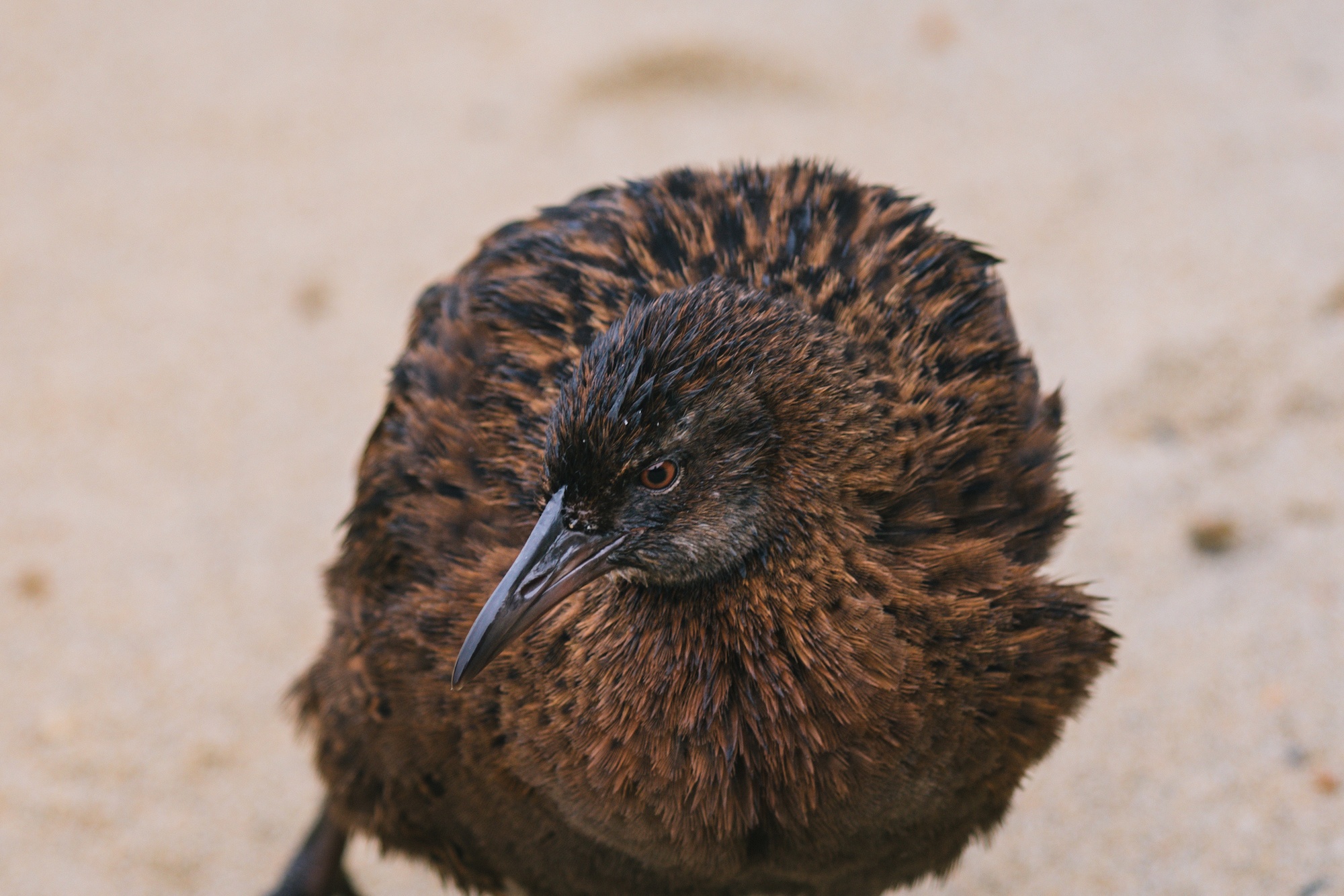
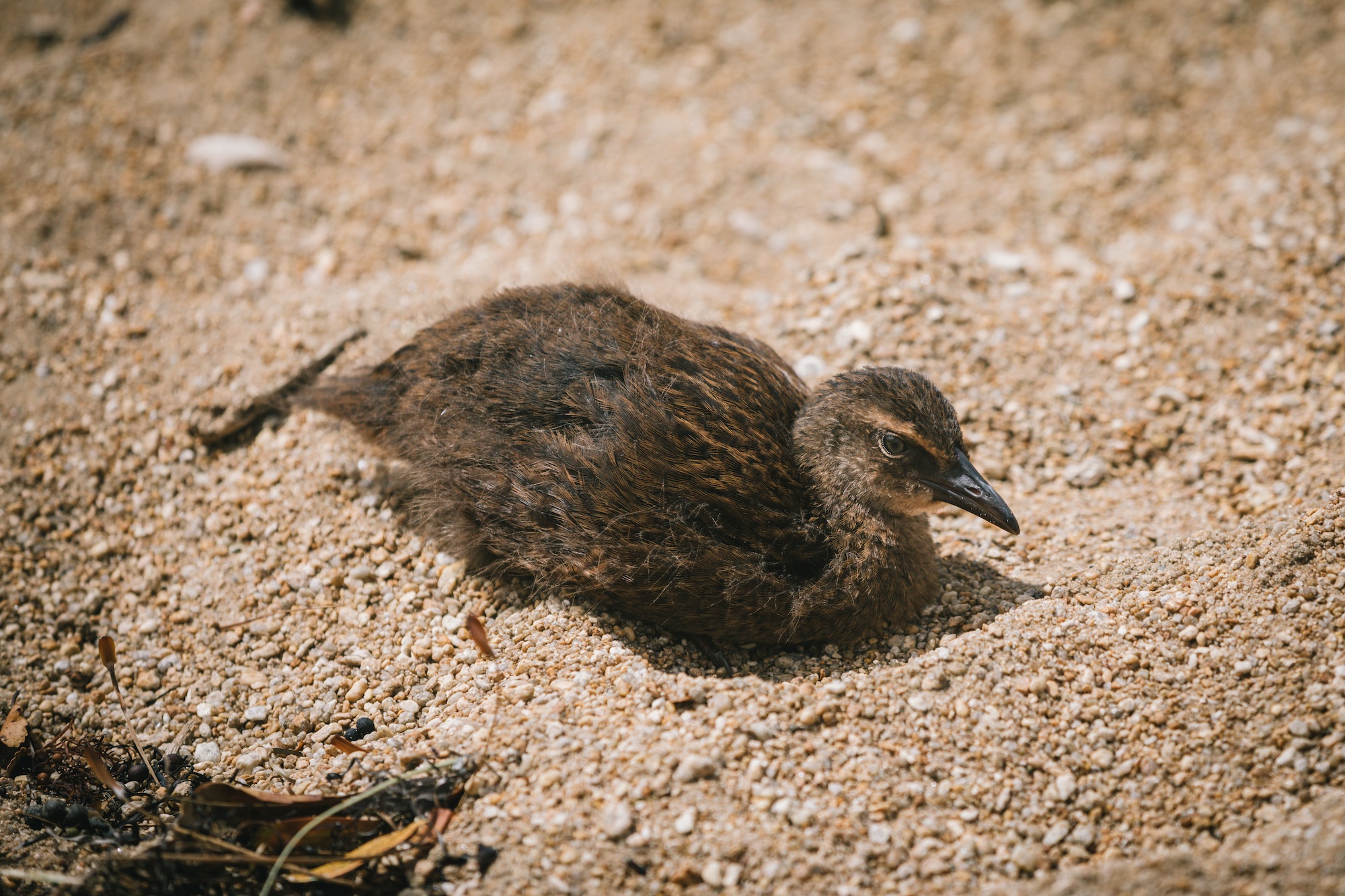
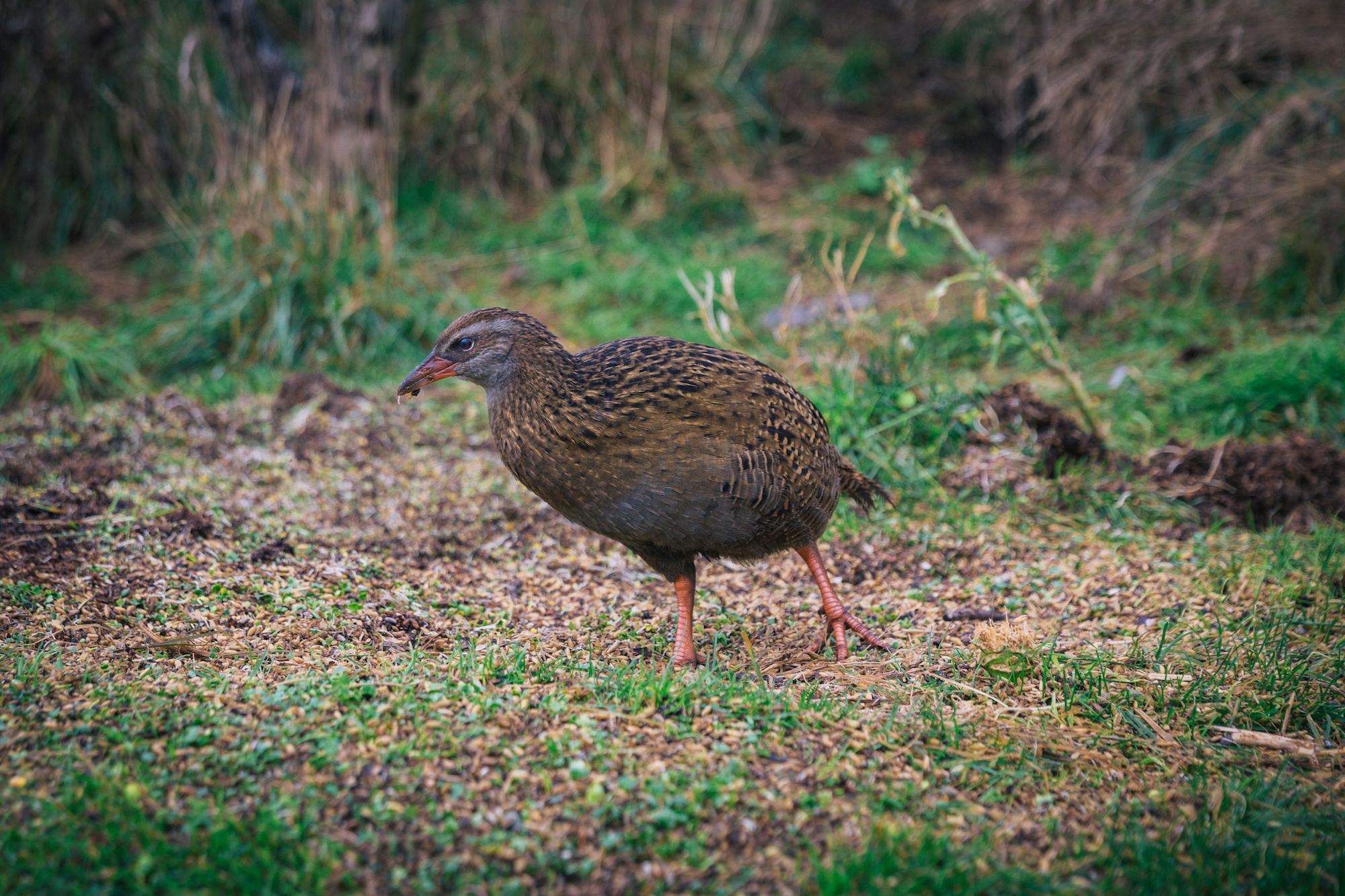
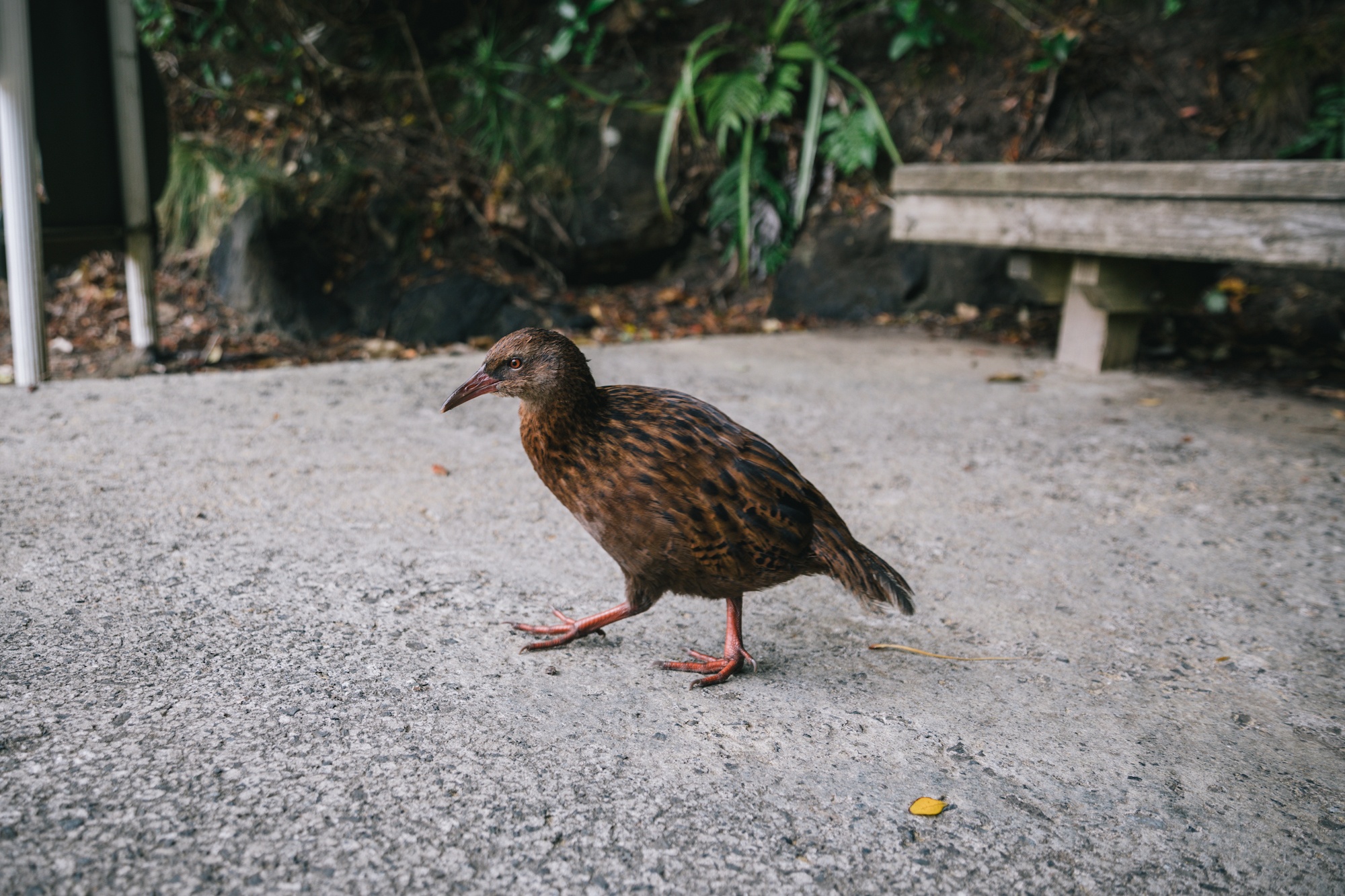
The weka is a heavily built, ground-dwelling bird characterized by strong legs, reduced wings, and a lack of flight capability. Morphologically, mature specimens often present a nearly spherical silhouette, earning them a distinctly robust appearance among New Zealand avifauna. Plumage variation across the four recognized subspecies—the North Island weka, western weka, eastern weka, and Stewart Island weka—ranges from chestnut and tawny to dark brown, frequently intermingled with streaks of black and grey. A defining visual feature is their striking red eyes, which contribute to an intense and occasionally intimidating expression when interacting with humans.
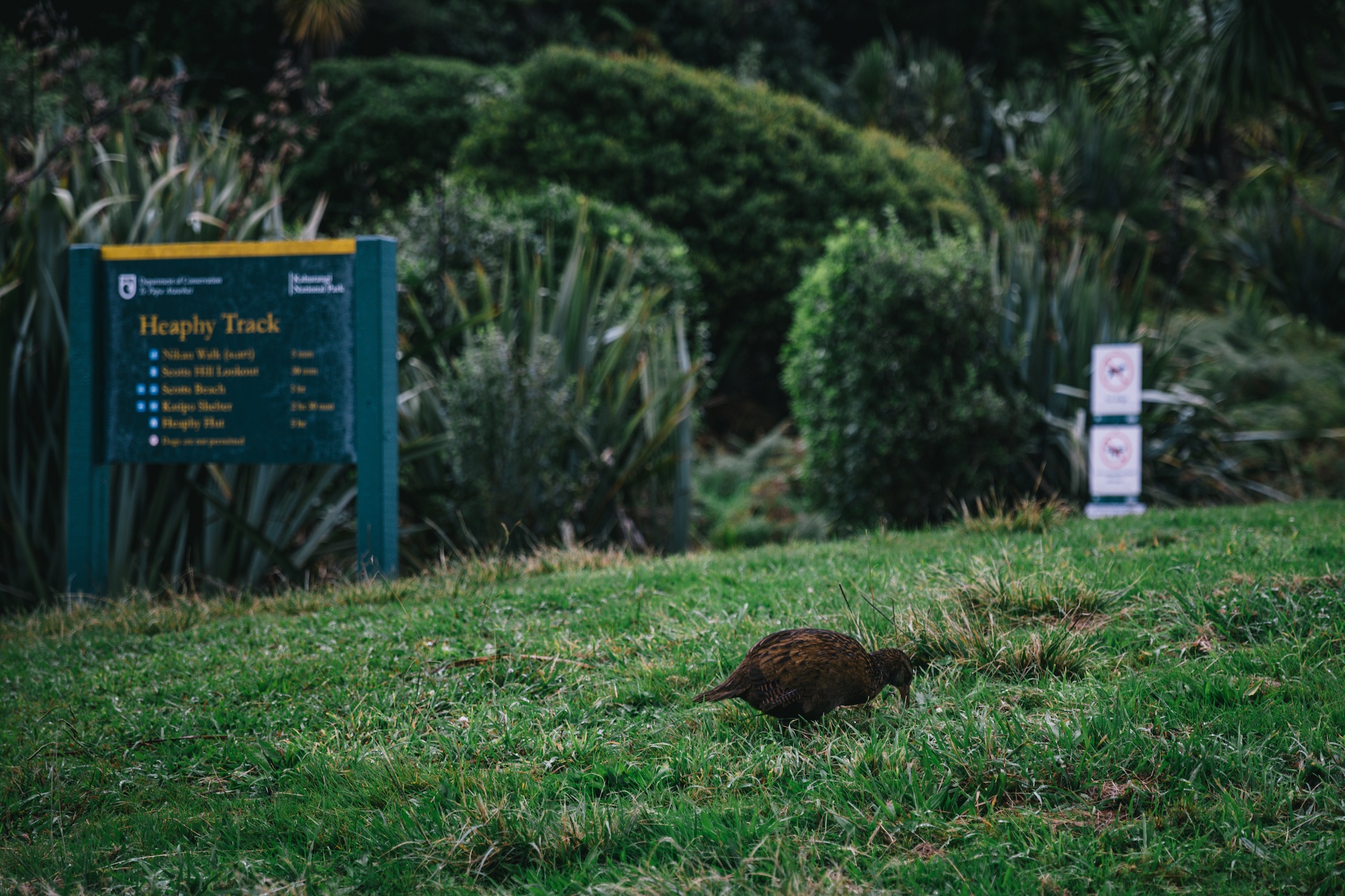
Behaviorally, weka are recognized for their high degree of extroversion and boldness. Unlike nocturnal species that actively evade human contact, weka frequently congregate near human infrastructure, campsites, and walking tracks. Their opportunistic nature often results in aggressive foraging behaviors, including approaching individuals for food handouts and attempting to scavenge unsecured items. Ornithologists and Department of Conservation (DOC) officials consistently advise against feeding weka, as anthropogenic food sources disrupt natural dietary habits and exacerbate habituation, which can lead to conflict and property loss for travelers.
Historical Interactions and Cultural Significance
The relationship between humans and weka extends centuries before European settlement. For Māori iwi (tribes), particularly across the South Island and the Chatham Islands, the weka served as a significant traditional resource, utilized for food, oil, and feathers. Historical accounts from early European explorers and settlers frequently document the bird’s inquisitive nature and penchant for thievery, noting instances where weka routinely pilfered shiny objects, rations, and camp gear.

Despite their historical utility and integration into indigenous culture, weka populations experienced significant disruptions following European colonization. The introduction of mammalian predators, large-scale habitat modification through deforestation and agriculture, and vehicular collisions substantially altered the distribution and density of weka populations across both the North and South Islands.
Ecological Role, Predation, and Conservation Status
Ecologically, the weka occupies a complex position within New Zealand’s biosecurity and conservation frameworks. As omnivores, their diet primarily comprises invertebrates, fruit, and carrion, alongside small vertebrates such as rodents, rabbits, and mice—acting as an effective natural control agent for certain introduced pest species. However, their opportunistic predation also extends to native lizards, ground-nesting birds, chicks, and eggs.
This predatory behavior creates a paradoxical challenge for contemporary conservation management. While mainland populations of weka are fully protected under the Wildlife Act 1953, their propensity to prey on vulnerable native species often precludes their reintroduction to offshore predator-free sanctuary islands, where strict ecological restoration projects prioritize critically endangered, defenceless fauna such as kakapo and various invertebrate species. Consequently, weka are frequently excluded from elite eco-sanctuaries, creating a unique division within New Zealand conservation priorities.

Population dynamics for the species remain variable. While certain regional populations demonstrate robust growth and adaptability to modified environments, others experience severe population booms and crashes driven by habitat fragmentation, vehicular mortality, food scarcity, and predation by stoats, ferrets, and feral cats. The Department of Conservation and various regional bodies maintain ongoing species recovery and translocation initiatives aimed at re-establishing weka populations within their historical home ranges, emphasizing the necessity of integrated landscape management.
Socio-Economic Debates and Cultural Perceptions
Beyond conservation biology, the weka has occasionally been at the center of socio-economic and regulatory debates regarding wildlife utilization. Notably, limited populations persist on the Chatham Islands, where historical harvesting traditions continue under specific local contexts. Periodic proposals or individual initiatives by private landowners and agricultural advocates to investigate the viability of commercial weka farming have historically clashed with strict national wildlife protection laws enforced by the Department of Conservation. Such legal and regulatory friction underscores the ongoing tension between traditional or commercial utilization models and stringent modern conservation frameworks designed to protect native biodiversity.
Comparative Analysis with Iconic Endemic Species
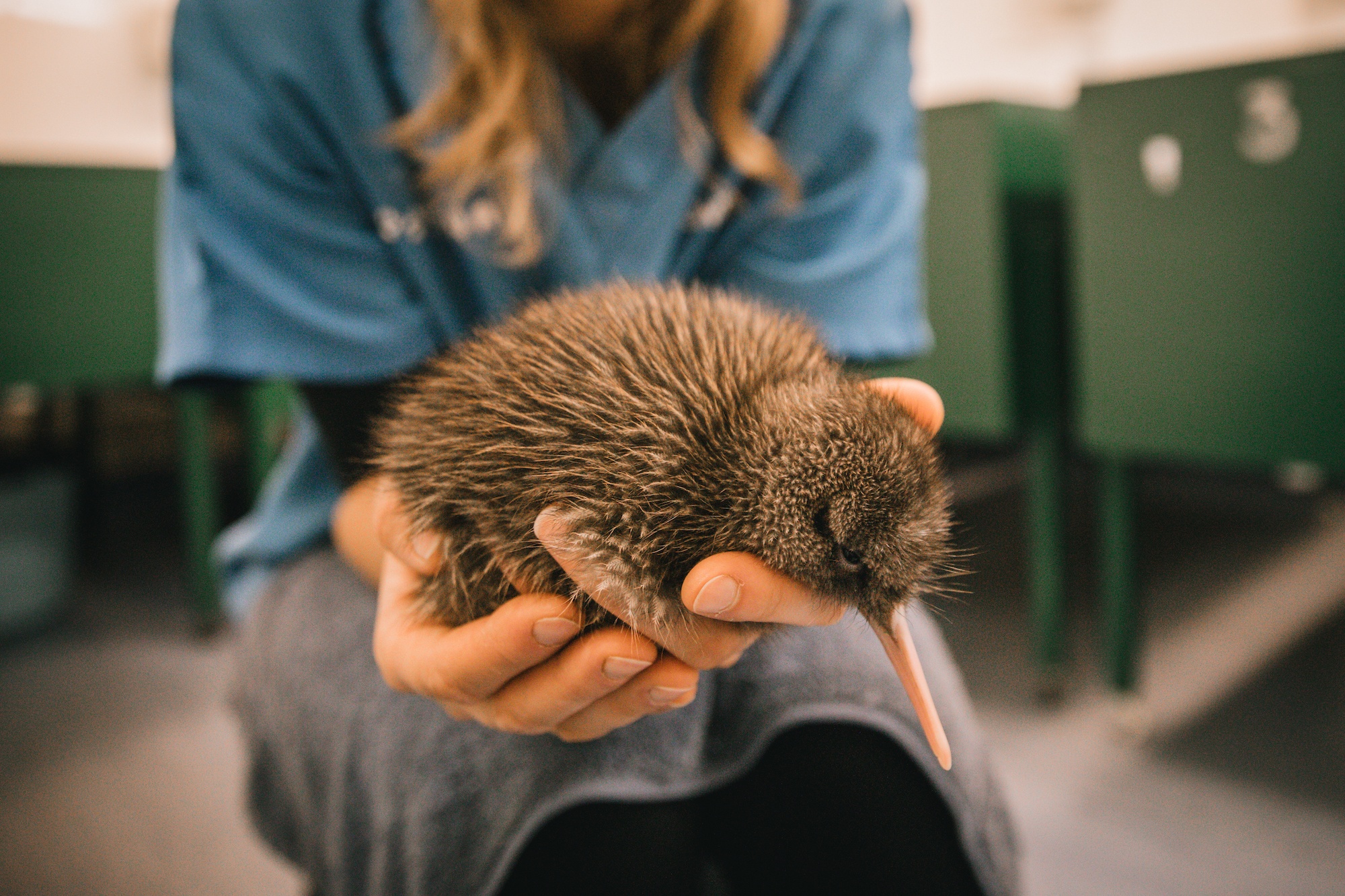
Public perception of New Zealand’s birdlife often conflates the abundance of certain resilient species with the broader national conservation outlook. International visitors frequently report high encounter rates with weka along popular tramping routes, occasionally misidentifying them or assuming native bird species enjoy universally secure population statuses. In contrast, iconic national symbols such as the kiwi (Apteryx spp.) remain strictly nocturnal, highly elusive, and acutely threatened by introduced mammalian predators, requiring intensive, hands-on conservation breeding and translocation programs to avoid localized extinction.

The widespread visibility of weka serves as a distinct educational opportunity for conservation advocates. While species like the kiwi, takahe (Porphyrio hochstetteri), and kea (Nestor notabilis) dominate public awareness due to their rarity, specialized plumage, or behavioral eccentricities, the weka represents a resilient counter-narrative of survival through adaptability.
Broader Implications for Environmental Management
The long-term outlook for the weka remains intertwined with national strategic initiatives, most notably the ambitious Predator Free 2050 program, which seeks to eradicate key mammalian predators—including rats, stoats, and possums—from mainland New Zealand. Successful execution of landscape-scale predator control is projected to benefit not only critically endangered species but also resilient generalists like the weka, mitigating mortality rates and stabilizing fragmented distributions.

Ultimately, the weka’s capacity to endure anthropogenic pressures, maintain territorial dominance, and navigate modified ecosystems highlights its evolutionary tenacity. By bridging the gap between historical indigenous utilization and modern ecological management, the weka commands a permanent and vital position within New Zealand’s natural heritage—embodying a distinct spirit of resilience that continues to resonate with ecologists and observers navigating the country’s wilderness.