People Changing How We See the World: Innovators, Artists, and Documentarians Redefining Our Relationship with Nature


The human relationship with the natural world has long been mediated by distance—the screen of a television, the glass of a museum display case, or the rigid boundaries of urban infrastructure. However, a growing vanguard of individuals is actively dismantling these barriers, reframing how society interacts with, interprets, and protects the environment. From the rugged coastlines of the Pacific Northwest to the ancient canopies of California and the digital screens of millions worldwide, three distinct entities—beachcomber John Anderson, artist Jane Kim, and filmmakers Will and Jim Pattiz—are shifting cultural paradigms. Their work illustrates that environmental engagement is not merely an academic pursuit or a recreational pastime, but a dynamic, participatory experience that demands both creativity and vigilance.
The Evolution of Extreme Beachcombing and Artifact Preservation
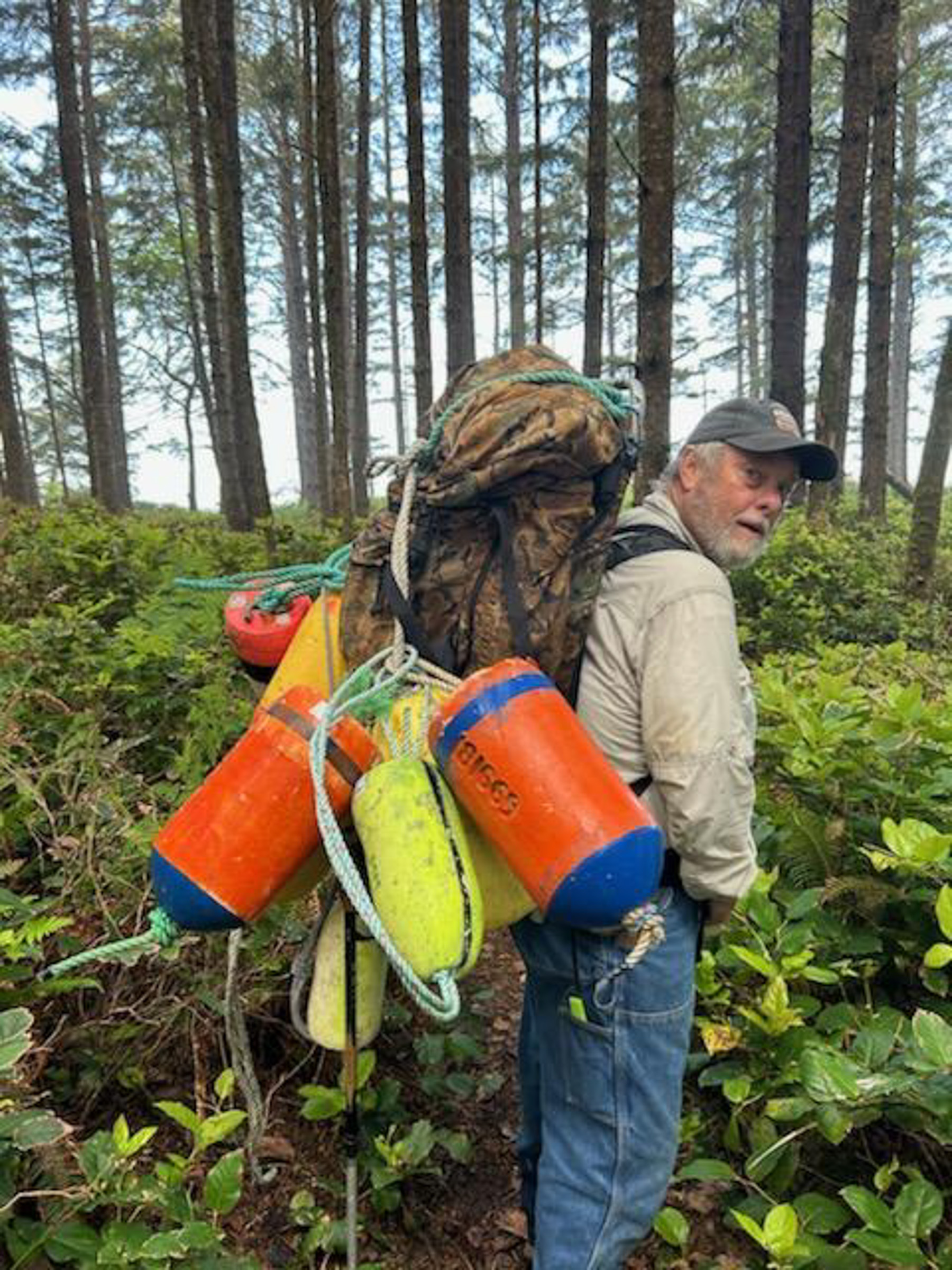
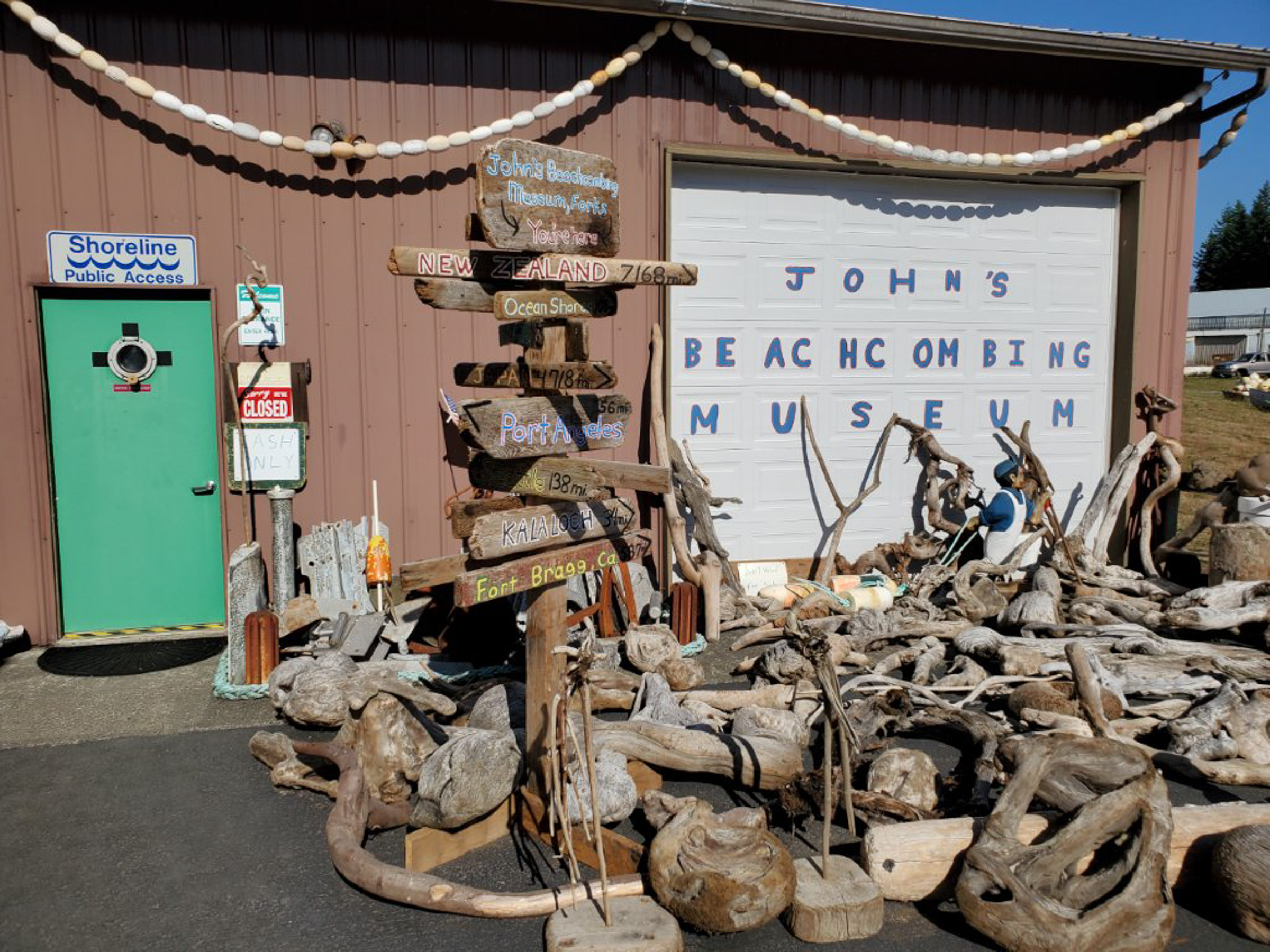
Along the wind-battered shores of Washington’s Olympic Peninsula, ocean currents deposit the global detritus of modern civilization. For nearly half a century, former plumber John Anderson has transformed this coastal highway of flotsam and jetsam into a historical archive. Operating under the banner of what he terms "extreme beachcombing," Anderson engages in a rigorous, physically demanding pursuit that often involves solo hikes through dense, unforgiving terrain and multi-day coastal expeditions.
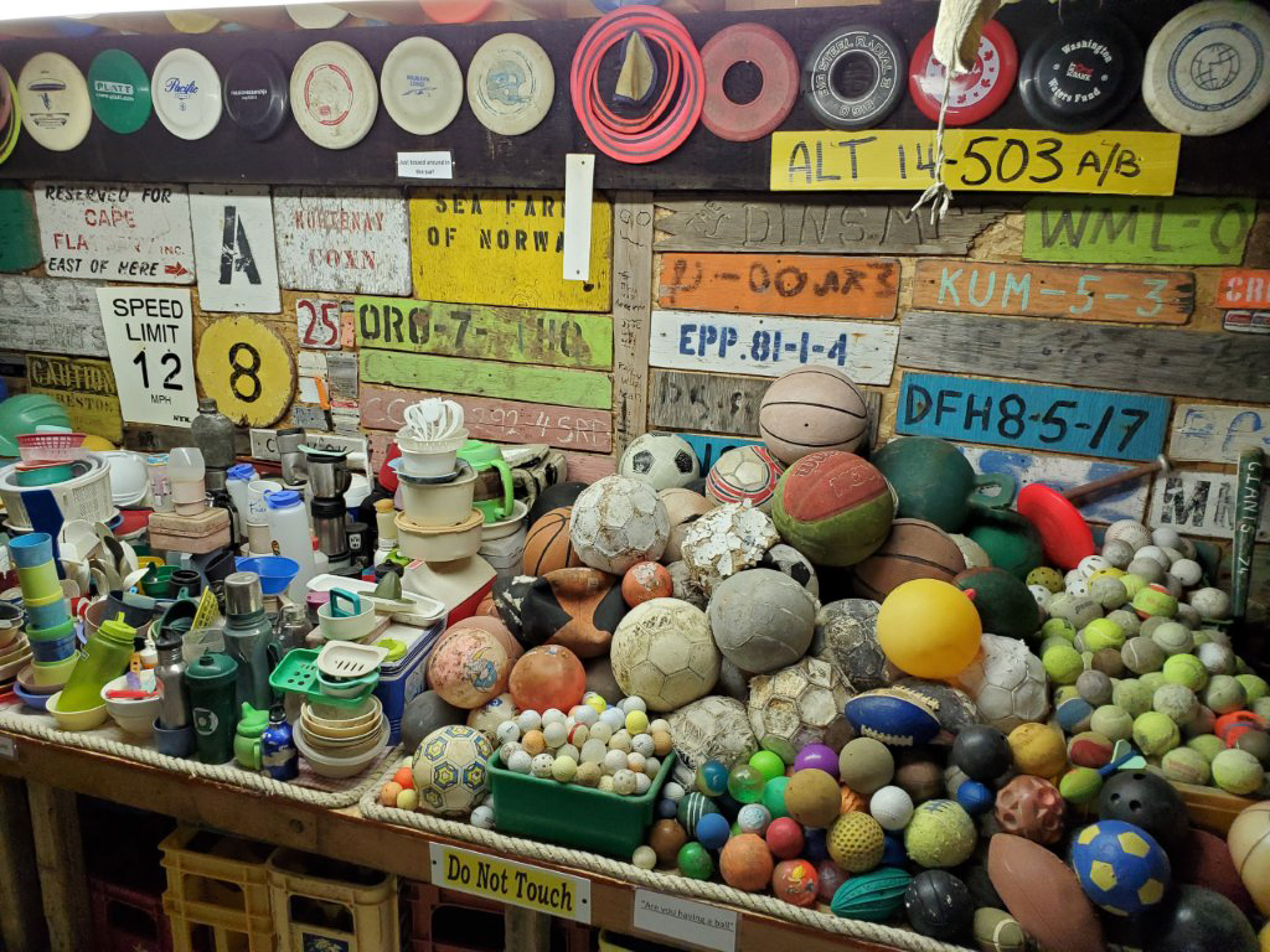
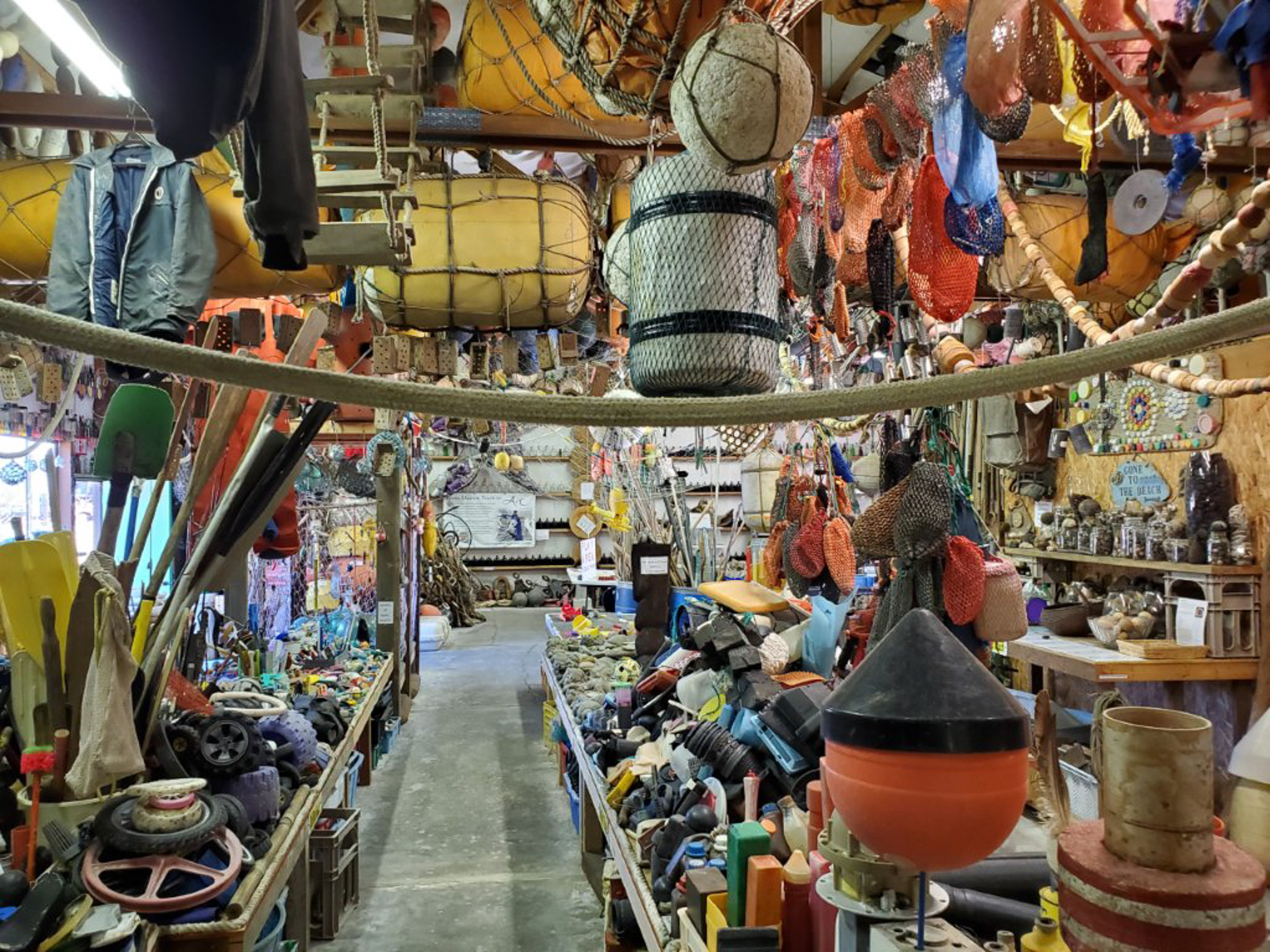
Anderson’s methodology goes far beyond casual shell-collecting. His finds—ranging from everyday commercial items like weather-beaten sneakers and Raggedy Ann dolls to improbable anomalies such as a spinner cone from a Boeing 727 engine—serve as tactile records of human migration, maritime trade, and ecological disruption. This lifelong accumulation eventually outgrew his personal storage spaces, prompting the transformation of his former plumbing shop into John’s Beachcombing Museum, widely recognized as the country’s first dedicated institution of its kind.
The museum’s interior mimics an old-world tackle shop, draped in fishing nets and buoyed by glass display cases, yet it operates as an anthropological repository. Among its most poignant artifacts are handwritten notes recovered from washed-up glass bottles. By preserving these messages in binders and, when possible, tracking down their original senders via standard post, Anderson bridges the temporal and physical gap between strangers, turning oceanic waste into human connection.
Mapping the Invisible Ecosystems of Ancient Redwoods
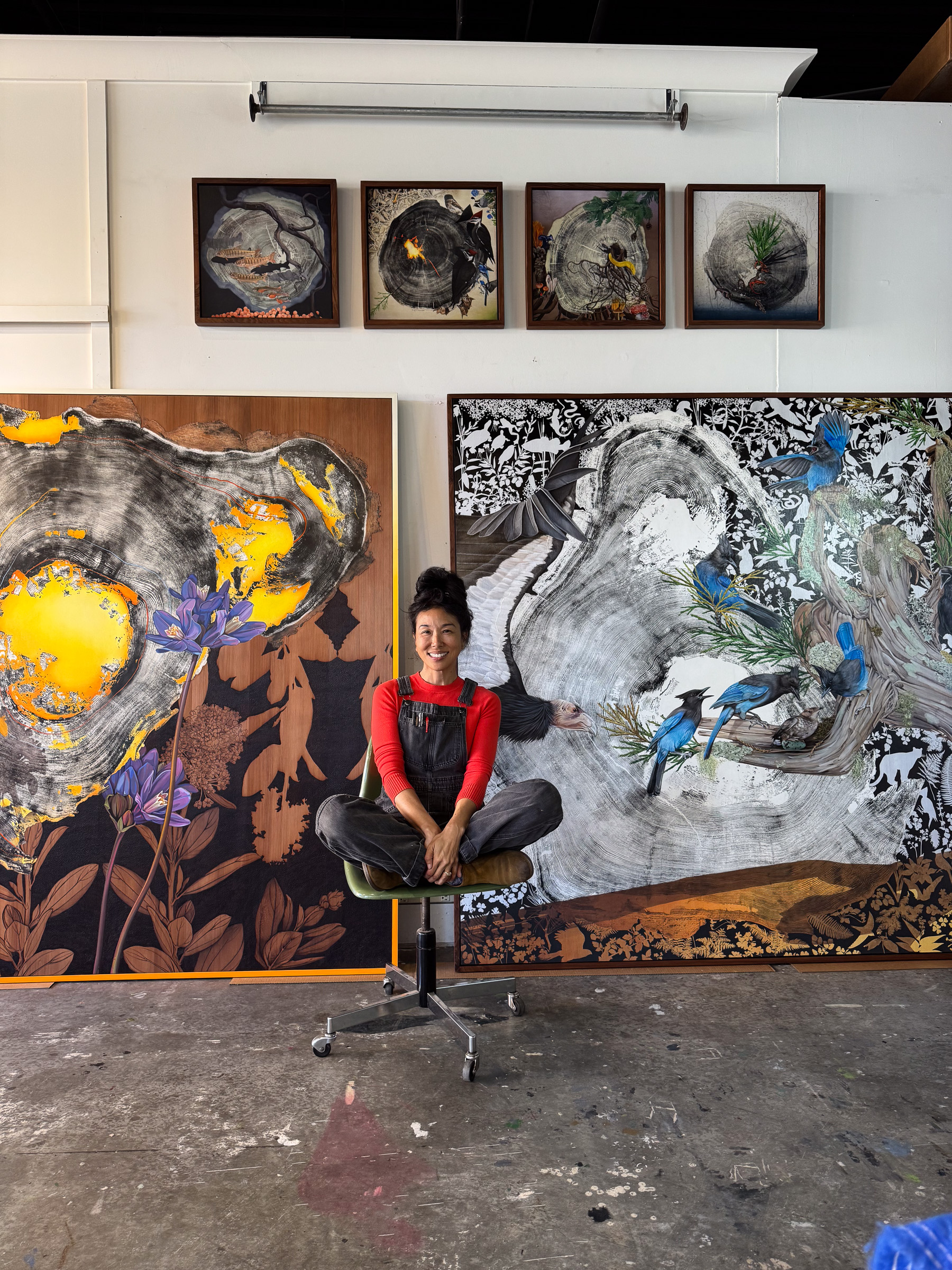
While Anderson collects the artifacts left behind by human enterprise, artist Jane Kim delves into the subterranean and botanical architecture of America’s most iconic forests. Kim’s artistic practice focuses on making the hidden complexities of nature visible to the public. Her career has been defined by large-scale public art projects, most notably her Migrating Mural series, which features monumental portraits of native fauna, including a 50-foot monarch butterfly mural in San Francisco designed to foster ecological awareness in urban landscapes.
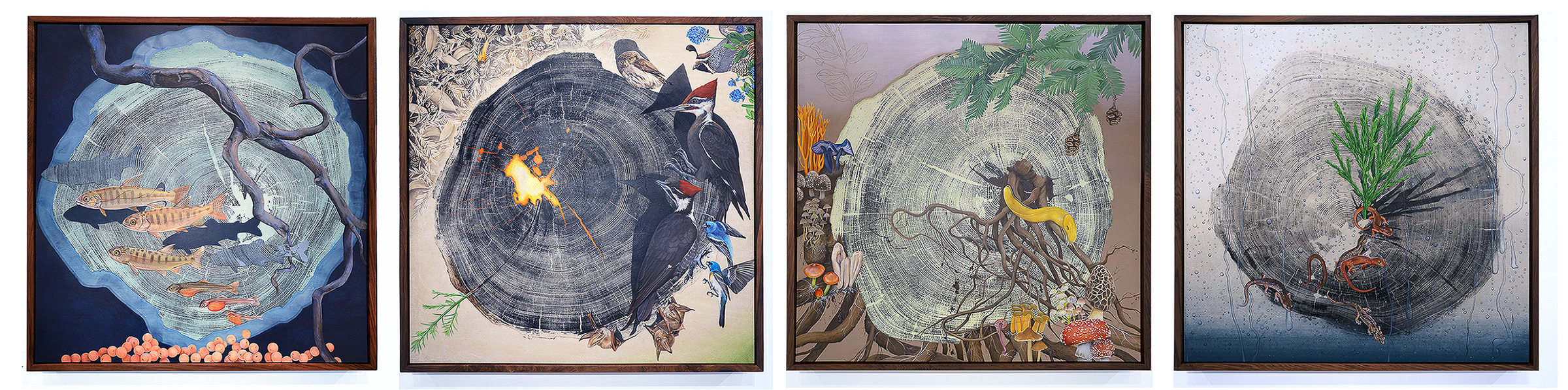
Kim’s recent endeavors took a deeply collaborative scientific turn during her tenure as the inaugural Forest Fellow with the Sempervirens Fund. Immersed in the ecology of California’s old-growth redwoods, Kim engaged in hands-on field research alongside foresters and naturalists. This work included cutting "cookies"—forensic cross-sections of ancient redwood stumps that act as natural time capsules, recording centuries of climatic data, droughts, and fires within their concentric rings.
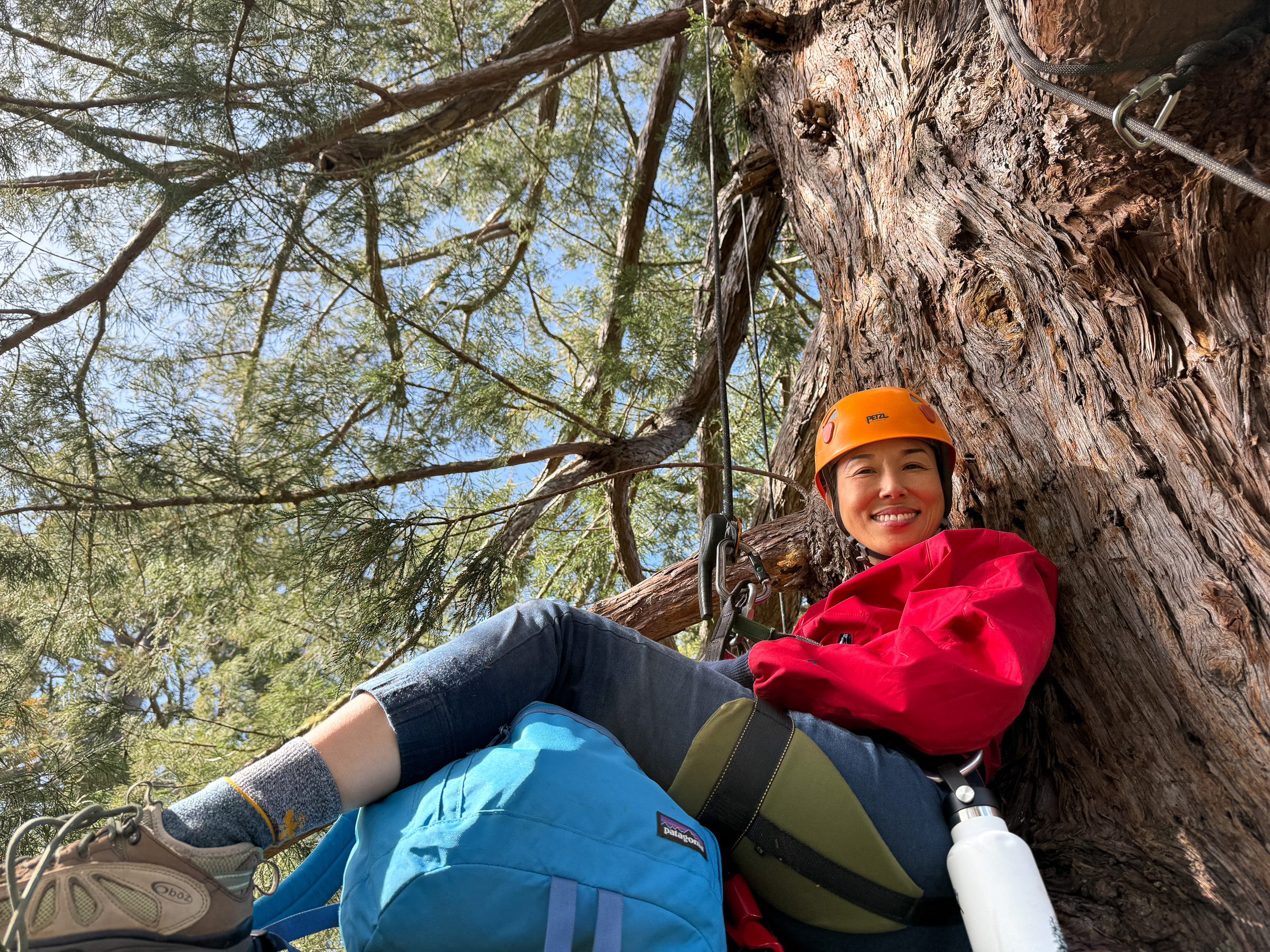
To fully comprehend the ecosystem, Kim undertook botanical ascents, climbing 200 feet into the redwood canopy. Her resulting works translate these ecological realities into large-scale prints and paintings. Notably, her art frequently challenges conventional ecological fears, illustrating how natural phenomena such as fire are not merely destructive forces, but vital catalysts that trigger regeneration and allow fire-following plant species to thrive. Through her work, Kim highlights the intricate, interdependent networks of the forest, down to the molecular level, where research indicates ancient trees emit organic compounds that induce a sense of calm in human observers.
From Cinematic Inspiration to Public Lands Advocacy
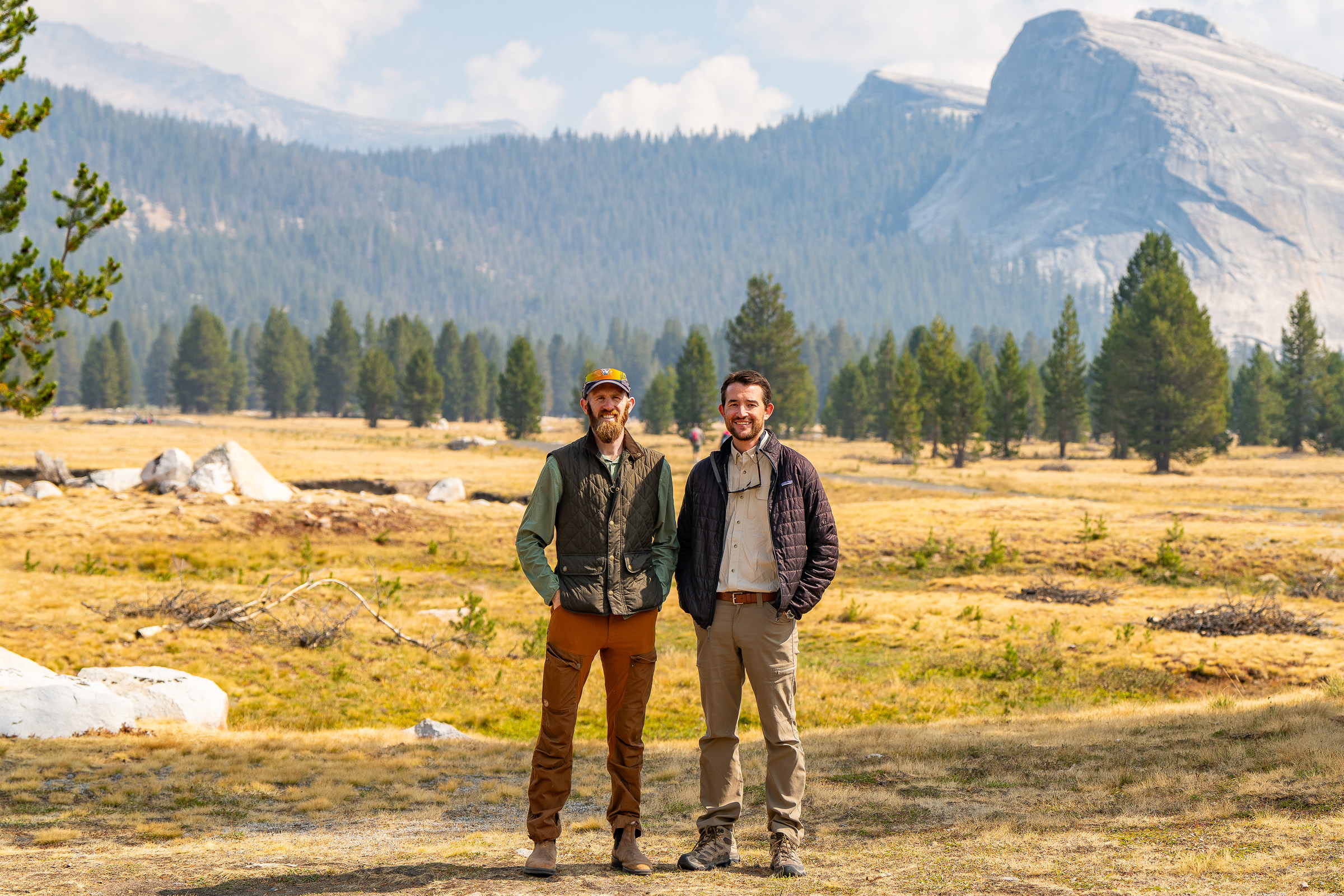
In the digital sphere, brothers Will and Jim Pattiz have spent over a decade reshaping public perception of public lands through high-definition visual storytelling. The genesis of their enterprise, More Than Just Parks, traces back to a pivotal cross-country road trip undertaken in a borrowed Prius. Overwhelmed by the scale and majesty of America’s federally protected landscapes, the brothers resolved to bridge the gap between these national treasures and a broader public that had never experienced them firsthand.
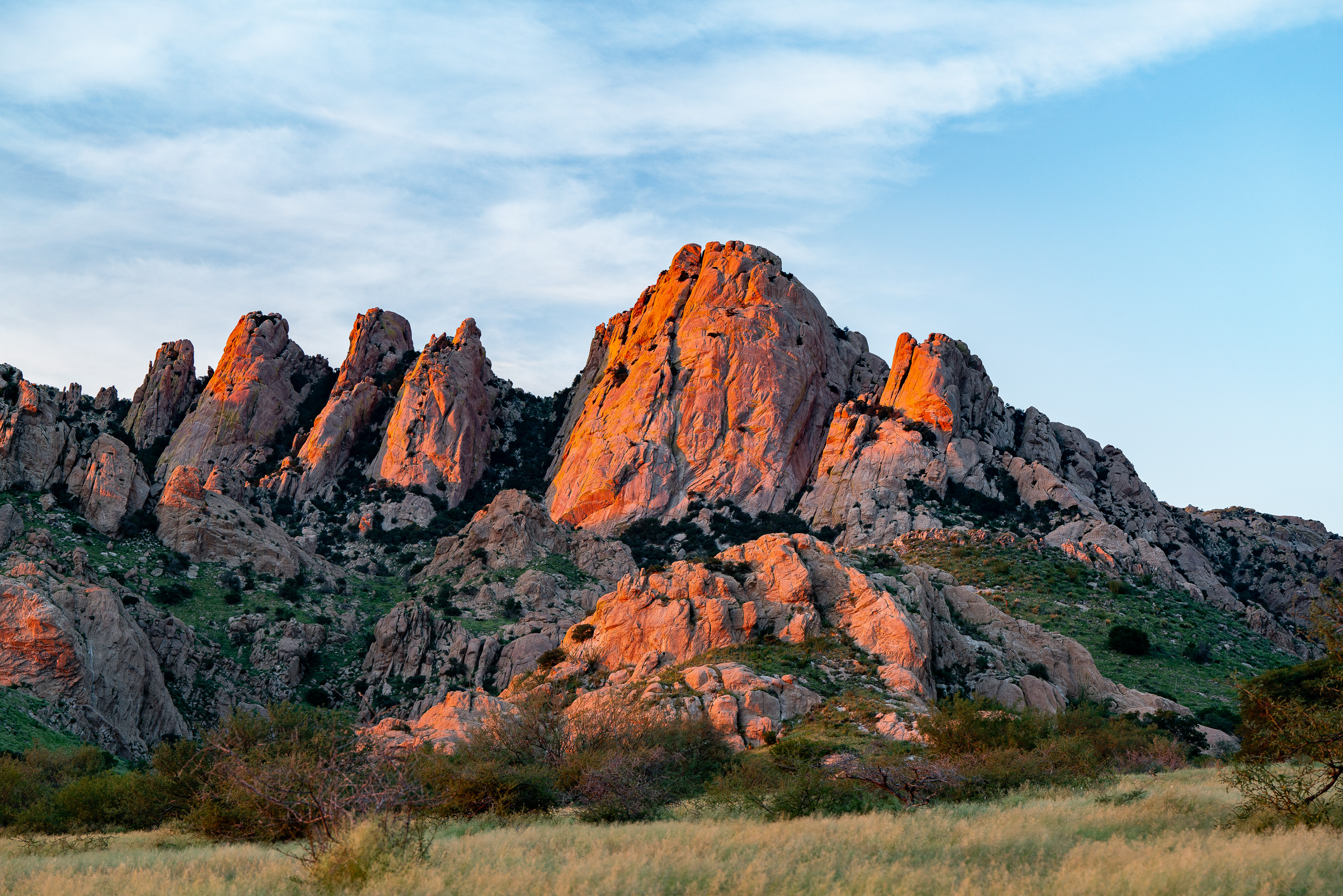
What began as bootstrapped, independent filmmaking characterized by soggy tents in Olympic National Park rapidly evolved into official partnerships with conservation groups, state tourism offices, and federal agencies, including the U.S. Forest Service. The brothers’ fieldwork frequently placed them in extreme environments—navigating wilderness rivers, documenting active wildfires, participating in bat conservation in Nevada caves, and filming Alaskan salmon runs. These expeditions occasionally courted peril, including a memorable encounter with a black bear in Grand Teton National Park that required a hasty retreat.
Over time, the scope of More Than Just Parks expanded significantly. Recognizing that aesthetic appreciation alone was insufficient to safeguard public lands in an era of shifting political and environmental pressures, the organization transitioned from a celebration of wild spaces into an active defense mechanism. Today, the platform functions as an environmental advocacy organization, conducting investigative journalism, releasing policy analyses, and deploying citizen-engagement tools such as congressional public lands scorecards, threatened lands maps, and digital action networks.
Comparative Chronology of Environmental Engagement
The pathways taken by these modern preservationists highlight distinct methodologies operating across different timeframes:
- 1970s–Present: John Anderson initiates his continuous, independent cataloging of maritime debris along the Olympic Peninsula, culminating decades later in the establishment of John’s Beachcombing Museum.
- 2010s: Will and Jim Pattiz launch More Than Just Parks, leveraging digital media to democratize access to national parks and transition into legislative advocacy and public lands defense.
- 2020s: Jane Kim bridges fine art and forestry, serving as the inaugural Forest Fellow to translate the ecology of ancient redwoods into accessible, large-scale public installations and scientific visualizations.
Broader Implications and Cultural Impact
The convergence of beachcombing, fine art, and digital filmmaking points to a broader shift in contemporary environmentalism. Traditional conservation models have frequently relied on scientific reports or institutional directives, which can occasionally alienate the general public. By contrast, practitioners like Anderson, Kim, and the Pattiz brothers utilize accessible, visceral mediums—physical artifacts, monumental paintings, and cinematic digital media—to foster personal relationships with the natural world.
This grassroots approach democratizes ecological awareness. When a beachcomber preserves a child’s toy lost at sea, an artist paints the microscopic resilience of a fire-scarred redwood, or filmmakers document the fragile majesty of a protected national forest, they are not merely documenting history; they are actively shaping public consensus. Their collective efforts suggest that effective environmental stewardship begins not with policy mandates, but with an altered perspective—one that teaches society to see the world not as a resource to be consumed, but as a living archive worthy of preservation.